 GameWiki

GET YOUR BEARINGS
About Kunugi's Life is a Mess!
Kunugi’s Life Is a Mess! puts you in the shoes of a homeless girl named Kunugi, driven by revenge against a bully. A mysterious White Door draws her into a law‑less realm where humans chase power, and the story unfolds as she ventures deeper.
The game is a roguelike, turn‑based dungeon‑crawling RPG that emphasizes strategic choices. Before each run you select skills, items, and equipment, but every descent resets your level to 1, making each attempt a fresh tactical challenge toward the final boss.
01 / THE GUIDE
Turn‑Based Roguelike Mechanics
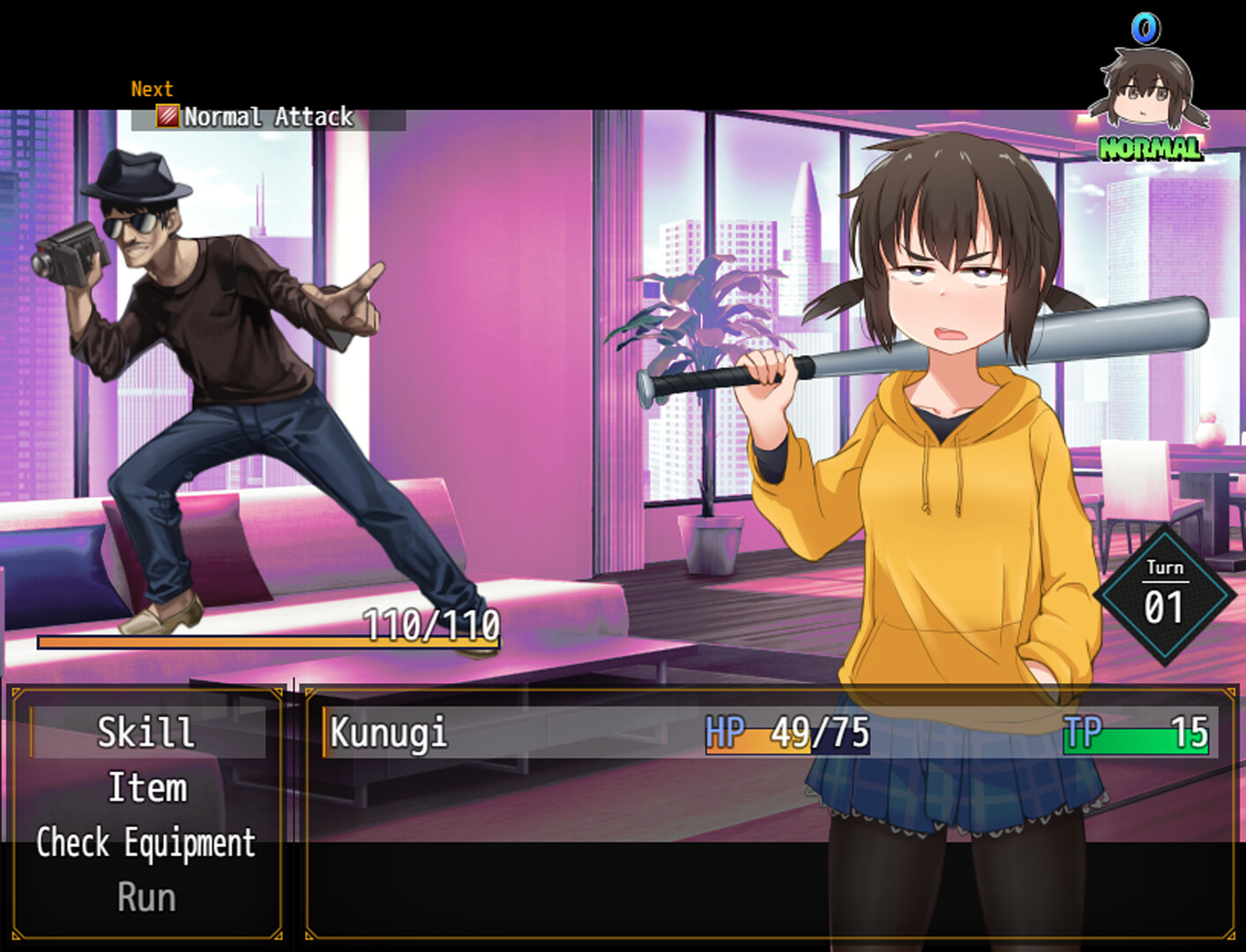
The core loop revolves around turn‑based combat inside procedurally generated dungeons. Players must plan moves, manage resources, and adapt to enemy patterns each turn. Strategy is highlighted by the ability to choose which skills to learn and which equipment to equip before entering.
Each dungeon run is independent; when you die, the run ends and you start again at level 1. This reset encourages learning from previous attempts and refining tactics for stronger progress in subsequent runs.
- Experiment with different skill combinations to discover synergistic effects.
- Observe enemy behavior early in a run to adjust your equipment choices.
02 / THE GUIDE
Level Reset and Growth
Every run begins with Kunugi at level 1, regardless of prior achievements. As you defeat enemies and complete encounters, you gain experience that can raise your level within that single run. The ultimate aim is to become strong enough to face the boss before the run ends.
Because the level resets each time, players focus on short‑term growth rather than long‑term character accumulation. This design creates tension and rewards efficient play within each individual dungeon.
- Prioritize experience‑granting actions early to build a buffer before tougher foes appear.
- Balance offensive and defensive upgrades to survive longer runs.

03 / THE GUIDE
Flashback Memories
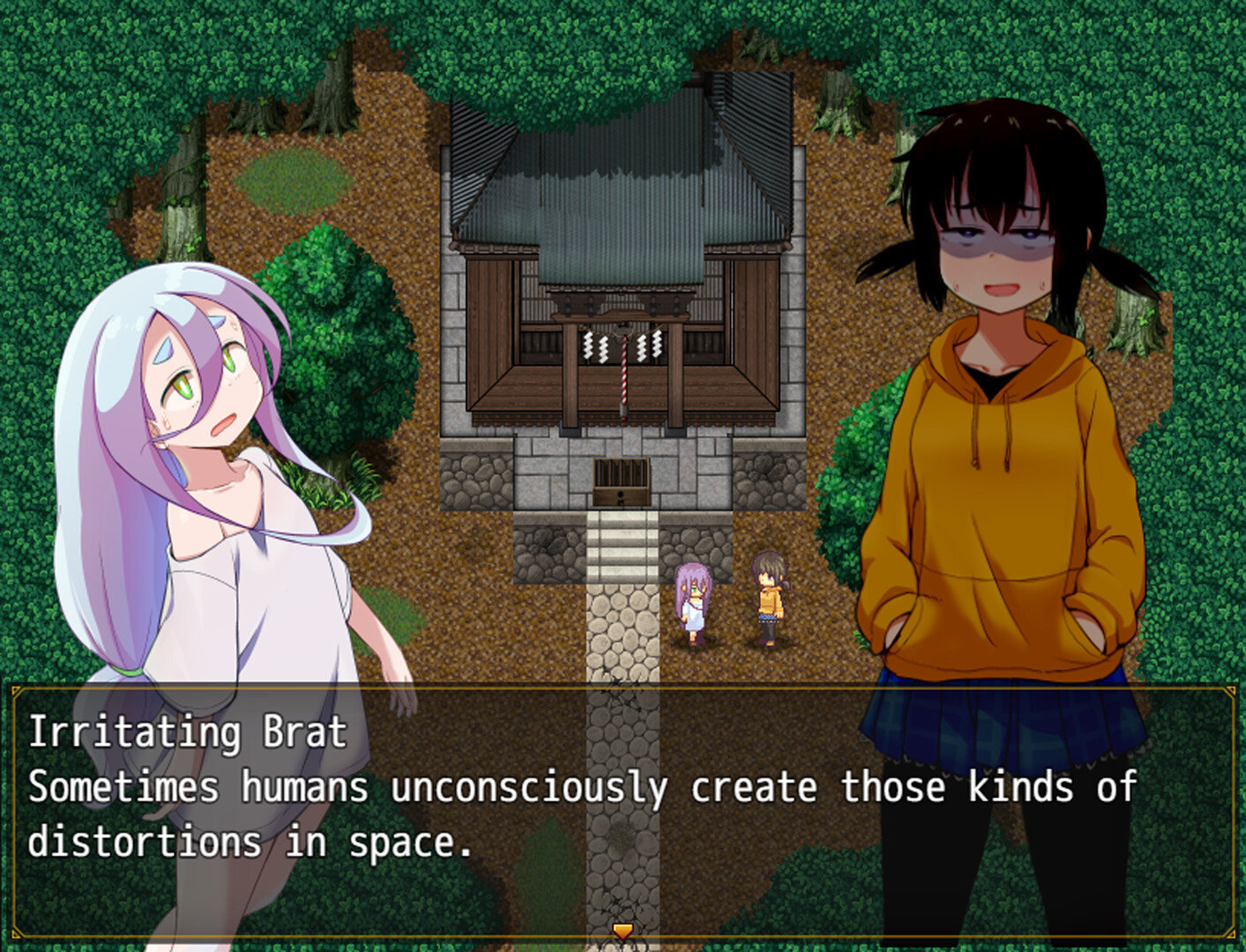
After certain events, the game presents a Flashback segment that lets you relive Kunugi’s memories. These moments provide narrative context and can influence how you perceive the current situation. The system is triggered by specific in‑game milestones.
Flashbacks do not alter gameplay mechanics directly, but they enrich the story and may hint at future choices or hidden information relevant to your strategy.
- Pay attention to details in flashbacks; they often foreshadow upcoming challenges.
- Use flashbacks as a mental checkpoint to reassess your current approach.
04 / THE GUIDE
Dialogue Options and Outcomes
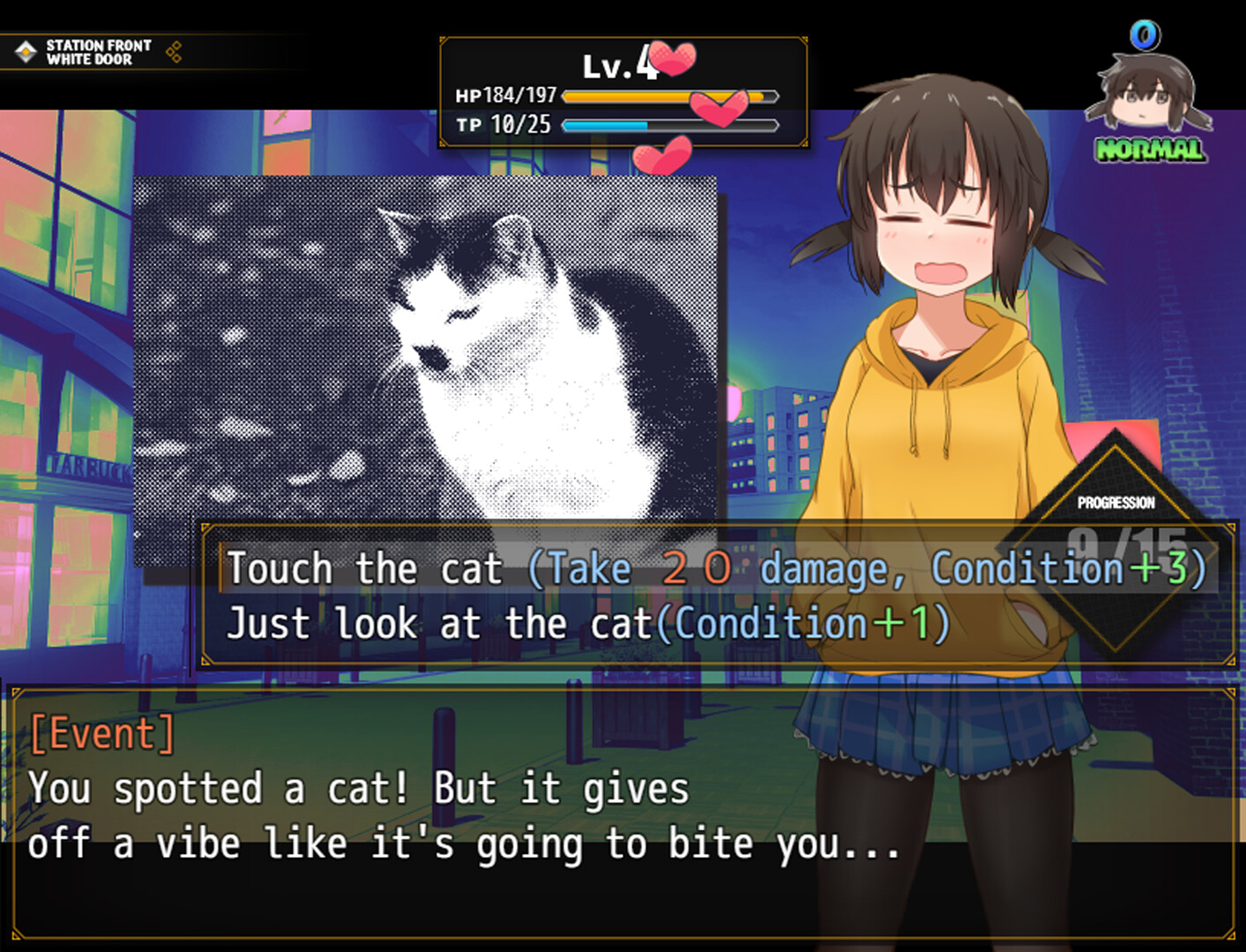
During conversations, you can select from multiple dialogue options. Each choice can grant a buff, impose a debuff, award a new item, or even trigger a level‑up. The outcomes are not predetermined, encouraging careful consideration of each line.
These branching dialogues add a layer of strategic planning beyond combat, as the right choice can significantly affect your resources and survivability within the same run.
- Weigh potential benefits against possible drawbacks before confirming a dialogue choice.
- Experiment with different options in separate runs to discover all possible rewards.
05 / THE GUIDE
Rerunning Dungeons for Resources
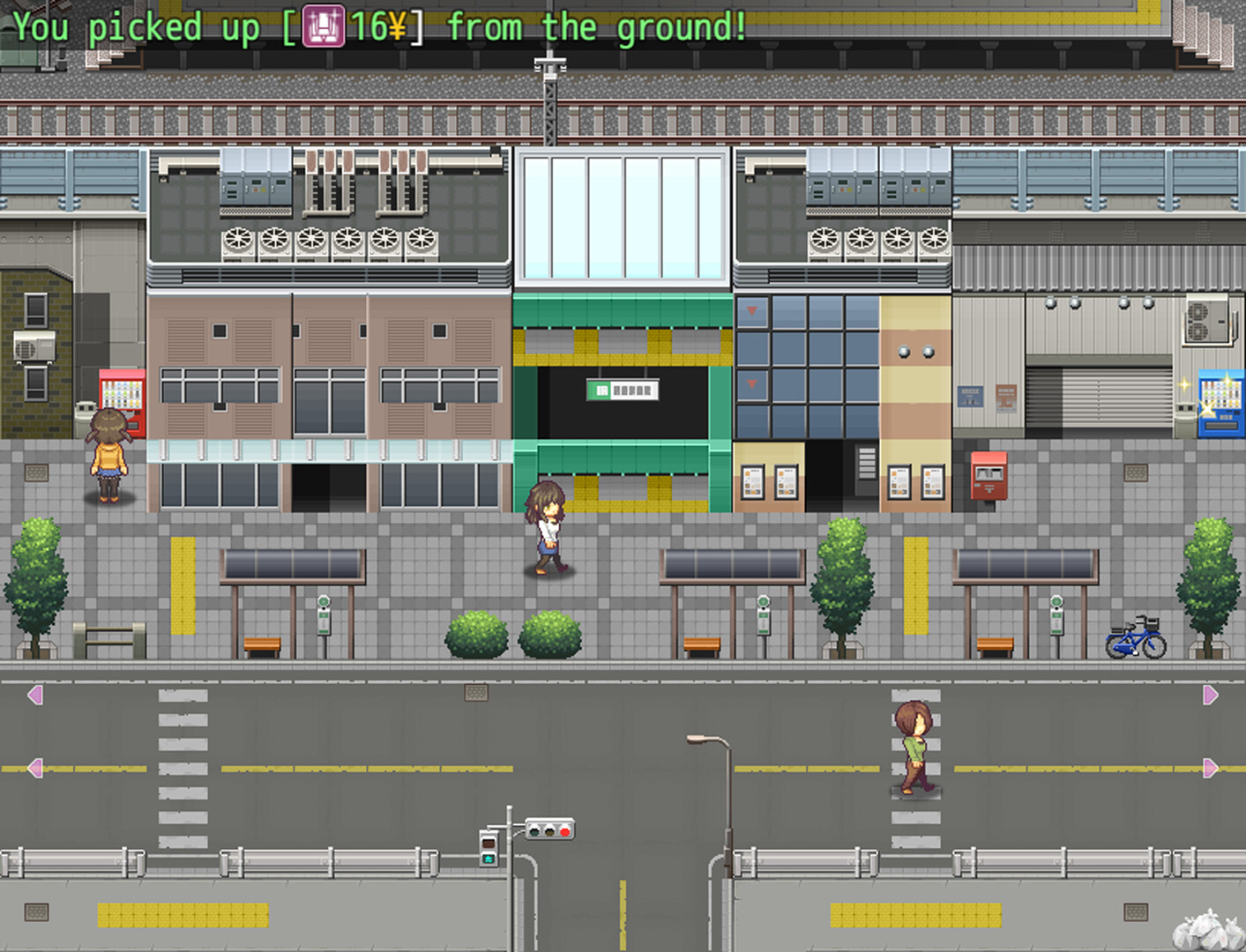
If you need additional money or items, the game allows you to rerun a previously completed dungeon. This mechanic lets you farm resources without starting a brand‑new run, offering a way to bolster your inventory before tackling tougher sections.
Reruns are optional and can be repeated as needed, providing flexibility in how you allocate time between grinding and progressing toward the boss.
- Target dungeons with higher loot potential when planning a rerun.
- Balance reruns with fresh attempts to avoid stagnating on a single layout.
COMMUNITY
Player discussion