 GameWiki

GET YOUR BEARINGS
About Kings Call 2
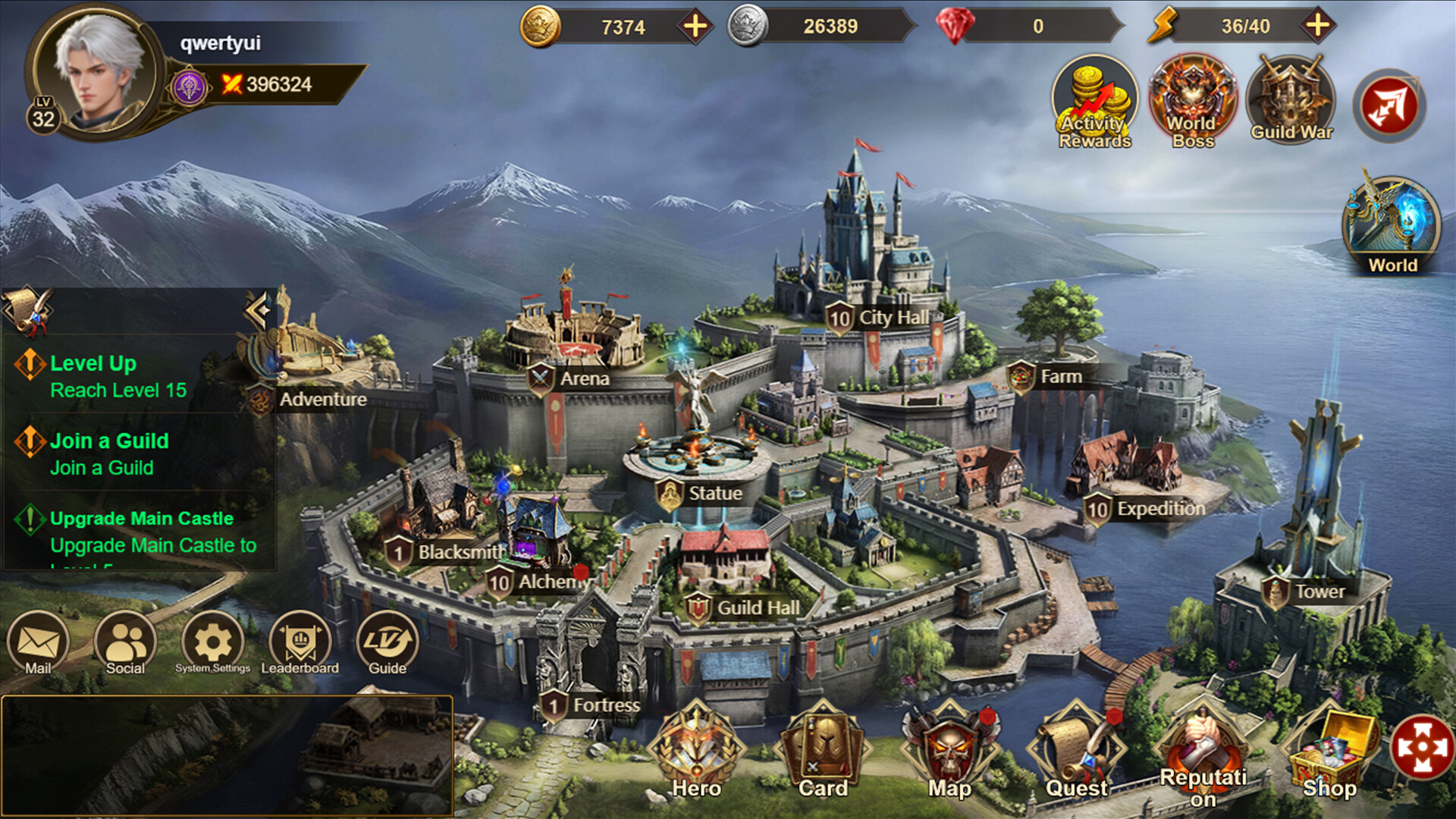
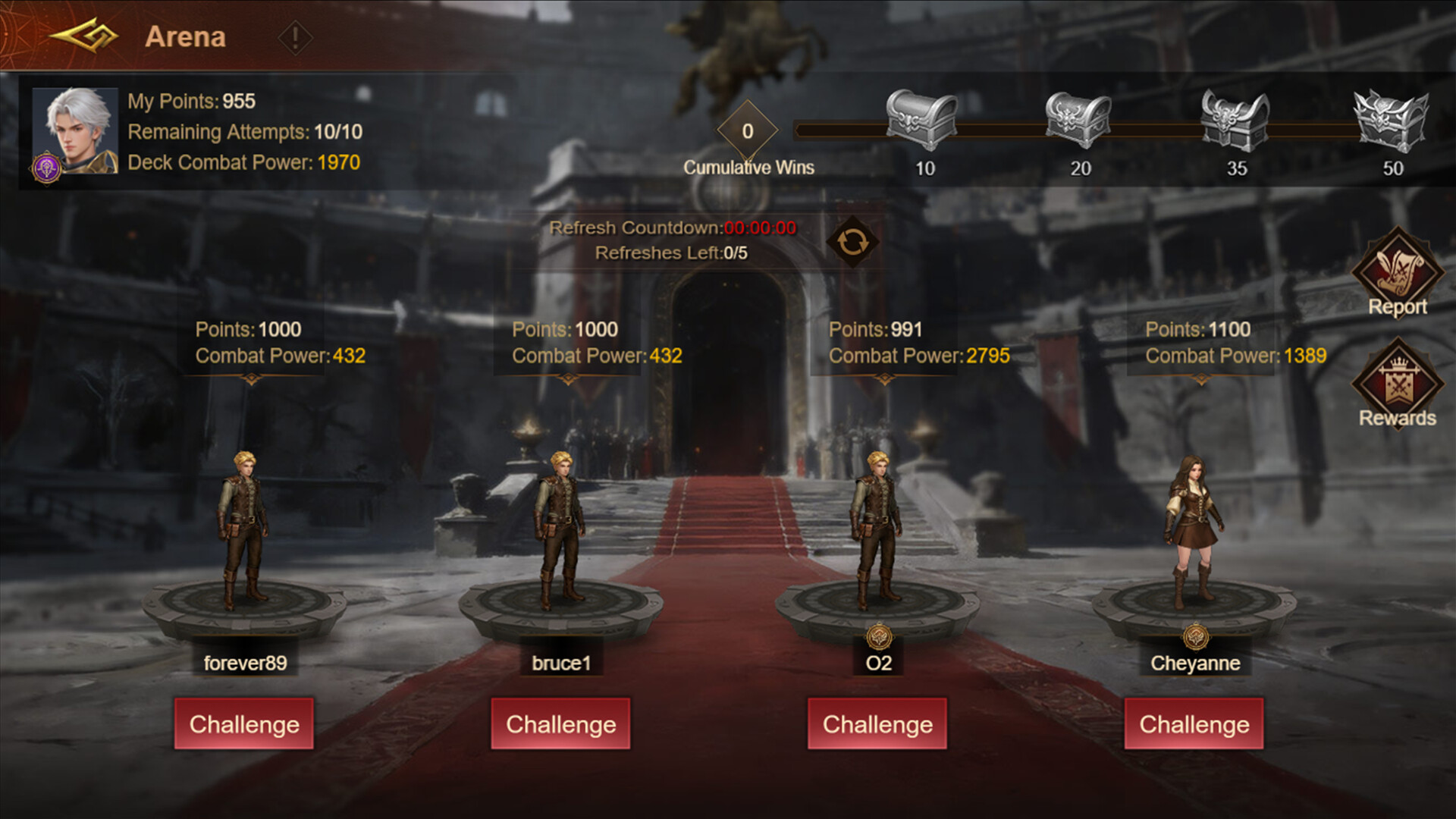
Kings Call 2 casts you as the Lord of Silver Heron Ridge, where you collect and play cards to summon creatures, cast spells, and defeat monsters across several regions. The game mixes deck‑building, tactical combat, and both solo and multiplayer modes, letting you protect your kingdom while trading cards with other players.
Matches are fast‑paced and support PvP and co‑op play. You can freely construct decks from Soldier and Skill cards, trade without restriction, and choose one of four classes that shape your strategic options.
01 / THE GUIDE
Deck Building
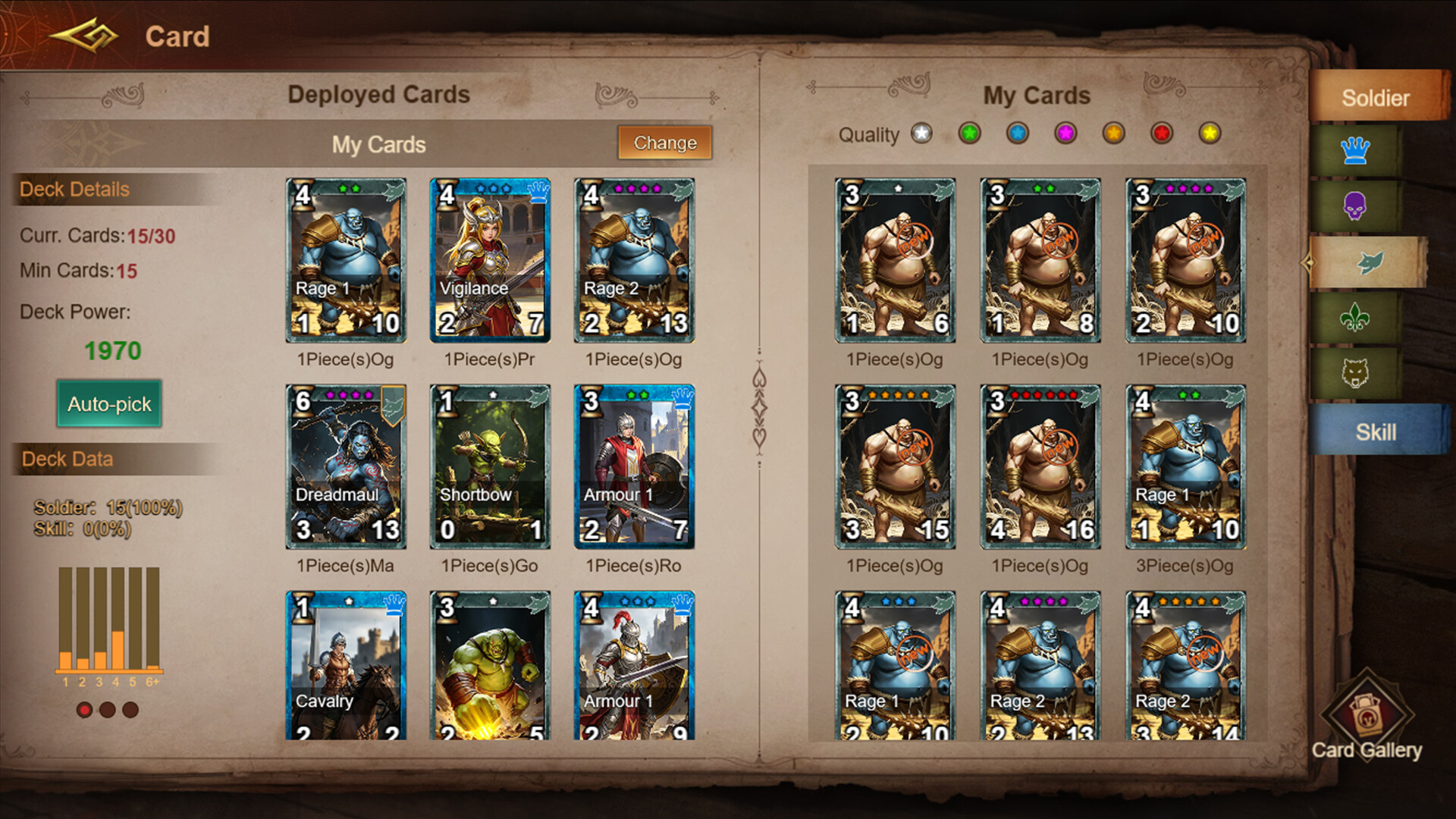
A deck is formed by mixing Soldier Cards and Skill Cards in any combination. The deck must contain at least 15 cards and no more than 30, and you may include up to three copies of the same card.
If the deck size falls below the minimum, the game prevents you from entering battle, ensuring every match starts with a viable collection of cards for strategic use.
- Track the three‑copy limit while assembling decks to avoid invalidation.
- Aim for a balance of Soldier and Skill cards to keep options open during combat.
02 / THE GUIDE
Card Quality System
Cards are classified by quality levels: White, Green, Blue, Purple, Orange, Red, and Gold. Higher quality indicates stronger overall value, better basic attributes, and more intense skills.
Knowing the hierarchy helps you prioritize which cards to acquire, trade, or include in decks for maximum impact during battles.
- Target higher‑quality cards when trading to improve deck power.
- Use the quality list to compare potential upgrades before adding a card.
03 / THE GUIDE
Soldier Card Rules
Soldier Cards come in Regular and Elite types. Only one Elite Soldier Card may exist on the field at a time and cannot be placed repeatedly, while Regular cards have no quantity limit.
Each Soldier Card has Attack, Health, Readiness Value, Range, and Movement Speed (default 2). A card can be placed only after its Readiness Value reaches zero, and up to five skills may be equipped.
- Plan Elite placement carefully, as its singular presence can shift board control.
- Watch Readiness Values to time deployments for optimal effect.
04 / THE GUIDE
Battle Layout
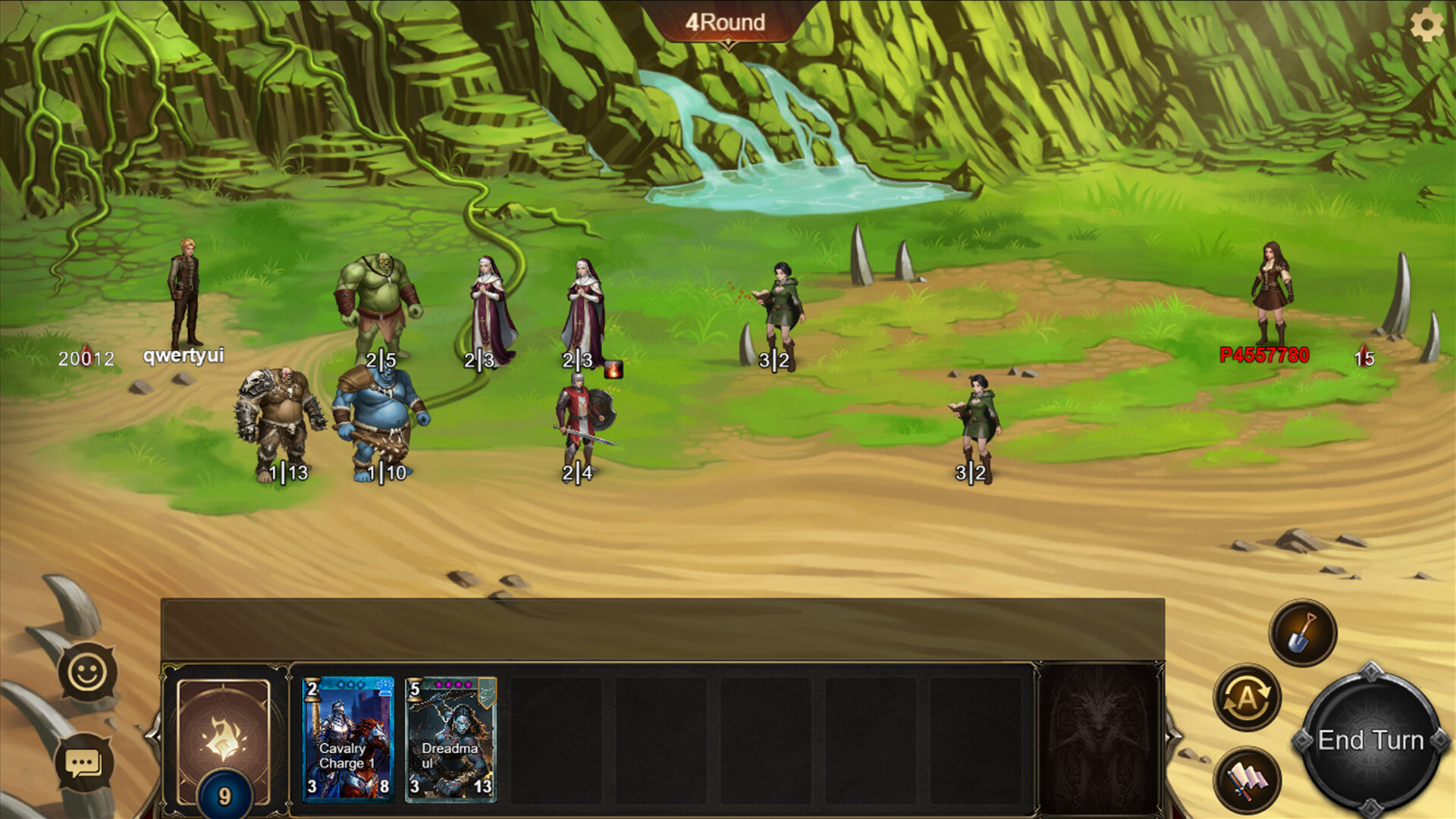
At the start of a battle, the player and the opponent face each other with ten cells separating them for attacks and defenses. This distance defines the basic engagement range.
When placing a card, it must be positioned within three cells in front of the player's character, never farther than that distance, shaping early positioning decisions.
- Use the three‑cell limit to control board space early in the match.
- Keep the ten‑cell gap in mind to gauge when cards can reach the enemy.
05 / THE GUIDE
Class Overview
Four classes define the thematic focus of Skill Cards: Mage emphasizes area damage and enemy control; Priest provides healing and defensive spells; Ranger delivers direct hero damage and card‑control threats; Warrior boosts allies' offense while also dealing direct damage.
Choosing a class determines which Skill Cards you can use, guiding the overall tactical approach of your deck and influencing how you interact with opponents.
- Match your class choice with the type of damage or support you prefer.
- Combine class‑specific Skill Cards to reinforce your chosen strategy.
COMMUNITY
Player discussion