 GameWiki

GET YOUR BEARINGS
About Kingdoms Reborn
Kingdoms Reborn is a city‑building simulation set on a procedurally‑generated world map. Players start with a medieval hamlet and advance through four eras—Dark Age, Middle Age, Enlightenment Age, and Industrial Age—unlocking new buildings, technologies, and bonuses as the population grows.
The title supports single‑player and real‑time multiplayer for up to 18 friends. Players can cooperate to build a shared kingdom or compete to see whose civilization reaches the highest level first, while five distinct cultures and six biomes add visual and strategic variety.
01 / THE GUIDE
Procedural World and Biomes
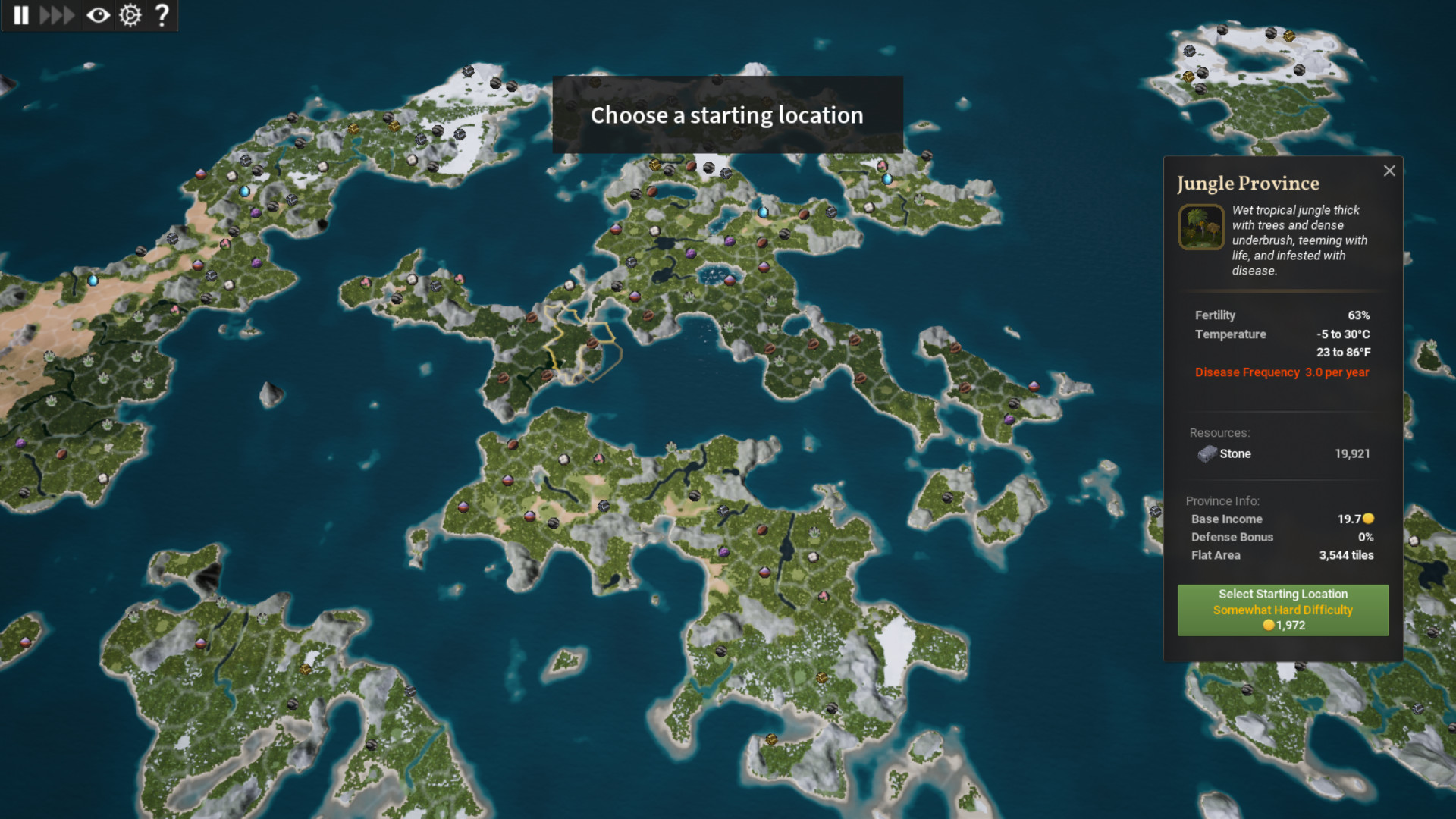
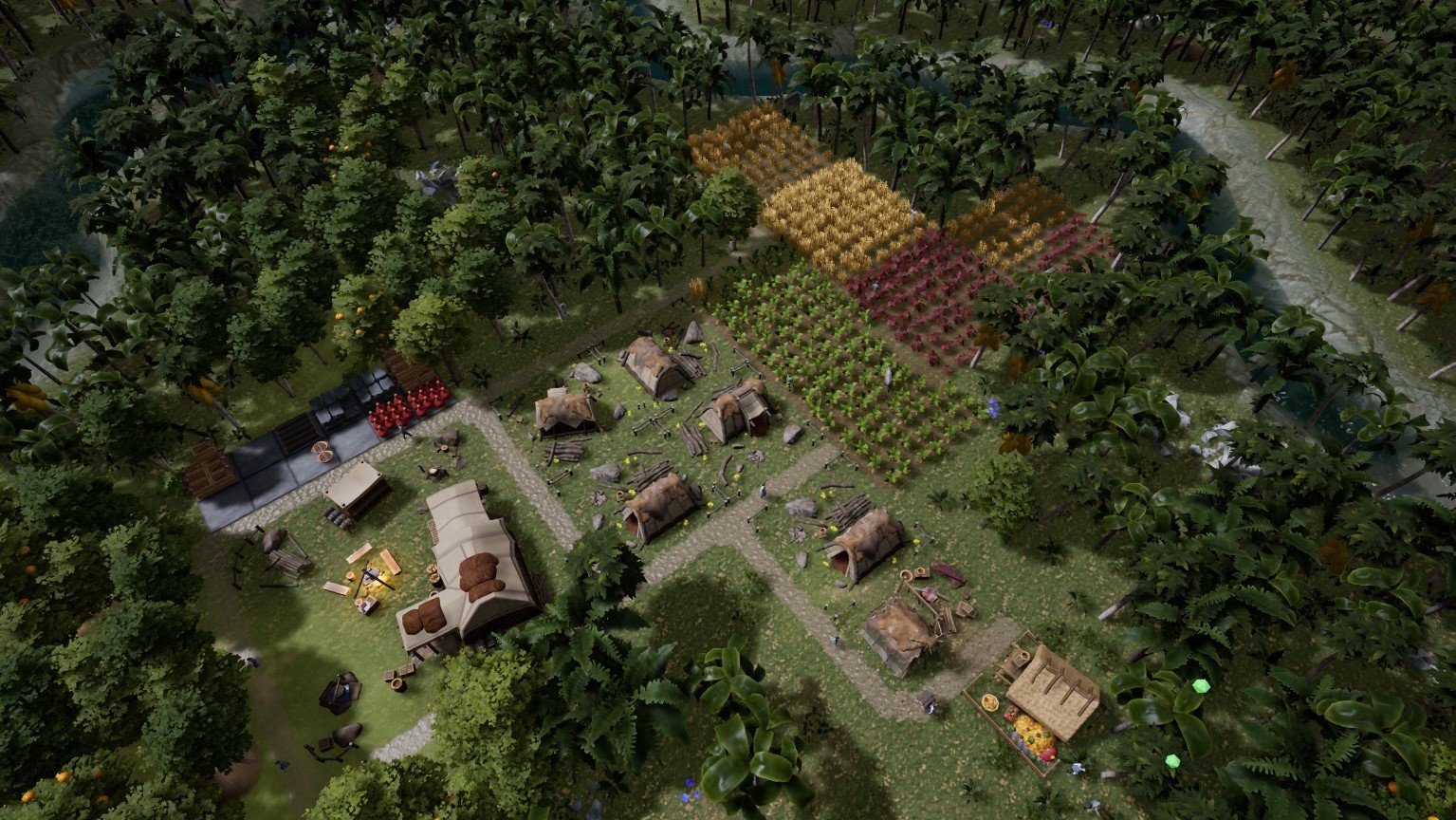
At launch the map is generated procedurally, placing each kingdom in one of six biomes: Forest, Jungle, Desert, Savanna, Boreal Forest, or Tundra. The biome determines the initial terrain features and resource distribution that players must work with.
Because the biome is fixed for a given game, strategic decisions—such as where to locate farms or mines—must adapt to the specific challenges and opportunities each environment presents.
- Survey the starting biome’s terrain before committing large building projects.
- Observe how population growth trends differ across biomes to choose a comfortable launch point.
02 / THE GUIDE
Era Progression
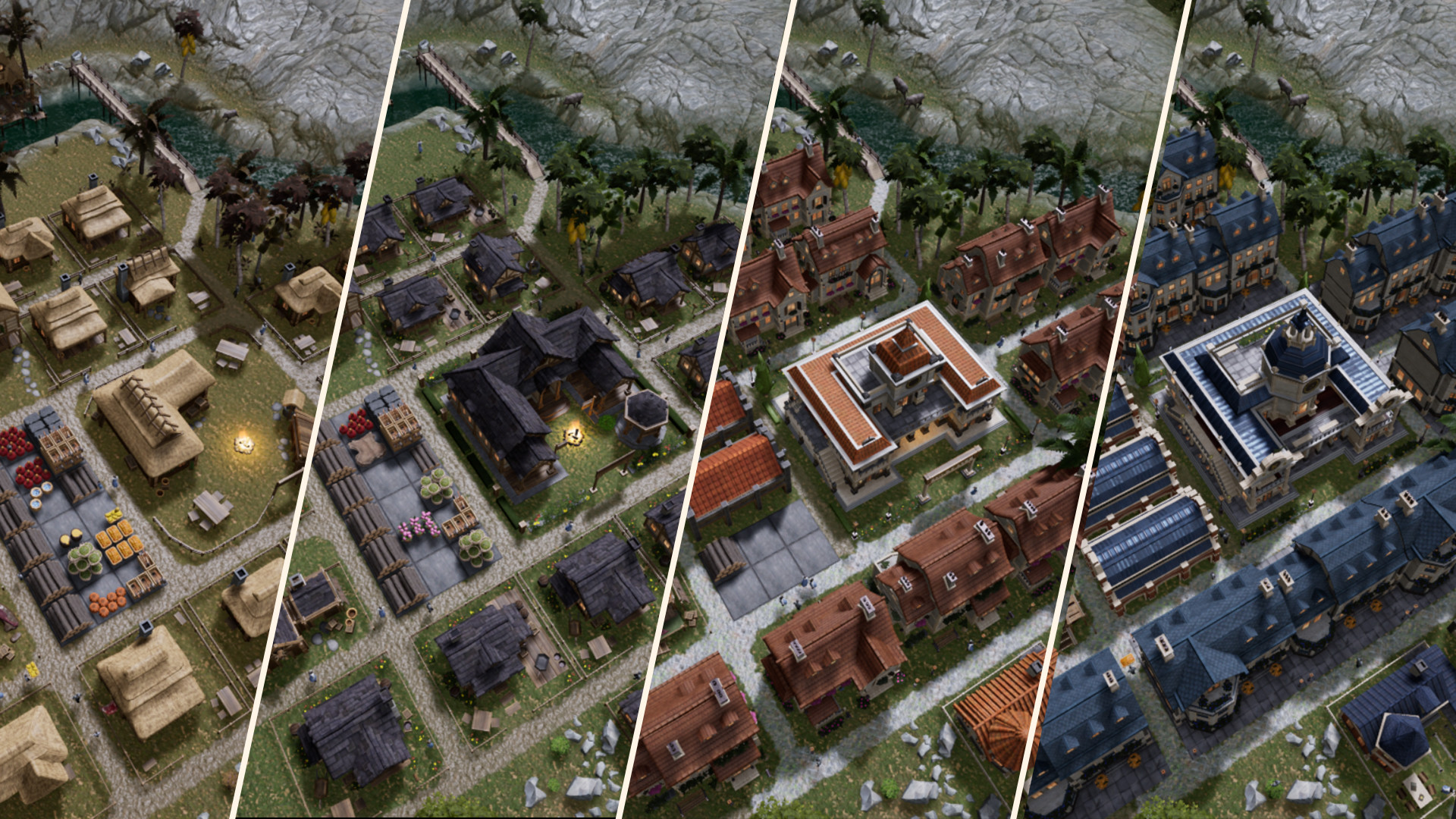
Kingdoms Reborn guides players through four historical eras—Dark Age, Middle Age, Enlightenment Age, and Industrial Age. Entering a new era unlocks a set of era‑specific buildings, bonuses, and research options.
Researching technologies is the primary way to move forward; each technology can open new structures or improve existing ones, allowing the kingdom to expand its capabilities within the current era.
- Prioritize research that unlocks buildings suited to your biome’s strengths.
- Balance population growth with technology investment to avoid stagnation.
03 / THE GUIDE
Multiplayer Modes
The game supports real‑time multiplayer for up to 18 players. Sessions can be cooperative, where friends build a shared kingdom together, or competitive, where each player strives to create the most advanced civilization.
Both modes occur online, and friends can join each other's games to blend visions or test strategic prowess against one another.
- In co‑op, assign each player a focus such as research, expansion, or policy cards.
- In competitive play, monitor opponents’ era advancement to gauge pacing.
04 / THE GUIDE
Cultural Factions
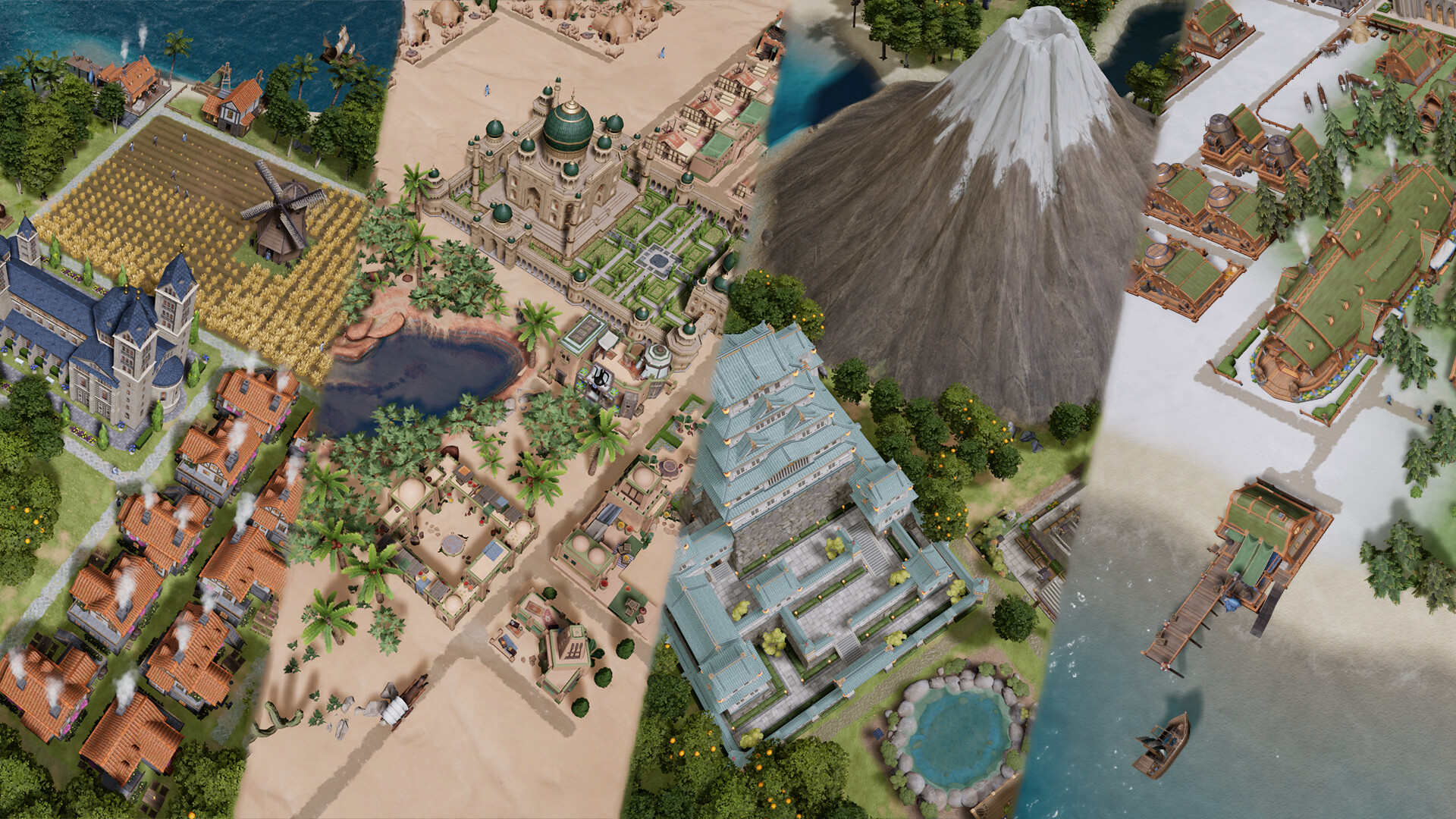
Five cultures are available at launch: Duchies, Emirates, Norsemen, Shogunate, and Tlatoa. Each culture provides a unique art style that distinguishes the visual presentation of buildings and terrain.
Each culture offers a unique art and gameplay experience, so the distinct visual themes can influence how players perceive city layout and may affect personal aesthetic preference.
- Try each culture in a short session to see which visual theme you prefer.
- Notice any subtle differences in building silhouettes that might affect placement decisions.
05 / THE GUIDE
Card System
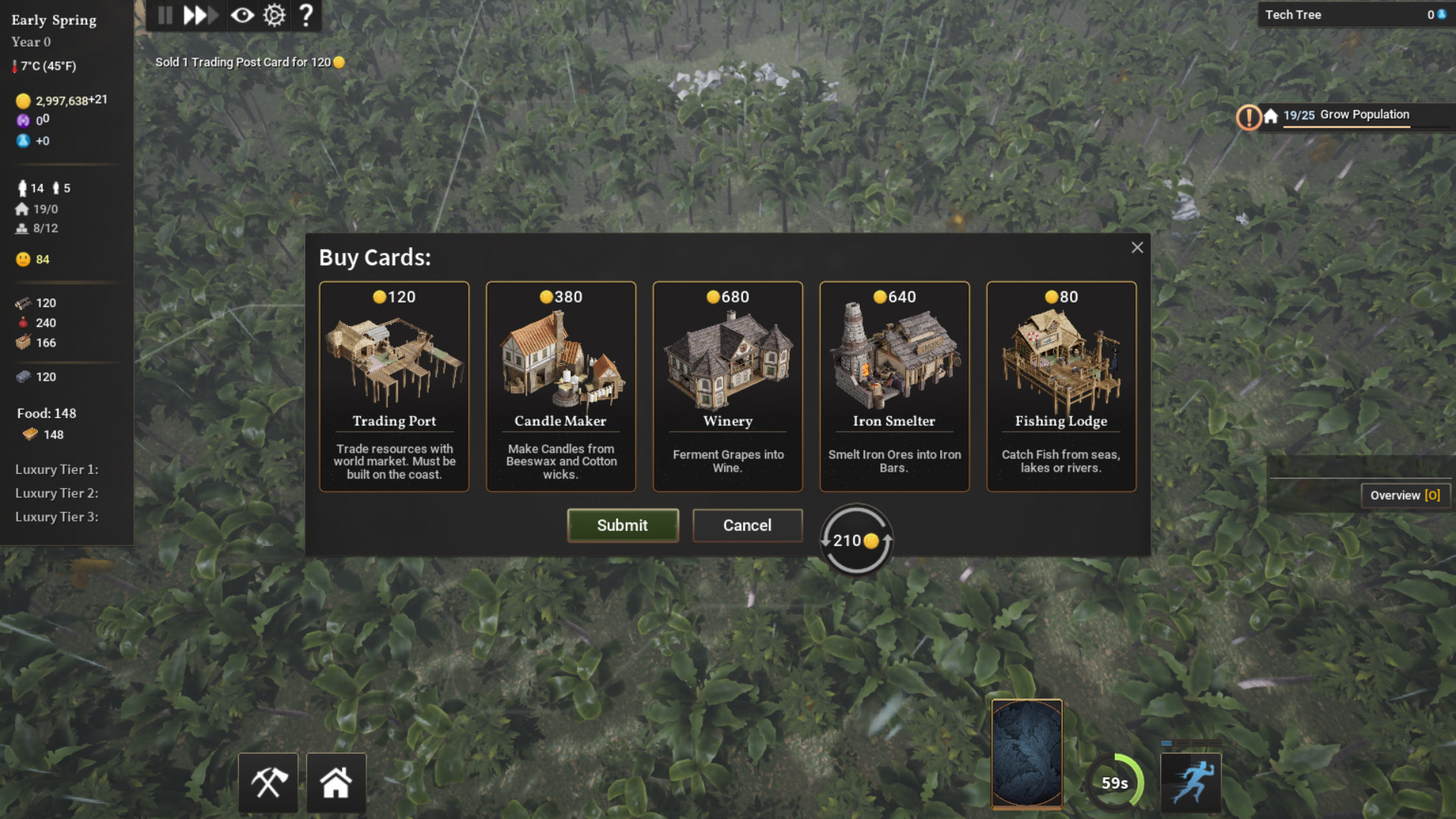
Players draw cards representing buildings, actions, policies, and bonuses. The hand is refreshed each draw, providing a new set of choices for expanding and upgrading the kingdom.
This mechanic introduces variability, ensuring that strategic decisions differ from one game to the next and that players must evaluate each hand before committing.
- Review the entire hand before playing a card to maximize its impact.
- Balance policy cards with building cards to maintain steady growth.
COMMUNITY
Player discussion