 GameWiki

GET YOUR BEARINGS
About Kingdom Come: Deliverance II
Kingdom Come: Deliverance II follows Henry through a story-driven medieval RPG in which conversation, reputation, practical skills, equipment, and combat all affect the journey. The world does not treat every problem as a fair duel or every newly acquired item as an immediate upgrade. Learning where to rest, train, repair equipment, and find local information builds a more useful foundation than carrying the most expensive-looking loot.
This wiki gives a spoiler-light preparation framework for the opening and middle of an ordinary playthrough. It avoids prescribing one quest outcome or claiming that a particular build makes every encounter easy. Use the game's tutorials, item descriptions, and journal alongside the linked developer advice, especially when an objective or mechanic differs from an older video.
01 / THE GUIDE
Prepare Henry before a long trip
Check health, food, rest, equipment condition, and carrying load before leaving a settlement. A journey becomes harder when the character reaches a dangerous encounter already depleted or burdened by items with no planned use. Identify a place to return, sell appropriate goods, and obtain the supplies the actual destination requires.
Plan saving as part of preparation. Read the current game's supported save options and recognize which situations create a dependable checkpoint before starting a long or uncertain sequence. Do not assume a distant quest marker guarantees an automatic save immediately before every decision. A planned stopping point also makes it easier to resume the story after time away.
- Restock for the destination rather than for every possible task.
- Inspect gear condition and carried weight before travel.
- Know your available saving method before a risky sequence.
02 / THE GUIDE
Learn defense and weapon rhythm through training
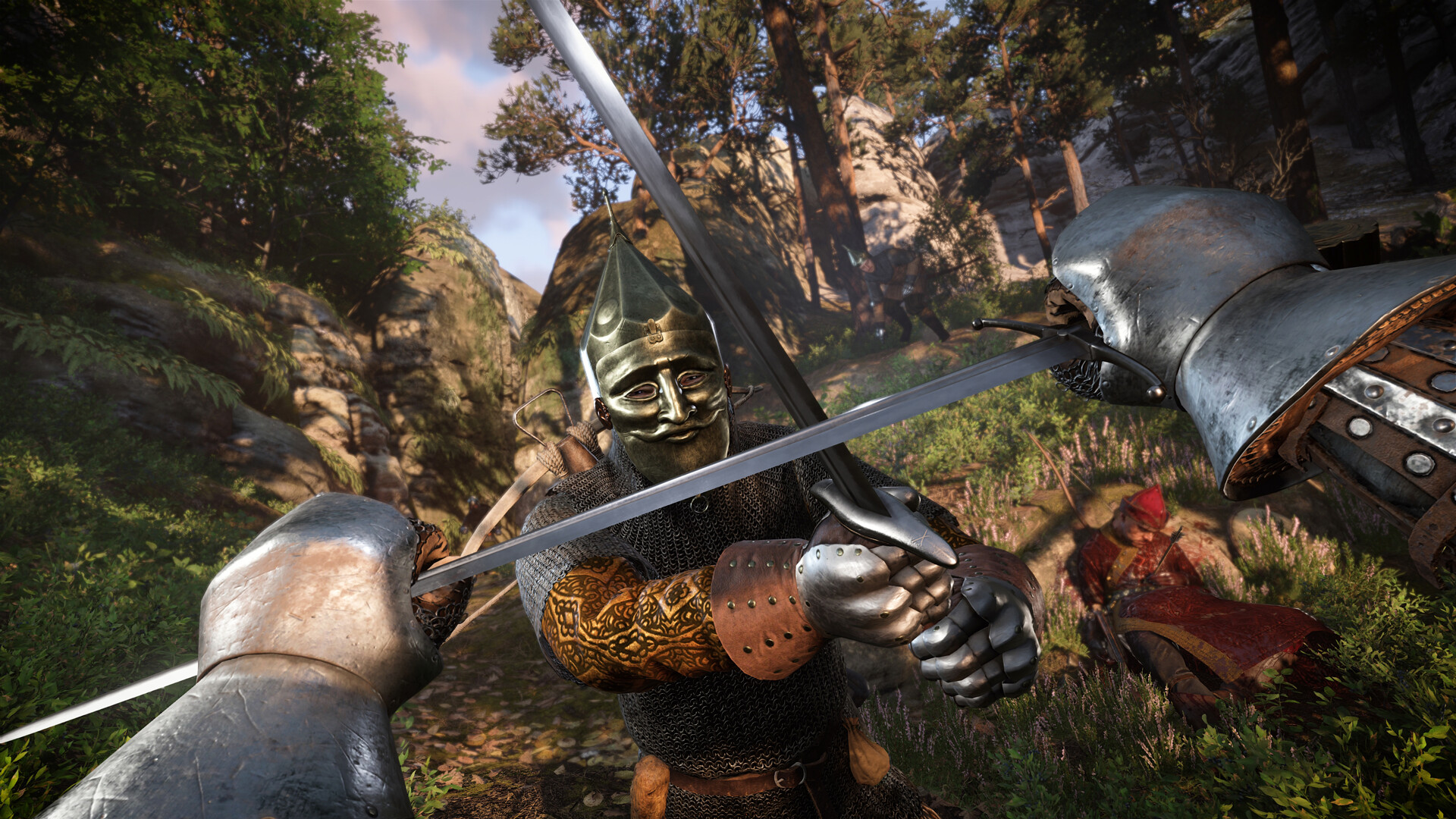
Seek a trainer and practice the timing and reach of the weapon you intend to use. Warhorse's official tips specifically recommend finding Master Tomcat in the Trosecko area for early combat instruction. Controlled practice lets you distinguish a missed defensive input from a problem caused by being surrounded or choosing the wrong moment to attack.
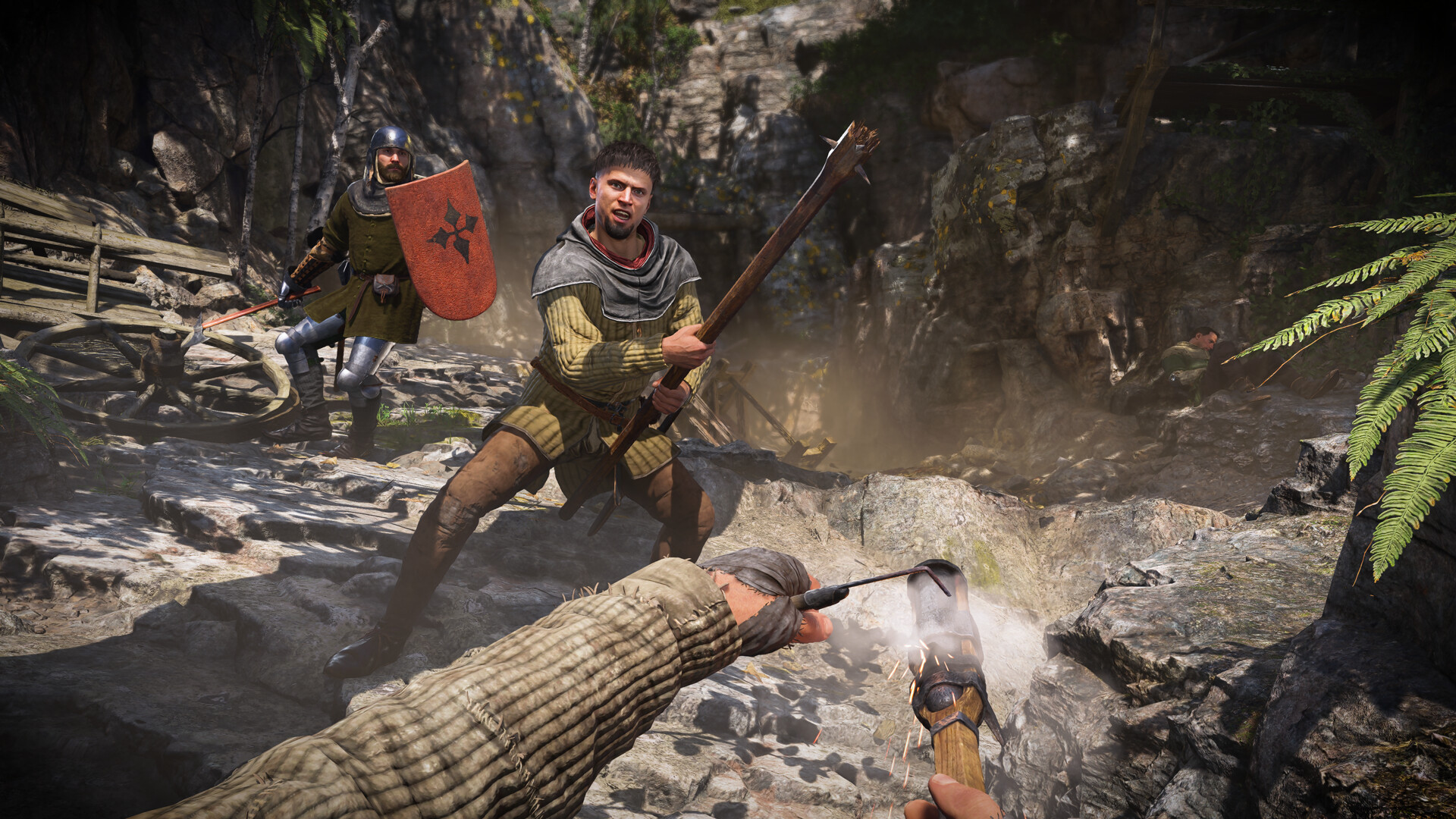
Keep stamina and position in mind during a real fight. A short reliable response is more useful than attempting a complicated sequence while opponents close from several directions. The developers recommend tactical retreat when the situation deteriorates; use that option to recover and revise equipment or supplies instead of insisting that every encounter must end in an immediate victory.
- Practice one defensive timing before adding a longer combination.
- Keep room to reposition when facing more than one opponent.
- Leave a failing encounter while a retreat remains possible.
03 / THE GUIDE
Treat appearance, behavior, and dialogue as connected choices
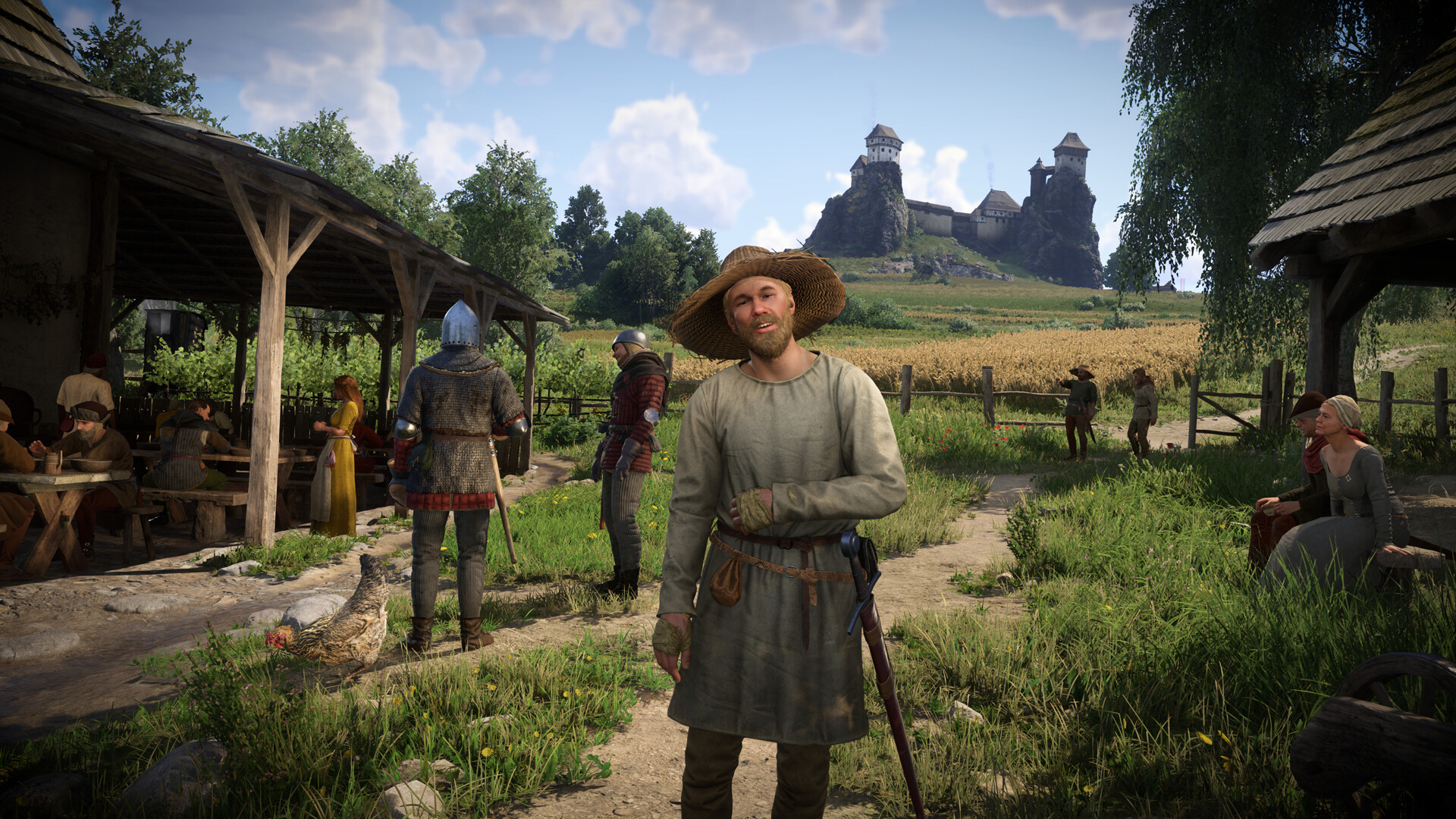
Read the available dialogue approach rather than assuming the same style persuades every person. Henry's skills and the way the world reacts to his actions make conversation part of the RPG's progression. Ask for local information and use the journal to distinguish what someone actually told you from what you inferred from a map marker.
Consider how an action affects the place where you still need to work, trade, or ask for help. An immediate gain from theft or aggression can complicate later interactions. Prepare an appropriate approach for the situation and pay attention when the game indicates suspicion, consequences, or a change in how others respond.
- Choose a dialogue approach that fits the person and situation.
- Check the journal after a conversation changes the objective.
- Consider later access to traders and helpers before an impulsive action.
04 / THE GUIDE
Maintain useful gear and learn practical crafts
Compare equipment by what Henry can use effectively and what the next encounter demands. A weapon with an impressive description may not solve unfamiliar timing or poor positioning. Keep the equipment you rely on maintained, and inspect repair or replacement options before setting out on a route where a damaged item would become a serious constraint.
Blacksmithing and alchemy provide practical activities alongside quests and combat. Read the relevant procedure and practice with an affordable goal rather than using rare materials while guessing at the steps. The developer guidance recommends preparation such as sharpening swords or stocking useful potions before retrying a difficult encounter. Choose a craft that supports the problem you are currently trying to solve.
- Inspect the weapon you actually use before buying another.
- Read a crafting procedure before committing valuable ingredients.
- Carry supplies that address the expected encounter.
05 / THE GUIDE
Follow quests without turning travel into an obligation spiral
Review the active journal entry before leaving and identify the next confirmed person, location, or item involved. Group nearby errands when their requirements fit, but do not load the route with so many unrelated objectives that you arrive exhausted or forget the original lead. Listen when dialogue suggests urgency and verify what the current objective asks you to do.
Inspect the approach to a dangerous location and consider whether conversation, another route, or returning better prepared makes more sense than immediate combat. After a successful encounter, take the items you can transport usefully instead of overloading Henry with everything available. End the session with a note about the next confirmed lead and any preparation needed before following it.
- Name the next confirmed quest step before traveling.
- Prepare a retreat or alternative approach to an uncertain encounter.
- Choose valuable, useful loot within a manageable load.
COMMUNITY
Player discussion