 GameWiki

GET YOUR BEARINGS
About Kerbal Space Program 2
Kerbal Space Program 2 rebuilds the celebrated space‑simulation from the ground up, preserving the core loop of designing rockets and exploring the Kerbol system while adding a suite of next‑generation tools. The game launches in Early Access, so new engines, parts, and fuel options appear gradually as updates roll out.
Beyond the original’s scope, the sequel introduces colonies that require resource gathering, and interstellar technologies that open travel to distant destinations such as Charr and Ovin. Development is handled by Intercept Games and the title currently supports Windows with single‑player and family‑sharing modes.
01 / THE GUIDE
Early Access Updates
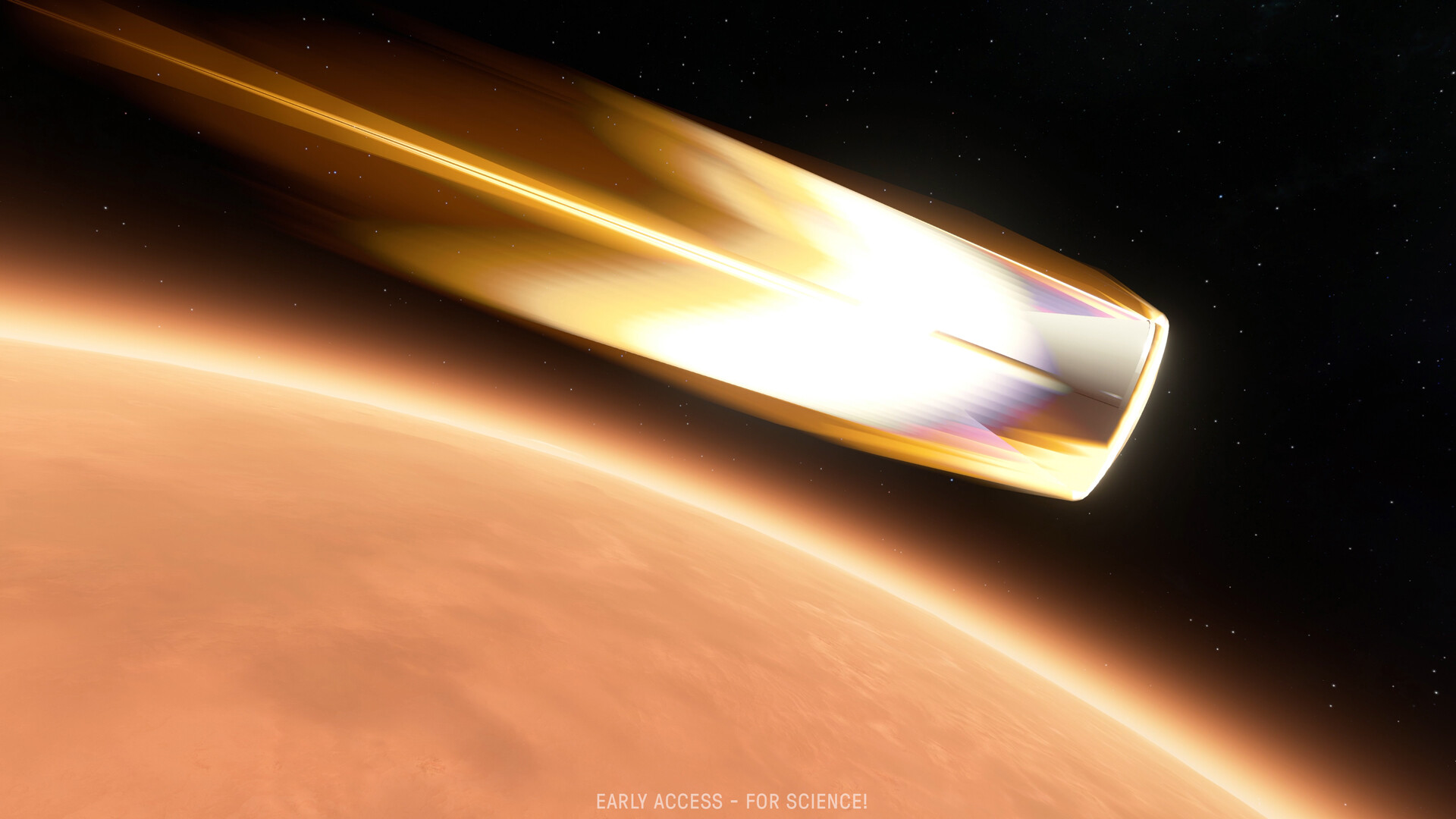
Kerbal Space Program 2 is released as Early Access, meaning the initial launch contains a core set of features that will expand over time. Each patch adds new tools, engines, parts, and fuel types, extending the range of puzzles players can solve.
Because the game evolves through updates, players can anticipate fresh content that builds on the existing foundation while retaining the original’s fundamental mechanics. The progression is documented as part of the Early Access roadmap.
- Check the official patch notes after each update to see which new parts have been added.
- Keep a simple log of engine performance changes to compare before and after each patch.
02 / THE GUIDE
Next‑Generation Technology
The sequel adds a set of next‑generation technologies, including novel engines, parts, and fuel options. These additions create new engineering puzzles and enable missions that were not possible in the original game.
These tools also lay the groundwork for more ambitious exploration within the Kerbol system, as players can combine the new components to achieve higher thrust, efficiency, or specialized functions.
- Compare thrust‑to‑weight ratios of new engines before committing them to a large design.
- Experiment with different fuel types to see how they affect burn duration.
03 / THE GUIDE
Colonies and Resource Gathering
Colonies are a brand‑new feature that introduce physics challenges and require players to gather resources in order to build structures, space stations, habitations, and unique fuel types. Construction depends on the availability of gathered materials.
As colonies develop, they become capable of vehicle construction, turning them into launch points for deeper missions. The progression from basic structures to fully functional bases is tied to resource management.
- Prioritize gathering resources needed for habitations early to speed colony growth.
- Arrange colony modules to keep resource nodes close to construction sites.
04 / THE GUIDE
Interstellar Travel
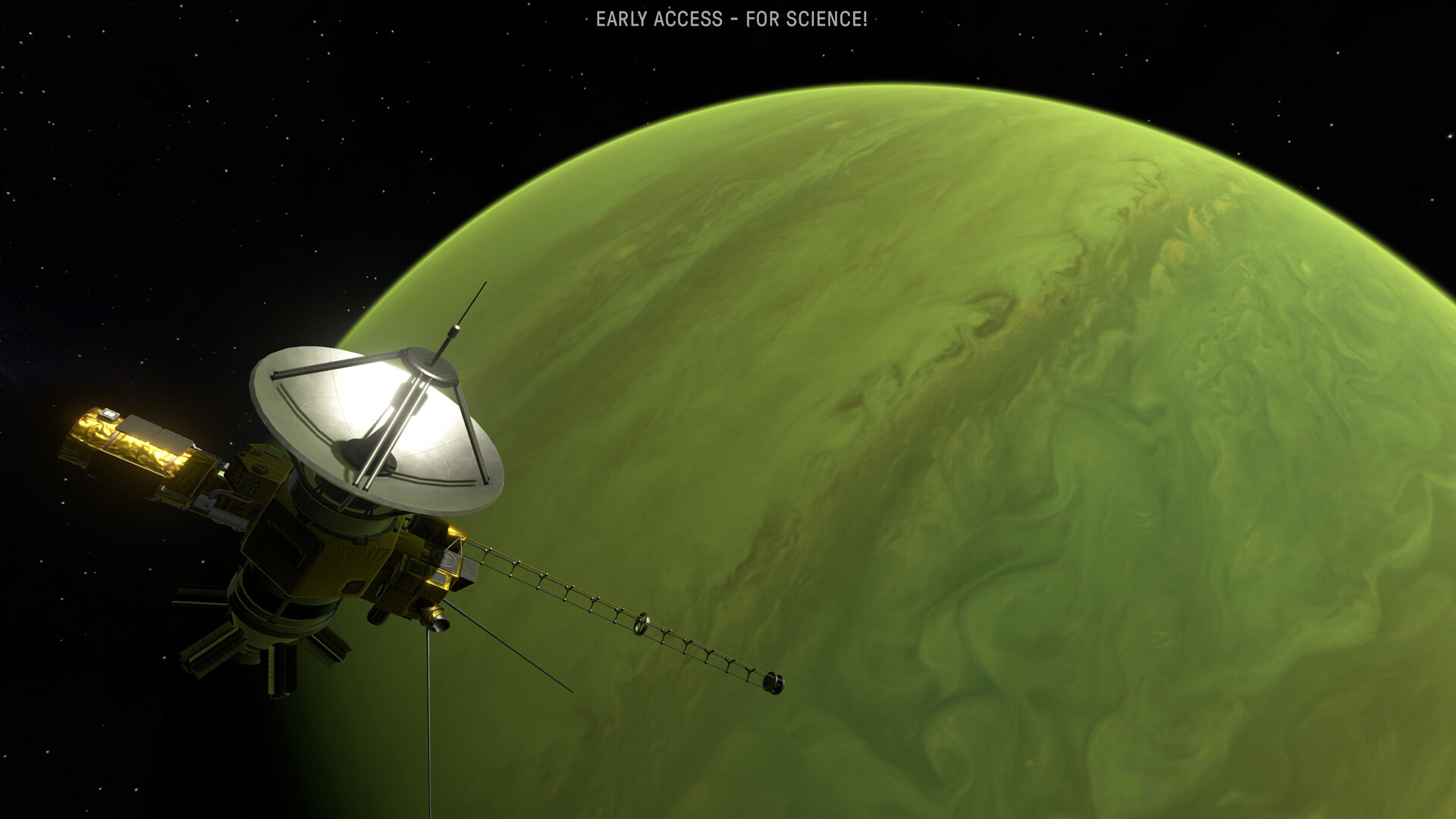
Interstellar technologies unlock travel to new star systems and celestial bodies, each presenting distinct gravity, atmosphere, or terrain challenges. Destinations such as Charr, Ovin, Rask, and Rusk are explicitly mentioned as part of this expansion.
These far‑flung locations reward exploration with hidden treasures, encouraging players to design spacecraft capable of reaching and surviving the novel environments.
- Study the gravity and atmospheric data of each new world before launching a mission.
- Use colony‑produced fuel types to extend range for interstellar journeys.
05 / THE GUIDE
Future Multiplayer and Modding
The developers state that upcoming updates will build on the original game’s modding capabilities and will add a multiplayer mode, allowing players to share deep‑space challenges together. This information is presented as a future addition, not a currently available feature.
When released, multiplayer is expected to expand replayability and creative possibilities, with modding capabilities also set to continue from the original game. Until then, the game remains a single‑player experience.
- Explore existing mods to see how they enhance single‑player gameplay.
- Stay informed about official announcements for the multiplayer release timeline.
COMMUNITY
Player discussion