 GameWiki

GET YOUR BEARINGS
About KAMI
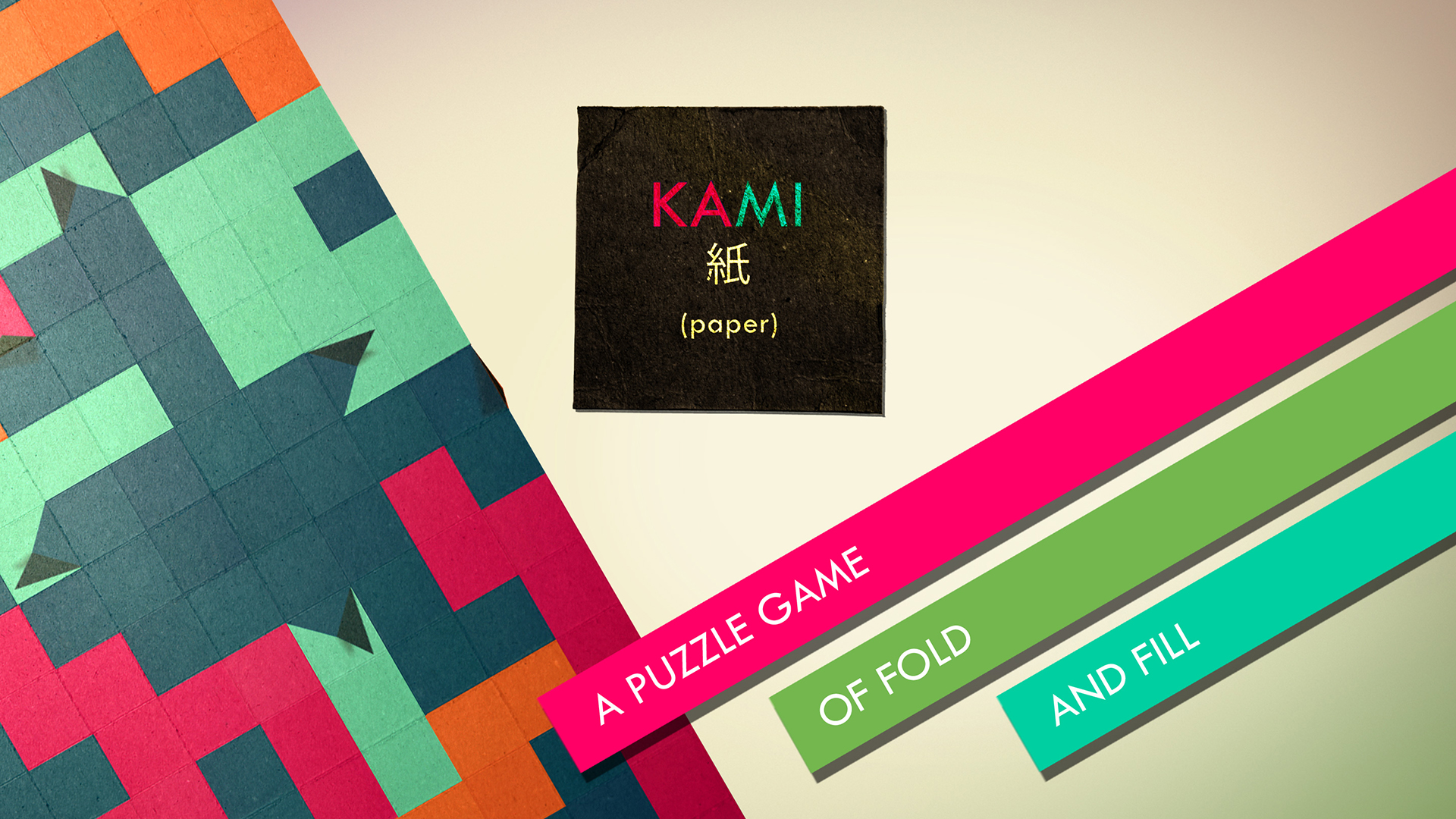
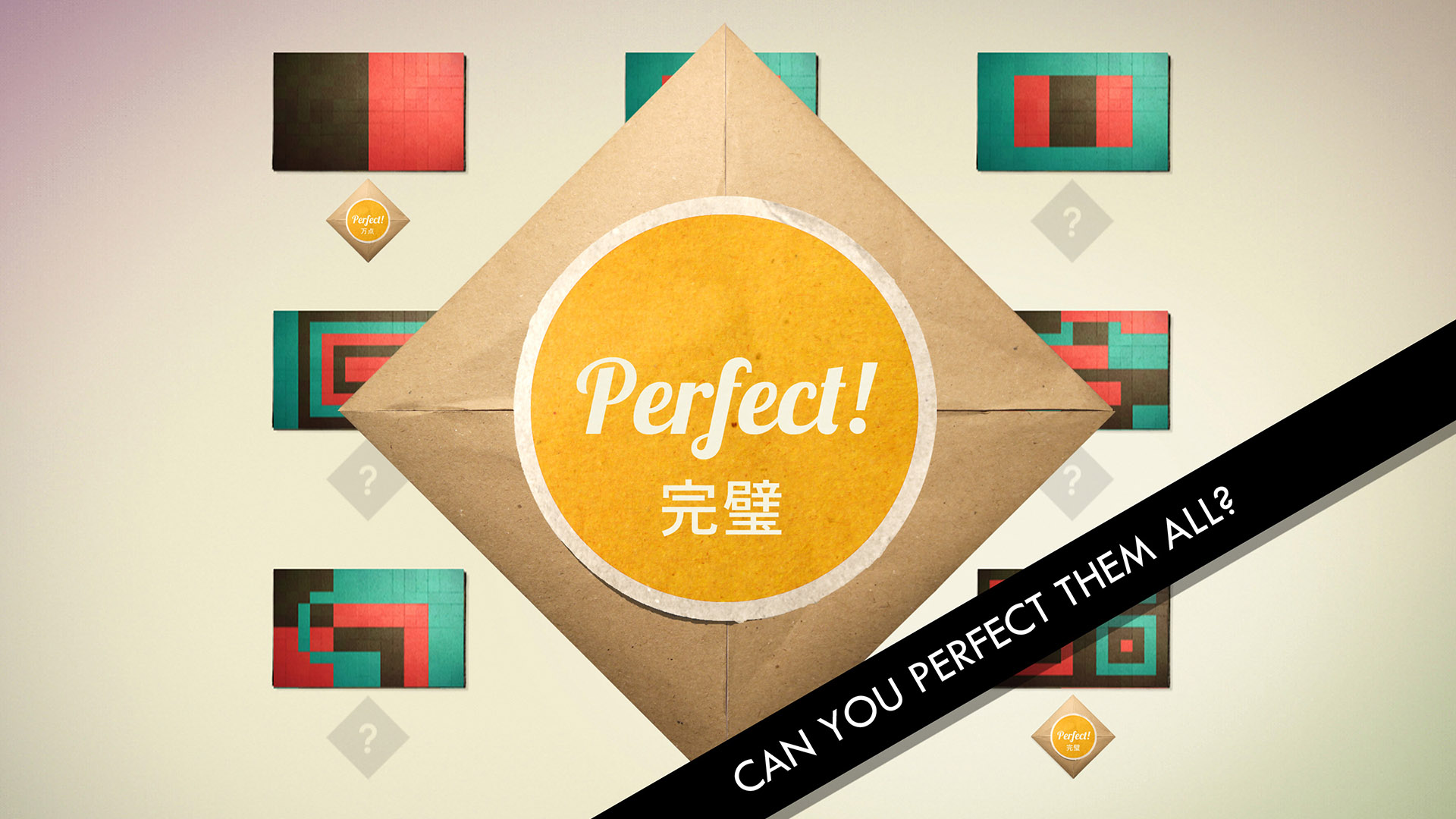
KAMI is a minimalist puzzle game where players fold coloured paper to cover the screen using the fewest moves possible. Its simple premise encourages calm concentration while challenging players to perfect each solution. The game showcases a handcrafted Japanese aesthetic, using real‑paper textures and a soothing soundtrack to create an elegant visual and auditory experience. Developed by State of Play, KAMI offers 63 distinct puzzles and includes premium puzzles and hints, all available in a single‑player package with Family Sharing support.
01 / THE GUIDE
Core Mechanics
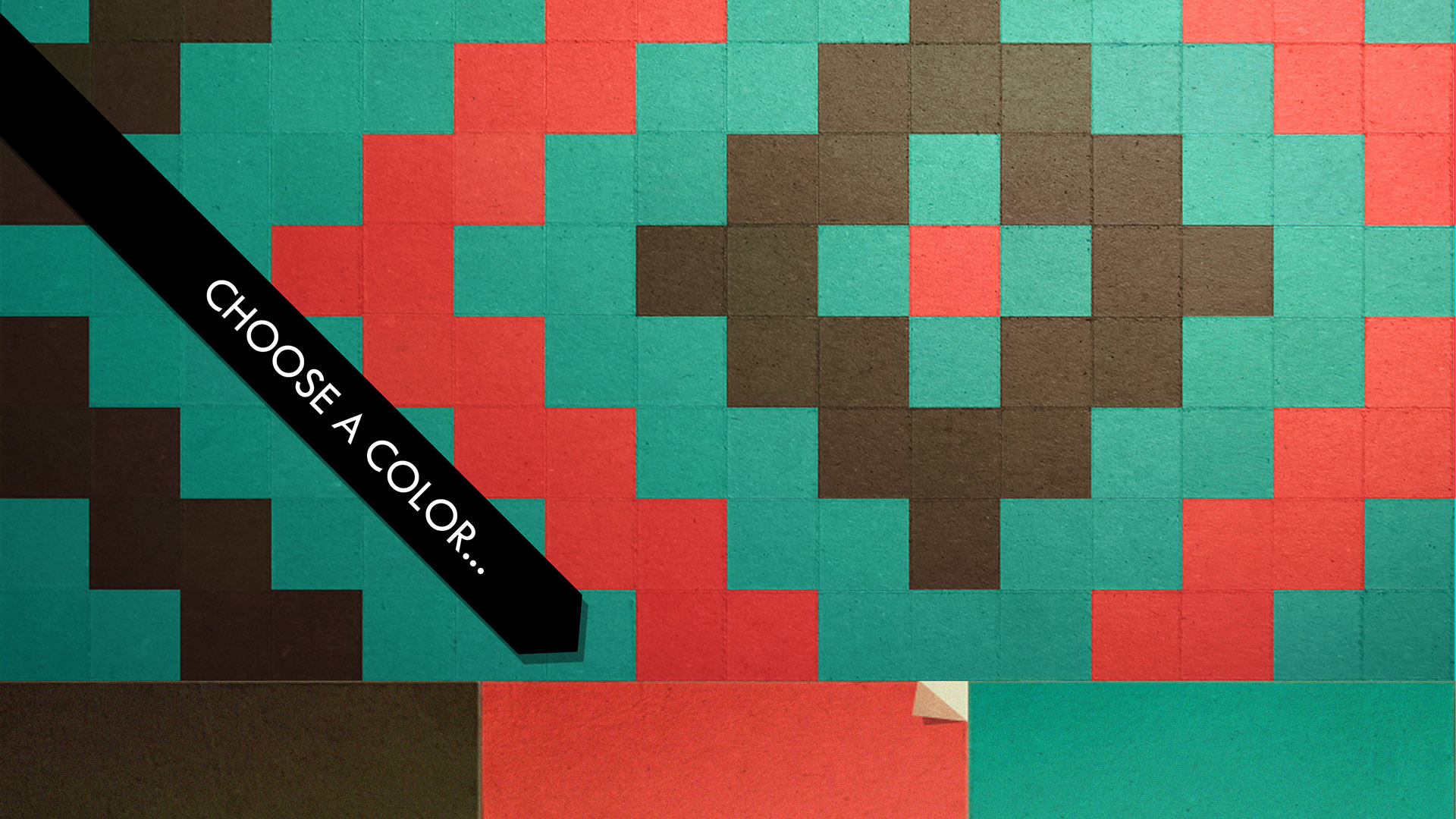
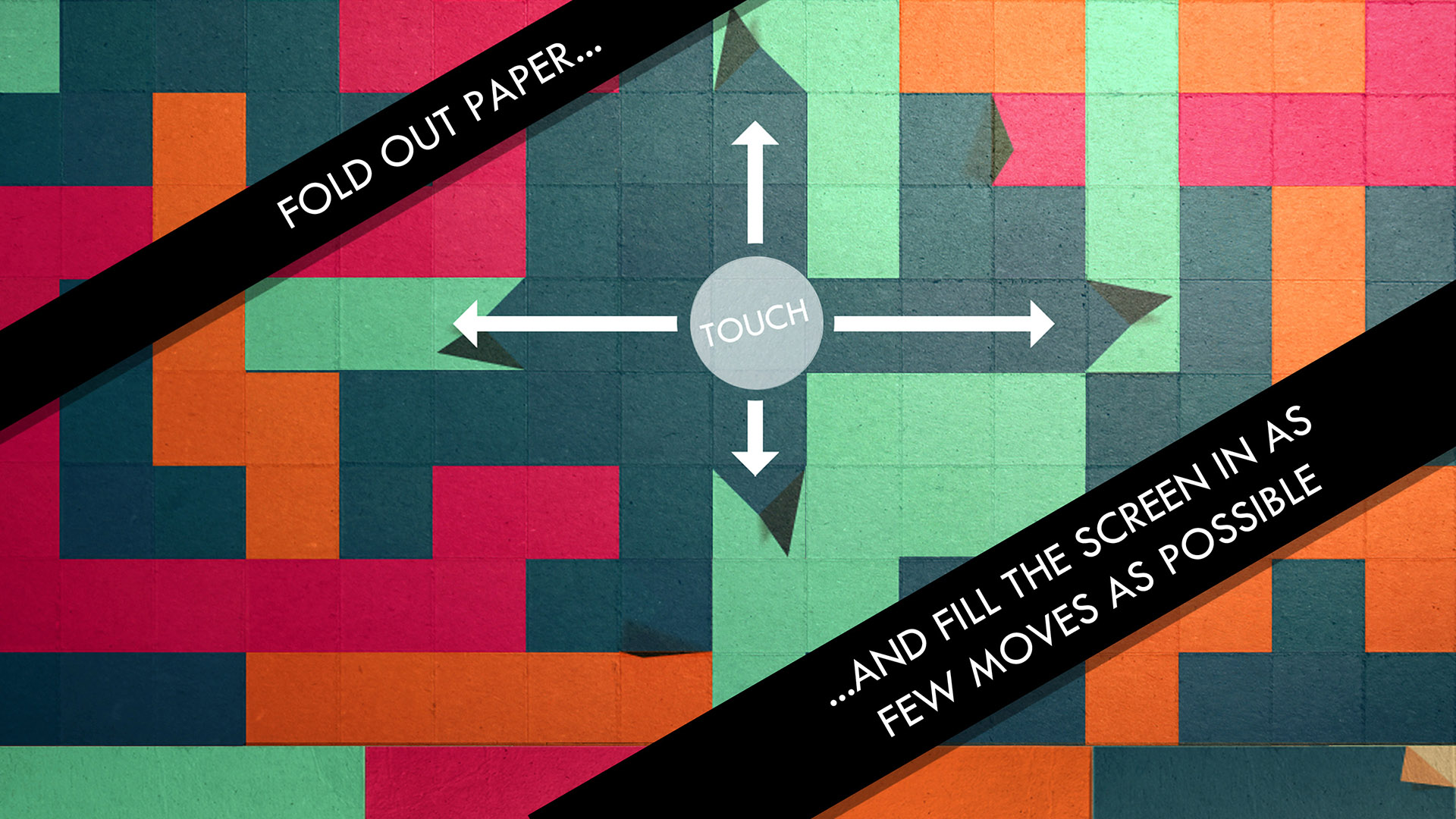
The central activity in KAMI involves folding coloured paper pieces across the board until the entire screen is covered. Each fold counts as a move, and the goal is to achieve full coverage with the lowest move count possible. This mechanic creates a loop of experimentation and refinement, prompting players to contemplate each placement before committing.
Because the game is described as “deceptively simple,” new players can quickly understand the controls, yet mastering the puzzles requires thoughtful planning. The move‑limit focus adds a subtle competitive edge, encouraging replay to beat personal bests.
- Start each puzzle by visualising the final colour layout before making the first fold.
- Compare your move count with the provided hints to gauge where efficiency can improve.
02 / THE GUIDE
Puzzle Variety
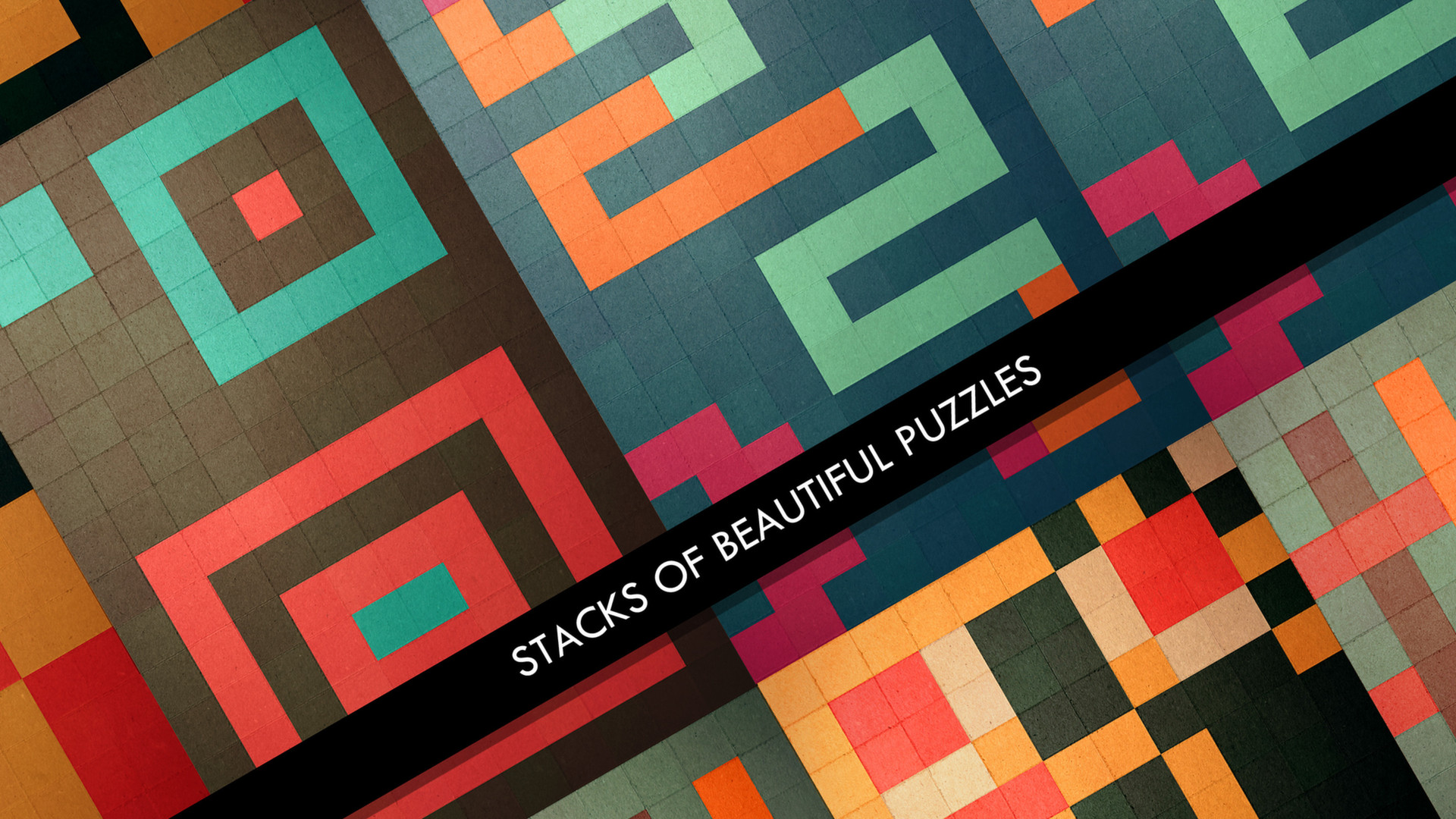
KAMI includes 63 unique puzzles, each presenting a distinct arrangement of coloured paper that must be folded to cover the board. The variety ensures that players encounter new challenges as they progress, preventing monotony. Premium puzzles and hints are bundled, offering additional content beyond the base set.
The puzzles are designed with the same handcrafted Japanese visual style, reinforcing a consistent aesthetic while delivering fresh spatial problems. This blend of visual cohesion and mechanical diversity keeps the experience engaging over multiple sessions.
- Tackle puzzles in order of difficulty to build confidence before attempting the most complex layouts.
- Use the included hints sparingly to preserve the satisfaction of solving puzzles unaided.
03 / THE GUIDE
Visual Design
The game’s look is described as a “beautiful handcrafted Japanese look, created using real paper,” giving each puzzle a tactile, paper‑crafted feel. This visual approach differentiates KAMI from typical digital puzzles, providing a sense of physicality despite being a screen‑based experience.
The aesthetic extends to the soundtrack, which is noted as calming and elegant, complementing the visual style and reinforcing the game’s relaxing atmosphere. Together, the visuals and audio create an immersive environment that encourages thoughtful play.
- Play in a quiet setting to fully appreciate the calming soundtrack alongside the paper textures.
- Observe how the paper textures change with each fold to enhance visual satisfaction.
04 / THE GUIDE
Audio Atmosphere
KAMI features a calming and elegant soundtrack that runs throughout gameplay, supporting the meditative nature of the puzzles. The music is designed to be unobtrusive, allowing players to focus on the folding mechanics while enjoying a soothing auditory backdrop.
The soundtrack’s consistency across puzzles helps maintain a steady mood, making long play sessions feel relaxing rather than stressful. This audio design aligns with the game’s overall goal of providing a contemplative experience.
- Adjust your system volume to a level where the music is audible but does not distract from visual cues.
- Notice how the music’s tempo matches the pacing of your folding decisions.
05 / THE GUIDE
Platform Support
KAMI is available on Windows and macOS, with Family Sharing enabled, allowing multiple users on the same account to access the game. The single‑player designation confirms that the experience is designed for individual play without multiplayer components.
The inclusion of Family Sharing means that a household can share the game without purchasing additional copies, making it accessible for family members who wish to enjoy the puzzles together, albeit sequentially.
- Enable Family Sharing on your platform to let other household members try the game without extra purchases.
- Check the platform’s system requirements before installing to ensure smooth performance.
COMMUNITY
Player discussion