 GameWiki

GET YOUR BEARINGS
About Japanese School Life
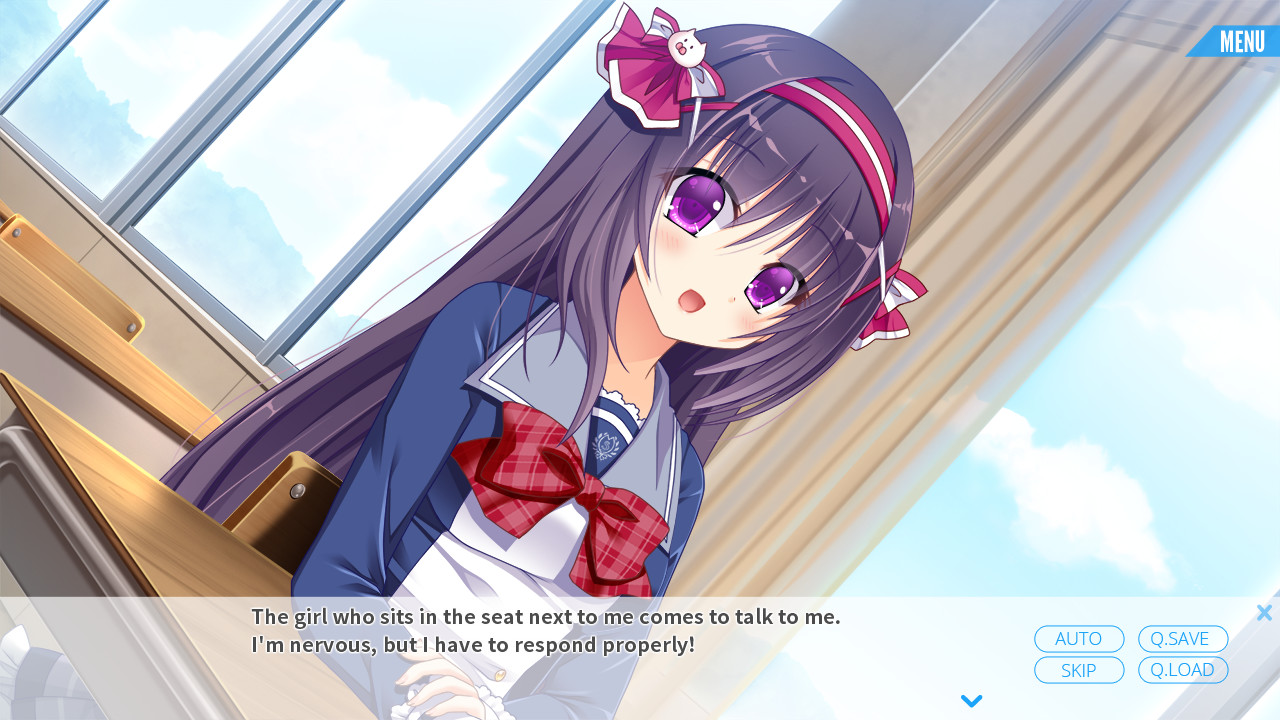
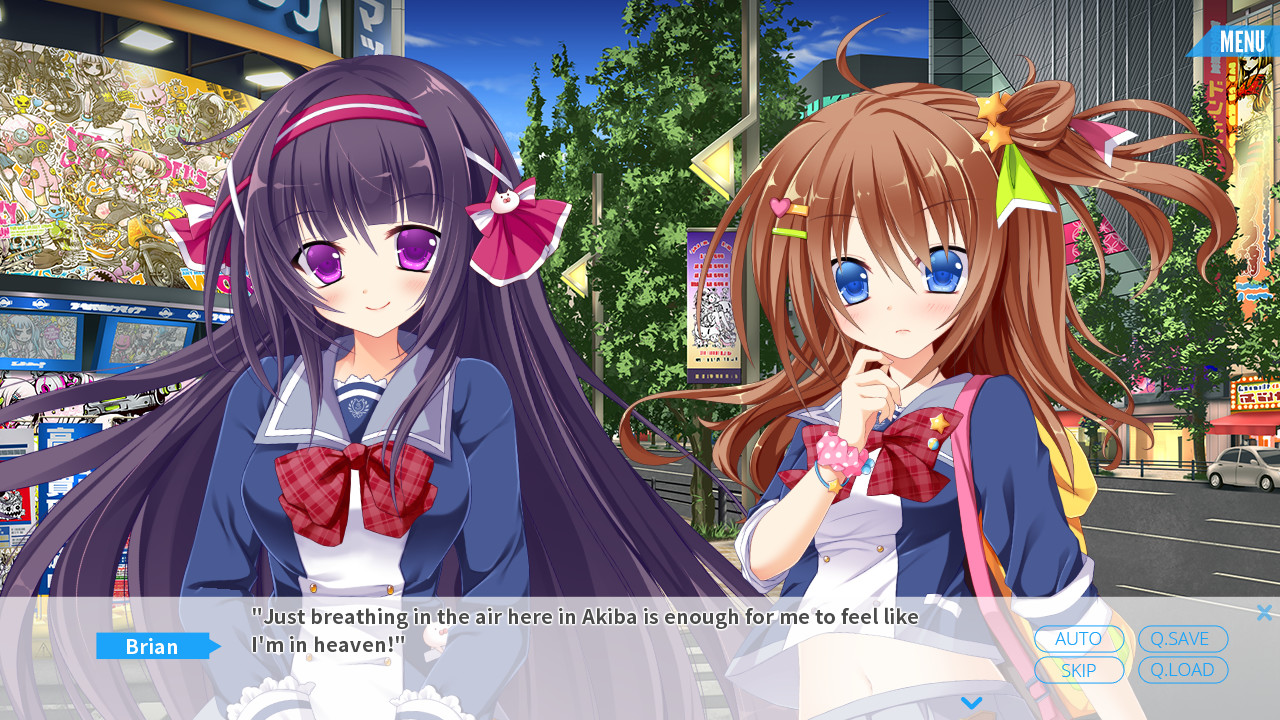
Japanese School Life follows Brian, a foreign student who begins high‑school in Japan under blooming cherry blossoms. He befriends two classmates, learns daily customs, and experiences the rhythm of Japanese seasons from rainy‑day commutes to festive holidays. The game blends narrative moments—summer beach trips, Kyoto school trips, and iconic events like Comic Market—with light‑hearted mechanics such as the e‑mote system, bilingual text, and a playful Nekomimi Mode, offering a casual indie slice‑of‑life adventure.
01 / THE GUIDE
Seasonal Story Progression
The narrative is divided into four seasonal arcs. Spring introduces Brian’s arrival, classmates, and basic cultural lessons, while Summer brings beach outings, festivals, and his first Comic Market visit. Fall features a school trip to Kyoto, a cultural festival booth, and Halloween cosplay, and Winter concludes with a Christmas party, Winter Comic Market participation, and traditional New Year activities.
- Observe how each season adds new social settings; it helps track story pacing.
- Notice recurring motifs like cherry blossoms that bookend the year.
02 / THE GUIDE
Japanese Cultural Activities
Brian engages in everyday customs such as suikawari, festival food stalls, and helping run a maid‑café booth. Seasonal traditions like Hatsumode, Setsubun, and Valentine’s Day appear as narrative beats. These activities serve as context for learning Japanese etiquette and language, reinforced by an in‑game glossary of cultural and otaku terminology.
- Use the glossary to clarify unfamiliar terms during festivals.
- Compare the depicted customs with real‑world equivalents for deeper immersion.
03 / THE GUIDE
Comic Market Appearances
The story highlights two Comic Market visits. In summer, Brian attends as an excited visitor, describing the venue as a “battlefield.” In winter, he returns not just as a guest but as a participating circle. These scenes showcase the event’s significance in otaku culture and provide a narrative climax for Brian’s hobby interests.
- Note the shift from observer to participant between the two visits.
- Pay attention to the crowd’s energy; it reflects the event’s reputation.
04 / THE GUIDE
Gameplay Features
The game uses an “e‑mote” system to animate characters, offers full English and Japanese text, and includes an accessible tips glossary for cultural terms. A whimsical Nekomimi Mode adds cat ears to the visual presentation. All features are single‑player and support Steam achievements, trading cards, and family sharing on Windows.
- Toggle Nekomimi Mode for a lighthearted visual change.
- Refer to the glossary when unfamiliar Japanese words appear in dialogue.
05 / THE GUIDE
Audio and Voice Cast
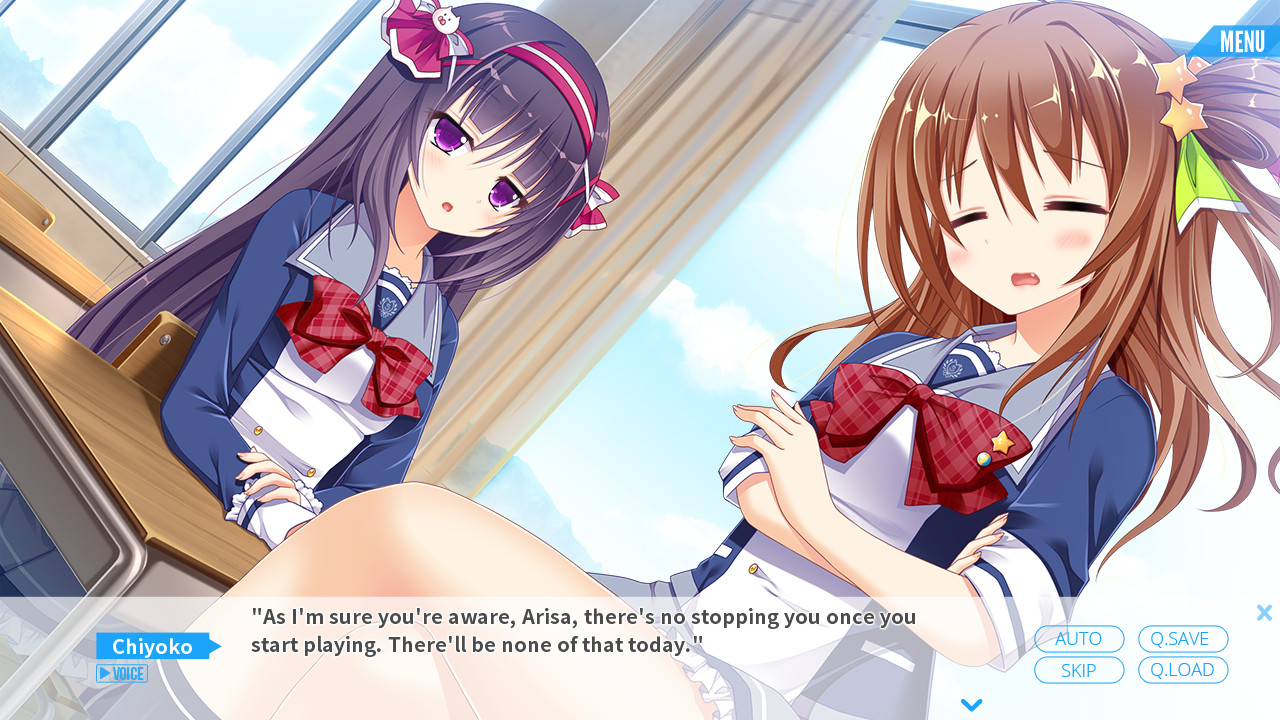
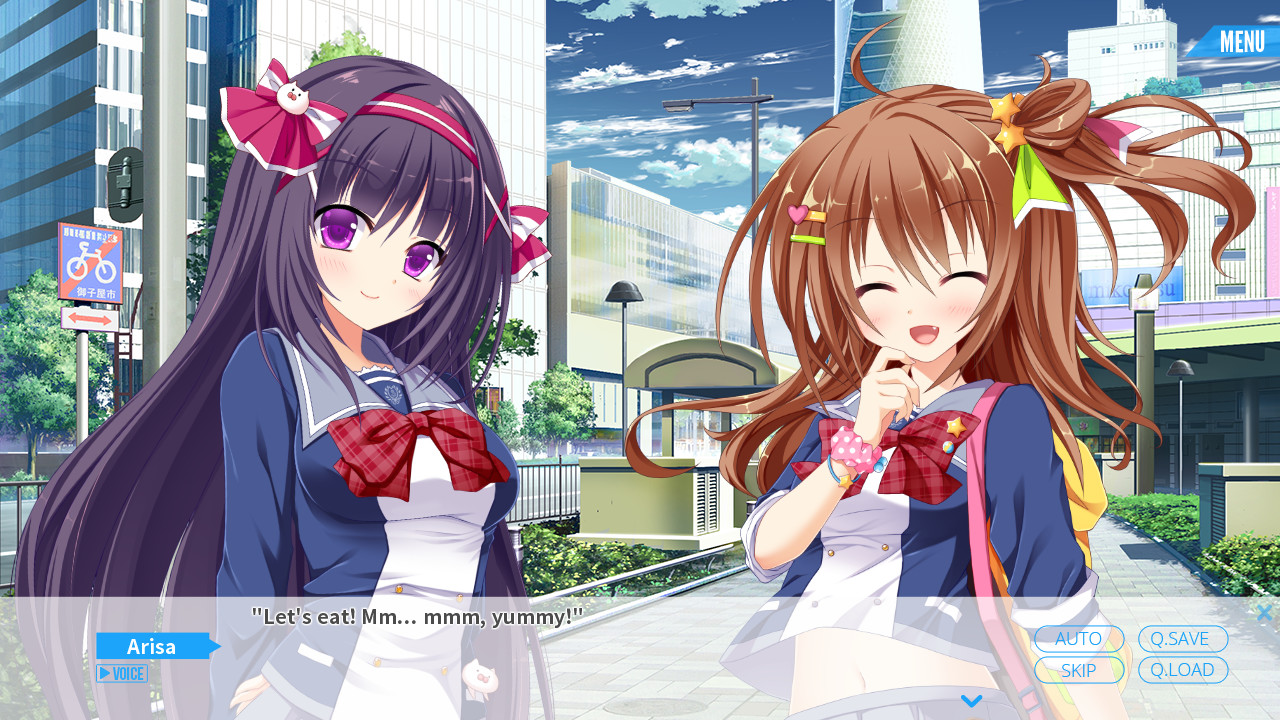
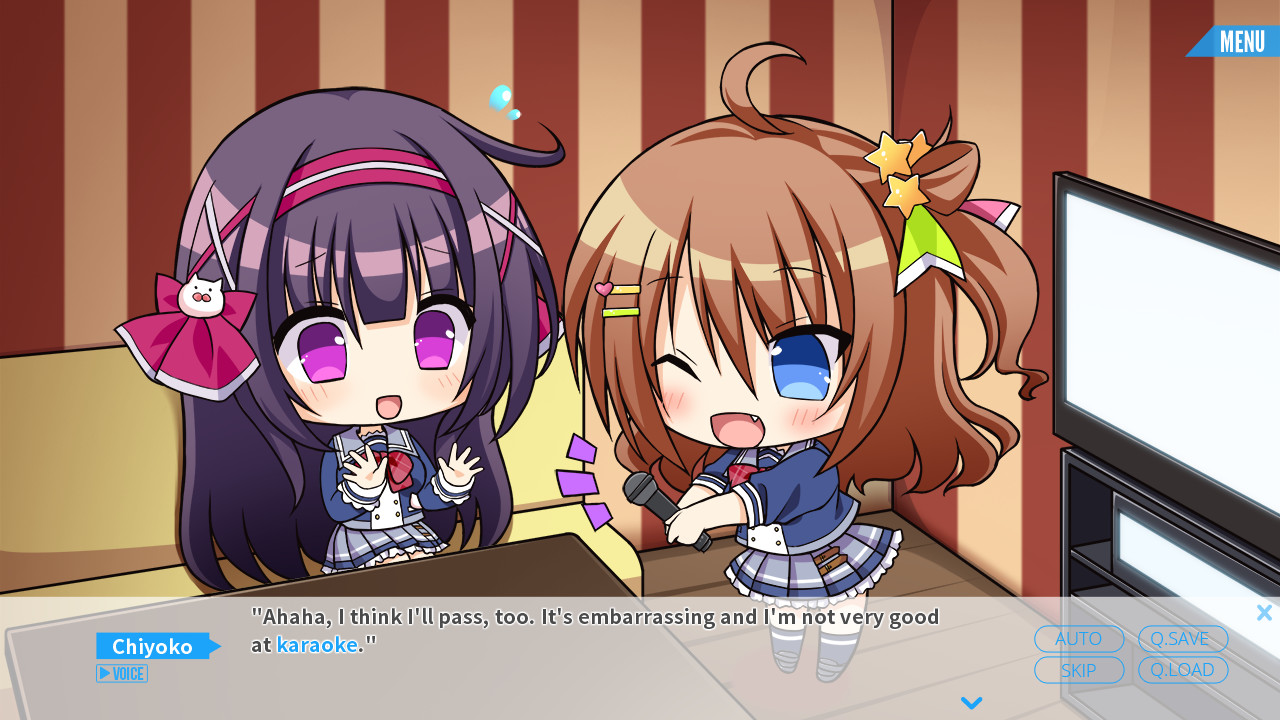
Two main characters receive voice work: Honda Chiyoko voiced by Taneda Risa and Suzuki Arisa voiced by Takada Hatsumi. Their performances add personality to classroom and festival scenes. The listed voice cast covers these two characters; no further audio details are documented in the official description.
- Listen for each actress’s distinct tone to identify characters quickly.
- Compare the voice acting style with other indie visual novels for perspective.
COMMUNITY
Player discussion