 GameWiki

GET YOUR BEARINGS
About Impostor Factory
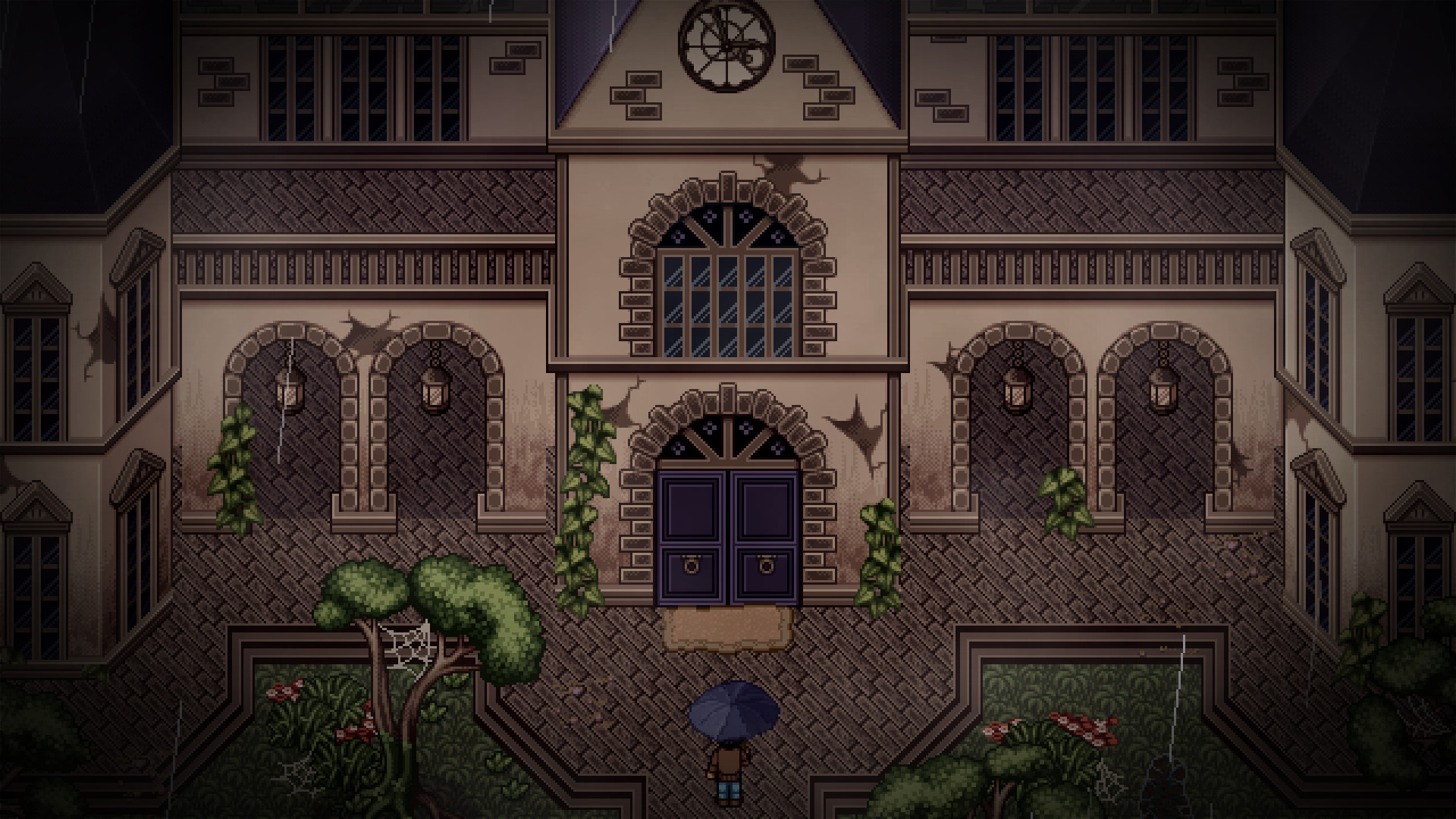
Impostor Factory is a narrative‑driven adventure game that blends classic RPG aesthetics with a bizarre, time‑bending story. Players follow Quincy, who attends a fancy, secluded mansion party that unexpectedly houses a bathroom time machine. The tale spirals into strange deaths, Lovecraftian tentacles, and dialogue that feels both wrong and oddly fitting.
01 / THE GUIDE
Story Structure
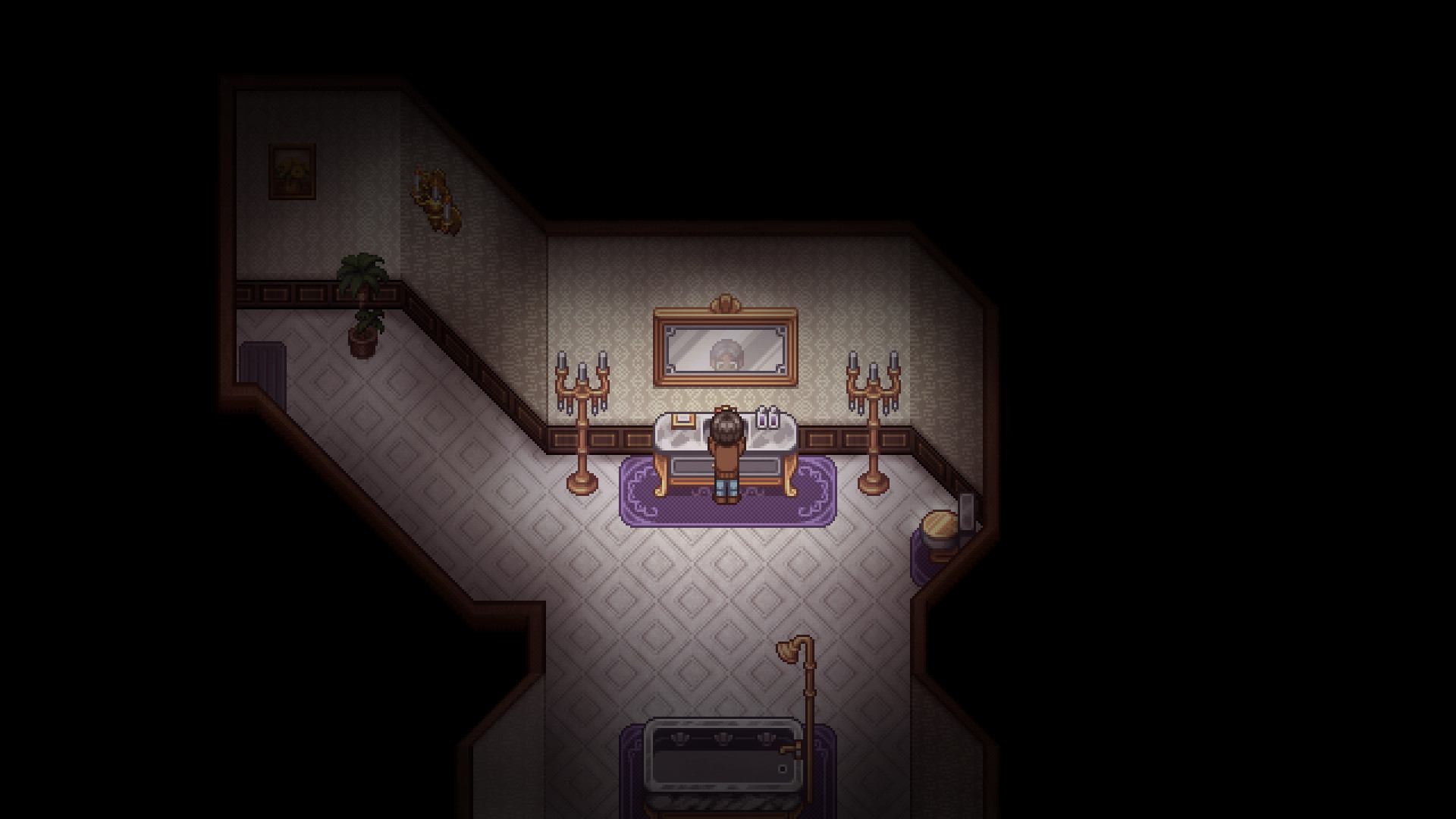
The game centers on Quincy’s invitation to a suspiciously secluded mansion party, where a bathroom contains a time‑traveling faucet. This premise drives the narrative forward, mixing ordinary social settings with surreal sci‑fi elements.
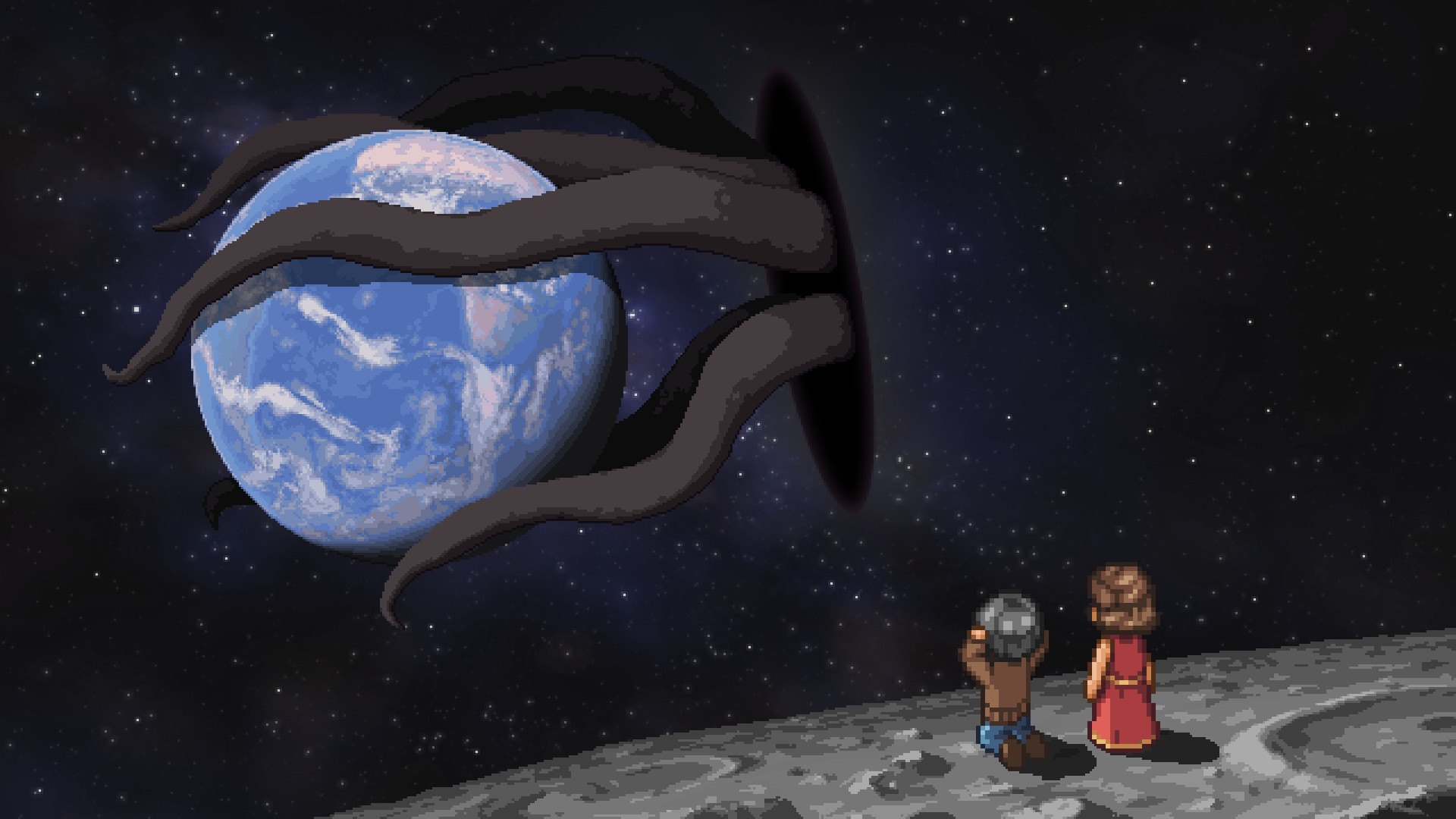
As the plot unfolds, characters begin dying and Lovecraftian tentacles appear, adding horror overtones to the otherwise quirky adventure.
- Observe how the mansion’s ordinary details contrast with the time‑travel mechanic.
- Note the shift in tone when tentacles emerge; it signals a narrative pivot.
02 / THE GUIDE
Adventure‑RPG Blend
Impostor Factory mixes adventure‑game exploration with classic RPG visual style, offering a cozy aesthetic while maintaining narrative focus.
The blend is described as “a cozy mix between adventure game elements and classic RPG aesthetics,” highlighting its hybrid design.
- Compare the visual style to other indie RPGs for a sense of its “classic” look.
- Treat exploration as a narrative tool rather than a combat challenge.

03 / THE GUIDE
Dialogue Style
Dialogues are intentionally odd, described as reading “so wrong but feel so right,” which contributes to the game’s off‑kilter humor.
This stylistic choice reinforces the overall surreal atmosphere without relying on conventional storytelling.
- Pay attention to phrasing; the oddness is purposeful.
- Enjoy the humor even when lines feel mismatched.
04 / THE GUIDE
Time‑Travel Mechanic
The bathroom’s faucet doubles as a time‑travel device, allowing Quincy to “wash his hands and time‑travel while he was at it.” This quirky mechanic is central to the plot’s progression.
The mechanic is presented humorously, emphasizing the game’s “time‑saver” joke rather than a complex system.
- Treat the time‑travel element as a narrative catalyst, not a puzzle.
- Notice how the joke about “time‑saving” reflects the game’s tone.
05 / THE GUIDE
Lovecraftian Elements
Later in the story, tentacles and other Lovecraftian motifs appear, adding a horror flavor to the otherwise whimsical adventure.
These elements are mentioned as part of the “little Lovecraftian and tentacles” segment, indicating a shift toward darker imagery.
- Contrast the tentacle moments with earlier comedic scenes for thematic insight.
- Use the horror cues to gauge the story’s emotional stakes.
COMMUNITY
Player discussion