 GameWiki

GET YOUR BEARINGS
About Imperial Ambitions
Imperial Ambitions is a 4X strategy title set in the Age of Discovery and Renaissance, letting players steer a European superpower toward imperial dominance. The game blends empire‑building, resource management, and tactical warfare with a focus on social simulation.
Players must balance exploration, colonisation, trade, and military campaigns while juggling the needs of a stratified populace, dynamic traits, and hidden technological progress. Success hinges on clever use of agents, production chains, and diplomatic pressure.
01 / THE GUIDE
Tactical Army Movement
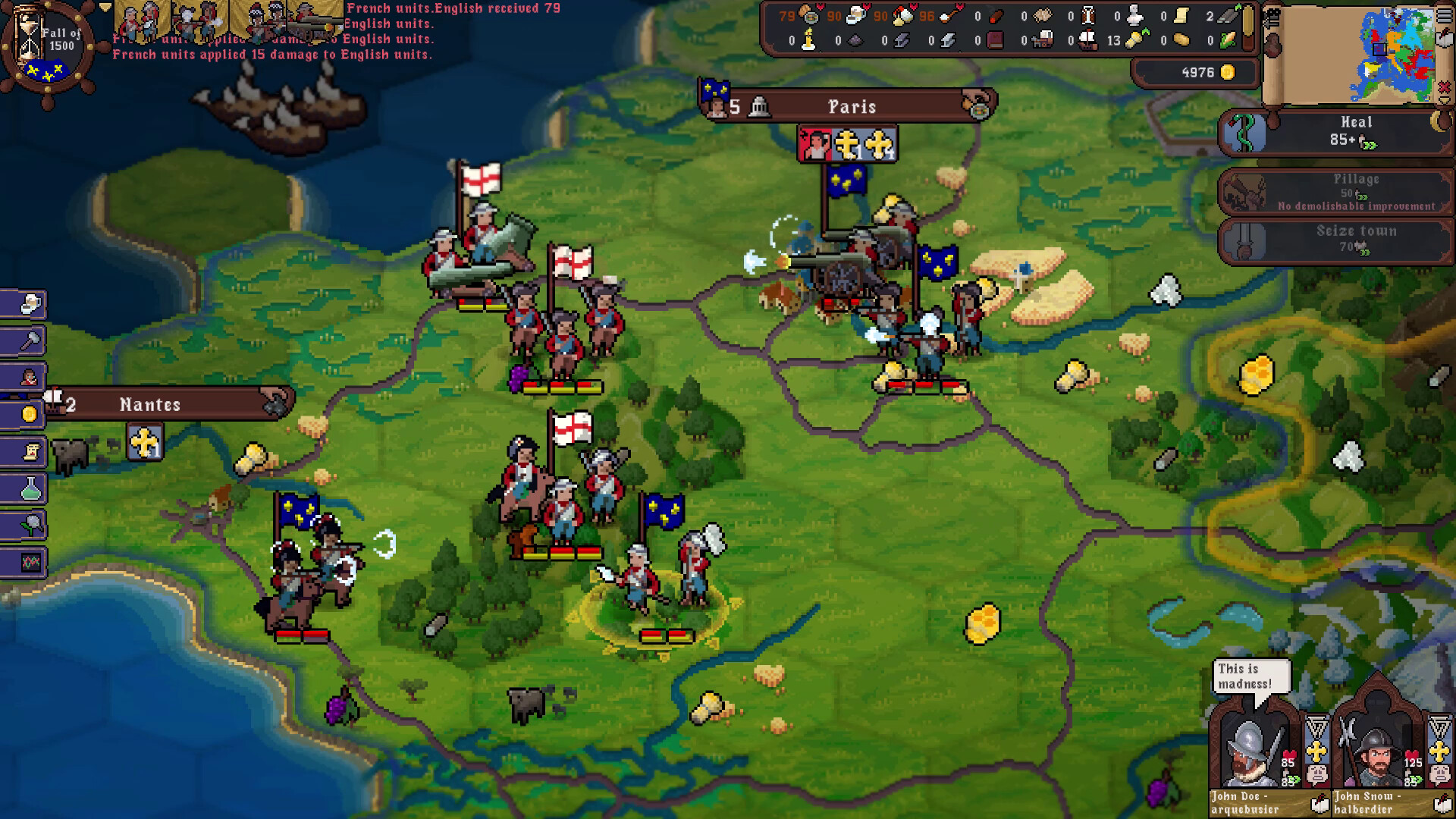
Armies move on the campaign map in column formation, making large forces harder to shift and demanding careful planning before battles. Regiments can split off for small excursions or sneak into enemy lines for crossfire, but leaving gaps in the frontline risks exposure.
Units continue firing until the end of the turn, so positioning and timing are crucial. The redesign aims to make army movement feel like real‑world military units, adding a layer of tactical thinking to each campaign.
- Consider keeping a reserve regiment to fill potential gaps after a split.
- Use cross‑fire excursions to weaken enemy flanks before committing the main column.
03 / THE GUIDE
Agents and Their Roles
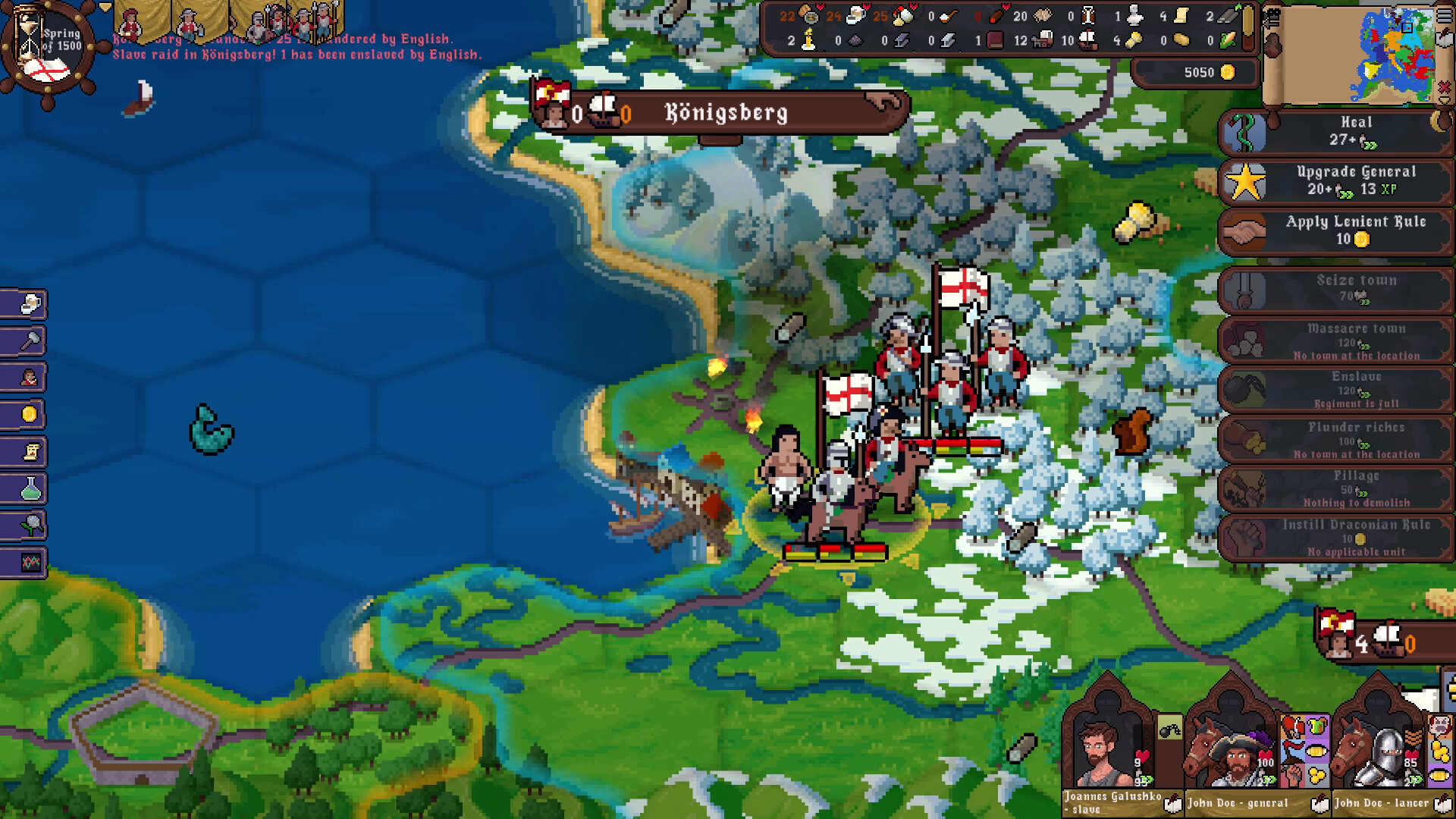
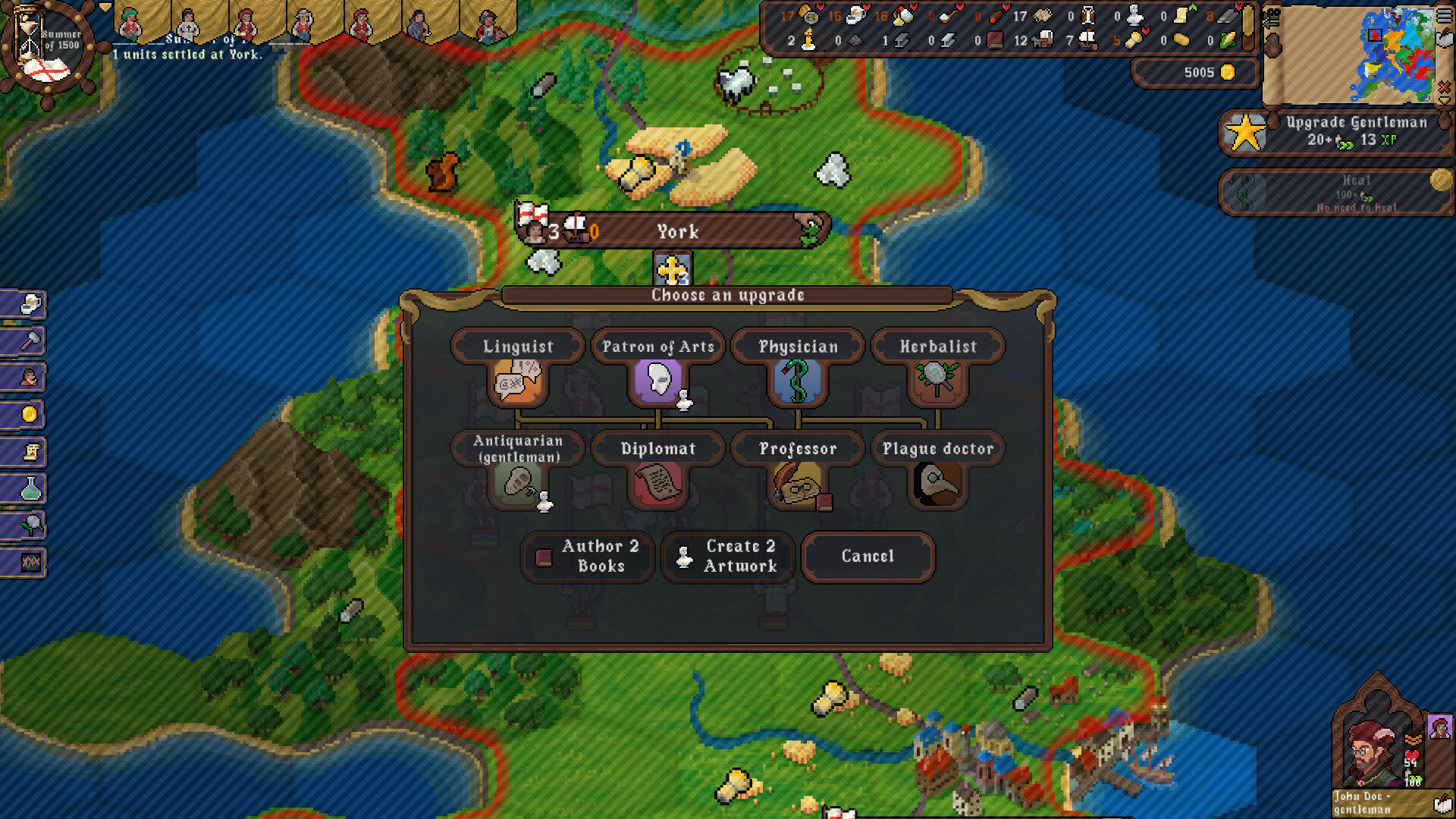
Seven agent types—Merchant, Builder, Explorer, Shadowmaster, General, Gentleman and Priest—act as tools of administration, commerce, faith, violence, diplomacy, science and subversion. Each can address crises through gold, religion, repression, negotiation, migration, trade, crime or reform.
Agents travel the map, open trade routes, construct infrastructure, rally armies, convert populations, or build criminal networks, giving players multiple pathways to solve the same problem.
- Deploy a Builder to open roads before sending a Merchant to maximise trade revenue.
- Use a Shadowmaster to establish smuggling when diplomatic relations are poor.
04 / THE GUIDE
Production Chains and Trade
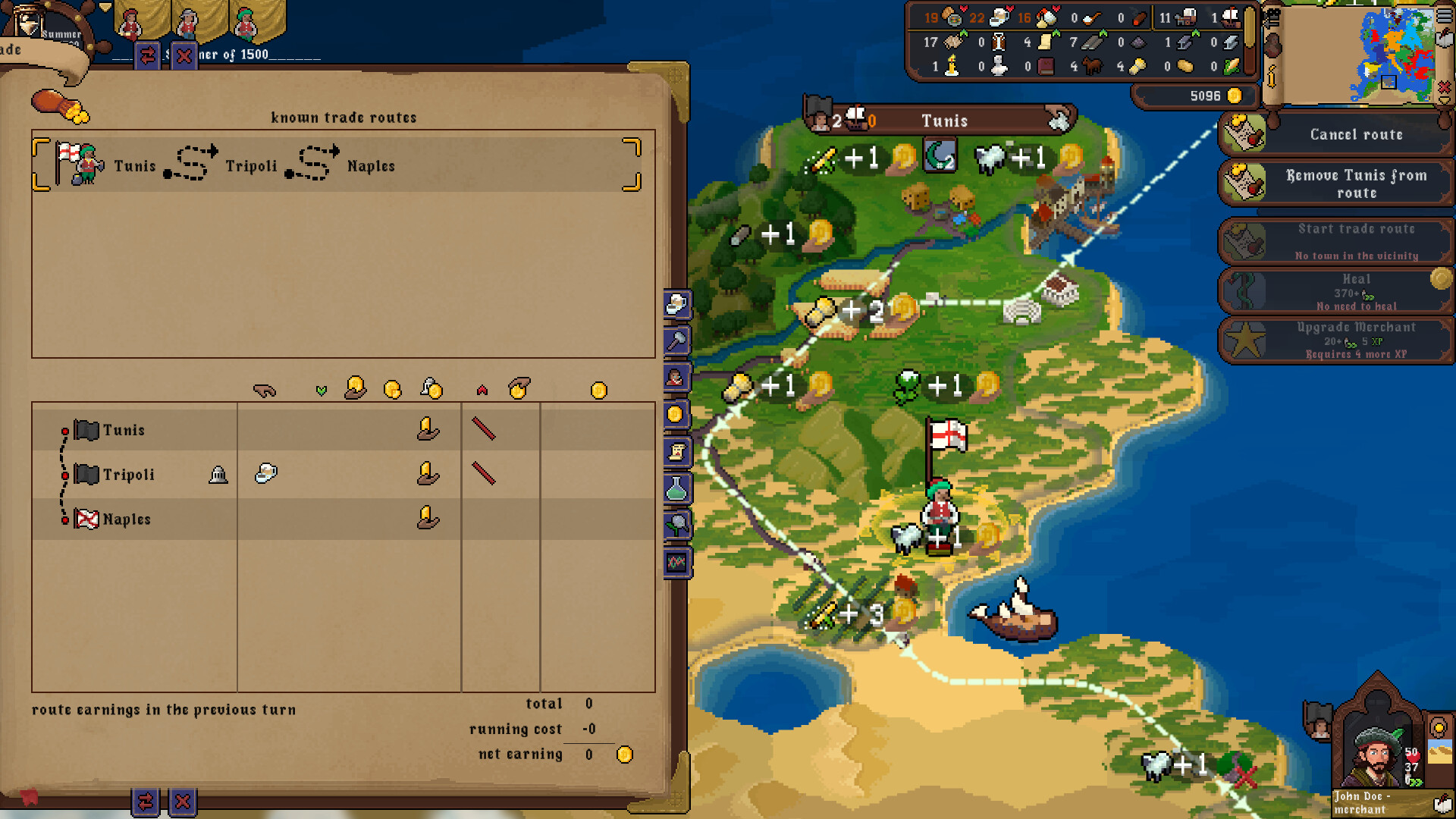
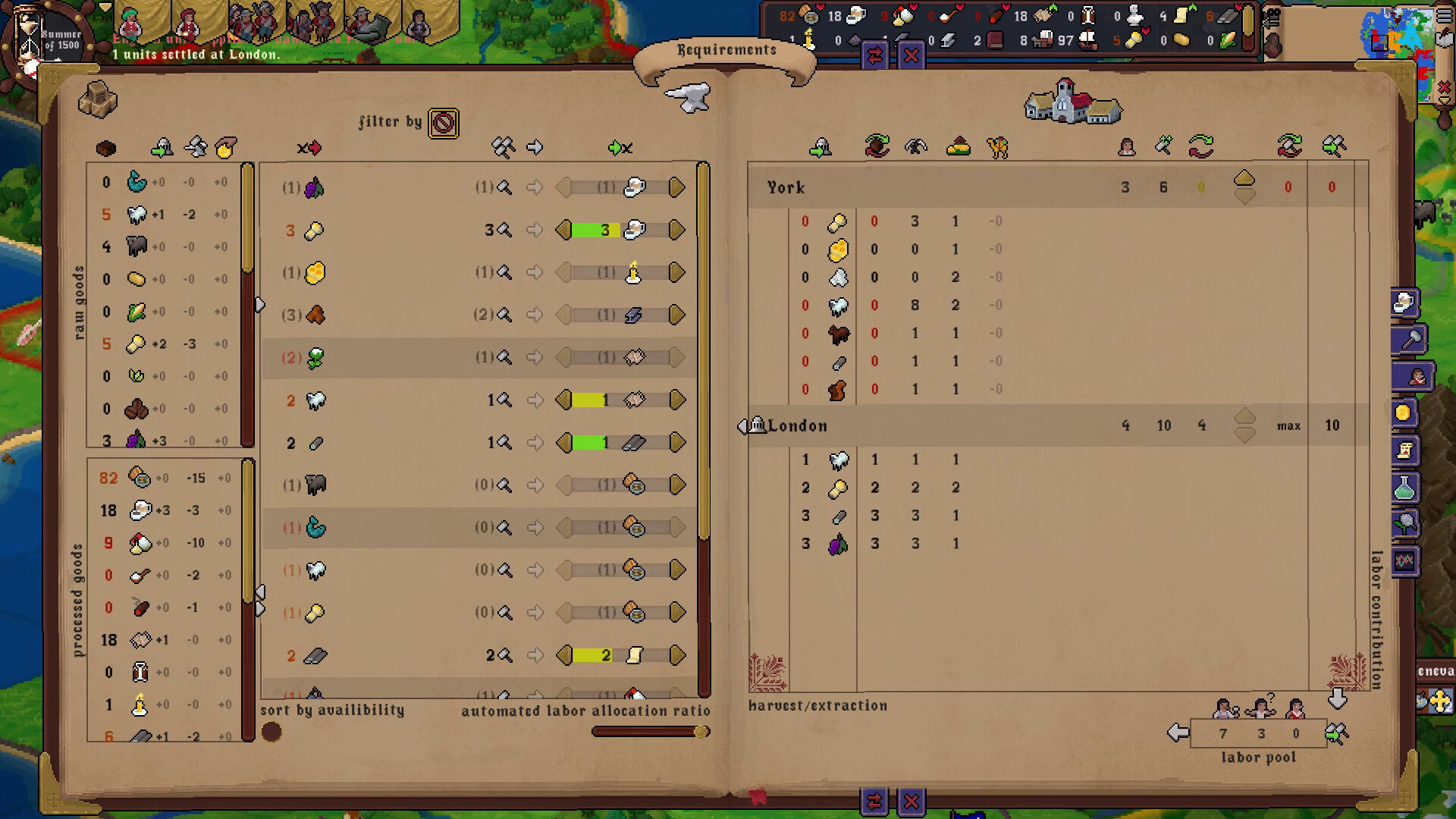
The empire can extract, produce or import over 40 resources. Roads and docks transport goods to the capital, where laborers can create higher‑quality products. Towns have specific needs; satisfying them earns gold and stabilises the population.
Merchants must physically visit towns and arrange routes for profit, while Shadowmasters can bypass boycotts via smuggling, though this spreads corruption and crime along the route.
- Prioritise connecting towns with complementary resource needs to boost gold income.
- Watch for outlaw activity; it may indicate a lucrative smuggling opportunity.
02 / THE GUIDE
Social Classes and Traits
Citizens are divided into slaves, peasants, apprentices, artisans and masters. Progression through the four non‑slave tiers grants more labor but demands luxury resources and education. Hunger, disease, crime or rebellion can halt work, while traits shaped by experience affect loyalty and efficiency.
Traits such as hunger lower action points and increase unrest; wealth gaps can spawn bandits, and religious zeal can turn belief into social pressure. Managing these dynamics creates a volatile yet human empire.