 GameWiki


GET YOUR BEARINGS
About Hollow Knight: Silksong
Hollow Knight: Silksong follows Hornet through Pharloom, a vertically connected kingdom of insects, machinery, settlements, and hostile wilderness. Exploration and combat feed the same progression loop: investigate a route, discover a useful ability or resource, and return to an earlier obstacle with a new answer. This guide concentrates on the decisions that keep that loop moving without revealing major story outcomes.
Hornet has a different movement rhythm from the Knight in the original Hollow Knight. Reach, aerial attacks, recovery, and tool use deserve their own practice. Familiarity with the earlier game helps with reading a connected world, but treating every encounter as an old fight with a different appearance can make the opening hours harder than they need to be.
01 / THE GUIDE
Movement and route reading
Before attempting a long traversal sequence, look for a safe place to stand at its far end. Practice Hornet's jump and downward attack against familiar enemies rather than learning a new input above a hazard. Separate a route that needs an ability you have not found from one that simply needs a cleaner jump; repeated attempts do not solve a missing movement tool.
Use a small set of personal map markers: unopened route, useful merchant, unresolved quest, and dangerous encounter. When a new traversal ability arrives, revisit the nearest matching obstacle first. A short return trip often establishes what the ability can do more clearly than pushing into several unfamiliar rooms at once.
- Stop on stable ground before opening menus.
- Mark the reason a route is blocked, not just its location.
- Learn the return path before carrying valuable resources deeper.
02 / THE GUIDE
Hornet's combat rhythm
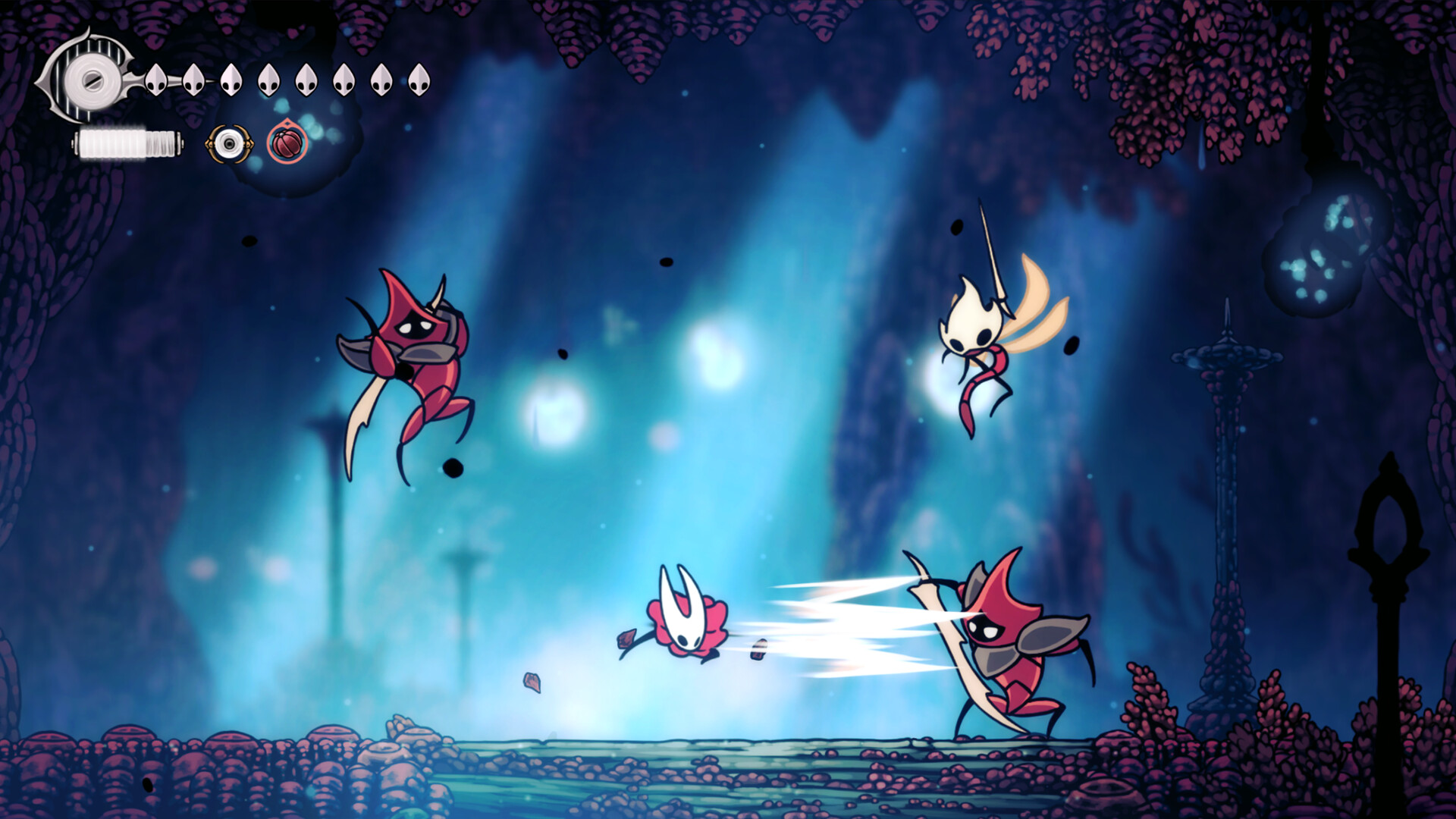
Start a new enemy encounter by watching its approach and the space its attack occupies. Hornet's mobility makes it tempting to cross the enemy repeatedly, but a consistent position is easier to learn from. Choose one short punish after a recognizable attack, then leave enough room to respond to the next move.
Treat healing as part of the encounter rather than an emergency reaction. Look for a sequence that reliably leaves the enemy too far away or recovering. A successful learning attempt can be one in which you identify that opening and reach it twice, even when the boss survives.
- Practice surviving an unfamiliar sequence before adding attacks.
- Test aerial attacks where a missed input is recoverable.
- Choose healing windows by enemy recovery, not only by your health.
03 / THE GUIDE
Tools and loadout choices
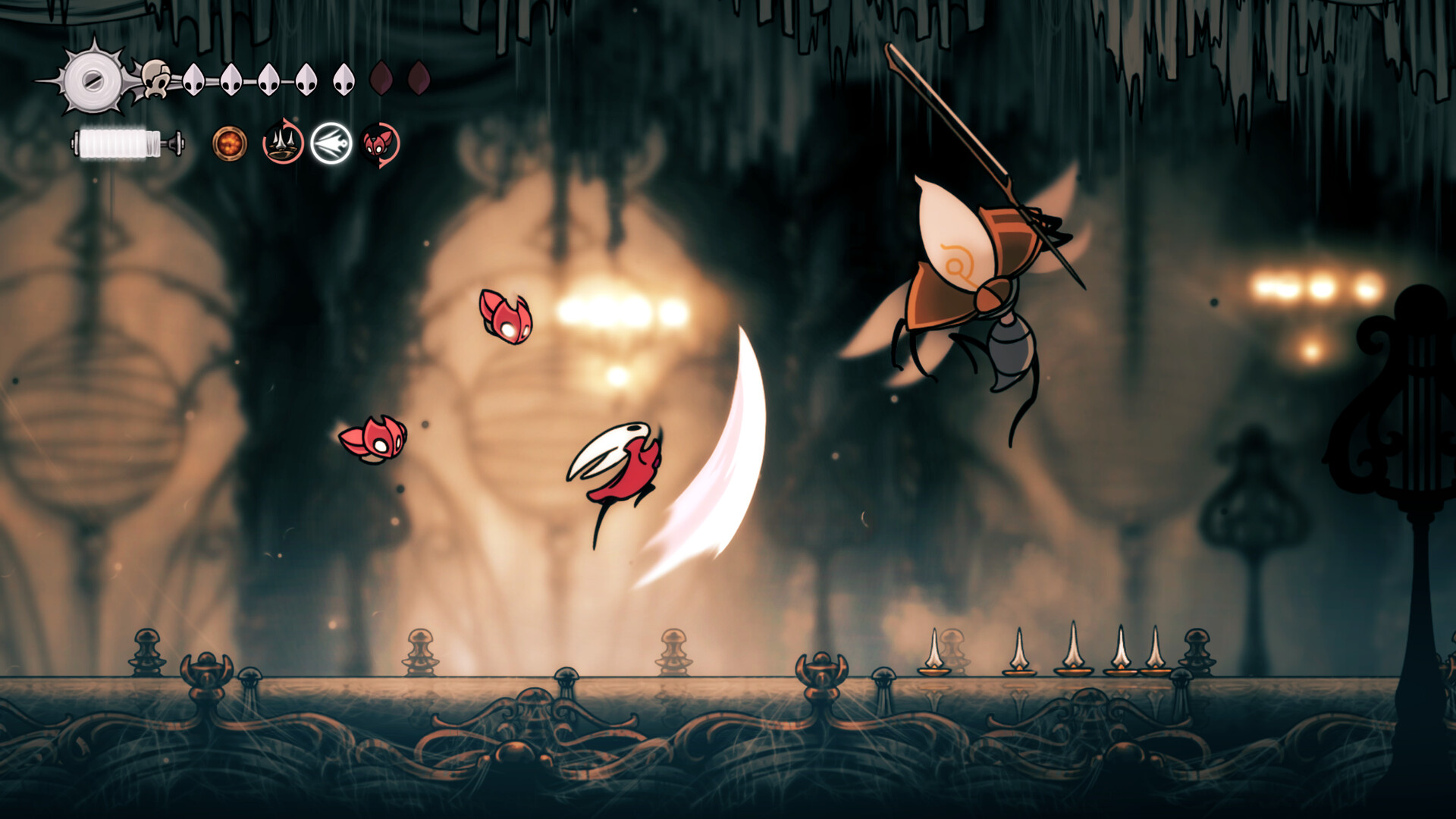
Silksong's crafted tools add ranged pressure, traps, and other answers to encounters. Give each equipped tool a specific job: reach a target safely, control the space in front of Hornet, or help with a short damage opportunity. A tool that solves a problem you regularly face is more useful than an impressive option you never remember to use.
Change one loadout choice between attempts and compare the same situation. Spend replenishable supplies while learning the tool's actual range and delay. Keep an alternative for a target that moves too quickly for a trap or stays outside your comfortable melee distance.
- Read the equipped tool's description before a boss attempt.
- Test its recovery time away from hazards.
- Compare tools against an identified problem.
04 / THE GUIDE
Quests and exploration priorities
Pharloom's inhabitants provide tasks alongside the main climb. Record who gave the request and what the journal actually asks for before searching an entire region. Distinguish an item collection objective from a route or encounter objective so that you can combine nearby tasks instead of retracing the same corridor repeatedly.
A useful exploration session ends with a new connection, purchase, ability, or confirmed piece of information. When progress stalls, return to an unresolved branch rather than treating the closest boss as the only next step. Leave notes in your own words so they remain useful after a few days away.
- Review nearby tasks before returning to a settlement.
- Check opened shortcuts from both directions.
- Record a next step before ending the session.
05 / THE GUIDE
A repeatable boss preparation plan
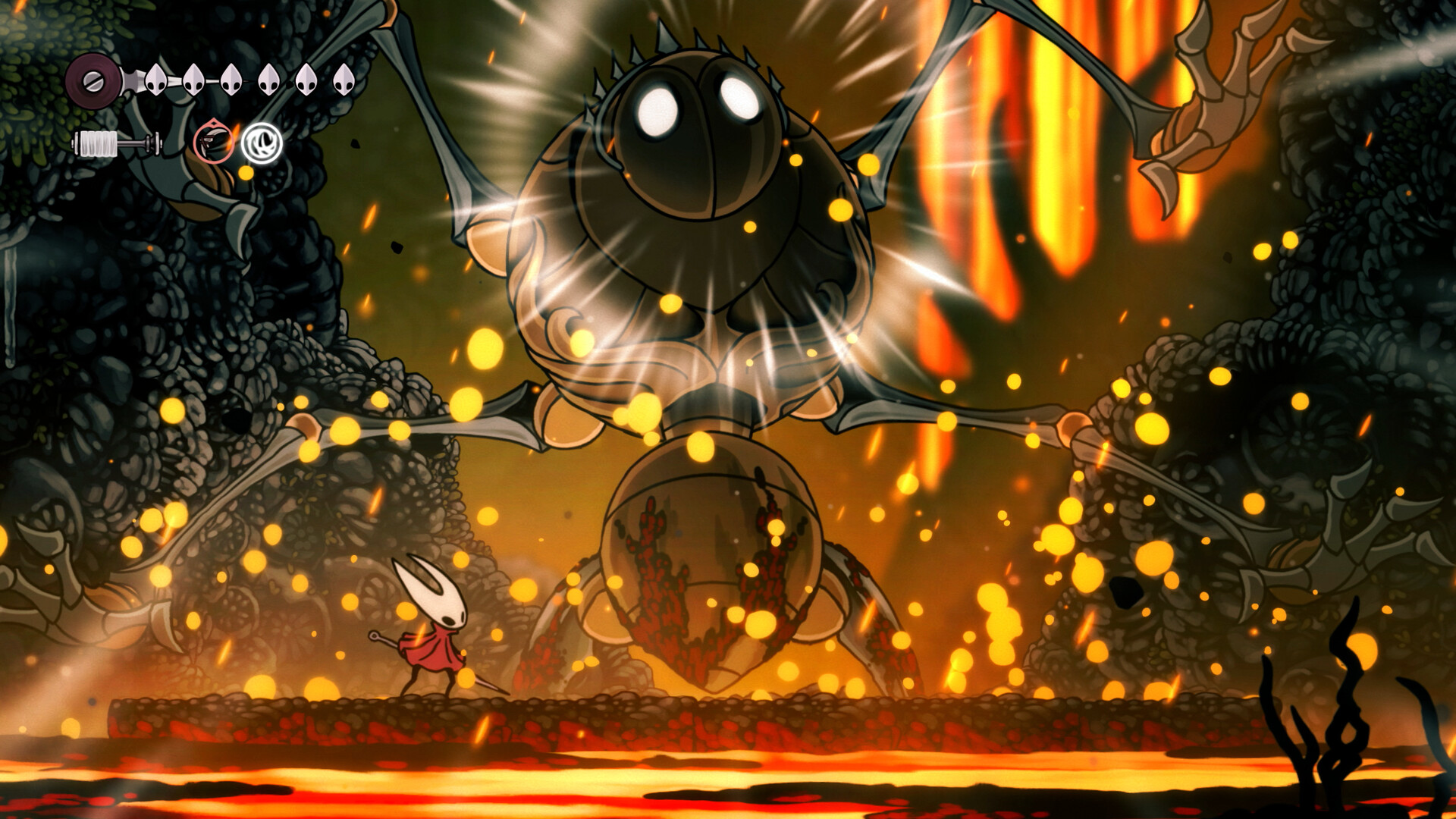
Establish the checkpoint-to-arena route before carrying resources into repeated attempts. Arrive with a familiar loadout, a tested healing opening, and a clear answer to the attack that ended the previous run. This makes your next attempt a test of one idea instead of a scramble to reproduce everything that happened.
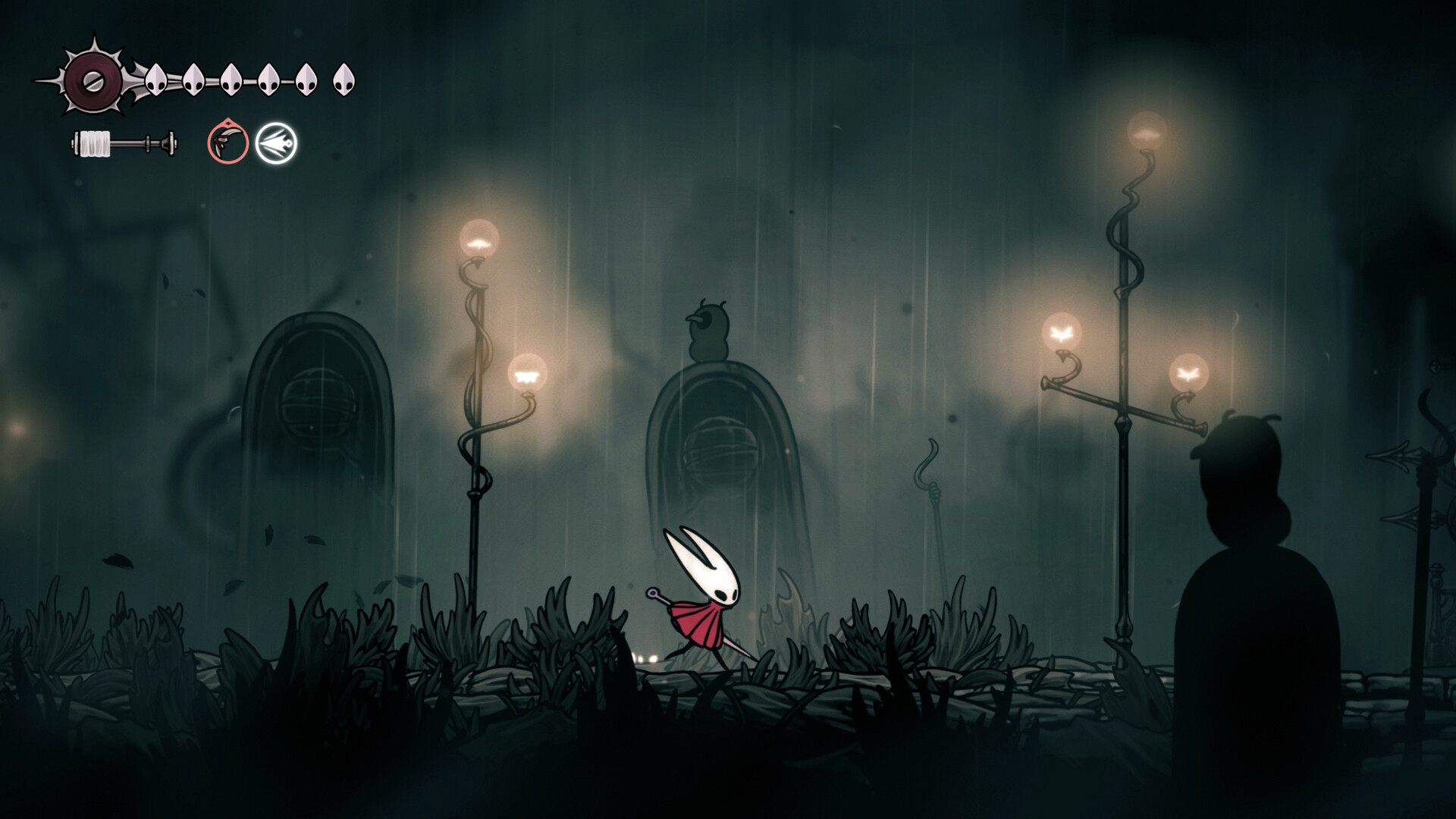
Use the official footage below to inspect Hornet's movement and the game's visual language. Trailers show presentation and broad systems; they are not a promise that a particular late-game ability belongs on your current route. Avoid judging your opening equipment against a fully developed promotional loadout.
- Name the attack you are practicing before entering.
- Change one response after each failure.
- Explore an unfinished branch when attempts stop producing new information.
COMMUNITY
Player discussion