 GameWiki
GET YOUR BEARINGS
About Harmonia
Harmonia is a kinetic novel set in a post‑war future where humanity clings to survival among ruins. A half‑finished emotion‑capable robot, Rei, awakens alone and seeks the feelings it lacks. He is taken in by Shiona, a cheerful girl who sings, and together they explore a bleak world while learning about love and empathy.
The experience relies on high‑quality writing, artwork, and music rather than traditional gameplay. As a single‑player title on Windows, it offers Steam achievements, trading cards, cloud saves, and family sharing, letting players focus on the narrative and its characters.
01 / THE GUIDE
Story and Setting
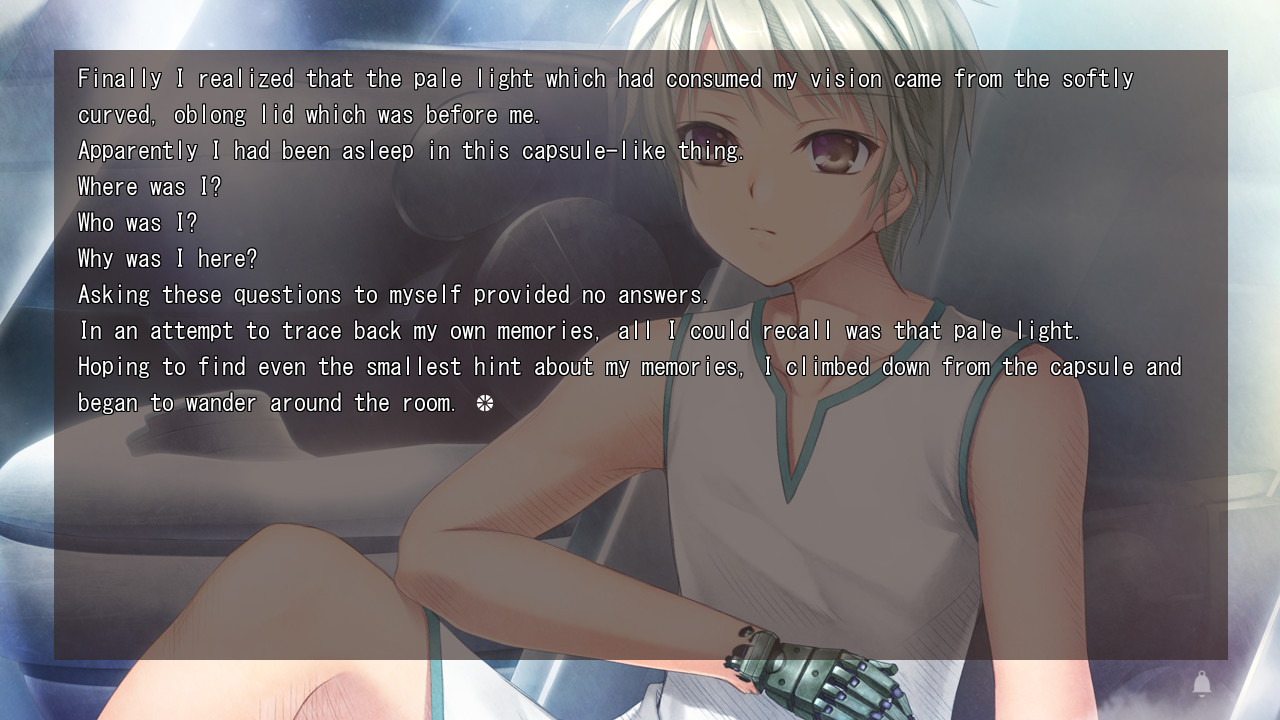
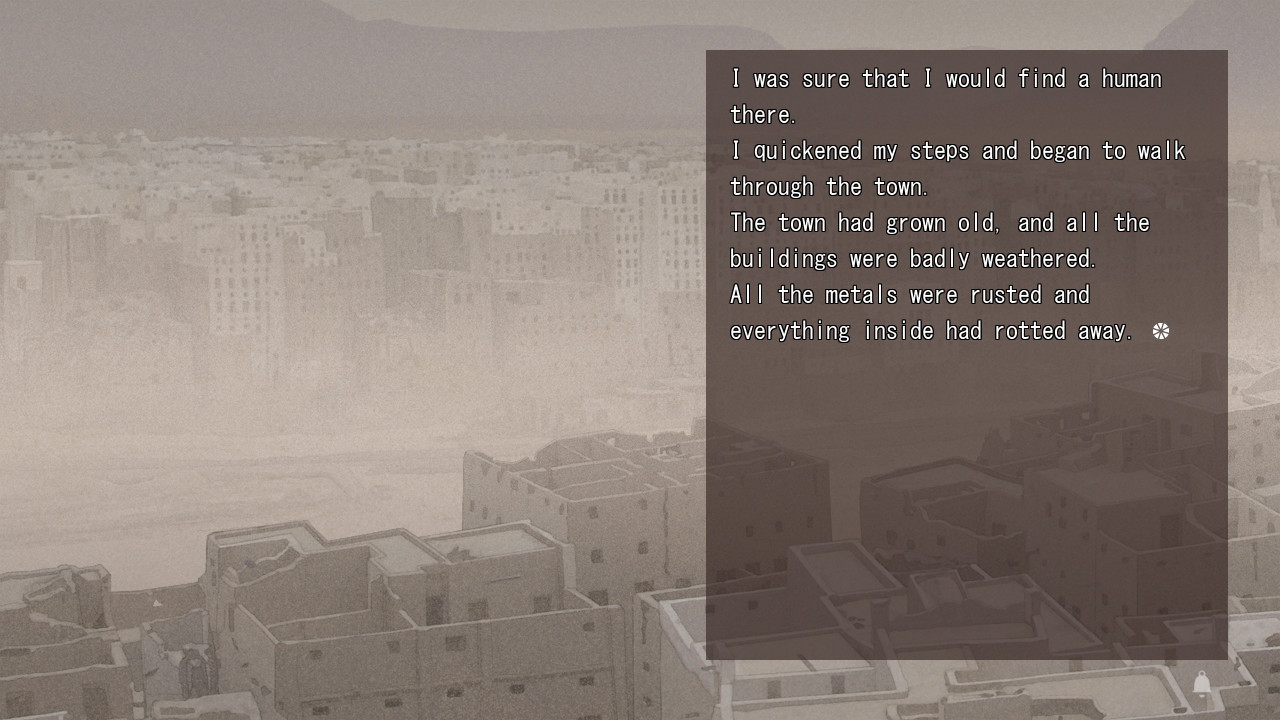
The narrative unfolds after an immense war that left the sky ash‑filled, vegetation gone, and water dried up, drastically reducing the human population. Survivors cluster in makeshift towns, trying to rebuild amid devastation. Rei, an emotion‑capable robot with an unfinished right hand, awakens in a decayed factory. Driven by an innate desire to be with humans, he wanders the ruined landscape until a young girl, Shiona, discovers him and brings him to her town.
- Observe how the world’s desolation mirrors Rei’s lack of emotions.
- Notice the contrast between the bleak environment and Shiona’s bright optimism.
02 / THE GUIDE
Characters
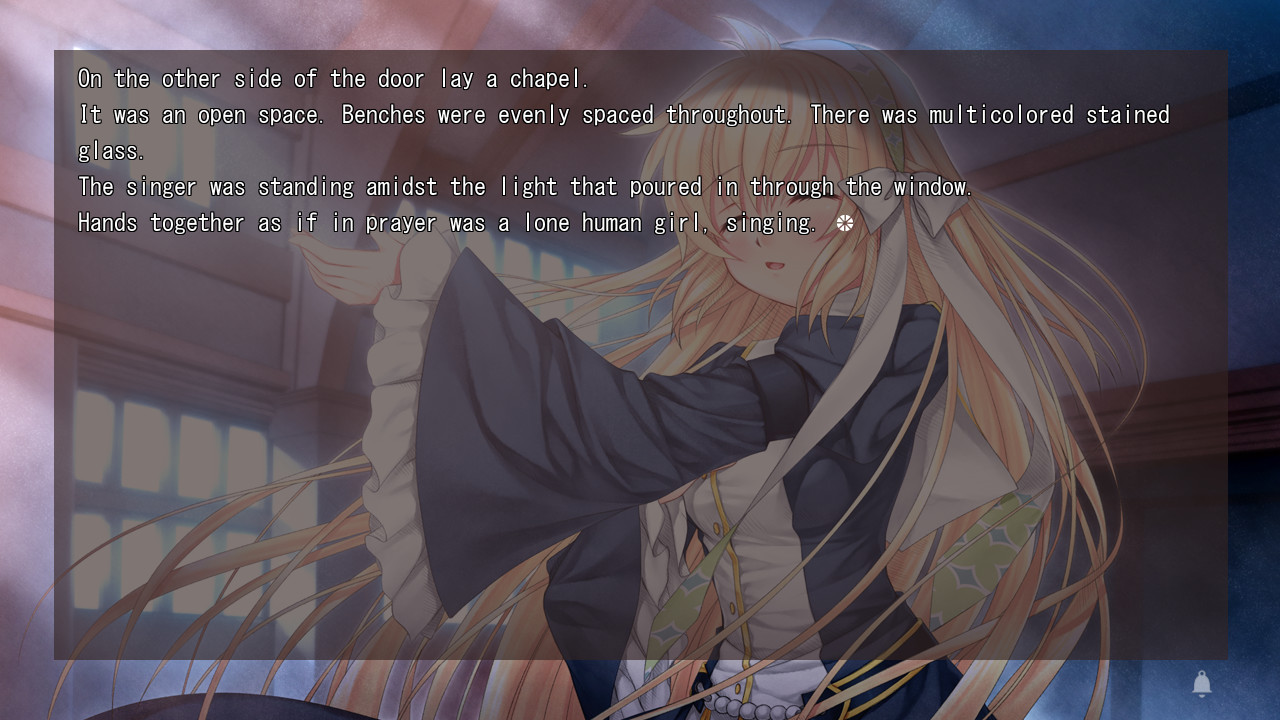
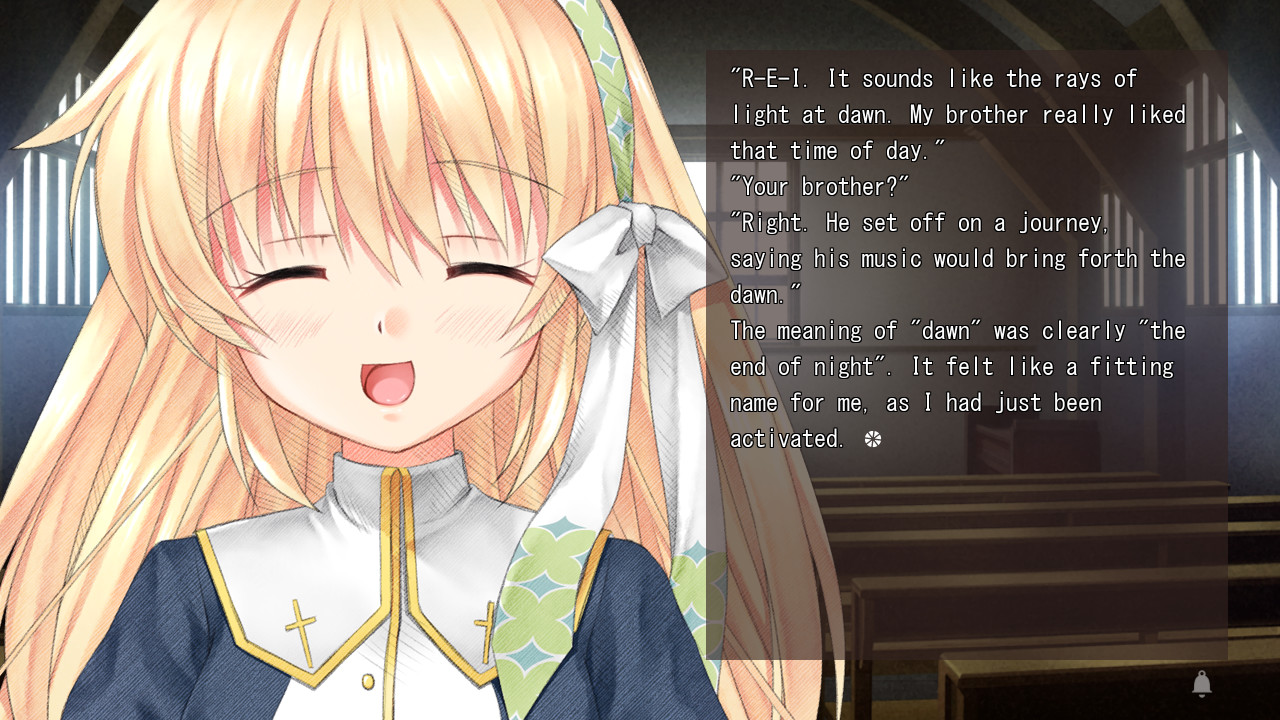
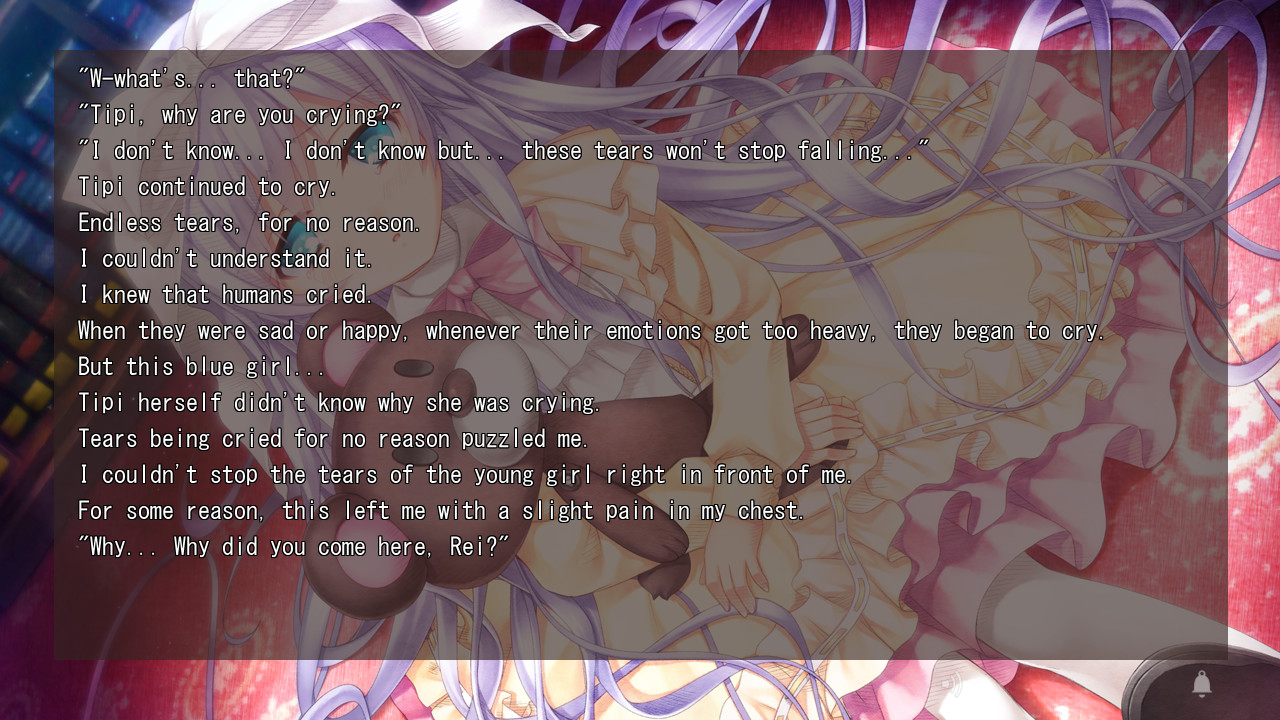
Rei, called “The Emotionless Mechanical Boy,” lacks artificial skin on his right hand, a reminder of his unfinished production. Shiona, “The Girl who Sings her Feelings,” lives in a church and often describes emotions as shapes and colors. Tipi, “The Blue Little Lady from the Library,” is a young girl who frequently cries and is known as the “blue girl.” Each character contributes a distinct perspective on emotion: Rei seeks them, Shiona expresses them through song, and Tipi embodies melancholy, enriching the story’s emotional palette.
- Compare how each character’s description hints at their role in exploring feelings.
- Listen for Shiona’s singing cues as narrative highlights.
03 / THE GUIDE
Kinetic Novel Format
Harmonia is defined as a kinetic novel—a form of entertainment focused solely on storytelling, distinct from novels, anime, or traditional games. It aims to deliver a strong sense of presence and empathy through high‑quality scenario, graphics, music, and production values. Because the format lacks player‑driven choices, the experience proceeds linearly, allowing the narrative and audiovisual elements to take center stage without interactive branching.
- Pay attention to the music cues that underscore emotional moments.
- Appreciate the static visuals as part of the storytelling technique.
04 / THE GUIDE
Audio‑Visual Production
The game features original art by Itaru Hinoue and a scenario written by Tsuzuru Nakamura and Kai. Music is composed by Shinji Orito and Ryo Mizutsuki, with theme and insert songs performed by Ayaka Kitazawa and Haruka Shimotsuki respectively. These elements combine to create an immersive atmosphere. The theme “Todoketai Melody” and insert “Towa no Hoshi e” are highlighted with lyrics by Kai, enhancing the emotional resonance of key scenes.
- Notice how the theme song plays during pivotal narrative shifts.
- Observe the lyrical content for hidden narrative hints.
05 / THE GUIDE
Steam Features
Harmonia supports single‑player play on Windows and integrates Steam achievements, trading cards, cloud saves, and family sharing. These features allow players to earn recognitions, keep progress across installations, and share the title with family members. While the game does not require multiplayer interaction, the Steam ecosystem provides optional collectibles and progress tracking that complement the narrative focus.
- Check the achievement list for milestones tied to story completion.
- Enable Steam Cloud to preserve your progress across devices.
COMMUNITY
Player discussion