 GameWiki
GET YOUR BEARINGS
About Grand Prix Story
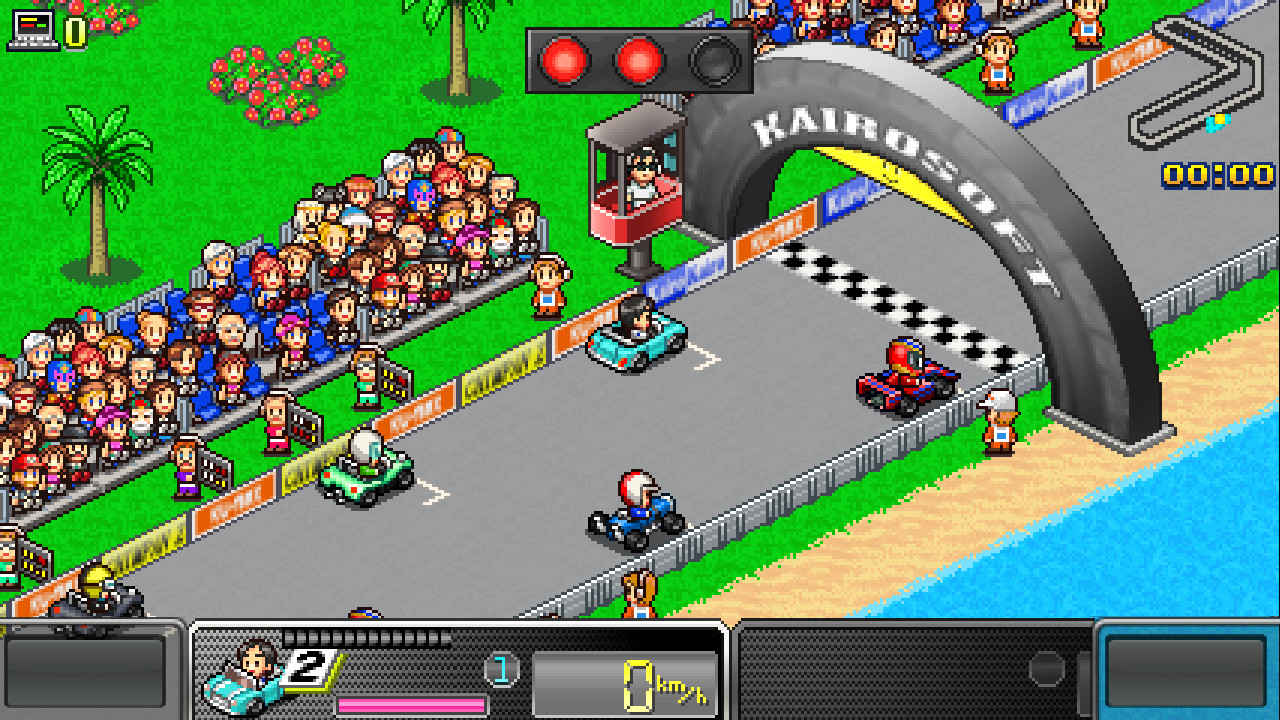
Grand Prix Story puts you in charge of an auto‑racing team. You hire drivers, secure sponsors, and develop vehicles, then enter Grand Prix events to earn prize money and climb the rankings. The game blends team management with race‑day decisions, letting you shape both the crew and the machines.
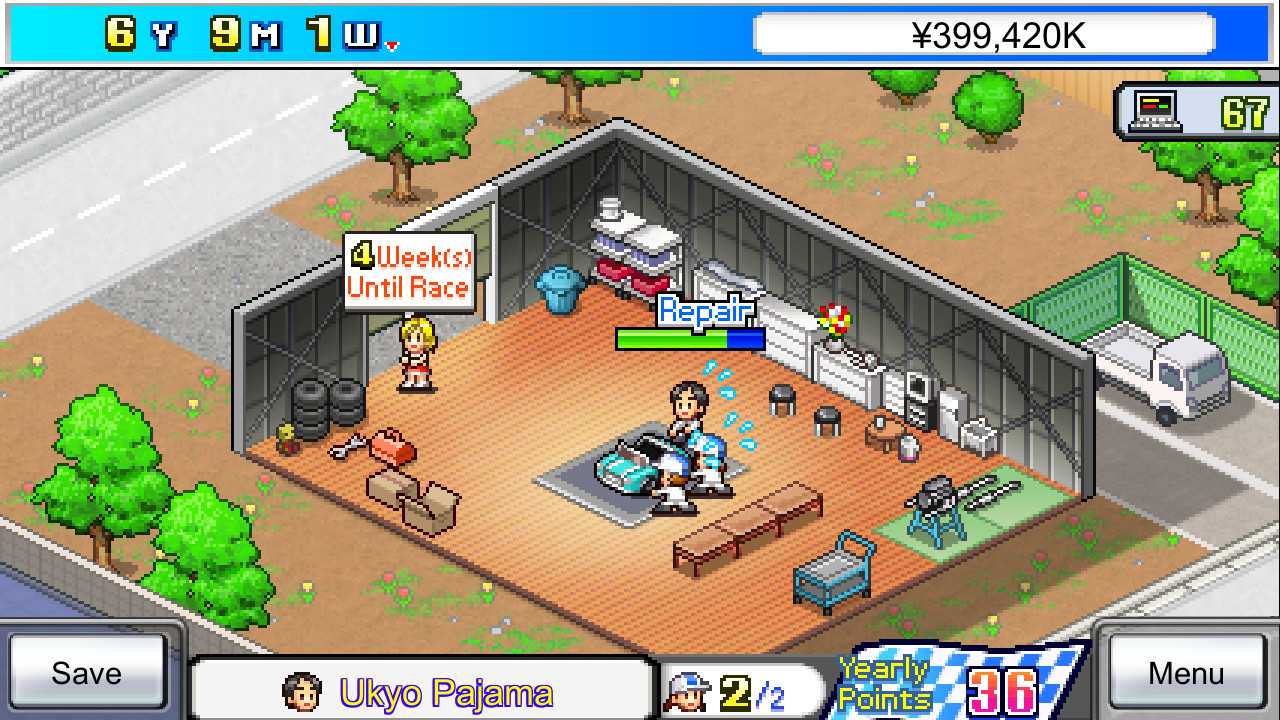
All actions are handled through simple instructions to drivers and mechanics, from training sessions to vehicle upgrades. Success depends on the skill of your staff, the quality of parts, and how well you manage race‑day factors such as qualifying order and durability.
01 / THE GUIDE
Team Management
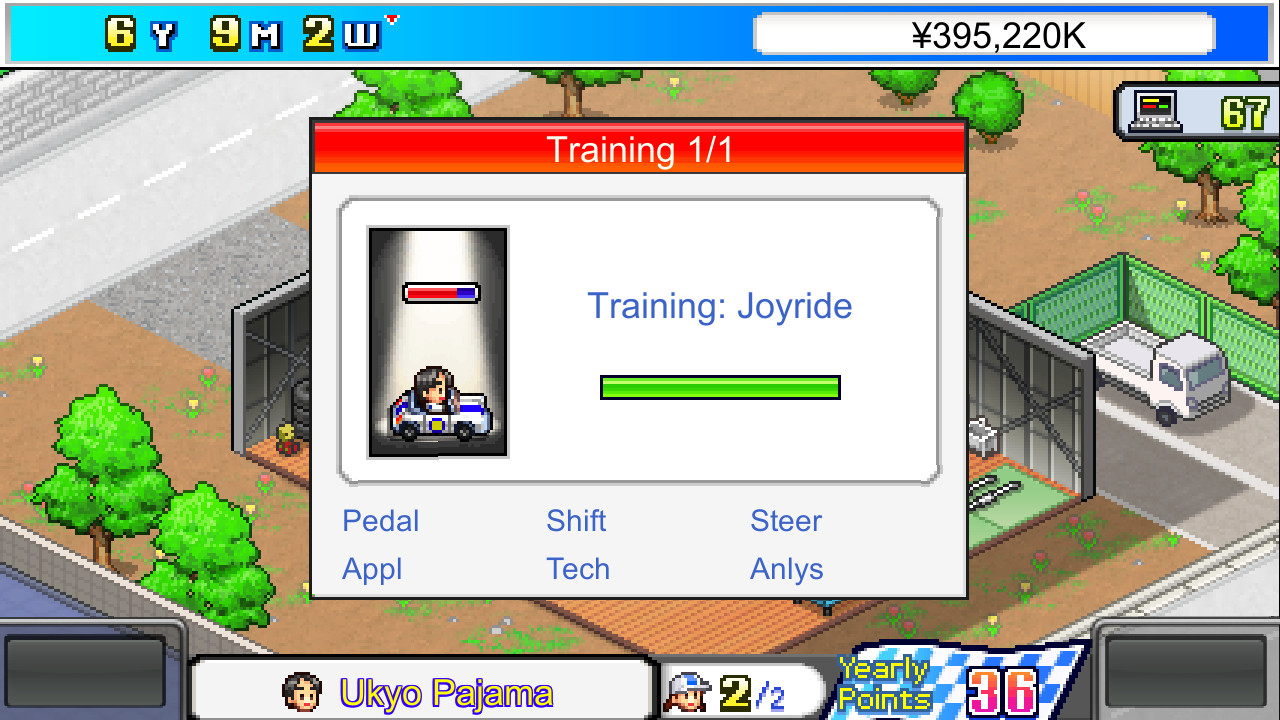
You start by hiring drivers and assigning mechanics. Each staff member can be instructed to train or to work on vehicle development, influencing driver attributes and vehicle performance. The description notes that giving instructions to drivers and mechanics is the core way to improve your team.
Sponsorship contracts are also part of management. When you have a contract, the game calculates advertising effectiveness after each race, with the game calculating your advertising effectiveness after each race. This ties sponsor relationships directly to race outcomes.
- Observe which drivers gain the most attribute bonuses during training and prioritize them for key races.
- Compare the advertising effectiveness of different sponsors to see which performs best.
02 / THE GUIDE
Vehicle Development
Developing a vehicle begins with selecting a vehicle type and drive type. The game's tech level and the rank of the chosen vehicle type can increase performance beyond the base plans, meaning higher‑rank selections are beneficial.
After selection, you install parts. Both the skill of the group performing the installation and the rank of the part affect the final performance boost. This creates a layered approach where staff skill and part quality both matter.
- Match high‑skill mechanics with high‑rank parts for the greatest performance gain.
- Experiment with different drive types to see which aligns best with your drivers' attributes.
03 / THE GUIDE
Qualifying Process
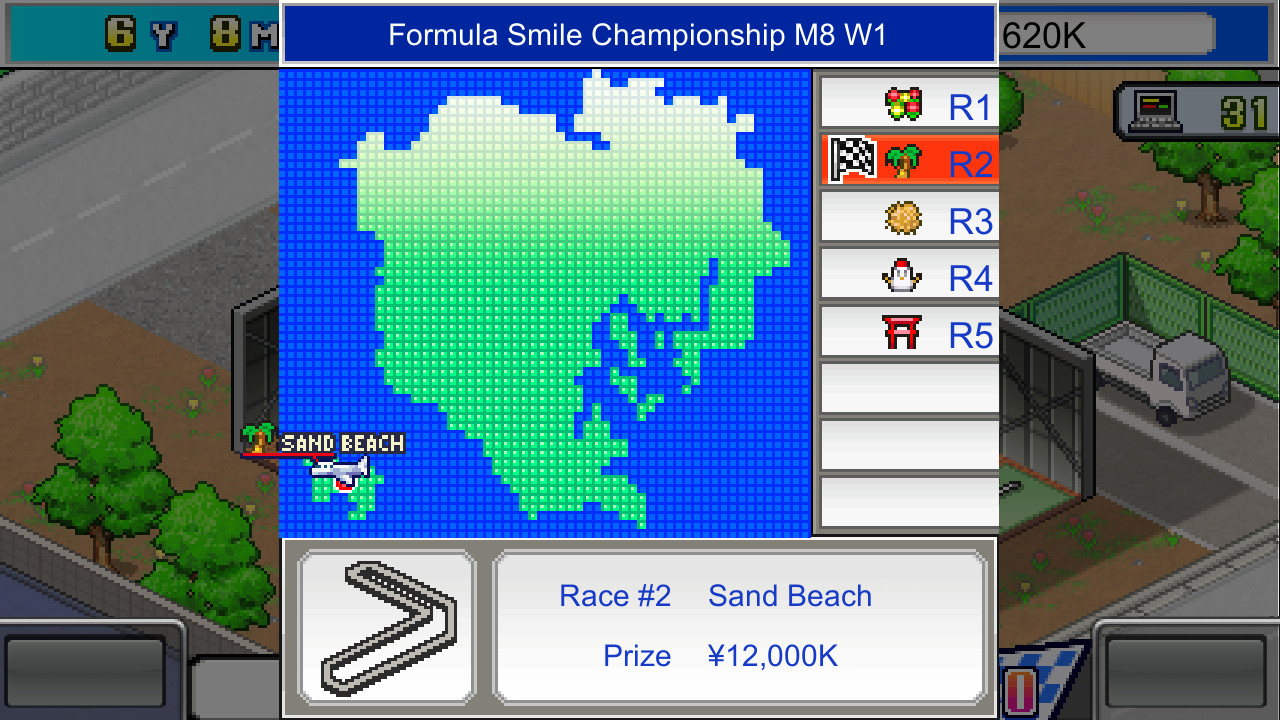
Before each main race, you compete in a qualifying session that determines your starting order. Driver attributes can provide bonuses to vehicle performance during this phase, influencing where you line up on the grid.
A better starting position can be crucial, as it sets the initial conditions for the race itself. Managing driver attributes therefore has a direct impact on qualifying success.
- Focus driver training on attributes that boost qualifying performance for early‑season races.
- Track how starting positions affect race outcomes to refine your qualifying strategy.
04 / THE GUIDE
Race Durability
During the race, each vehicle has a durability meter. If durability reaches zero, the vehicle must withdraw, ending its participation in that event. Monitoring durability is therefore essential for completing races.
While racing, you may also discover Research Data, a resource worth collecting along the way. This adds an incentive to keep the vehicle running as long as possible to gather additional resources.
- Balance performance upgrades with durability improvements to avoid early withdrawals.
- Prioritize collecting Research Data when durability is high to maximize future benefits.
05 / THE GUIDE
Progression and Rewards
After each race, your vehicle and its parts gain experience based on your rank. This experience contributes to overall progression, allowing you to improve performance over time.
Prize money from races, combined with sponsor advertising effectiveness, forms the primary financial reward system. These funds can be reinvested into hiring, parts, and further development.
- Reinvest prize money into higher‑rank parts to accelerate performance gains.
- Track experience growth per part to identify which upgrades yield the best returns.

COMMUNITY
Player discussion