 GameWiki
GET YOUR BEARINGS
About Gloria Victis: Medieval MMORPG
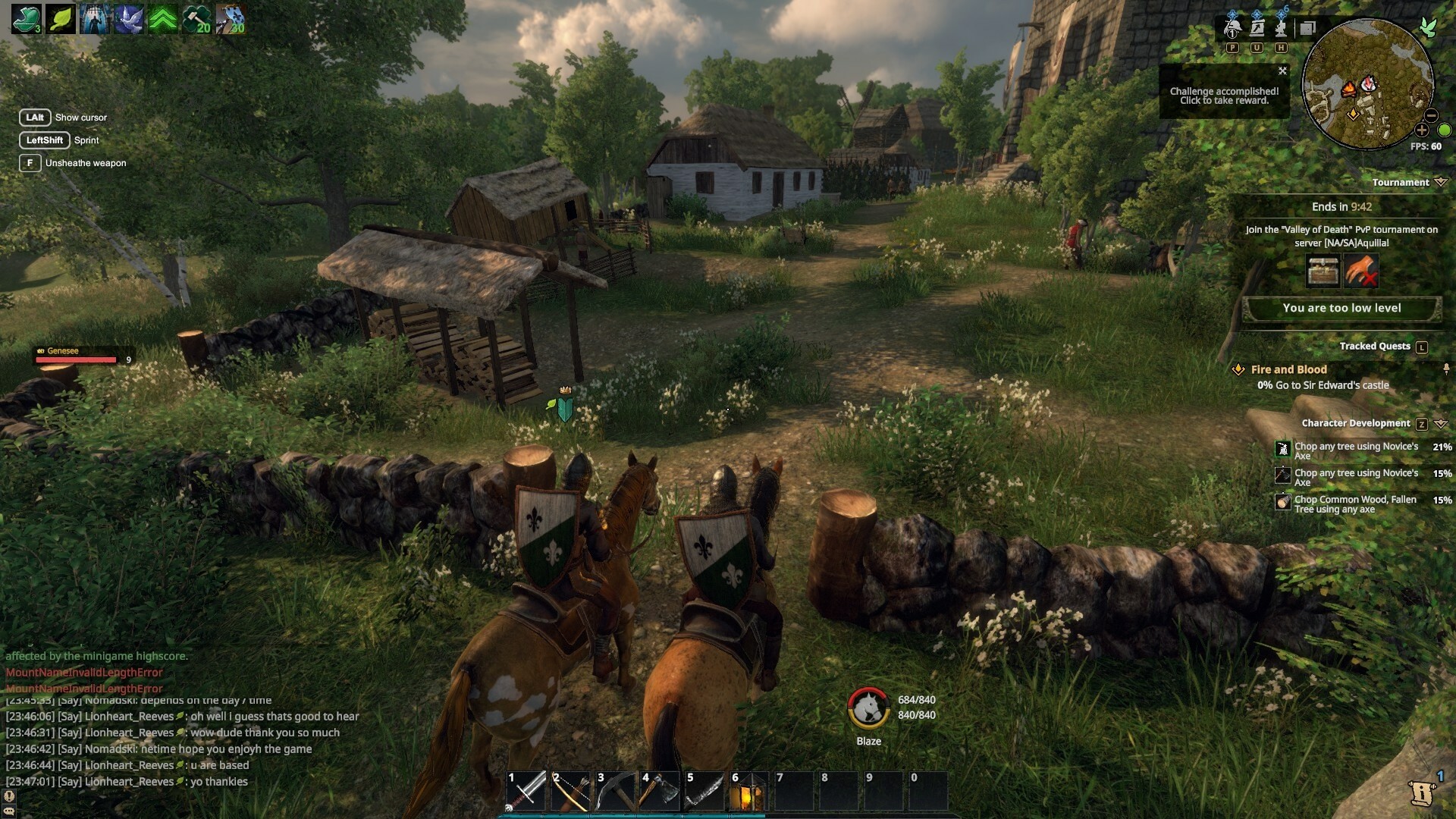
Gloria Victis is a medieval MMORPG that blends open‑world exploration with action‑based, non‑target combat. Players can join one of three nations, claim castles, and shape a living society through warfare, crafting, and trade. The game emphasizes player choice, offering a class‑less progression system and a player‑driven economy where every resource is gathered, crafted, or bartered.
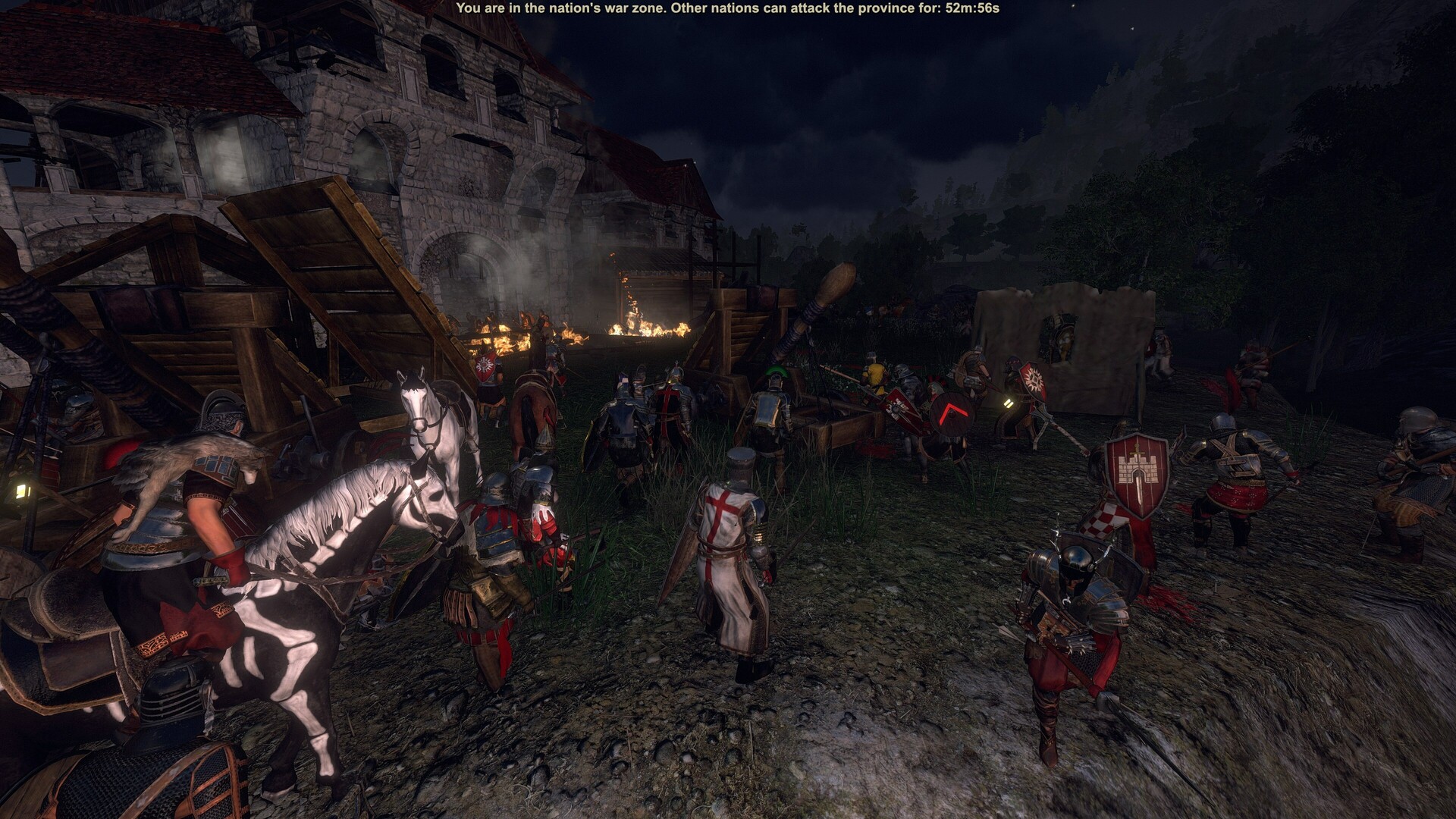
Set in a low‑fantasy world inspired by medieval Europe, the map features frosted peaks, deep forests, swamps, and rocky, arid plateaus. Large‑scale PvP events such as castle sieges and wars collide with solo quests and cooperative dungeons, giving each player the freedom to focus on combat, crafting, or commerce as they see fit.
01 / THE GUIDE
Non‑Target Combat
Combat in Gloria Victis is action‑based and does not rely on targeting systems; player skill and tactics determine outcomes. This design encourages dueling, archery, and commanding allies with real‑time decisions.
The system supports both solo duels and massive battles, allowing participants to earn fame as undefeated duelists or respected commanders. Success depends on positioning, timing, and weapon handling rather than automated targeting.
- Practice timing attacks against moving targets to improve duel success.
- Observe enemy movement patterns to anticipate openings during large battles.
02 / THE GUIDE
Territory Control
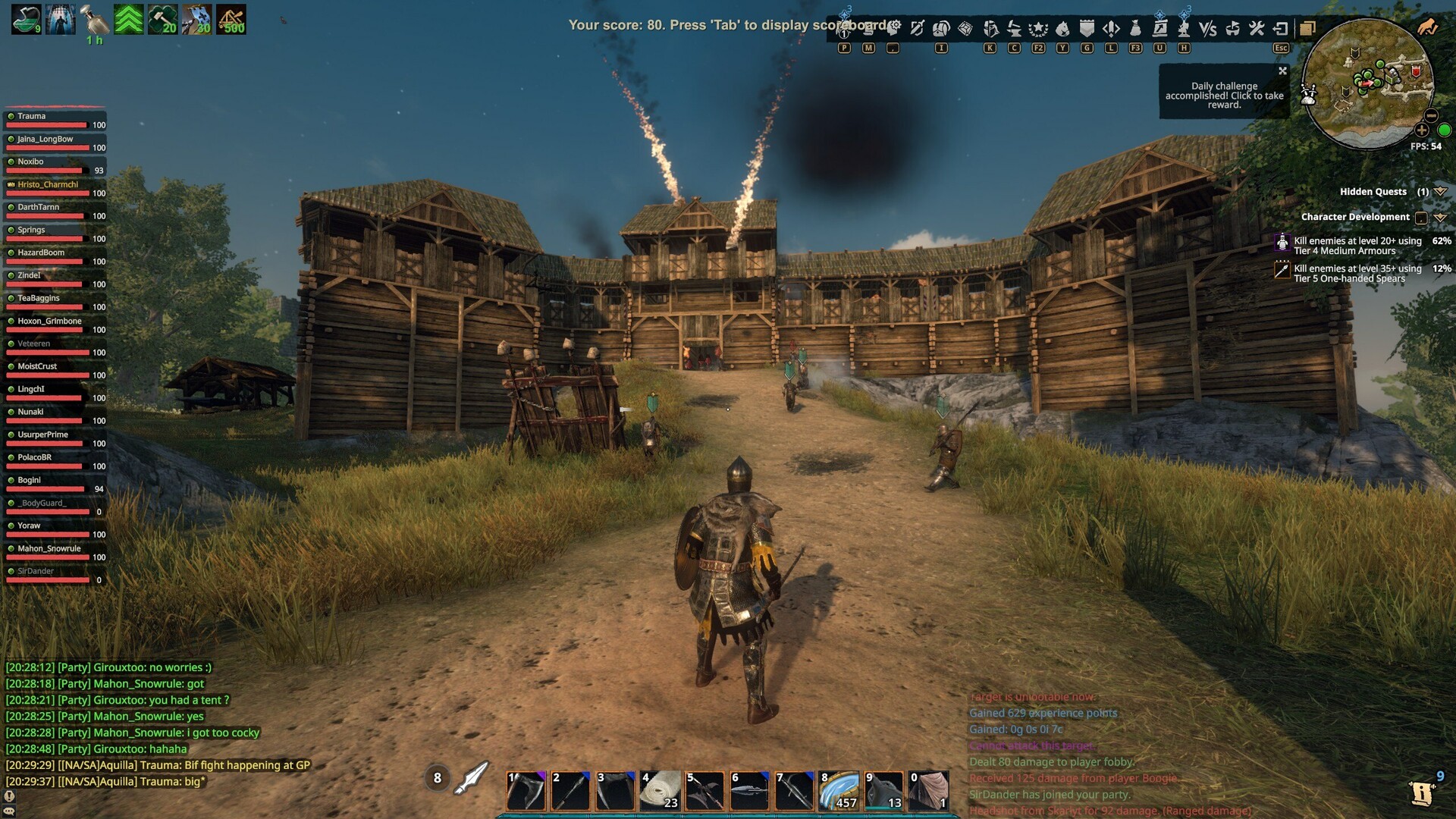
Players can conquer land, siege non‑instanced towns and castles, and build fortifications to hold territory. Control of these areas influences the ongoing conflict between the three nations.
Guilds may claim castles, establishing a base of operations and influencing regional power dynamics. Holding a castle provides strategic advantages for future wars and resource access.
- Coordinate with guild members before sieges to maximize defensive strength.
- Secure resource nodes near contested castles to sustain your forces.
03 / THE GUIDE
Partial Loot System
When battling in high‑risk zones, defeated enemies drop loot that players can select from a limited list before time runs out. This adds urgency and decision‑making to looting.
The system encourages risk‑taking in dangerous areas while offering a safer, less rewarding alternative for players who prefer lower stakes.
- Prioritize high‑value items when the loot timer is short.
- Consider retreating to a safer area if the loot window expires quickly.
04 / THE GUIDE
Player‑Driven Economy
Resources and materials are scattered across the world; players capture nodes and use workstations to craft items. Eight realistic crafts allow specialization, from blacksmithing to farming.
Economy is shaped by player activity: swords are forged by blacksmiths, crops must be protected from pillagers, and trade emerges from supply and demand created by the community.
- Focus on a craft that matches nearby resource nodes for efficiency.
- Form trade agreements with other players to secure rare materials.
05 / THE GUIDE
Class‑Less Progression
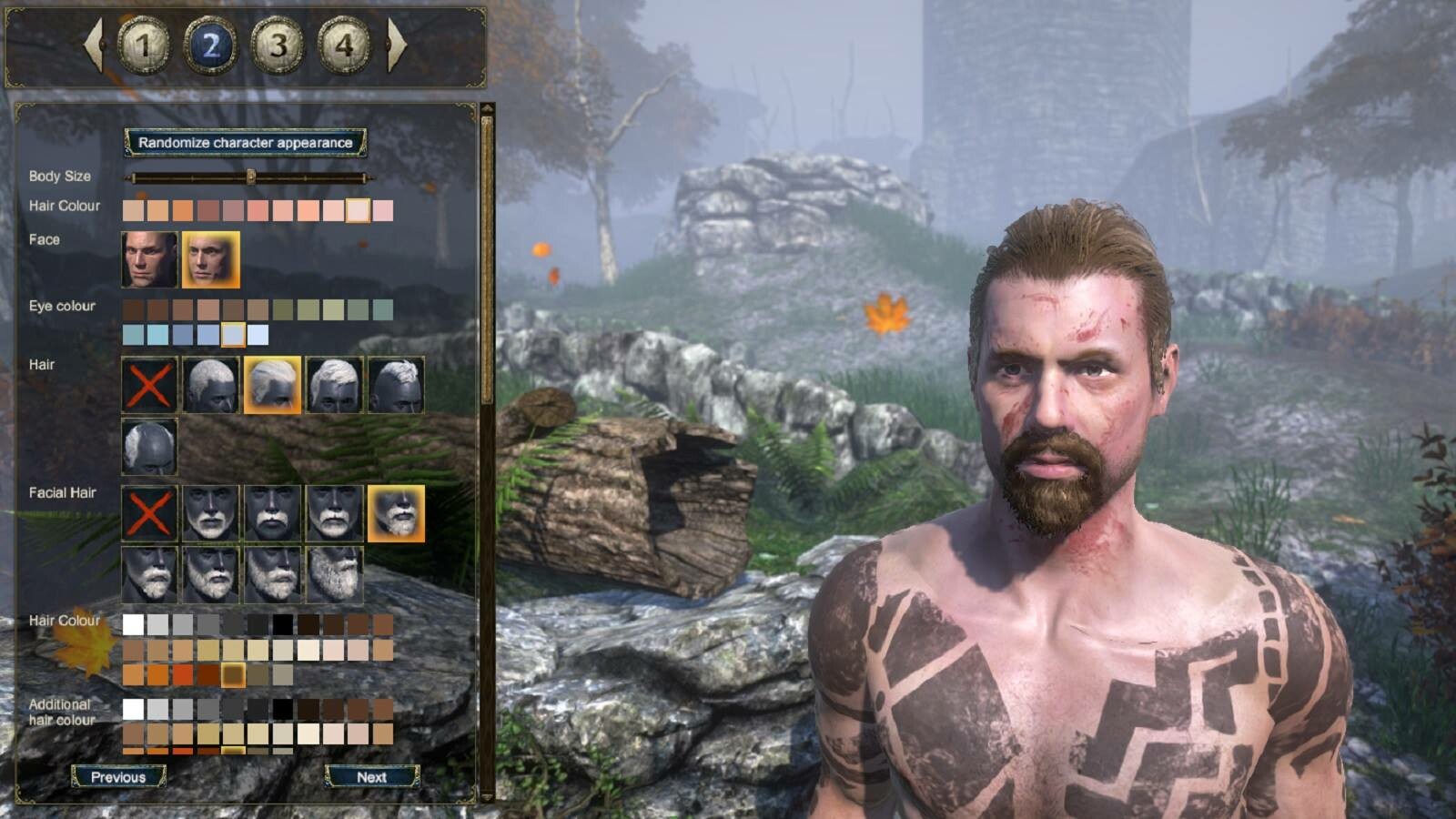
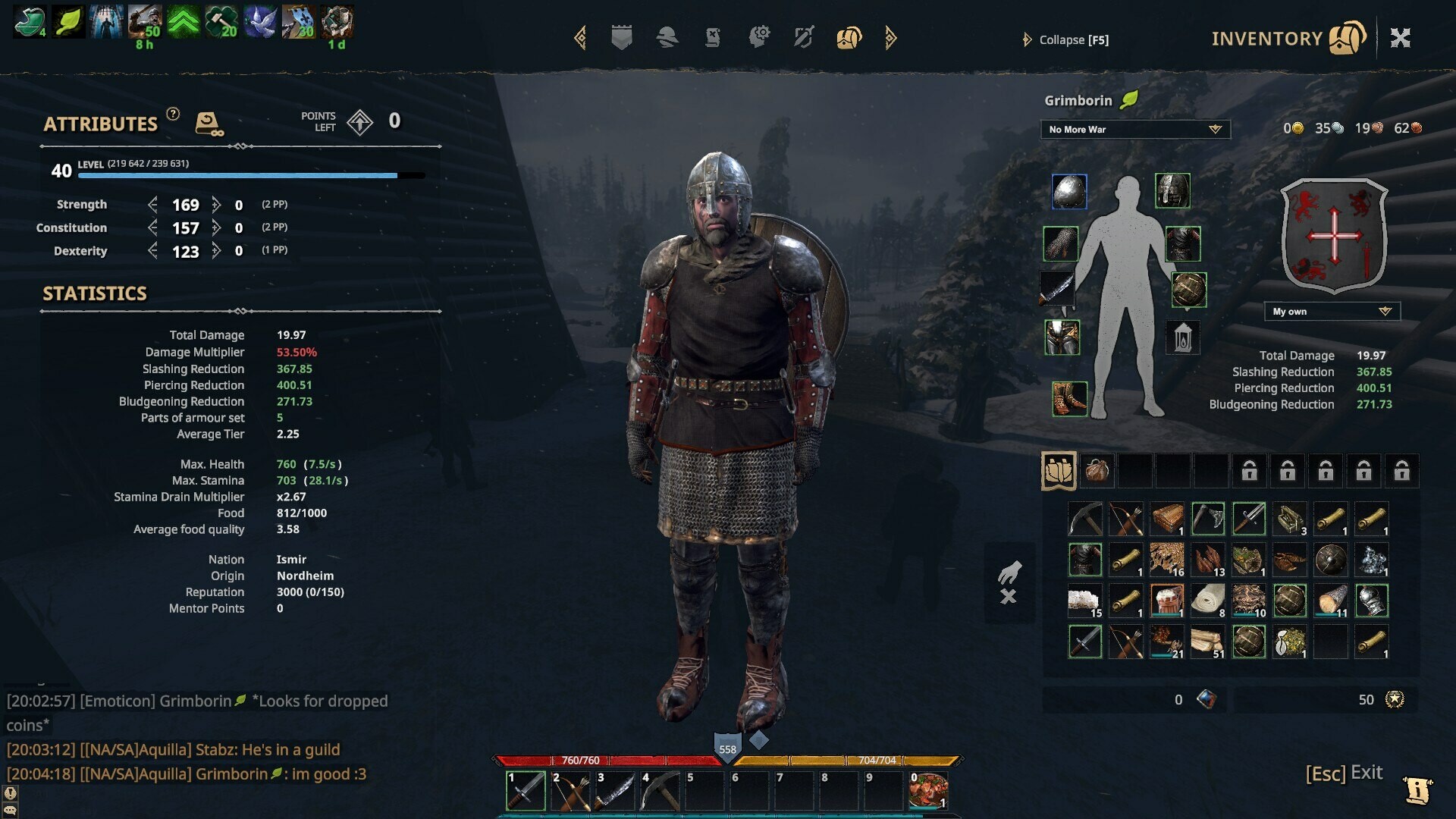
Characters develop without predefined classes, allowing full equipment customization from hundreds of items. Players can shape their role—soldier, archer, healer, or merchant—through gear choices rather than fixed skill trees.
This flexibility lets individuals adapt to changing playstyles, whether focusing on PvP combat, crafting, or exploration, while still advancing within the feudal hierarchy.
- Experiment with different gear sets to discover preferred combat style.
- Align equipment upgrades with your current in‑game goals, such as siege or crafting.
COMMUNITY
Player discussion