 GameWiki

GET YOUR BEARINGS
About Ghostlore
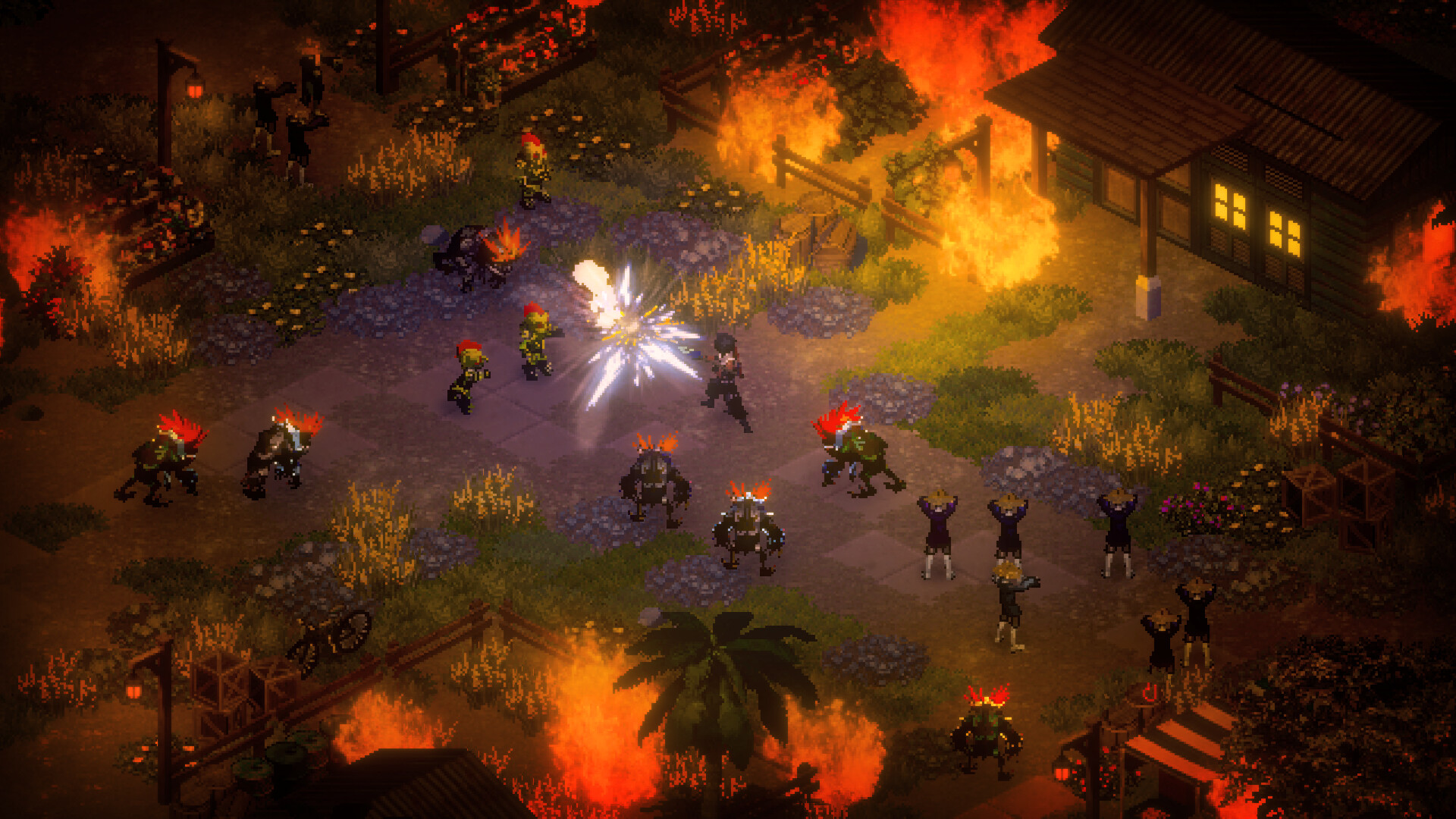
Ghostlore is an Eastpunk action‑RPG that pits players against supernatural monsters drawn from Southeast‑Asian folklore. Inspired by classic ARPGs, it features procedurally generated maps, detailed item and character customization, and retro‑style graphics reminiscent of the 1990s.
Players can mix abilities from three of six distinct classes, inscribe glyphs on a body grid, and wield region‑specific weapons while exploring a world inspired by Singapore, Malaysia and Indonesia. The game supports single‑player, local co‑op for up to four players, and several asynchronous multiplayer features.
01 / THE GUIDE
Classes and Skill‑Link System
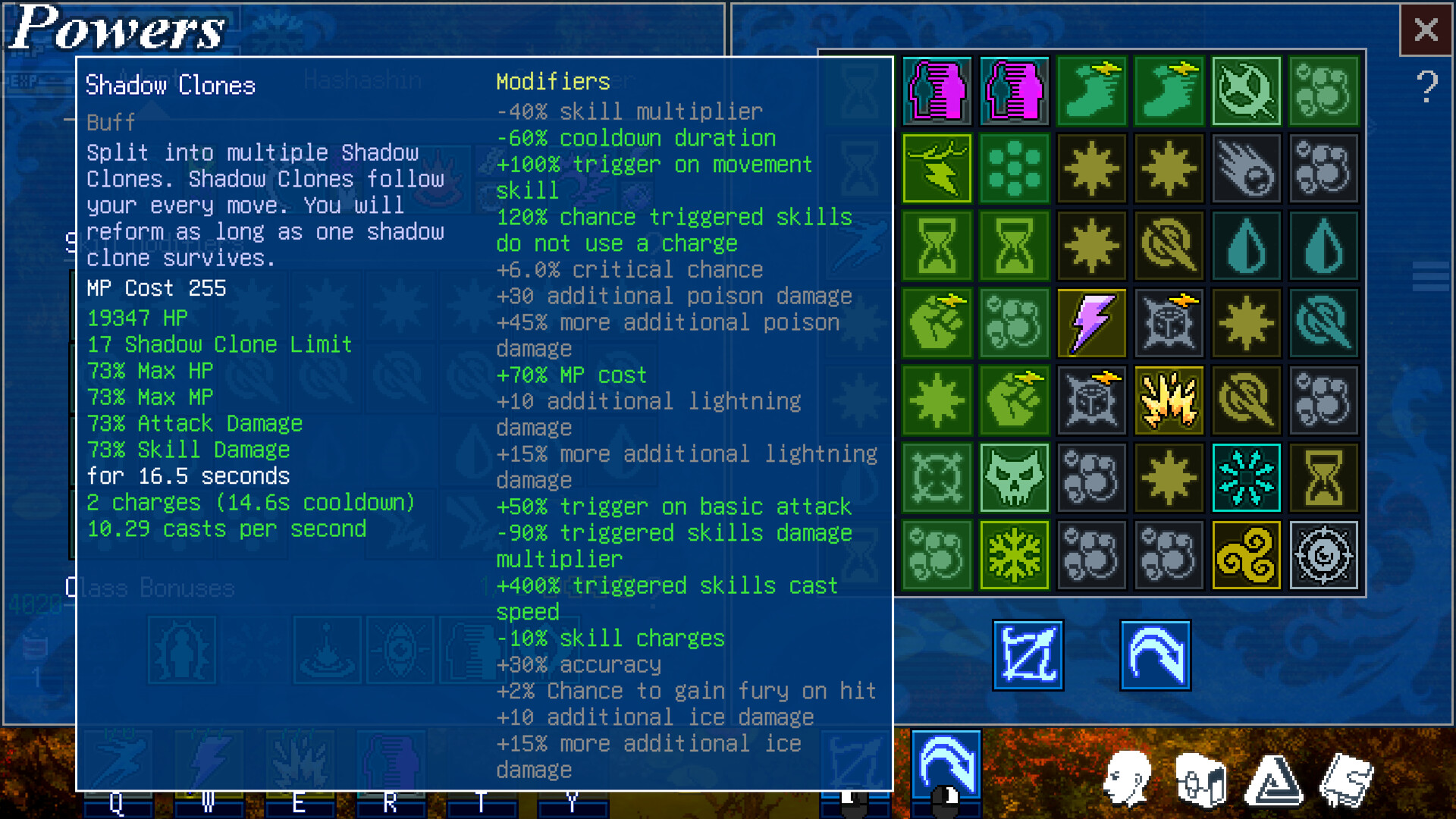
Ghostlore offers six base classes—Adept, Exorcist, Feral, Geomancer, Hashashin and Sentinel—each with its own skill set of active skills, modifiers and passive bonuses. Players may combine abilities from any three classes, placing them on a grid that expands as they level, and rearrange them at will.
Skill modifiers can alter any active skill and may be linked across or down the grid. Some modifiers act as triggers that fire automatically when conditions such as MP availability and cooldown status are met, adding depth to build creation.
- Place trigger modifiers next to frequently used skills to automate low‑cost actions.
- Swap out less‑used abilities when you gain new grid space to keep your build focused on current challenges.
02 / THE GUIDE
Glyph System
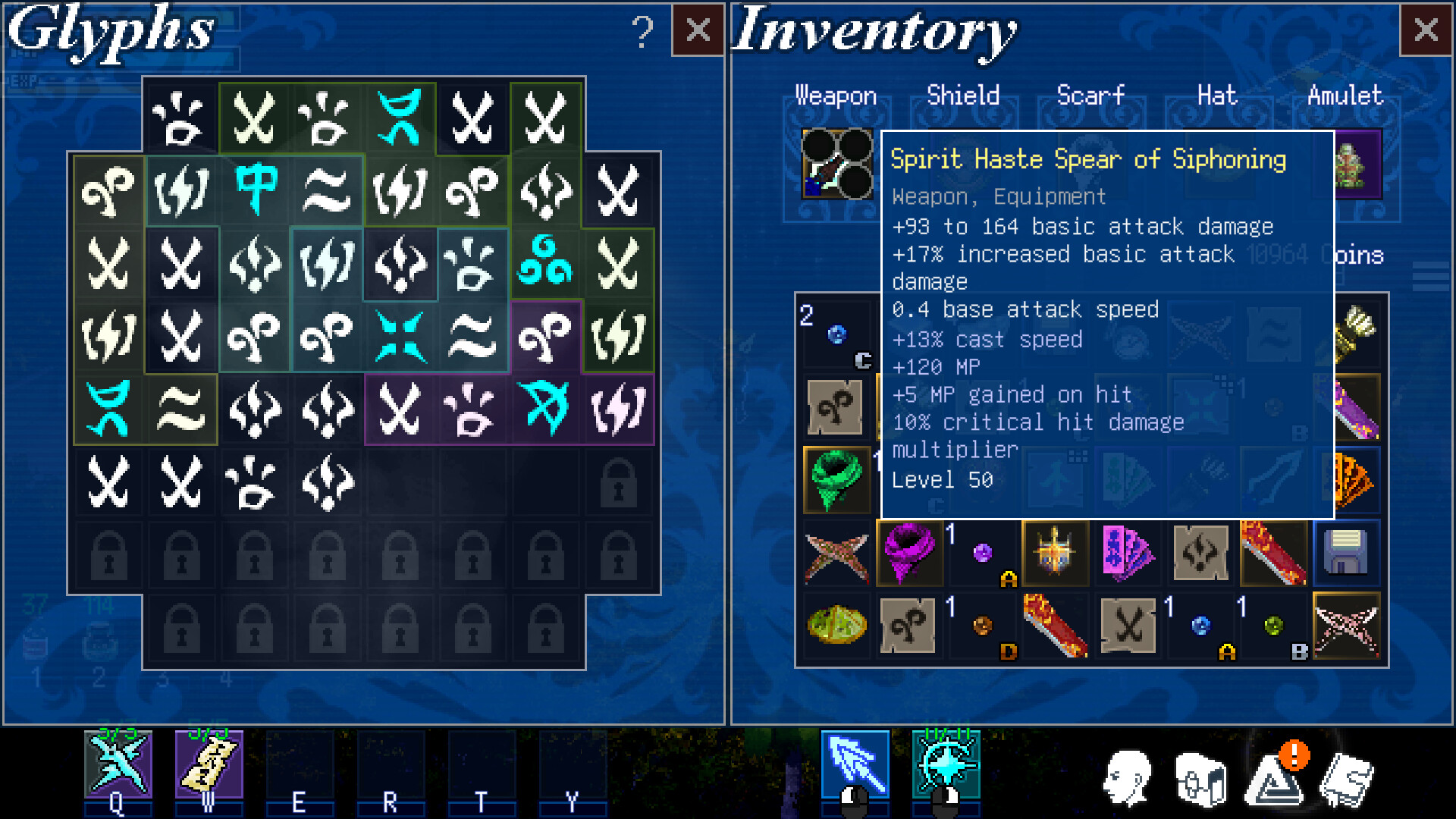
Glyphs are magical symbols based on the Toki Pona language that can be inscribed onto a body grid. As characters level, the number of glyph slots grows, allowing more symbols and the creation of rare compound glyphs that occupy five spaces but boost surrounding glyphs.
Compound glyphs grant additional bonuses to any glyph placed within their configuration. Planning the layout of compound and regular glyphs lets players maximise stat bonuses and tailor their character’s powers beyond the skill grid.
- Group related glyphs around a compound glyph to benefit from its extra bonuses.
- Reserve a few empty slots for future glyphs you might acquire later.
03 / THE GUIDE
Weapons, Amulets and Item Spirits
The game features Southeast‑Asian weapons such as the wavy Kris, long‑reach spear, fast‑attacking kukri, and enchanted talismans that can fly. Amulets, modeled after real‑world good‑luck charms, provide situational power when equipped.
Items may house dormant spirits; visiting the Psychic awakens these spirits, who then request a task. Completing the request grants the item new enchantments. Occasionally, nature spirits called Orang Bunian bless items with random properties.
- Awaken a spirit on a weapon you use most often for the greatest impact.
- Equip an amulet that matches the enemy type you expect to face for a situational edge.
04 / THE GUIDE
Co‑op and Asynchronous Multiplayer
Ghostlore supports local co‑op for up to four players on the same screen, letting friends tackle the same procedurally generated world together. The Shrine of Balance lets players send equipment to others, improving loot chances when the recipient uses the gear.
The Shrine of Spirits allows a snapshot of another player’s character—called “Ghost Data”—to appear as an allied NPC in your game, adding cooperative assistance without requiring simultaneous play.
- Donate gear a friend can put to use; you have better chances of good loot in return when they use your equipment.
- Summon a Ghost Data that matches your current build for extra synergy during tough fights.
05 / THE GUIDE
Procedural World and Folklore Enemies
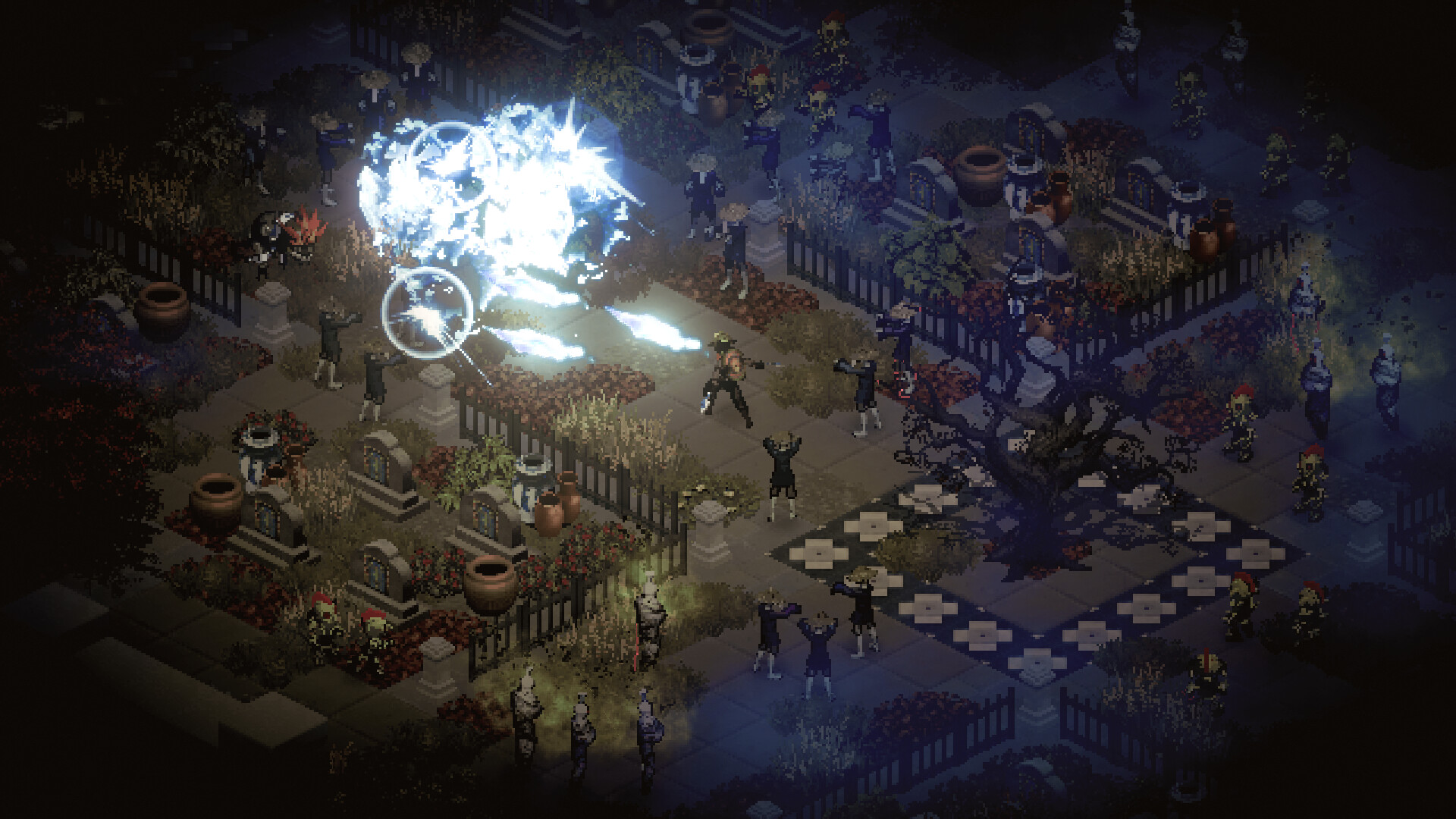
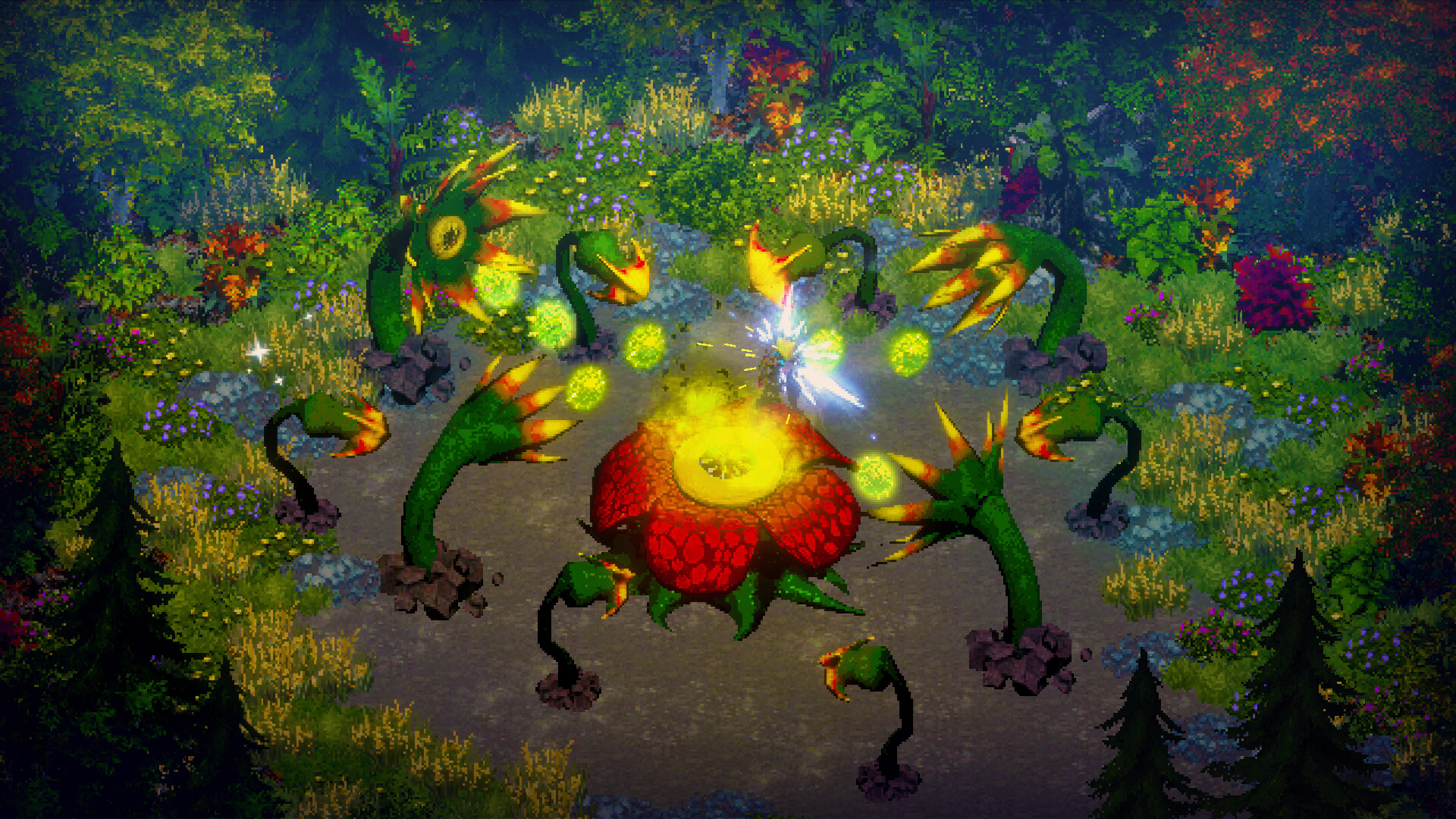
The map is procedurally generated and draws inspiration from Singapore, Malaysia, Indonesia and the broader Southeast Asian region. Over 40 distinct enemies appear, each based on regional folklore such as the Penanggal, Babi Ngepet and Hungry Ghosts.
Enemy tactics reflect their mythic descriptions, encouraging players to adapt strategies and learn cultural lore while exploring unfamiliar terrain. Food items can be prepared to boost stats before confronting tougher folklore creatures.
- Observe each enemy’s described quirks to anticipate their attack patterns.
- Use region‑specific food items to boost stats before entering areas populated by tougher folklore creatures.
COMMUNITY
Player discussion