 GameWiki
GET YOUR BEARINGS
About Gas Station Simulator
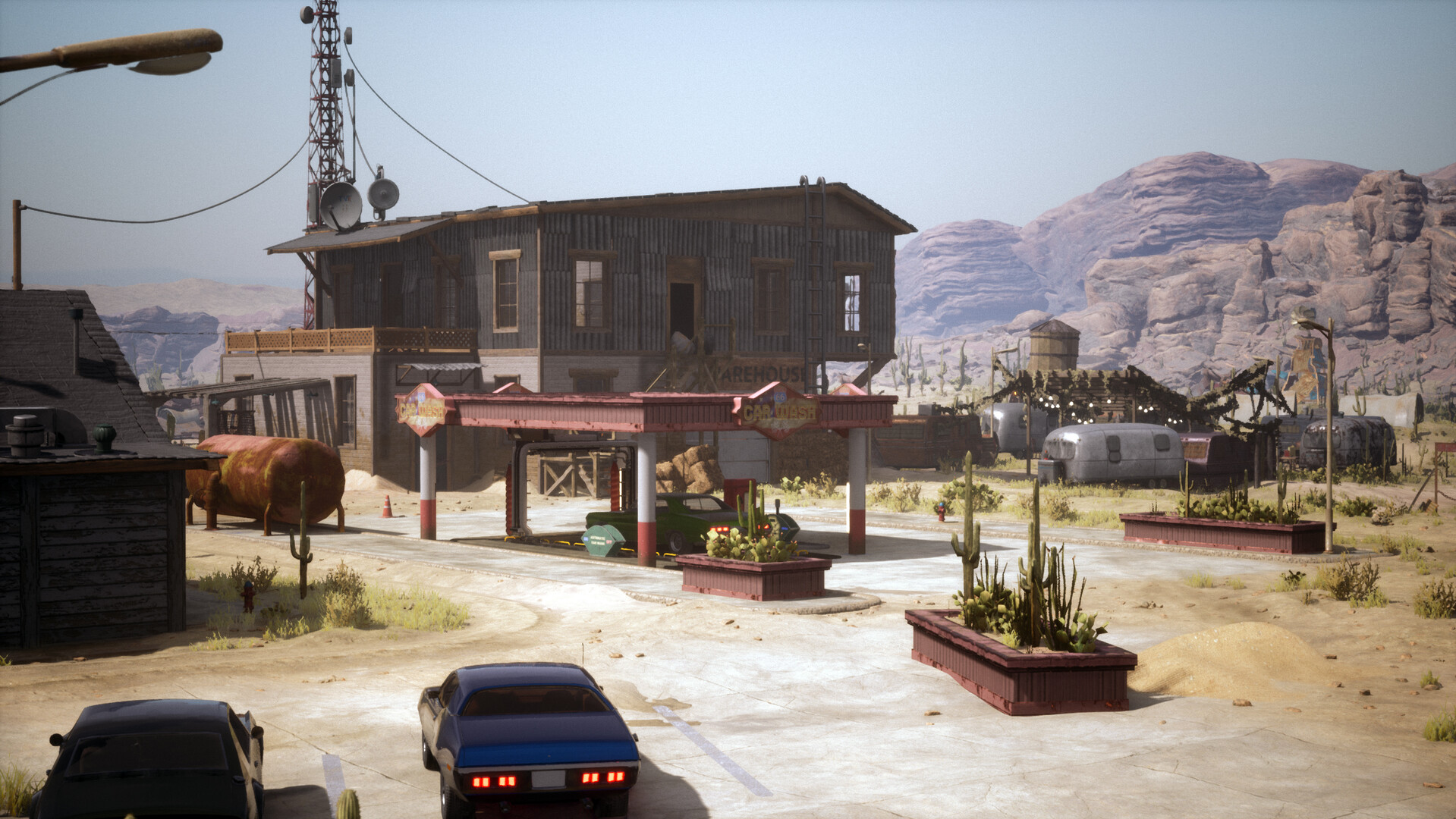
Gas Station Simulator lets you buy an abandoned desert fuel stop and turn it into a thriving business. You can clean up, repair, paint and decorate the station while balancing finances. Expanding the site adds services like a shop, workshop or car wash, drawing more customers. Employees can be hired to share tasks, and a warehouse lets you store larger stock. The game offers both casual play and deep micromanagement, with events and customization throughout.
01 / THE GUIDE
Renovation Basics
The first step is purchasing the rundown station and clearing debris, broken furniture and damaged walls. You can then repair equipment, replace irreparable items and begin serving customers. Visual upgrades like paint and decorations improve the station’s appearance, which attracts more visitors.
While aesthetics matter, the game warns against spending all cash on looks before the station is functional. Balancing repairs with initial income is essential for sustainable growth.
- Prioritize fixing fuel pumps before adding decorative items.
- Use early profits to buy essential equipment rather than luxury décor.
02 / THE GUIDE
Service Expansion
Beyond fuel, you can add services such as toilets, a shop, a workshop for repairs, or a car wash. Each new service can be further expanded, giving more options to attract varied customers. More services increase potential income but also add complexity.
Expanding gradually lets you manage the added workload and ensures you have the necessary staff and stock to support new offerings.
- Start with a simple shop before building a full workshop.
- Match new services with customer demand observed during peak hours.

03 / THE GUIDE
Employee Management
Hiring employees helps handle tasks that become overwhelming for a single player. Workers have individual skills and improve through experience, becoming more efficient at specific duties. Multiple hires allow you to delegate fueling, sales, repairs and cleaning.
Employees level up based on the tasks they perform, so assigning them to their strengths speeds up service and improves customer satisfaction.
- Assign skilled employees to high‑traffic tasks like fueling.
- Rotate staff to let them level up across different duties.
04 / THE GUIDE
Stock and Warehouse Management
Keeping track of inventory is crucial; you must order supplies at the right time and price to maintain profit margins. Running out of goods or fuel can halt sales, especially during busy periods.
Building and expanding a warehouse increases storage capacity, allowing you to take advantage of low‑price opportunities and buffer against delivery delays.
- Monitor stock levels regularly to avoid sudden shortages.
- Upgrade the warehouse before expanding services that require more inventory.
05 / THE GUIDE
Time and Customer Management
Customers expect quick fueling, shopping and repairs, and they become impatient during peak hours. Effective scheduling of tasks during quieter periods helps meet demand without long waits.
Balancing priorities and managing time pressure are key to keeping customers happy and maintaining steady income.
- Schedule repairs during off‑peak times to reduce wait times.
- Prioritize fueling when multiple cars line up.



COMMUNITY
Player discussion