 GameWiki

GET YOUR BEARINGS
About Forensics: Crime Scene Detective
Forensics: Crime Scene Detective puts you in the role of a forensic analyst, working after the police have secured a scene. You move through apartments, bars and basements, looking for subtle clues such as fingerprints, hidden messages and tiny blood spatters.
The game splits each case into a crime‑scene investigation and a laboratory analysis. Using authentic tools you compare DNA, reconstruct ballistics and decrypt digital devices, then decide whether suspects are guilty, innocent or acting in self‑defence.
01 / THE GUIDE
Crime Scene Investigation
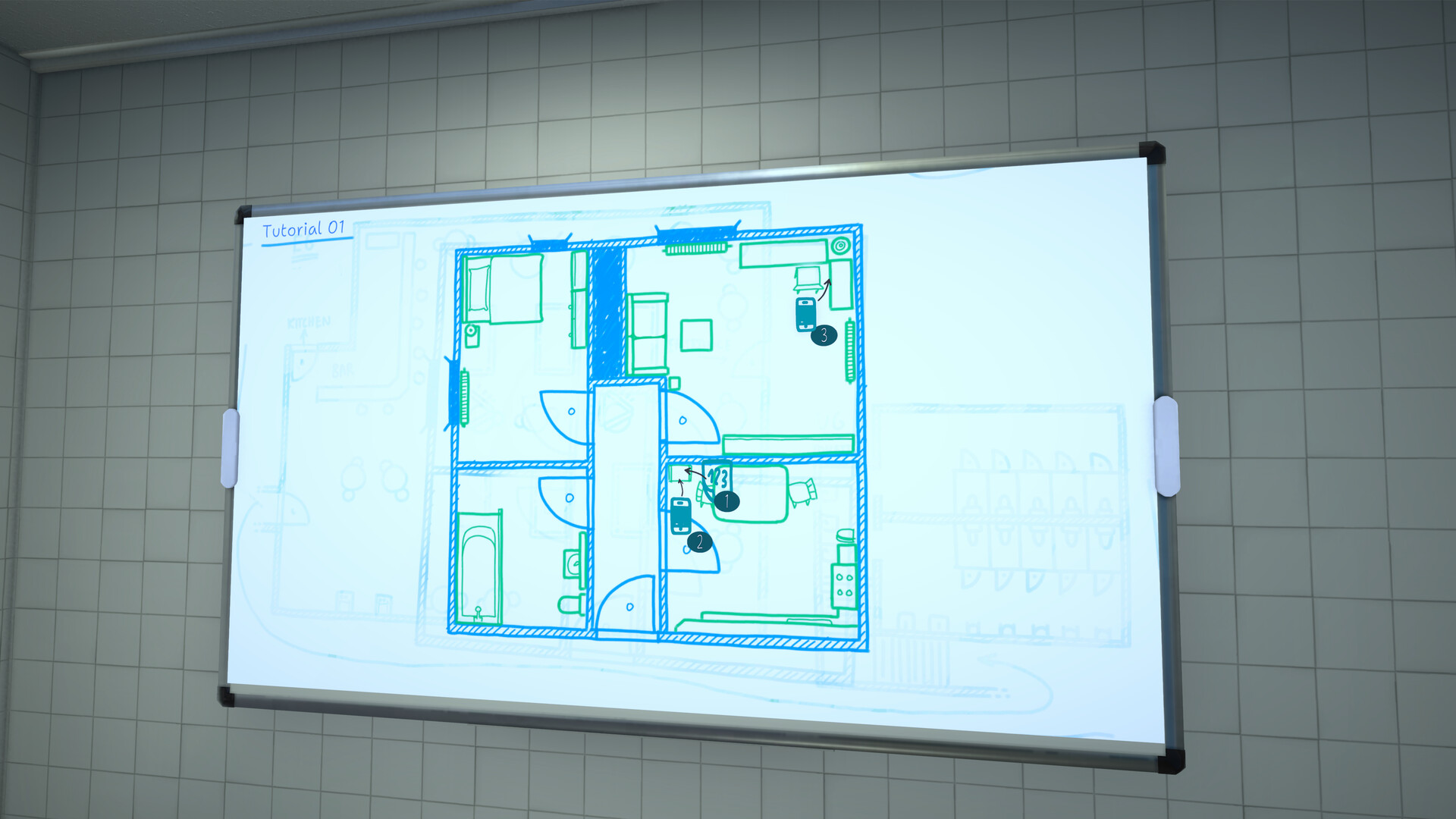
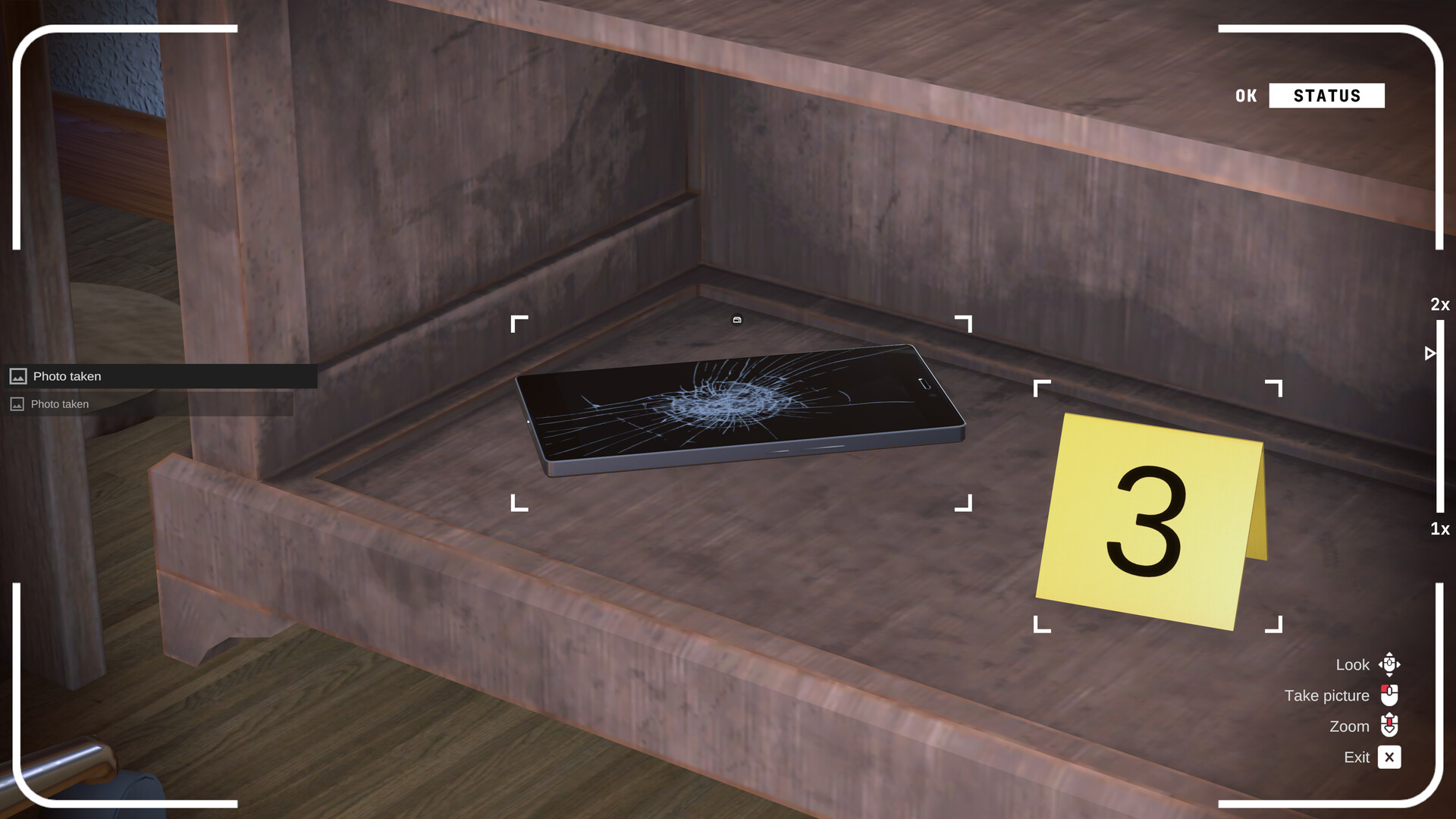
You begin each case once the sirens fade, entering the location with a set of professional tools. The focus is on locating evidence that others might miss, like a faint fingerprint on a wine glass or a concealed blood spatter.
The investigation is methodical: you choose which traces to collect, knowing that overlooked items can leave the case unsolved. Your decisions shape the evidence you later analyse in the lab.
- Take a moment to scan the whole area before collecting specific items.
- Compare the placement of evidence to the narrative you’ve built so far.
02 / THE GUIDE
Laboratory Analysis
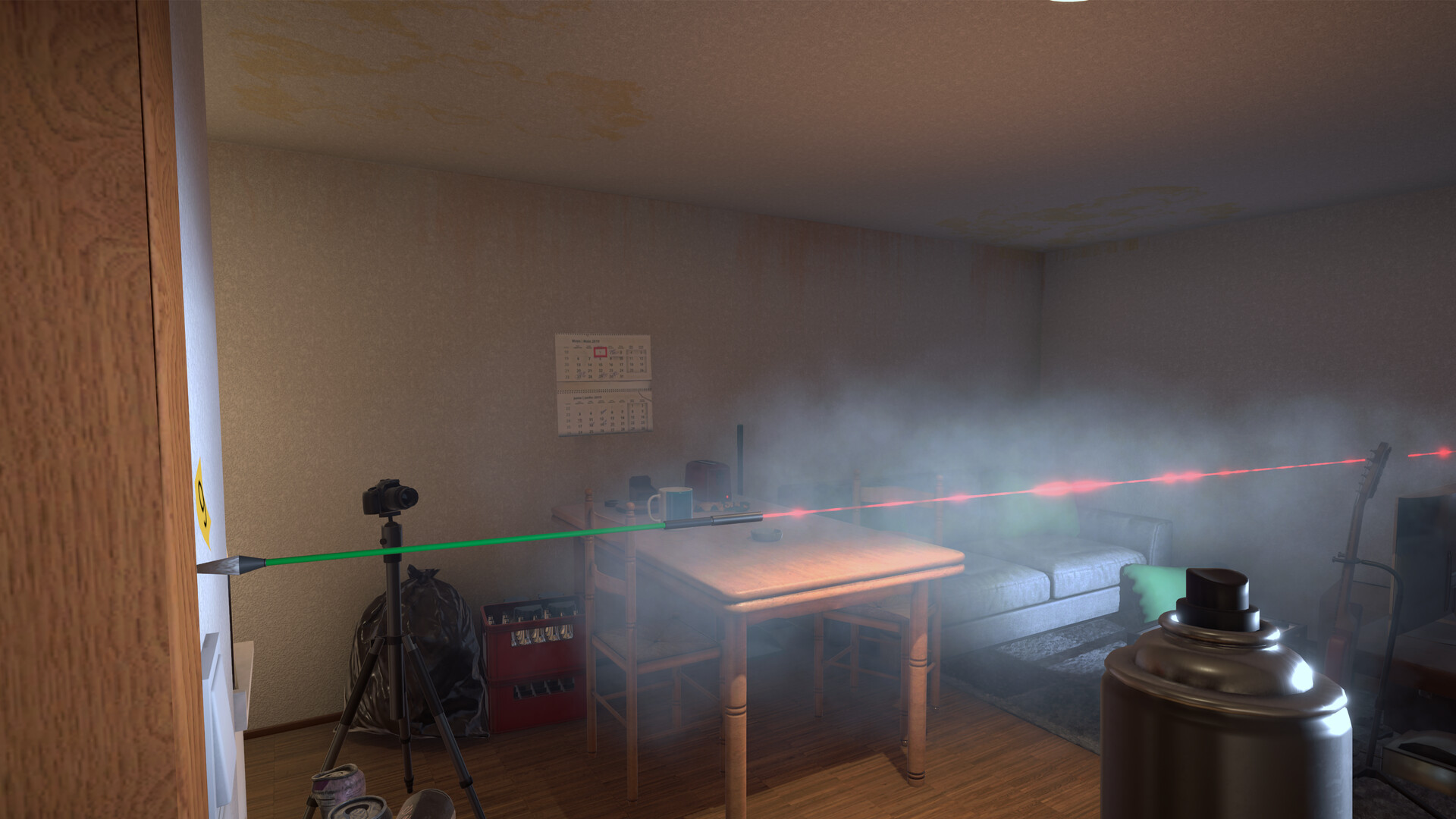
After gathering evidence, you move to a virtual lab where the evidence is examined in detail. DNA swabs, fingerprint powder and ballistic trajectory rods help you reconstruct what happened.
Logical data analysis lets you compare DNA profiles, trace bullet paths and decrypt digital devices, turning raw clues into a coherent story that can incriminate or exonerate suspects.
- Cross‑reference DNA results with suspect lists early.
- Use the ballistic rod to verify the plausibility of shot angles.

03 / THE GUIDE
Realistic Forensic Tools
The game includes authentic equipment such as DNA swabs, fingerprint powder, ballistic trajectory rods and digital forensic kits. These tools mirror those used by real investigators, adding a layer of authenticity to each case.
Because the tools are modeled after real‑world counterparts, the learning curve reflects genuine forensic methodology, encouraging careful, evidence‑based decision making.
- Observe how each tool interacts with different evidence types.
- Practice using the same tool on multiple cases to master its nuances.
04 / THE GUIDE
Cases Inspired by Real Events
Sixteen cases are drawn from real scenarios and the experience of experts from the State Criminal Police Office Rhineland‑Palatinate (LKA RLP). The narratives are sober, logical and focus on meticulous evidence evaluation.
Each case challenges you to determine whether a death was self‑defence, murder, accident or a staged scene, reflecting the complexity of genuine investigations.
- Consider the motive behind each scenario as you gather clues.
- Look for inconsistencies between witness statements and physical evidence.
05 / THE GUIDE
Outcome Determination
Your analysis directly influences the fate of suspects. By presenting a clear picture of the evidence, you can incriminate perpetrators or exonerate the innocent.
The game does not prescribe a single path; your instincts about which traces matter guide the final verdict, emphasizing the weight of forensic judgment.
- Re‑evaluate earlier assumptions if new evidence contradicts them.
- Document your reasoning to ensure a transparent conclusion.

COMMUNITY
Player discussion