 GameWiki

GET YOUR BEARINGS
About Fears to Fathom - Home Alone
Fears to Fathom is an episodic psychological horror series that tells short, survivor‑narrated stories. The first episode, Home Alone, is free to play and introduces the series’ tone and mechanics while additional episodes are announced for the future. The game places players in a photo‑realistic, VHS‑styled environment where choices affect survival. It runs on Windows, supports single‑player play, Steam achievements and family sharing, and includes text messages from NPCs and optional voice activity.
01 / THE GUIDE
Episodic Structure
Each installment of Fears to Fathom is presented as a self‑contained short story, narrated by a character who survived the events. The first episode, Home Alone, is available at no cost, with more episodes promised later. This design lets players experience distinct horror scenarios without a long‑term campaign. Because episodes are separate, the game does not require progress to be carried over between them, allowing each playthrough to start fresh.
- Try playing the free episode first to gauge the series’ tone before waiting for future releases.
- Consider noting the choices you make; they determine whether the protagonist survives.
02 / THE GUIDE
Narrative Perspective
Home Alone follows Miles, a 14‑year‑old who is left alone while his parents travel for work. The story unfolds from his point of view, and the outcome depends on the decisions the player makes during the night. Surviving the episode is described as making the right choices. The narrator’s survivor status frames the storytelling, giving the player a personal stake in the outcome.
- Pay attention to Miles’ situation; his age and isolation shape the challenges you’ll face.
- Think about the consequences of each decision, as they directly affect survival.
03 / THE GUIDE
Visual Style
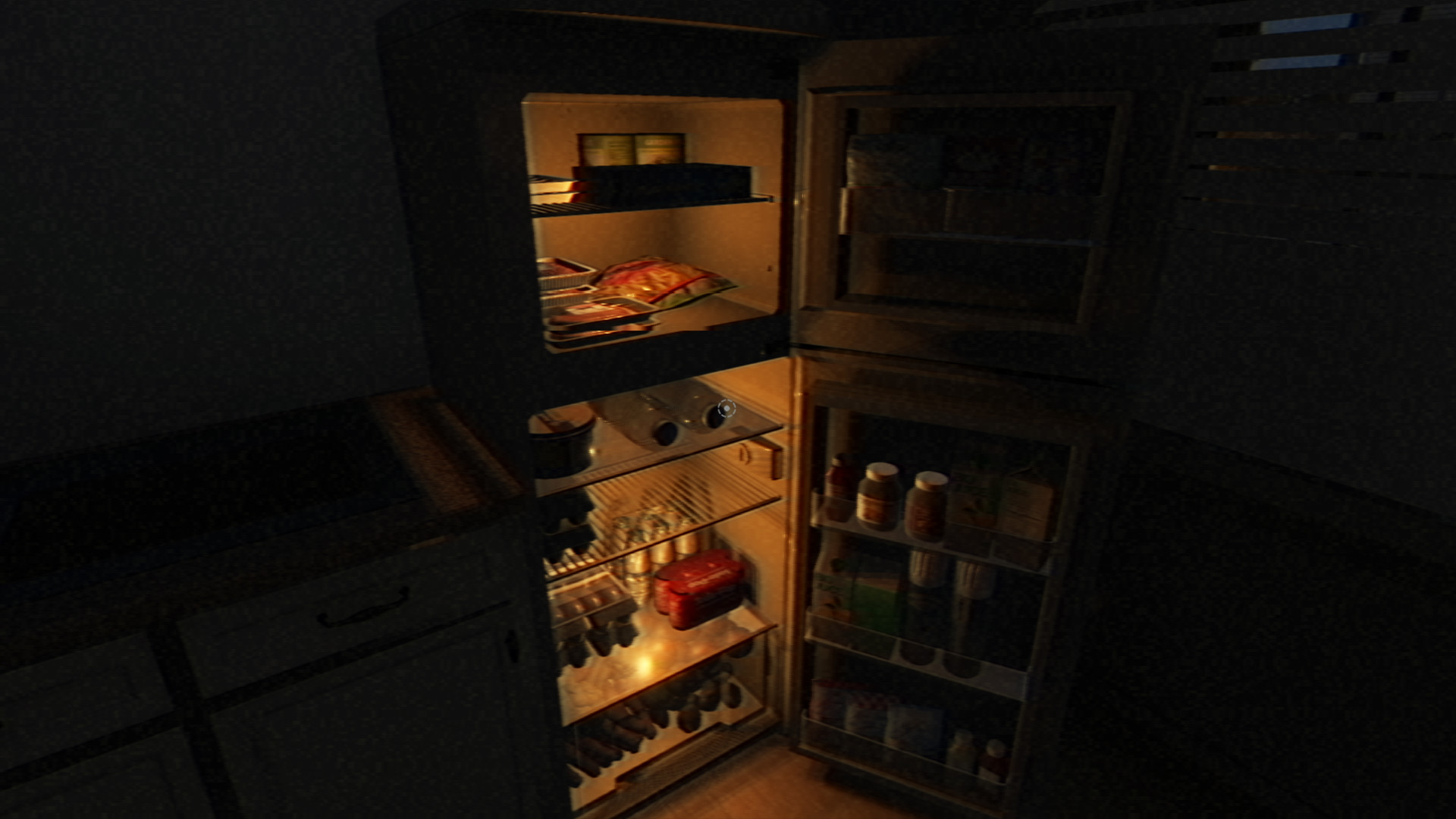
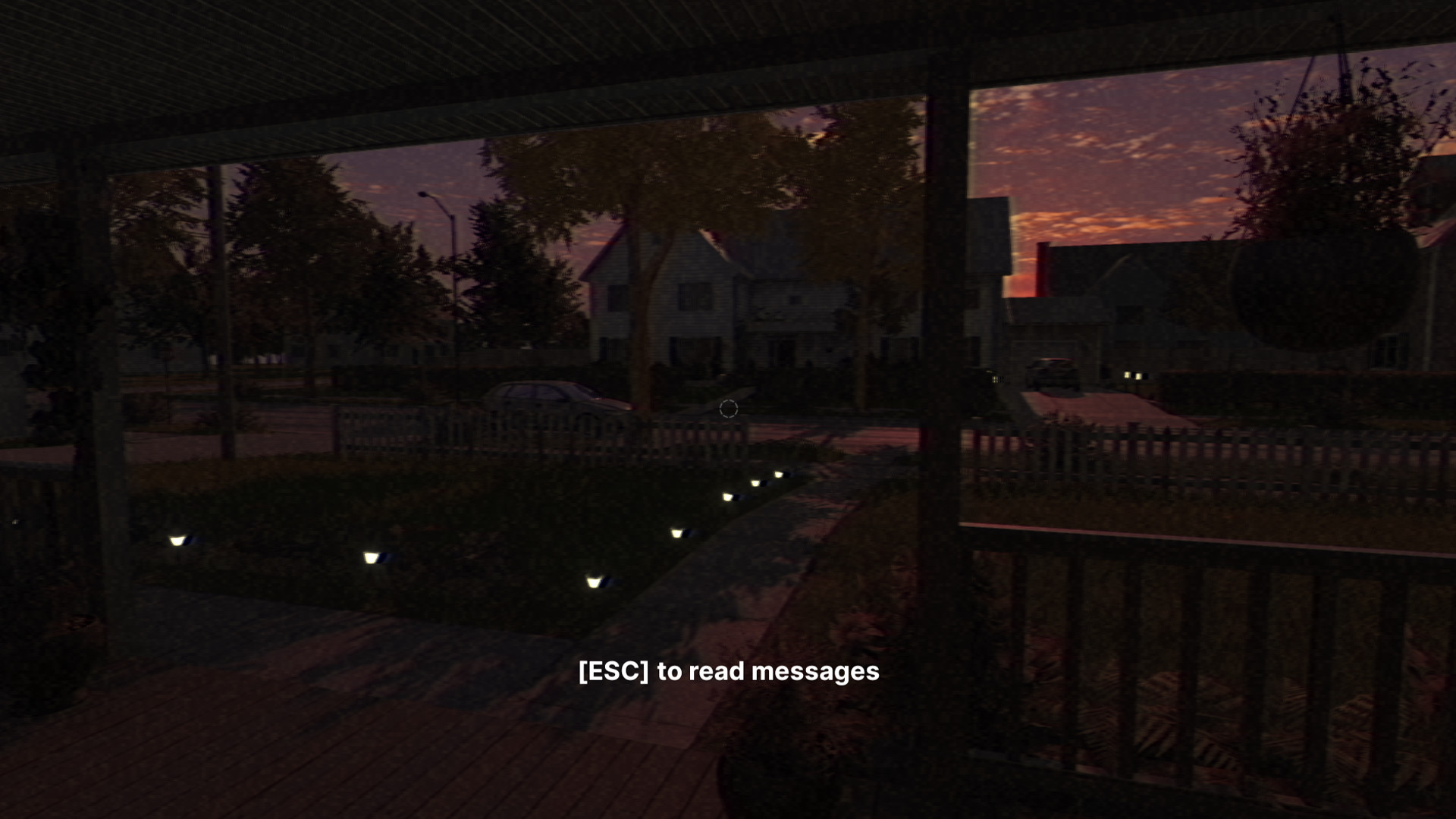
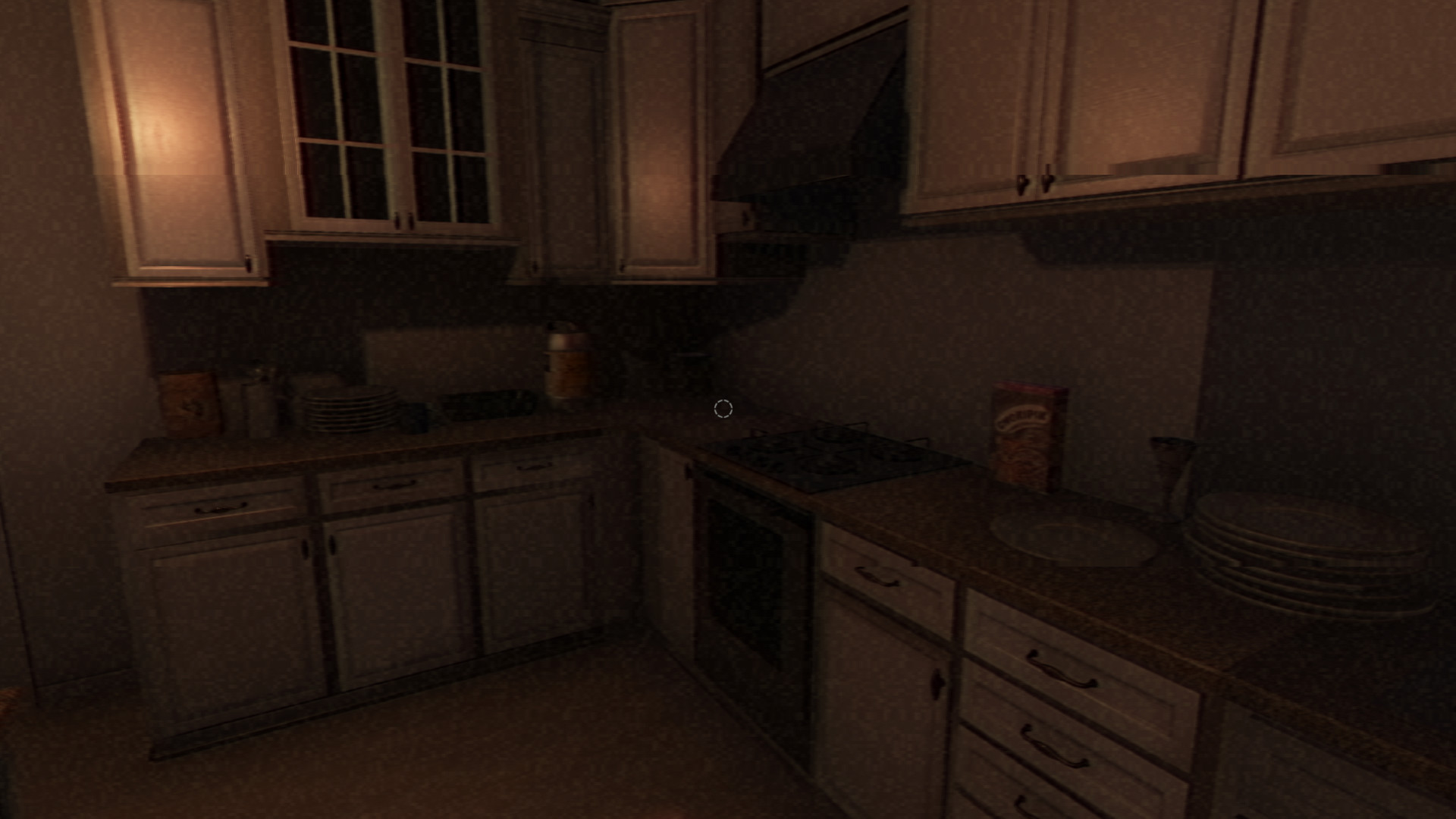
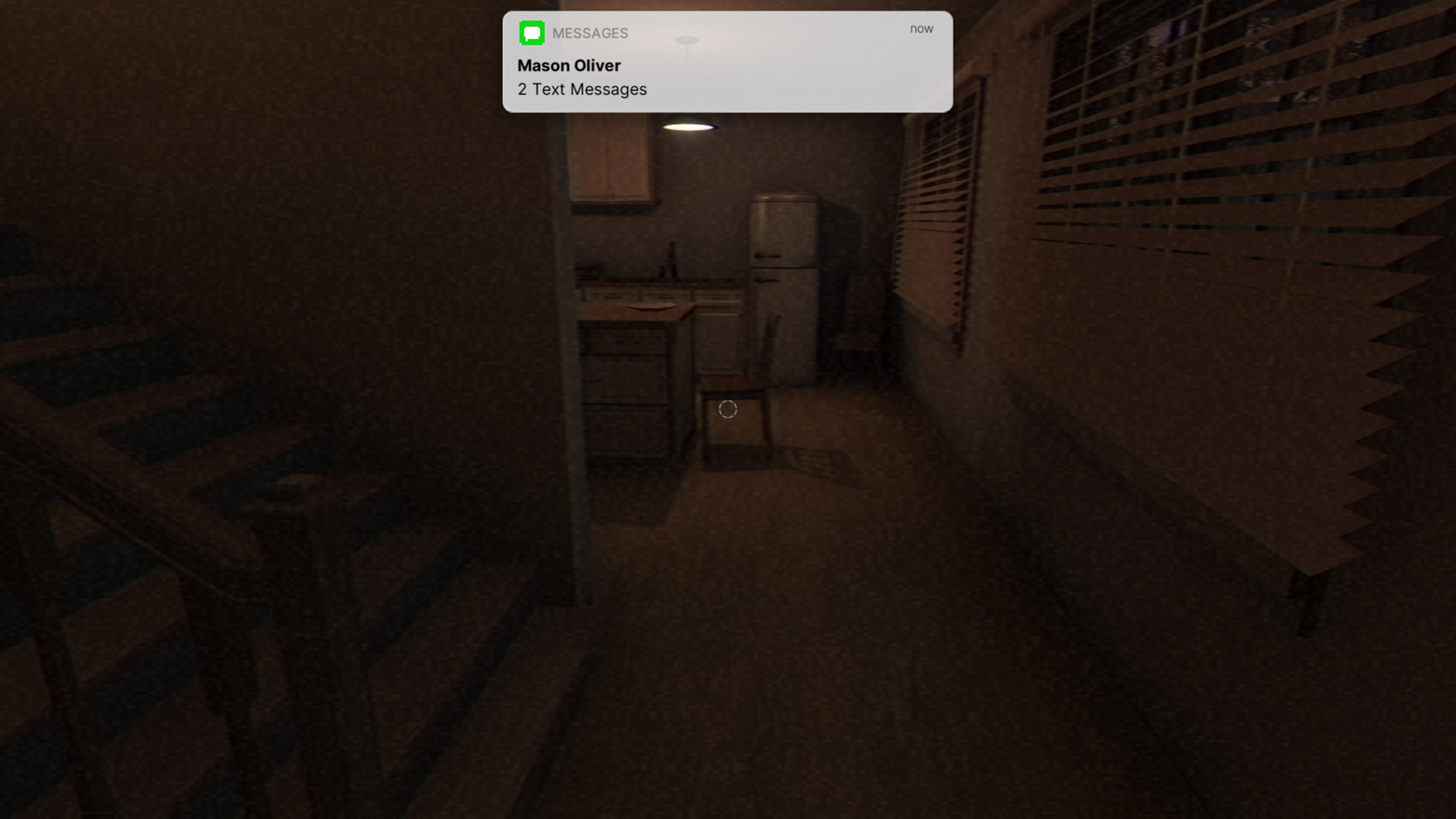
The game combines an atmospheric environment with photo‑realistic graphics, all filtered through a VHS film aesthetic. This blend creates a nostalgic yet unsettling visual experience that reinforces the horror tone. The aesthetic is consistent throughout the episode, contributing to immersion without additional visual modes. The graphics aim for realism while the VHS filter adds grain and distortion, enhancing the feeling of watching an old horror tape.
- Adjust your monitor’s brightness if the VHS grain feels too heavy.
- Observe how the realistic textures contrast with the retro filter for added tension.
04 / THE GUIDE
Communication Mechanics
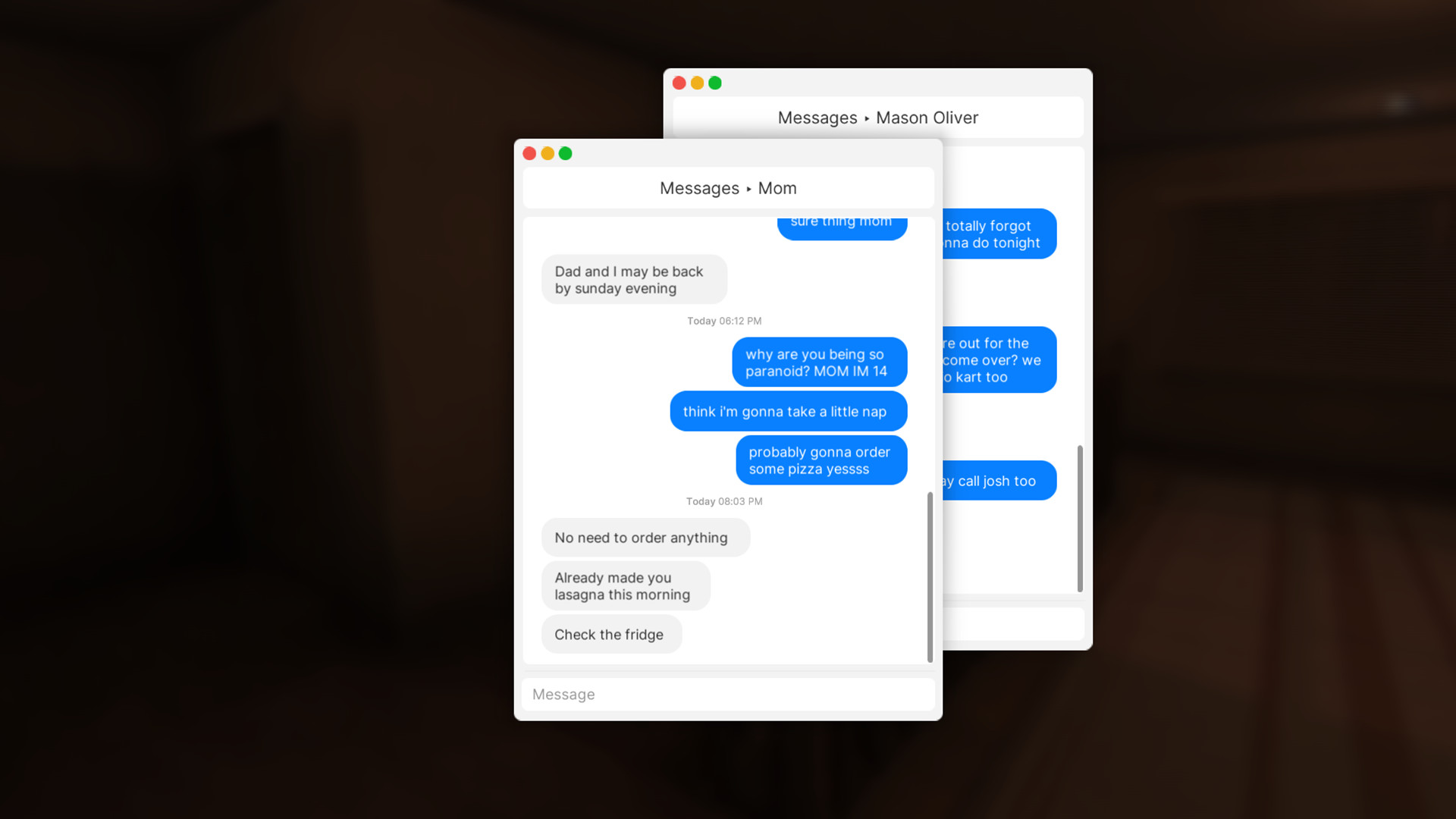
During gameplay, players receive text messages from non‑player characters, providing narrative clues or prompts. Additionally, the game supports player voice activity, allowing spoken input to be recognized as part of the experience. These communication tools are built into the episode and do not require external messaging platforms. Both text and voice elements serve to deepen immersion and guide the player through the night’s events.
- Remember that the game supports player voice activity, so your microphone may pick up speech during play.
- Read incoming texts carefully, as they can contain vital information.
05 / THE GUIDE
Platform & Availability
Fears to Fathom: Home Alone runs on Windows and is listed as free to play for that platform. The game supports single‑player mode, Steam achievements, and family sharing, meaning multiple accounts can access the same copy. No macOS or Linux support is indicated. Because it is free, players can start without purchase, and the achievement system tracks progress within the episode.
- Enable Steam Family Sharing if you want friends or family to try the episode on the same PC.
- Check the Steam Achievements tab after finishing to see which actions were recorded.
COMMUNITY
Player discussion