 GameWiki

GET YOUR BEARINGS
About Ethel
Ethel follows Thomas Myrtle, a WWII veteran haunted by PTSD, addiction, and a mysterious night in 1949 that left his grandmother missing. After twelve years of hiding, Thomas returns to the family house to uncover the truth and seek redemption.
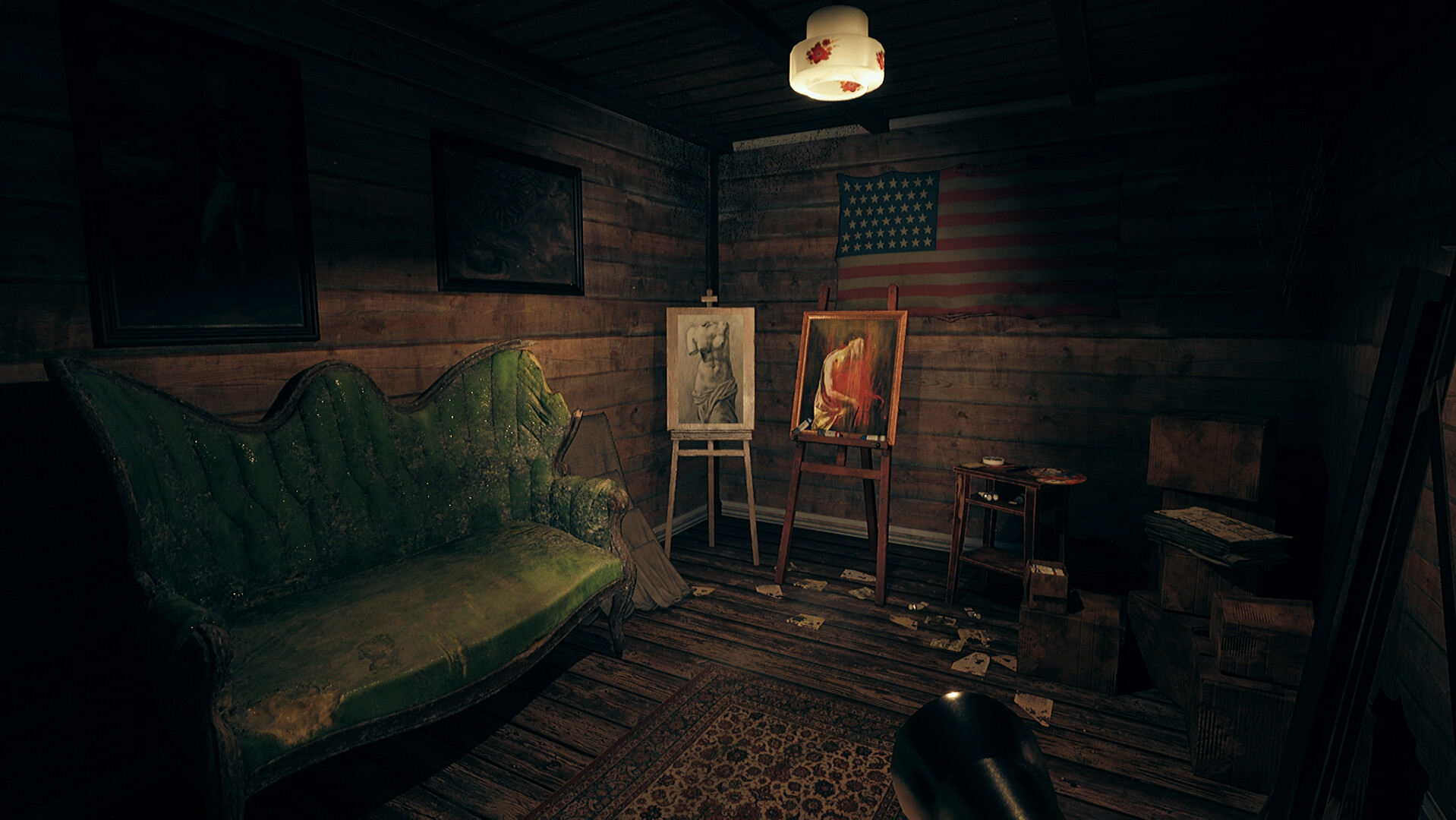
The game blends atmospheric exploration, psychological horror, and narrative-driven puzzles within a single‑player experience. Players navigate a meticulously crafted, eerie house, gathering clues and confronting unsettling phenomena while the story unfolds through environmental details and discovered documents.
01 / THE GUIDE
Checkpoint Saves
The game implements checkpoint saves, allowing players to resume where they left off. This system ensures seamless continuation after each segment of exploration or puzzle.
Checkpoint placement is integrated into the house’s layout, so progress is retained even after encountering intense horror moments. Players can rely on these saves to experiment with different approaches without losing overall advancement.
- Observe where checkpoints appear to plan longer exploration stretches.
- Use checkpoints to test risky puzzle solutions without penalty.
02 / THE GUIDE
Immersive Exploration
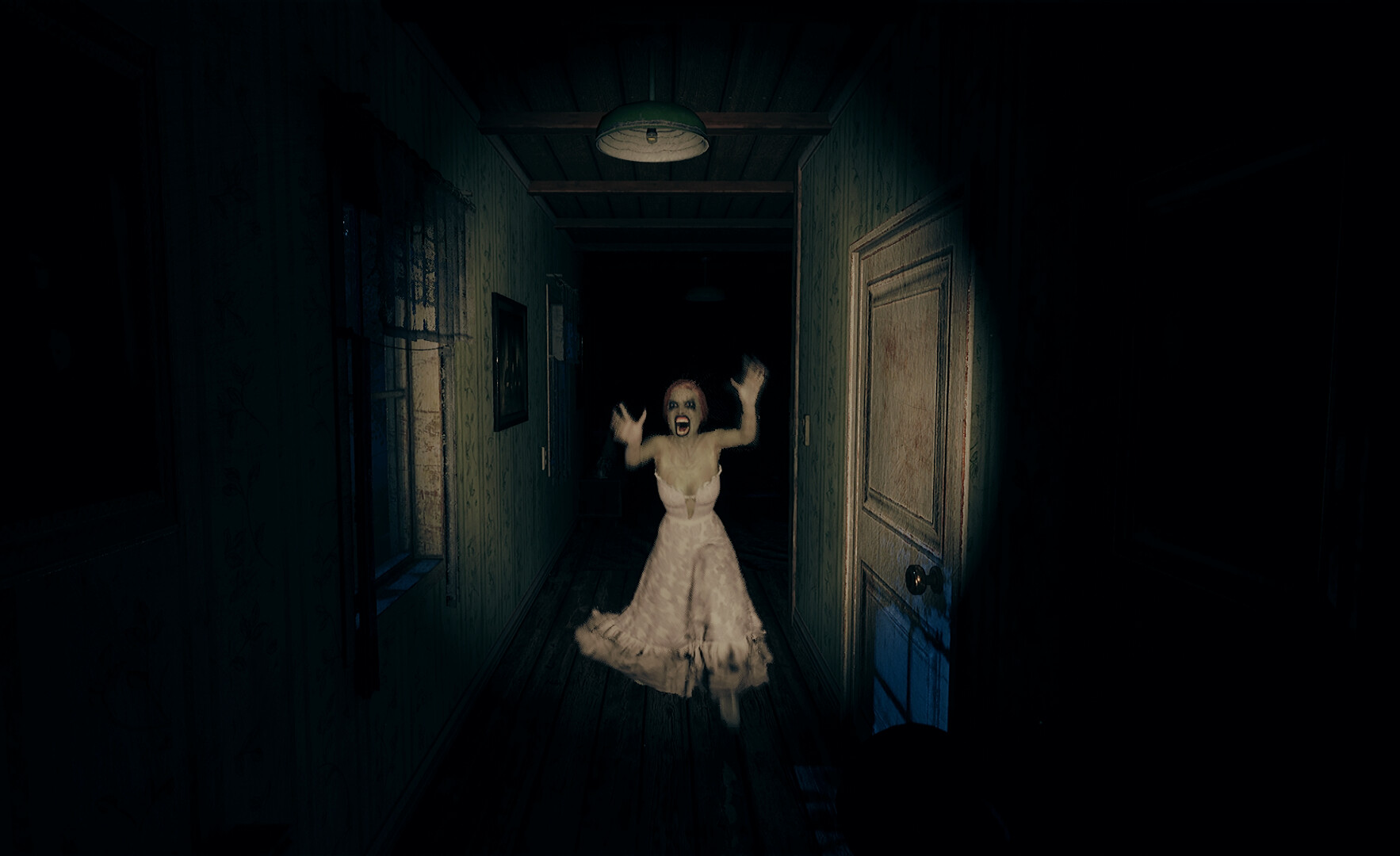
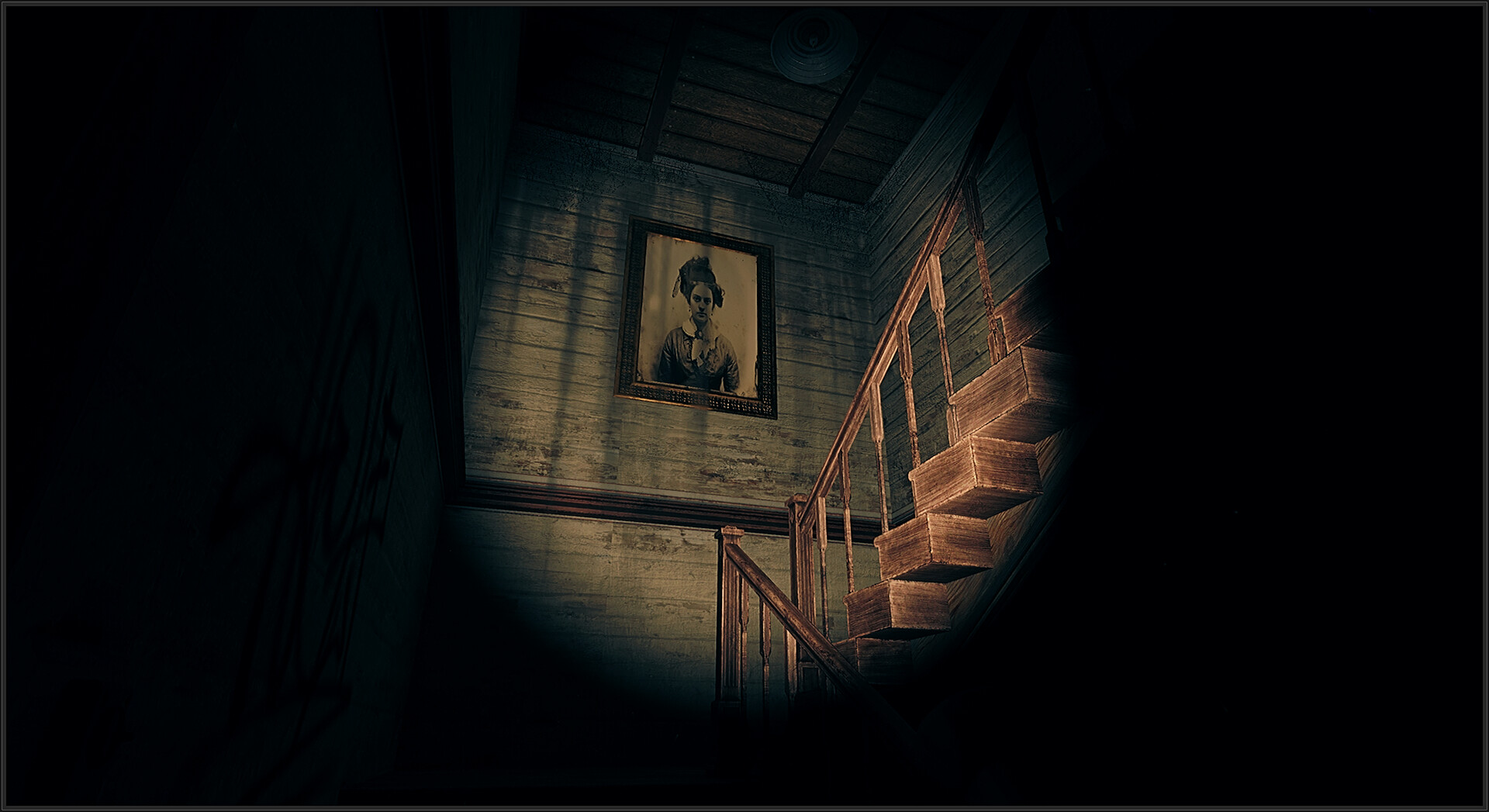
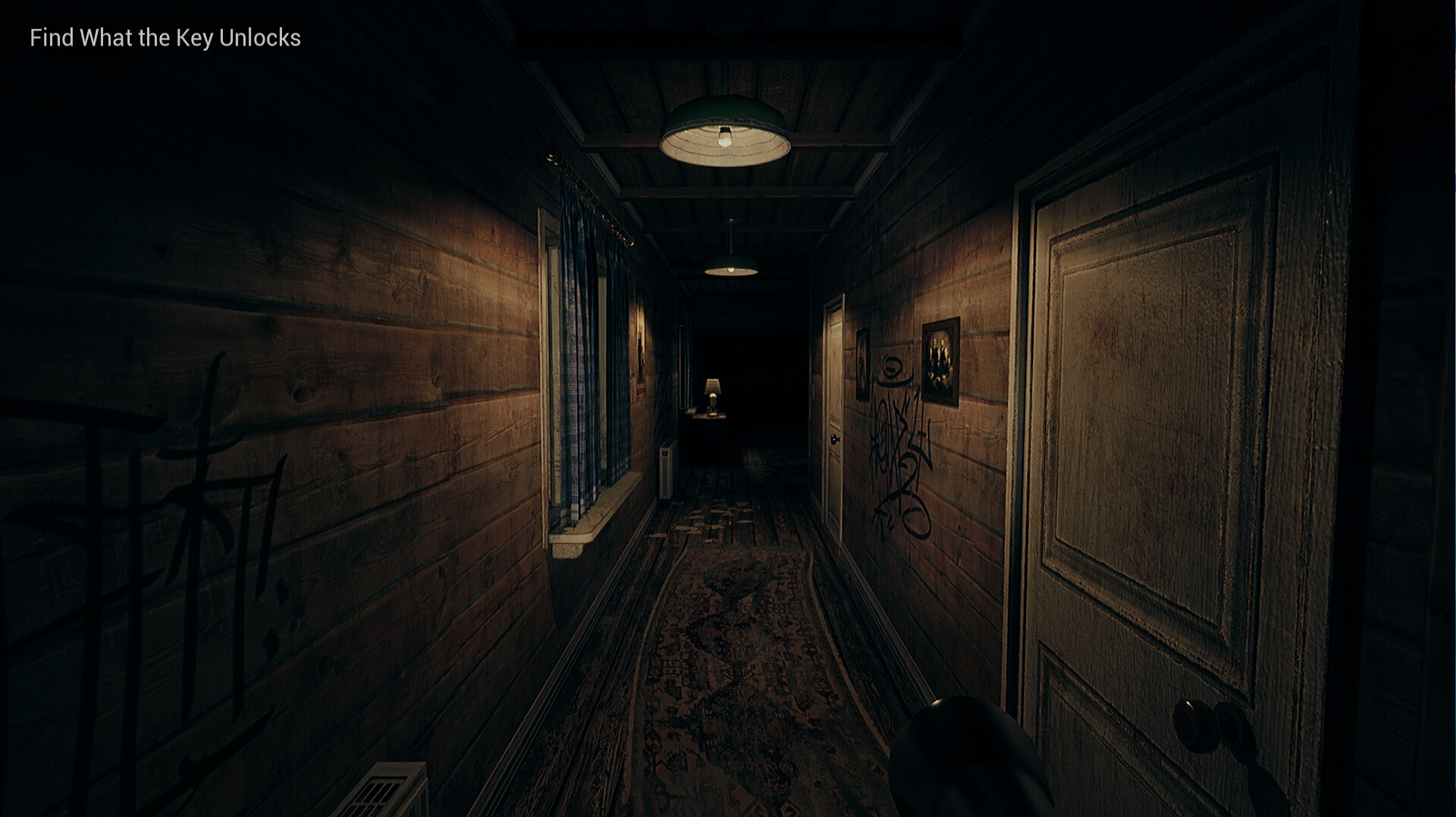
Ethel offers an immersive exploration of a meticulously crafted, eerie house where every corner holds secrets. The environment is designed to encourage careful observation and curiosity.
Uncovering hidden rooms and objects contributes to the narrative, as clues are scattered throughout. The atmospheric design reinforces the unsettling mood, making each step feel purposeful and tense.
- Take time to examine each room for subtle visual cues.
- Listen to ambient sounds; they often hint at nearby secrets.
03 / THE GUIDE
Mind‑Bending Puzzles
Challenging puzzles require keen observation and logical deduction, testing the player’s wits as they piece together the night’s events. Solutions often involve interacting with environmental elements.
These puzzles are woven into the house’s narrative, meaning each solved challenge reveals additional story fragments. The puzzles tie into the mystery, keeping tension high throughout.
- Document puzzle clues; patterns may repeat later.
- Compare discovered documents for overlapping information.
04 / THE GUIDE
Psychological Tension
Psychological horror elements keep players questioning their sanity, blending reality with supernatural occurrences. The unsettling sound design amplifies this tension, creating a constant sense of dread.
Narrative moments and environmental triggers work together to blur the line between memory and hallucination, ensuring the player remains on edge while seeking answers.
- Pay attention to audio cues; they often signal impending events.
- Reflect on story fragments to maintain perspective on reality.
05 / THE GUIDE
Replayability
Branching pathways and multiple endings encourage replayability, allowing players to explore different outcomes based on choices and discoveries. Each playthrough can reveal new document fragments or environmental details.
The game’s structure supports varied approaches to puzzles and exploration, meaning subsequent runs feel fresh while retaining the core horror atmosphere.
- Experiment with alternative routes to discover different endings.
- Revisit earlier rooms after new clues appear for fresh insights.
COMMUNITY
Player discussion