 GameWiki

GET YOUR BEARINGS
About Enshrouded
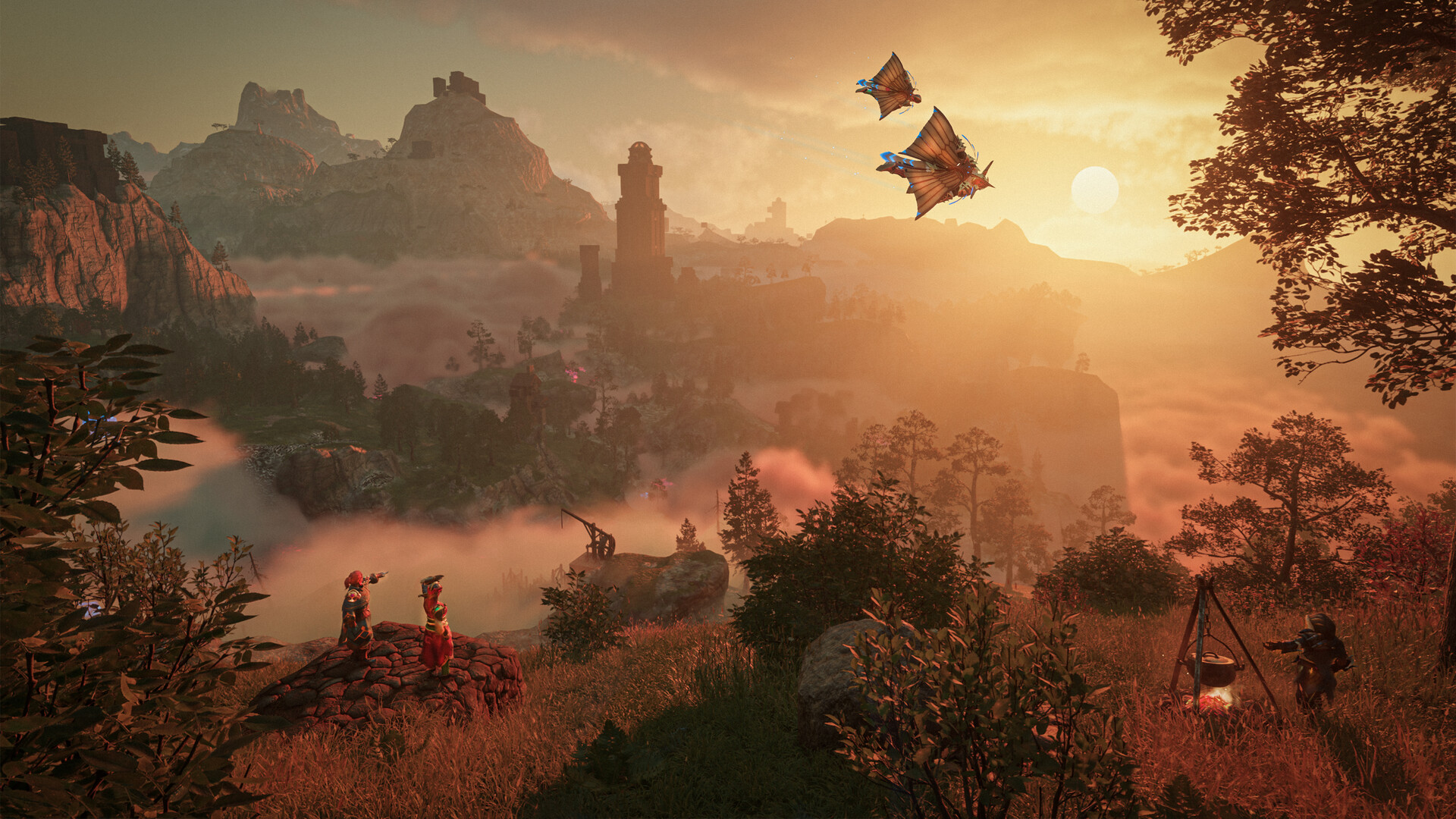
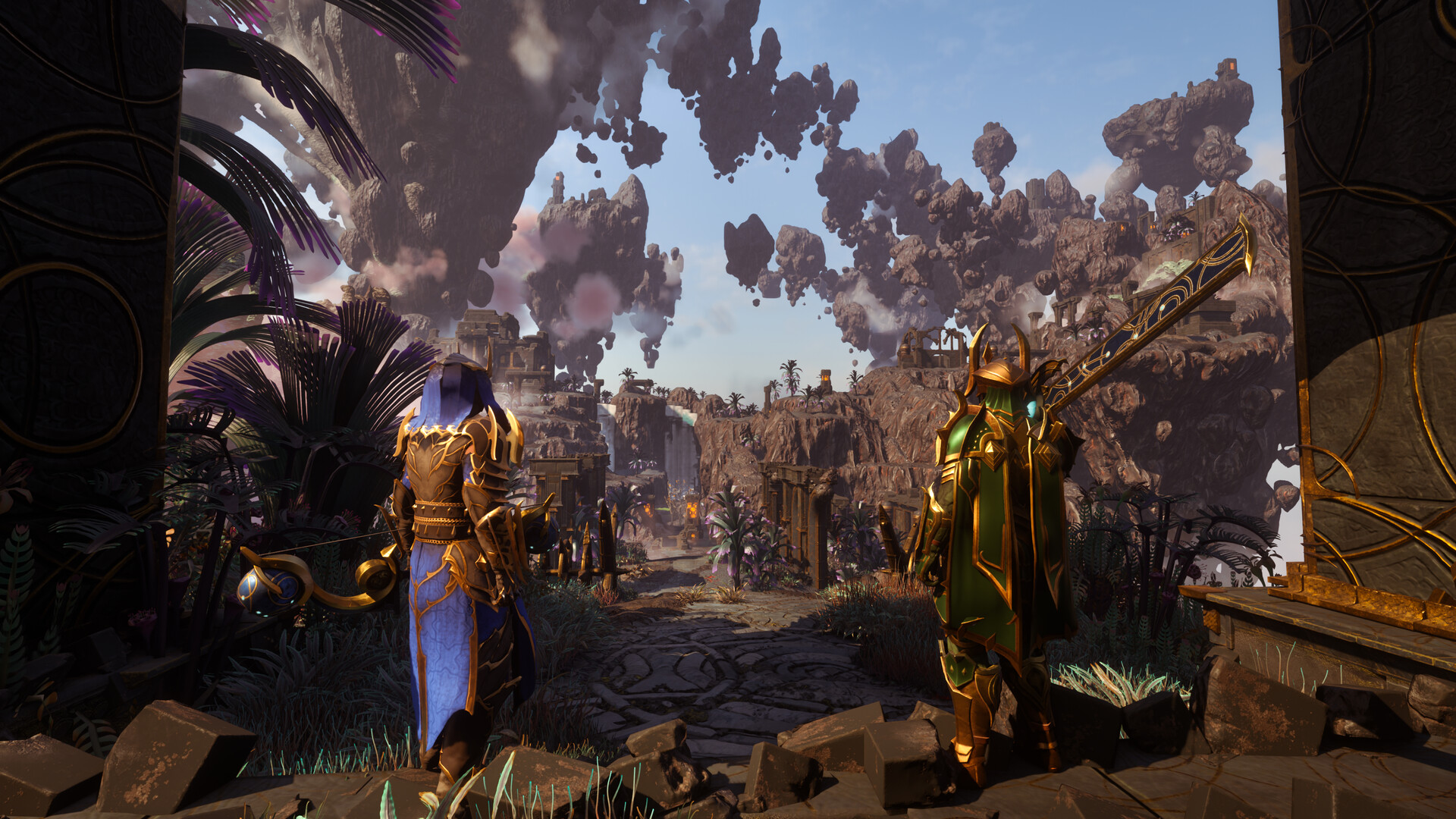
Enshrouded combines action RPG combat, survival preparation, terrain building, and cooperative exploration in Embervale. The Shroud separates ordinary travel from more constrained expeditions, while rescued survivors and crafting stations turn discoveries into new equipment and practical options. A good opening connects those systems: establish a useful home, prepare a manageable trip, and return with progress you can actually use.
The game has changed substantially through its updates, so old crafting costs, skill layouts, and progression limits should be checked against the current interface and official release notes. This wiki focuses on the decisions that remain useful across those changes. It avoids treating an old early-access recipe table as a dependable description of the current game.
01 / THE GUIDE
Build a Flame Altar base around useful work
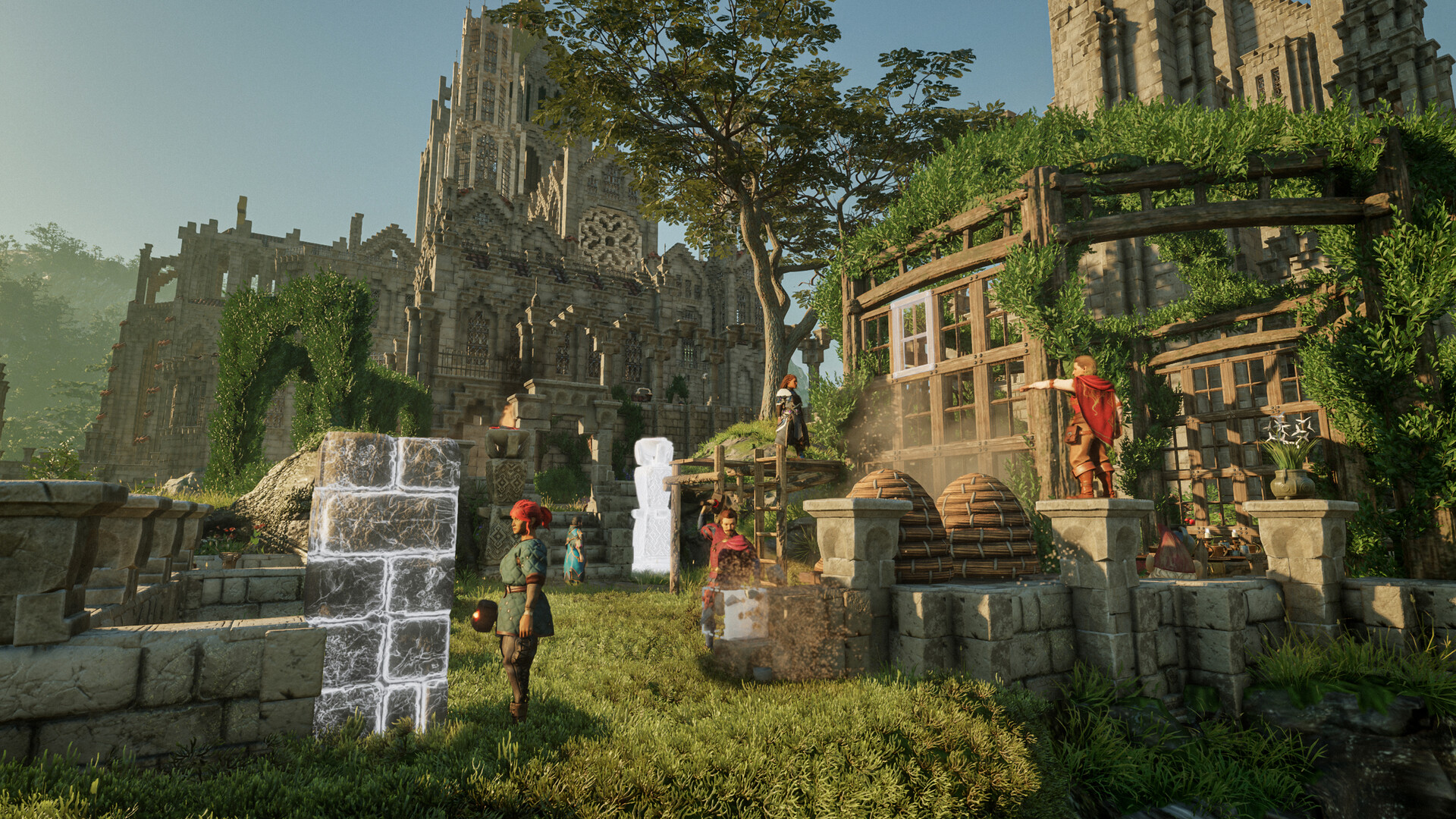
Establish a base through the Flame Altar and inspect the building area and available upgrades in its menu. Start with shelter, storage, a workbench, and room for the survivors and stations you expect to bring home. A modest workshop that supports preparation is more helpful early on than a large structure with no organized supply area.
Place the equipment used before an expedition along a simple route. Gather food, inspect gear, handle repairs, and restock materials before leaving. Read the difference between the altar's available actions rather than assuming every upgrade serves the same purpose. The current menu is the reliable place to confirm construction space and progression requirements.
- Finish a useful preparation area before expanding its size.
- Keep frequently combined crafting ingredients together.
- Read the altar's available actions and requirements separately.
02 / THE GUIDE
Enter the Shroud with an exit plan
Before descending into the mist, identify the nearest practical way back to safer terrain. Watch the active Shroud conditions and the time or protections the interface provides. Do not spend the whole available margin reaching an objective that still requires a fight, a search, and a return journey.
Mark useful routes and treat the first trip into an unfamiliar area as reconnaissance. An upgrade, a different approach, or a later progression step may change what you can safely reach. If the current area exceeds the character's protection, return to a feasible objective instead of assuming food or ordinary healing will cancel the environmental constraint.
- Identify the exit before starting a deeper descent.
- Leave time for the return and an unexpected encounter.
- Recheck Shroud warnings after moving into a new area.
03 / THE GUIDE
Rescue survivors to connect exploration with crafting
Survivor-related objectives introduce people and stations that support the base's equipment and production. Read the quest journal to distinguish reaching a location from finishing the rescue or placing the survivor at home. After bringing someone back, inspect their available recipes and the station requirements that unlock more useful options.
Choose one equipment or utility goal and trace its missing materials to a specific destination. A new station can require another supporting craft, so check the complete chain before traveling with a full pack of unrelated resources. Let the next expedition solve that chain's actual missing step rather than collecting every material you see.
- Review new survivor recipes after returning to the base.
- Check station requirements as well as raw ingredients.
- Pick one upgrade whose benefit you can explain before gathering.
04 / THE GUIDE
Match skills, equipment, and preparation
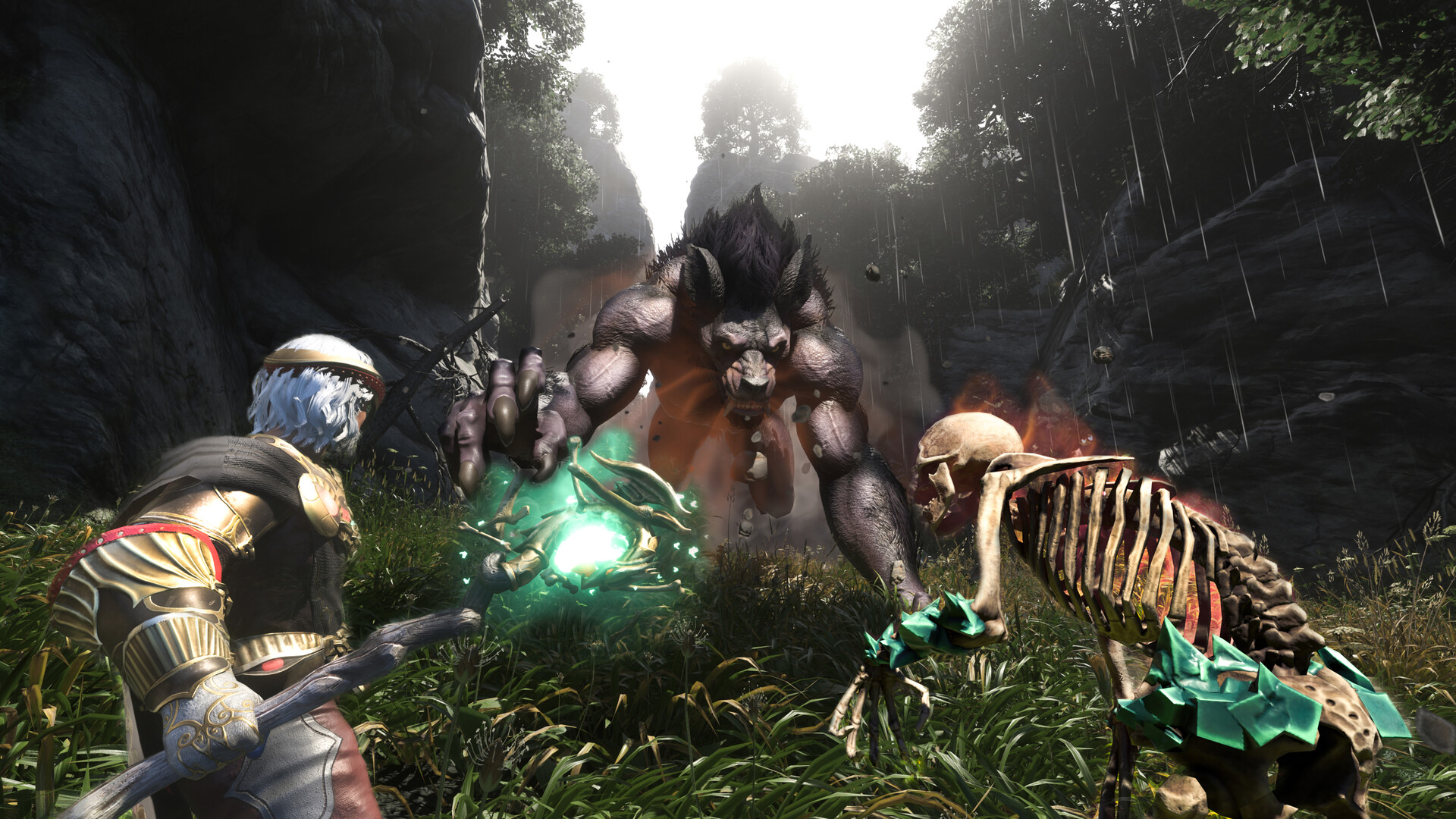
Choose an understandable combat role and inspect how its equipment and skill choices support the actions you use. Melee, ranged, and magic approaches create different requirements for distance, recovery, and supplies. Test a change against a manageable enemy before taking it into an unfamiliar dungeon or a longer Shroud expedition.
Use food and rest preparation as part of the build instead of judging equipment in isolation. Watch the opponent's opening, keep room for a defensive response, and avoid spending the entire available resource on the first exchange. If an encounter repeatedly ends the same way, change the response or preparation that addresses that failure before replacing every part of the character.
- Read current skill descriptions after a major update.
- Prepare food and inspect resting benefits before departure.
- Keep a dependable attack and defensive response while experimenting.
05 / THE GUIDE
Connect travel routes and shared-world progress
Use discovered travel points and base locations to turn long expeditions into manageable segments. Check where you can safely arrive, which path leads to the objective, and what supplies the trip needs. Traversal equipment is useful only when you have enough margin to land, recover, and continue from the destination.
In cooperative play, distinguish the character's possessions and development from the host world's unlocked survivors, stations, and progression. The official FAQ describes these as separate categories. Agree on a shared goal before leaving, and inspect the current world when a recipe or facility available in another session is missing here.
- Mark a useful return or arrival point before extending travel.
- Confirm the group's objective and recovery supplies.
- Check world unlocks when changing servers or hosts.
COMMUNITY
Player discussion