 GameWiki

GET YOUR BEARINGS
About EMPTY SHELL
EMPTY SHELL drops you into a dark industrial facility on a remote Japanese island. Volunteers sign up for a vague "recovery operation" only to discover a long‑abandoned site with hidden horrors. Each death sends a new volunteer into the same maze, where the layout and starting gear are randomized.
The game plays from a top‑down view, blending survival horror with roguelite elements. You must scavenge weapons, manage inventory, fight abominable creatures, solve puzzles, and collect 1950s logs that reveal the facility’s grim history. Upgrades and devices can be purchased to aid future runs.
01 / THE GUIDE
Setting and Story
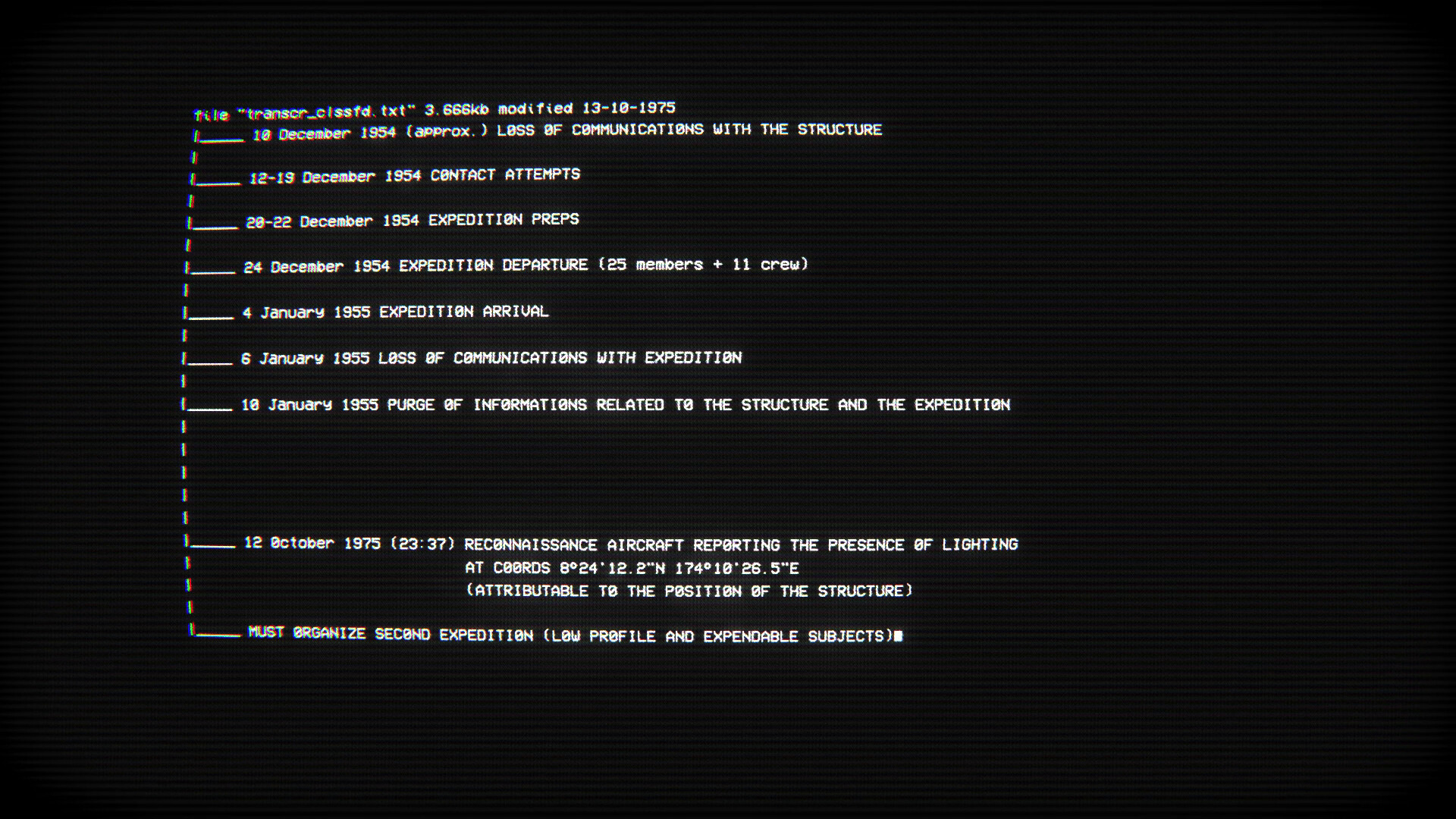
The facility is described as a secret industrial complex on a Japanese island, abandoned for decades before the player arrives. The narrative unfolds through logs and documents from the 1950s, exposing the site’s dark past and the accident that caused extreme consequences.
Volunteers are unaware of details before signing a contract, creating a sense of mystery. Each run reveals more of the facility’s history, encouraging players to piece together the story from scattered records.
- Compare logs from different runs to notice new details about the facility’s past.
- Pay attention to environmental clues in dark corridors for additional story hints.
02 / THE GUIDE
Roguelite Structure
Every death restarts the game with a new volunteer, randomizing starting equipment and generating a fresh map layout. This loop creates a roguelite experience where each attempt offers a different challenge arrangement.
The procedural generation applies to the level design, ensuring that no two runs feel identical. This encourages players to adapt strategies based on the resources they find each time.
- Treat each run as a separate experiment; note which equipment combos survive longer.
- Use early runs to learn enemy patterns before investing in upgrades.
03 / THE GUIDE
Top‑Down Perspective
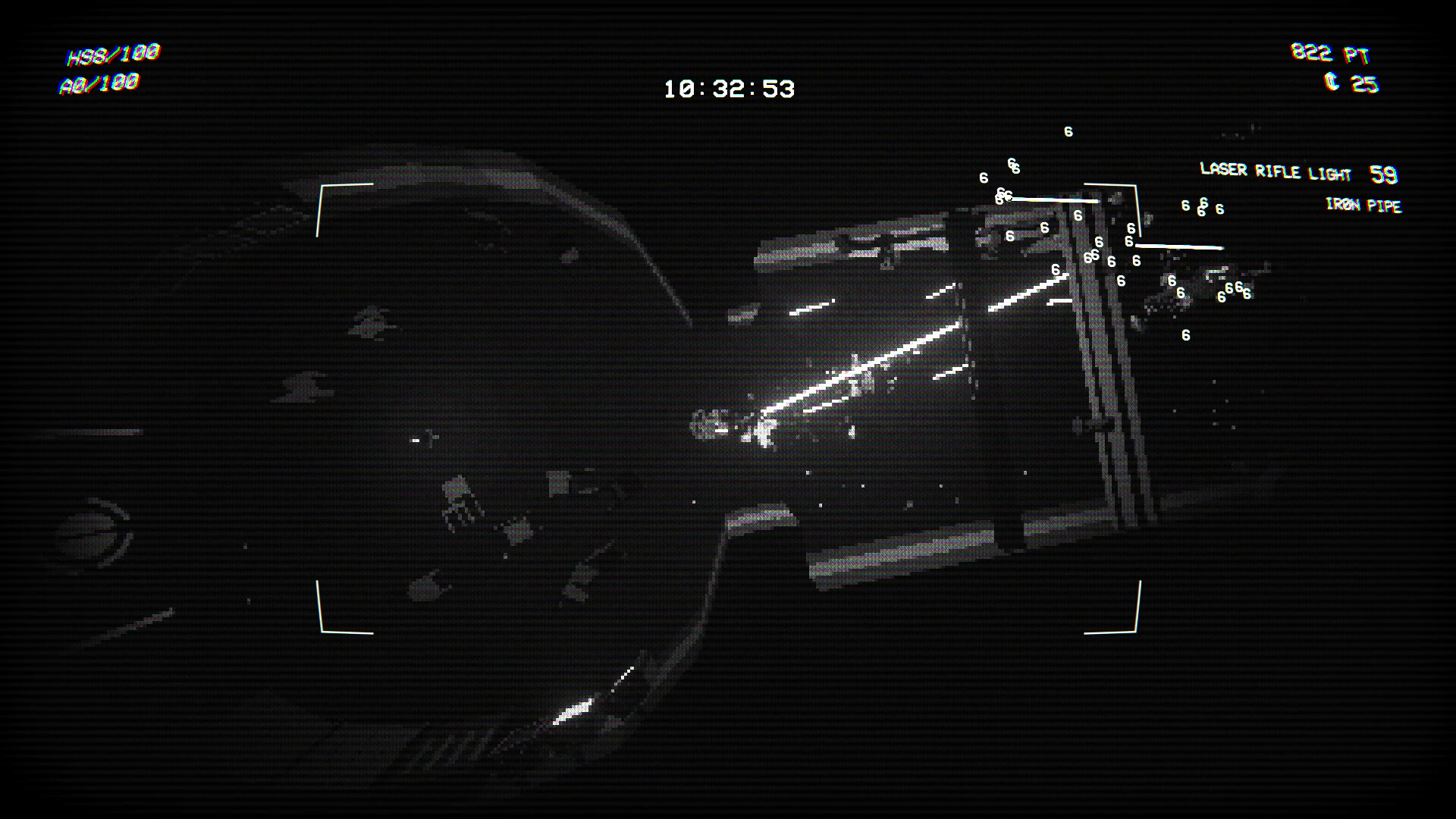
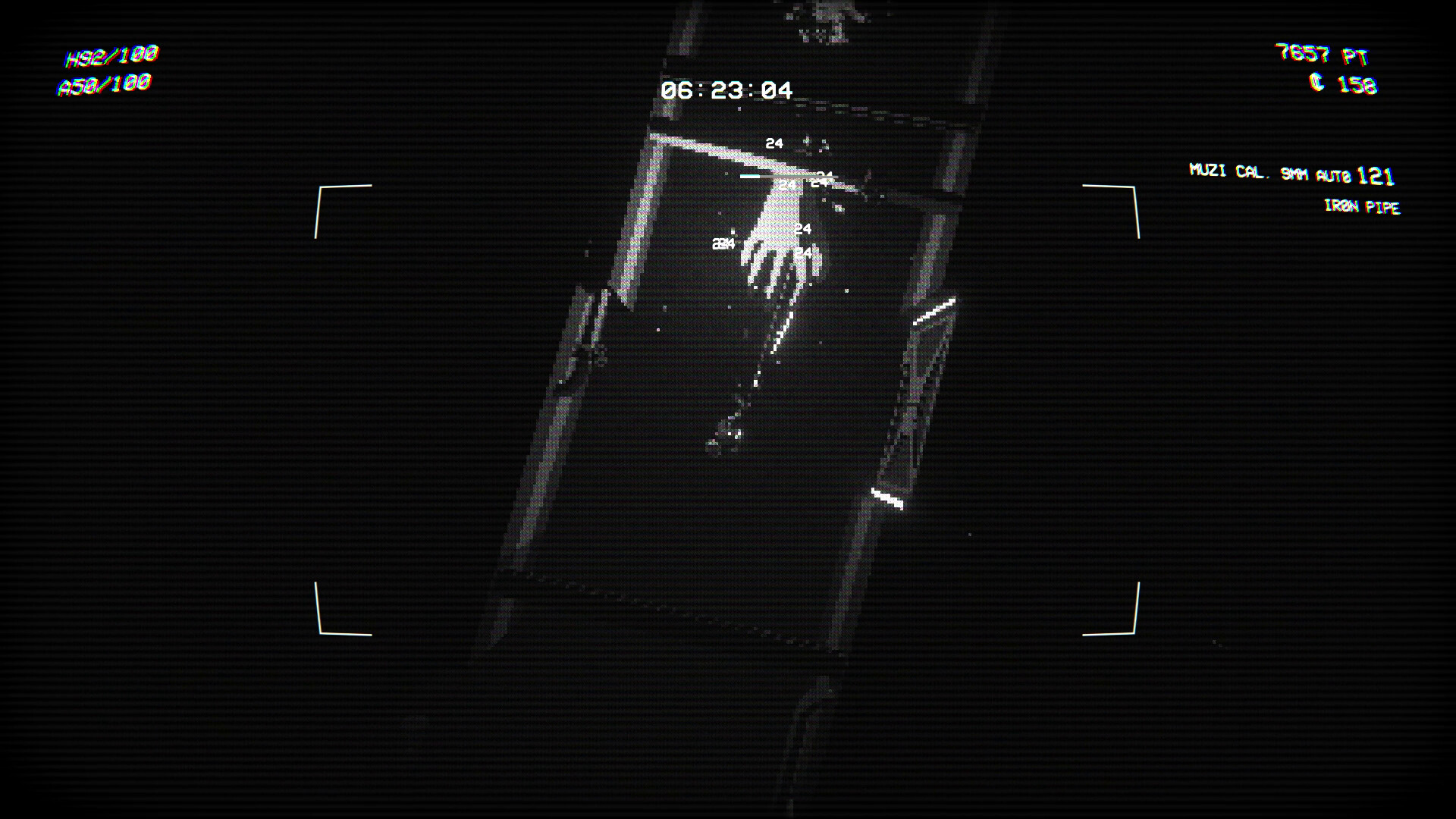
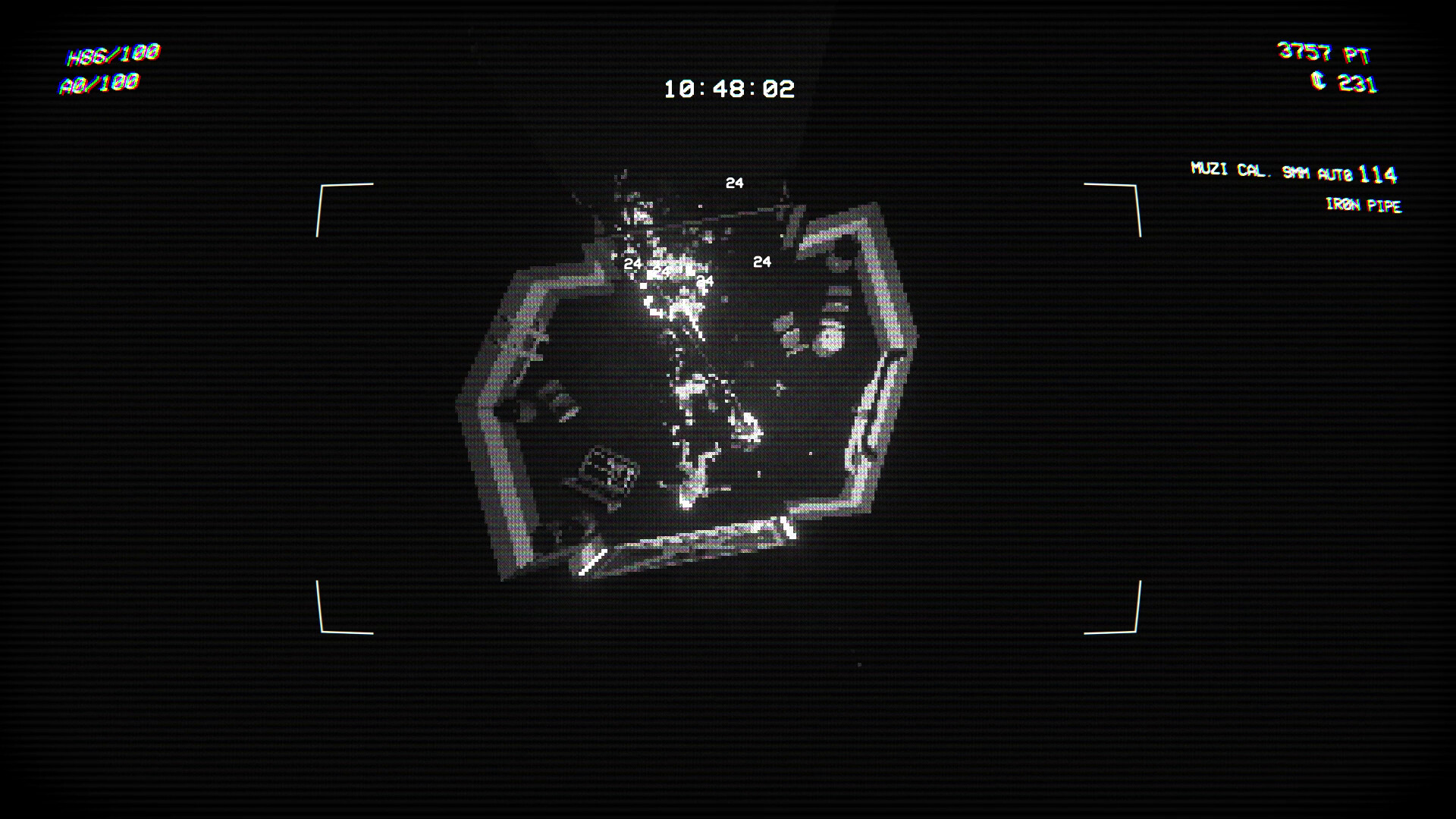
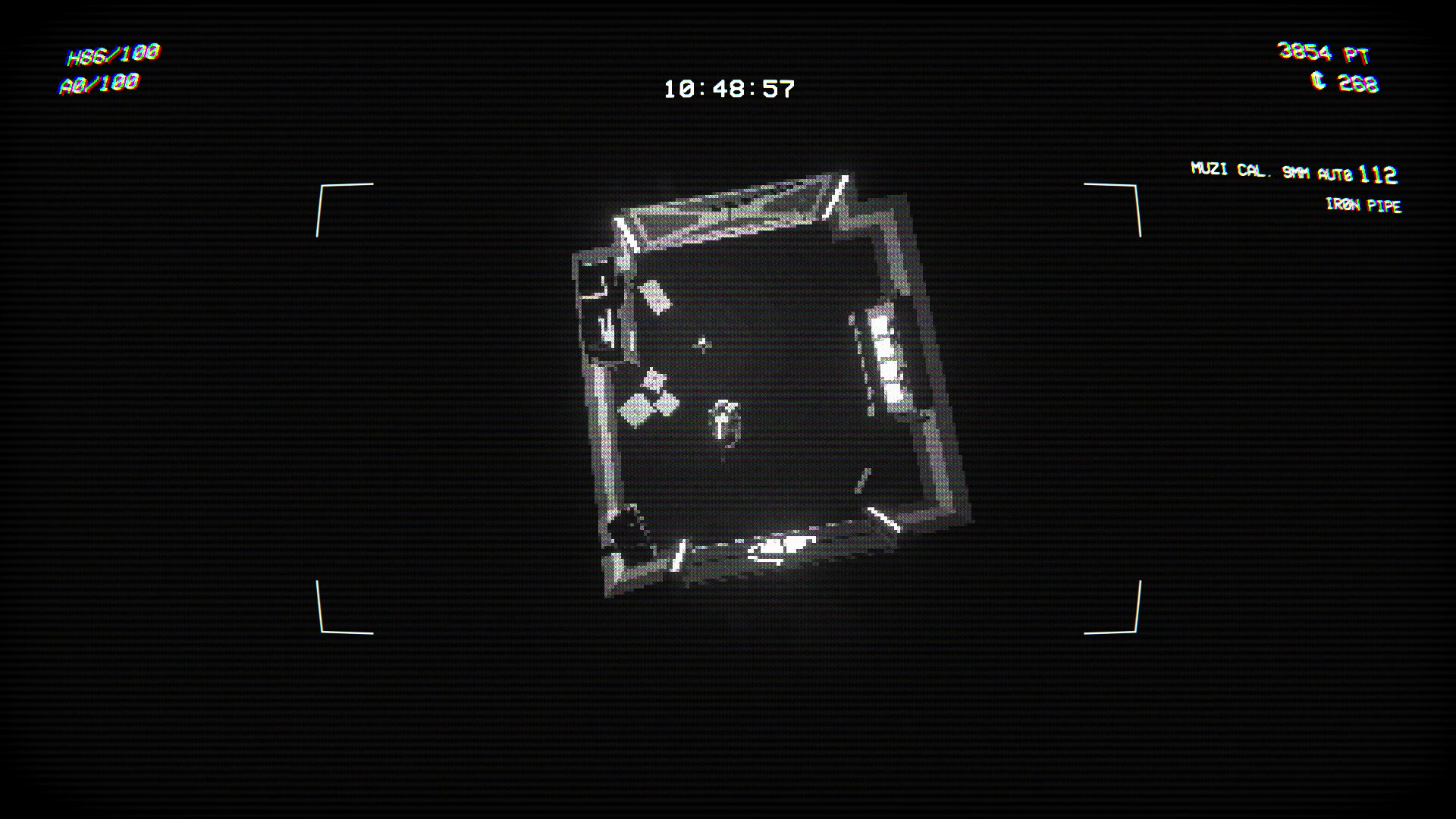
The game uses a top‑down camera surrounded by darkness, giving a clear view of immediate surroundings while limiting sight beyond the light radius. This visual style emphasizes tension in narrow corridors and cold rooms.
The perspective aids navigation and combat, allowing players to see enemy positions when they enter illuminated zones. Darkness remains a core hazard, encouraging careful movement.
- Move slowly into dark areas to avoid surprise attacks from enemies.
- Use gadgets you scavenge to raise your survival chances when exploring new rooms.
04 / THE GUIDE
Scavenging and Inventory Management
Weapons, ammo, and gadgets are scattered throughout the facility and must be collected to increase survival chances. Players must manage limited inventory space, deciding which items are vital for the current run.
Balancing firepower with utility items becomes crucial. Dropping or replacing items is necessary when better equipment is found, reinforcing the survival‑horror tension.
- Prioritize items that address immediate threats, like weapons against nearby creatures.
- Keep at least one health‑related item in reserve for unexpected damage.
05 / THE GUIDE
Upgrades and Log Collection
Players can purchase upgrades and devices that assist during fights, providing a sense of progression across runs. Collecting logs and documents from the 1950s not only expands the narrative but may hint at useful strategies.
Upgrades can be purchased to help during fights, while logs serve both story and potential gameplay insight, encouraging thorough searching of each level.
- Invest in upgrades that complement your preferred combat style early in a run.
- Read collected logs for possible clues about enemy weaknesses.
COMMUNITY
Player discussion