 GameWiki
GET YOUR BEARINGS
About Elsinore
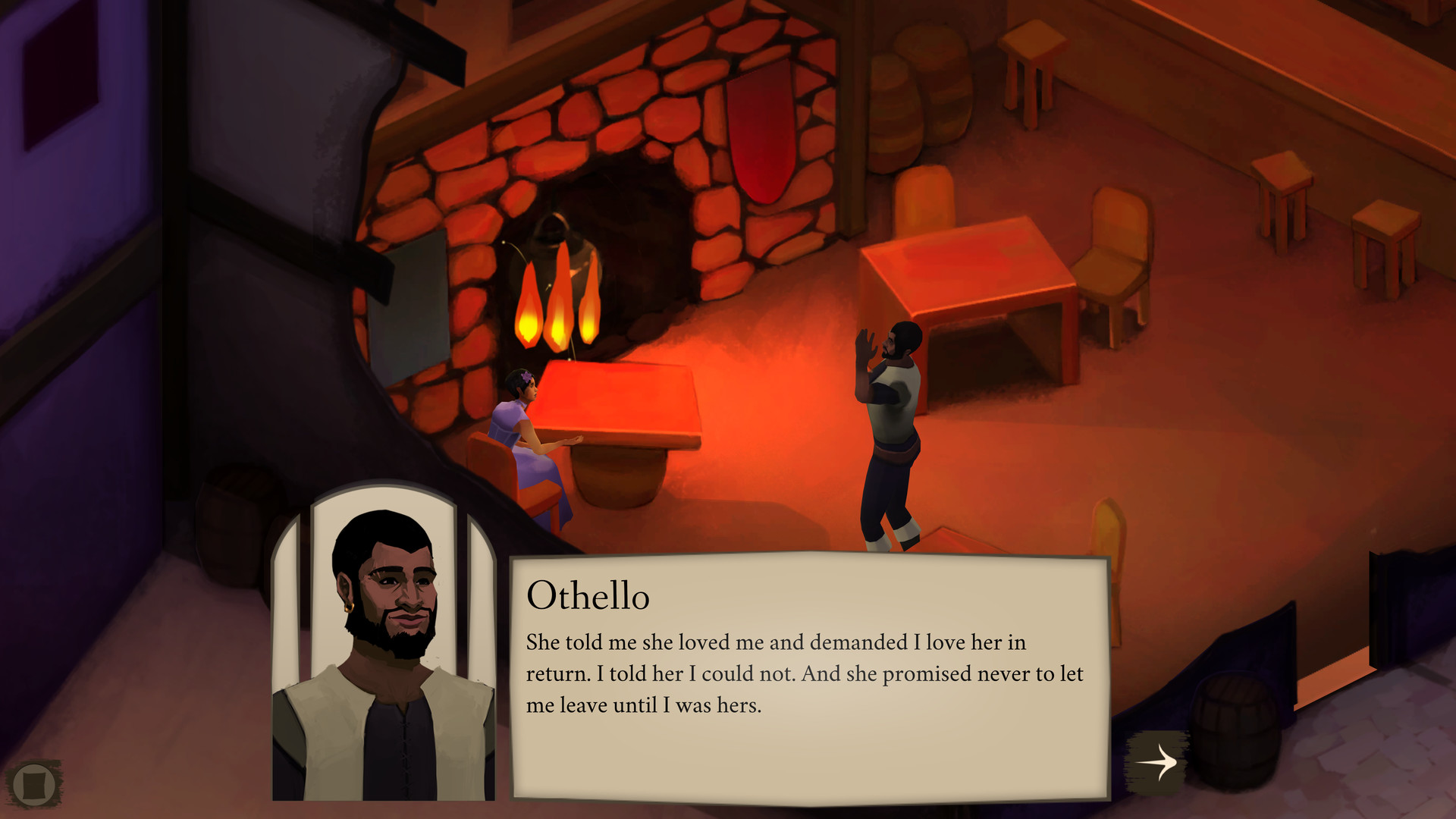
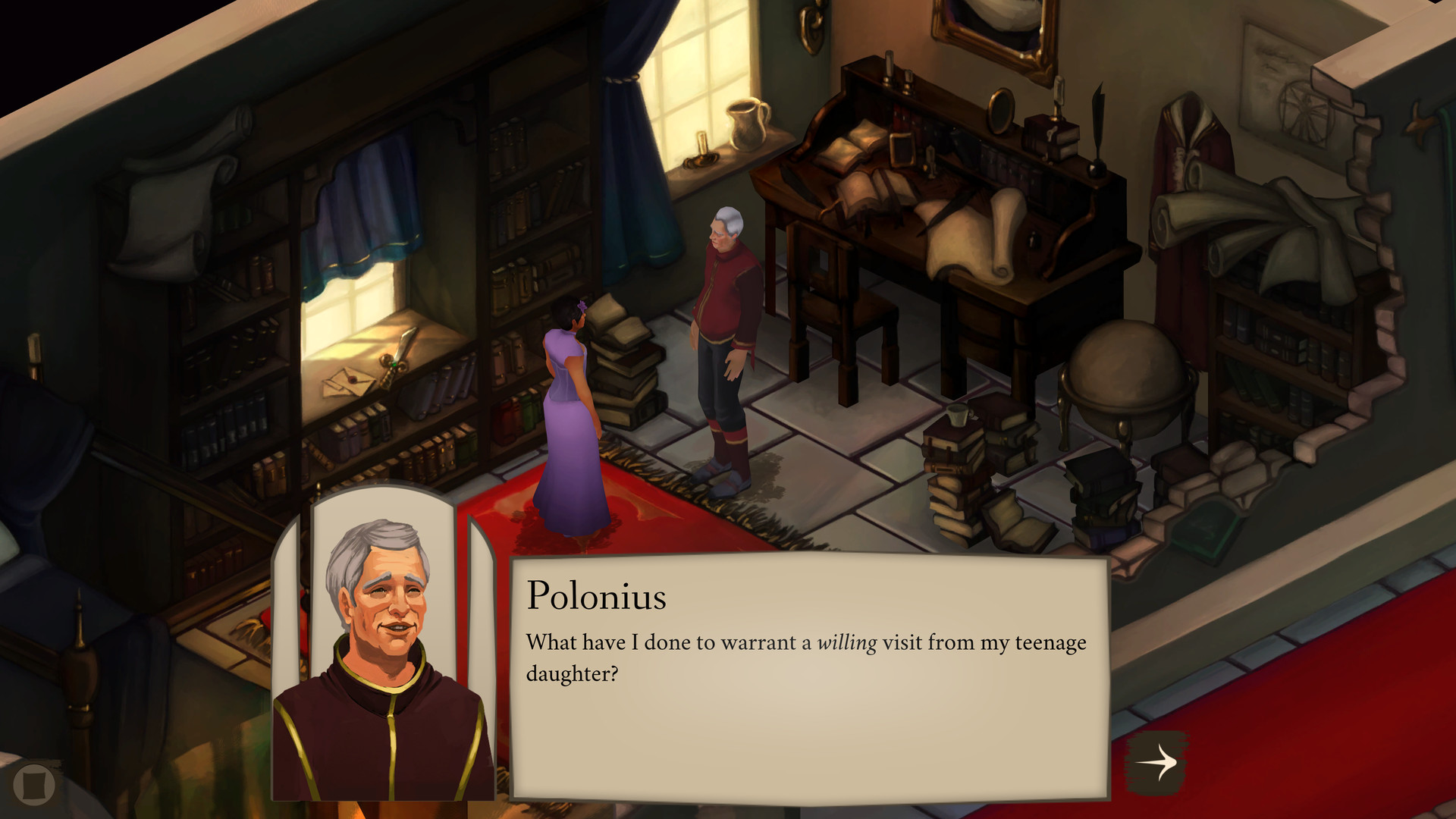
Elsinore places you in the role of Ophelia, who awakens to a vision that everyone in Elsinore Castle will die within four days. A mysterious time loop forces her to relive those four days repeatedly, giving the player a chance to alter the outcome.
The game blends point‑and‑click adventure with social simulation, letting you interact with a cast of characters whose schedules, desires, and secrets shift each loop. Your choices—whether to lie, befriend, or betray—immediately reshape the story as it unfolds in real time.
01 / THE GUIDE
Time Loop Mechanic
Every four days the world resets, returning Ophelia to the start of the loop while the castle’s inhabitants continue their lives anew. This reset is the core structure that frames all gameplay, providing fresh opportunities to test different actions.
Because Ophelia retains memories after each reset, players can build on knowledge from previous attempts, gradually uncovering hidden paths and solutions that were impossible on the first run.
- Track which characters you have spoken to in each loop to avoid redundant conversations.
- Note the time of day when key events occur to help plan your conversations.
02 / THE GUIDE
Dynamic Story Engine
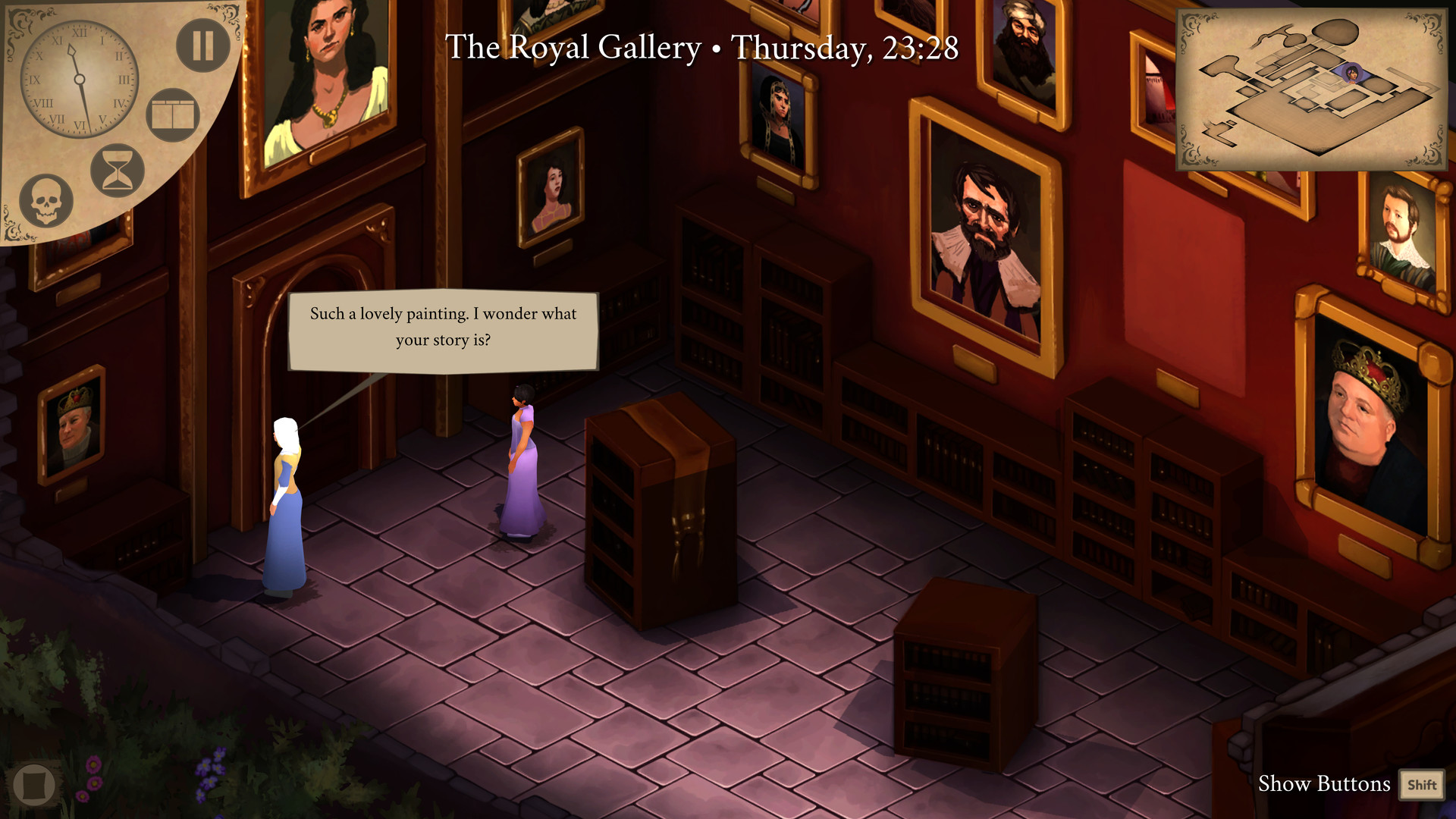
Elsinore uses a simulation engine that decides which events happen based on your interactions. Actions such as lying, forgiving, gossiping, befriending, or destroying are all recognized by the system.
The engine reacts instantly, meaning that a single choice can open new dialogue, alter a character’s mood, or prevent a later tragedy, creating a living narrative that feels responsive to the player.
- Experiment with opposite choices in successive loops to see how the engine reshapes outcomes.
- Observe how minor dialogue changes can cascade into larger story shifts.
03 / THE GUIDE
Intelligent Character Behavior
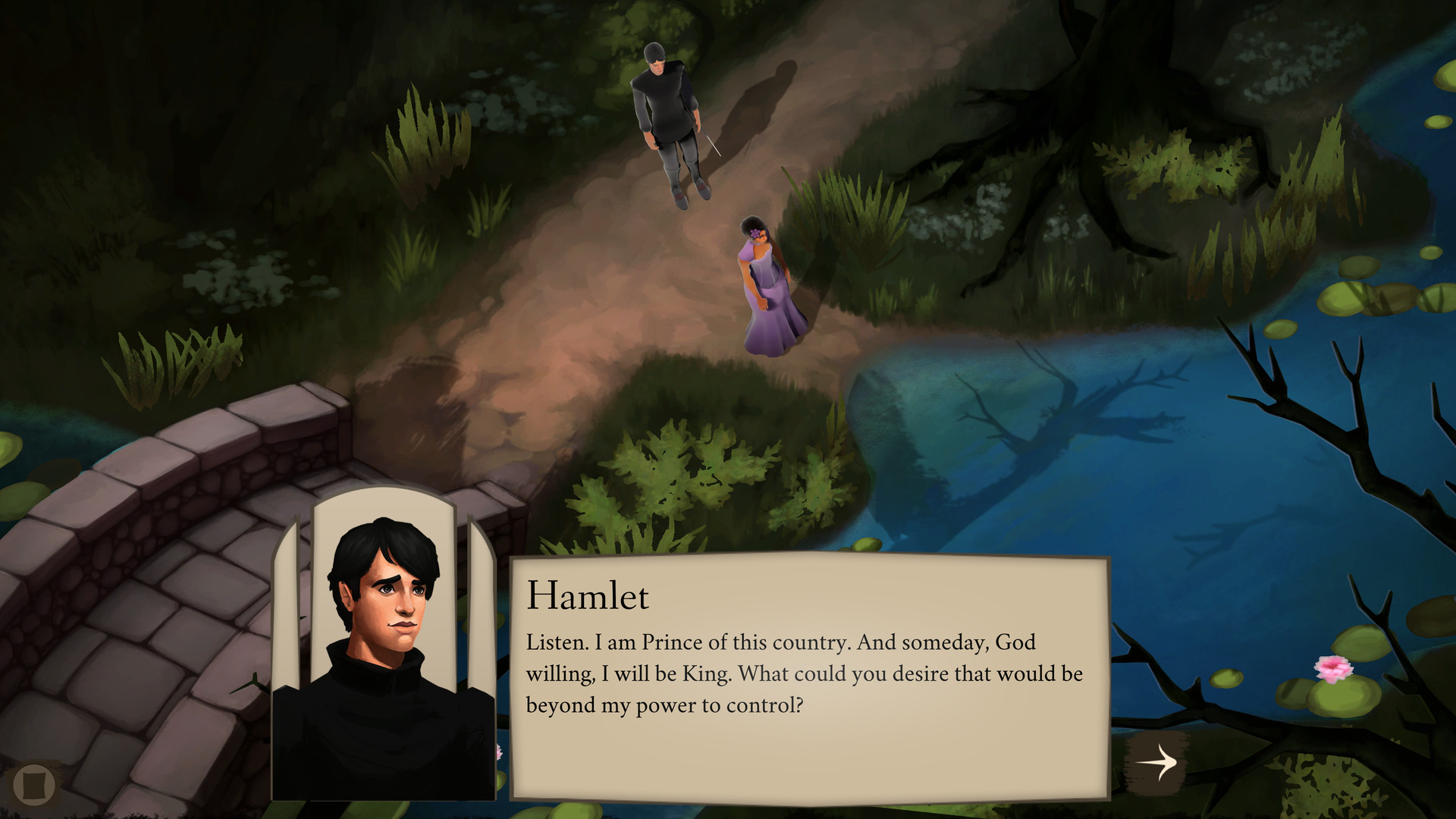
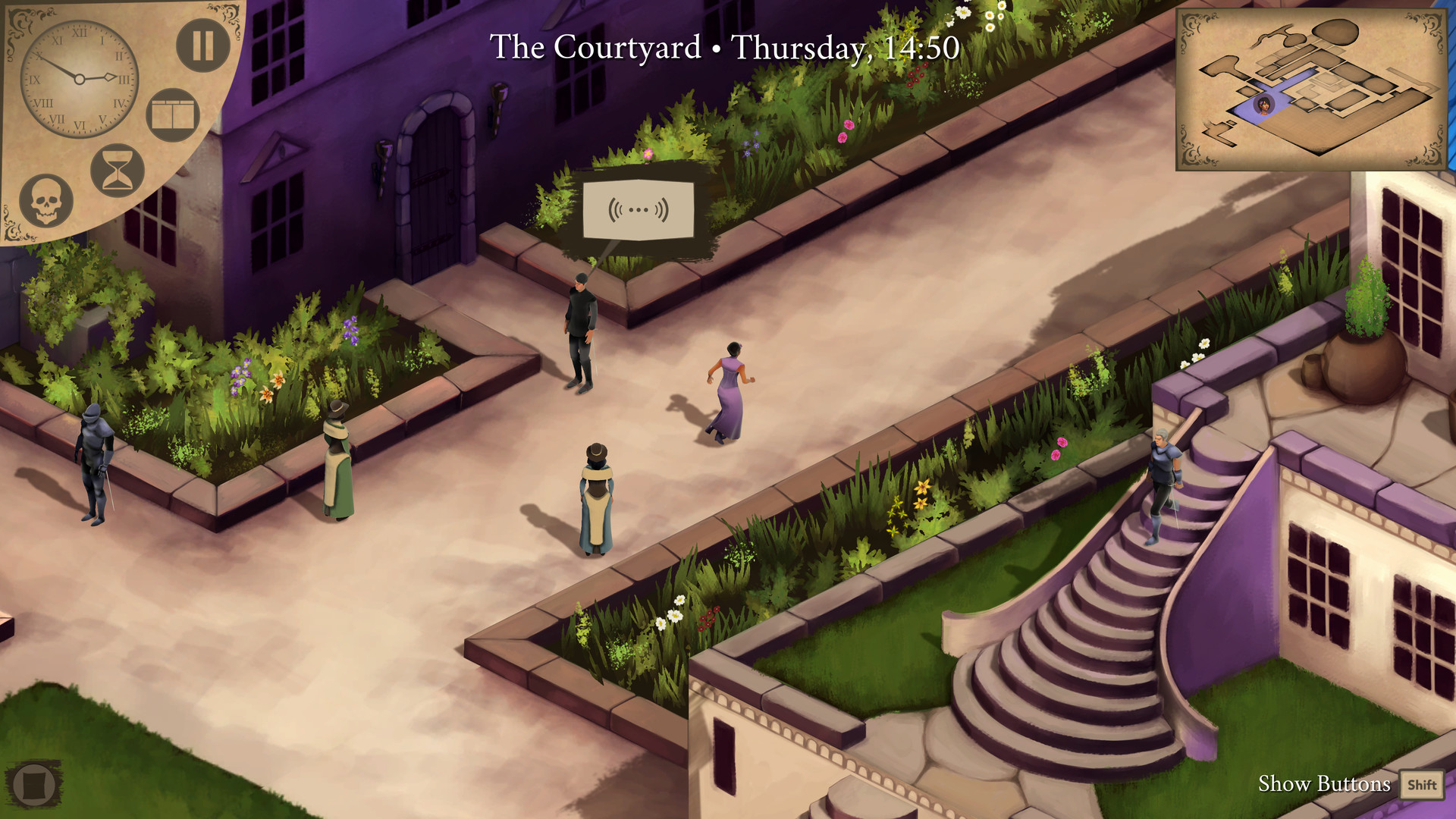
Each resident of the castle manages their own schedule, needs, desires, and plans throughout the loop. Their behavior is independent of the player, so they may meet, argue, or act without direct prompting.
Even small interactions can ripple outward, influencing how characters relate to each other and what they choose to do later in the same loop, reinforcing the sense of a self‑contained world.
- Watch characters’ daily routines to find optimal moments for conversation.
- Use knowledge of a character’s desires to guide them toward safer outcomes.
04 / THE GUIDE
Memory Across Loops
When a loop ends, Ophelia remembers everything she learned, granting access to new ways to play that were previously unavailable.
This persistent memory encourages players to plan ahead, recording clues and strategies that can be applied in later attempts to prevent the looming tragedy.
- Keep a notebook of clues discovered in early loops for quick reference.
- Re‑visit locations where you previously found secrets; they may now be reachable.
05 / THE GUIDE
Life‑or‑Death Decisions
The Shakespearean setting means many story paths end in tragedy. Players must make hard choices that can determine whether a character lives or dies.
These decisions often require quick thinking, as the consequences can appear within the same four‑day window, reinforcing the urgency of each loop.
- Weigh the immediate benefit of a choice against its potential long‑term fallout.
- Consider each character’s history before making irreversible actions.
COMMUNITY
Player discussion