 GameWiki

GET YOUR BEARINGS
About Ecosystem
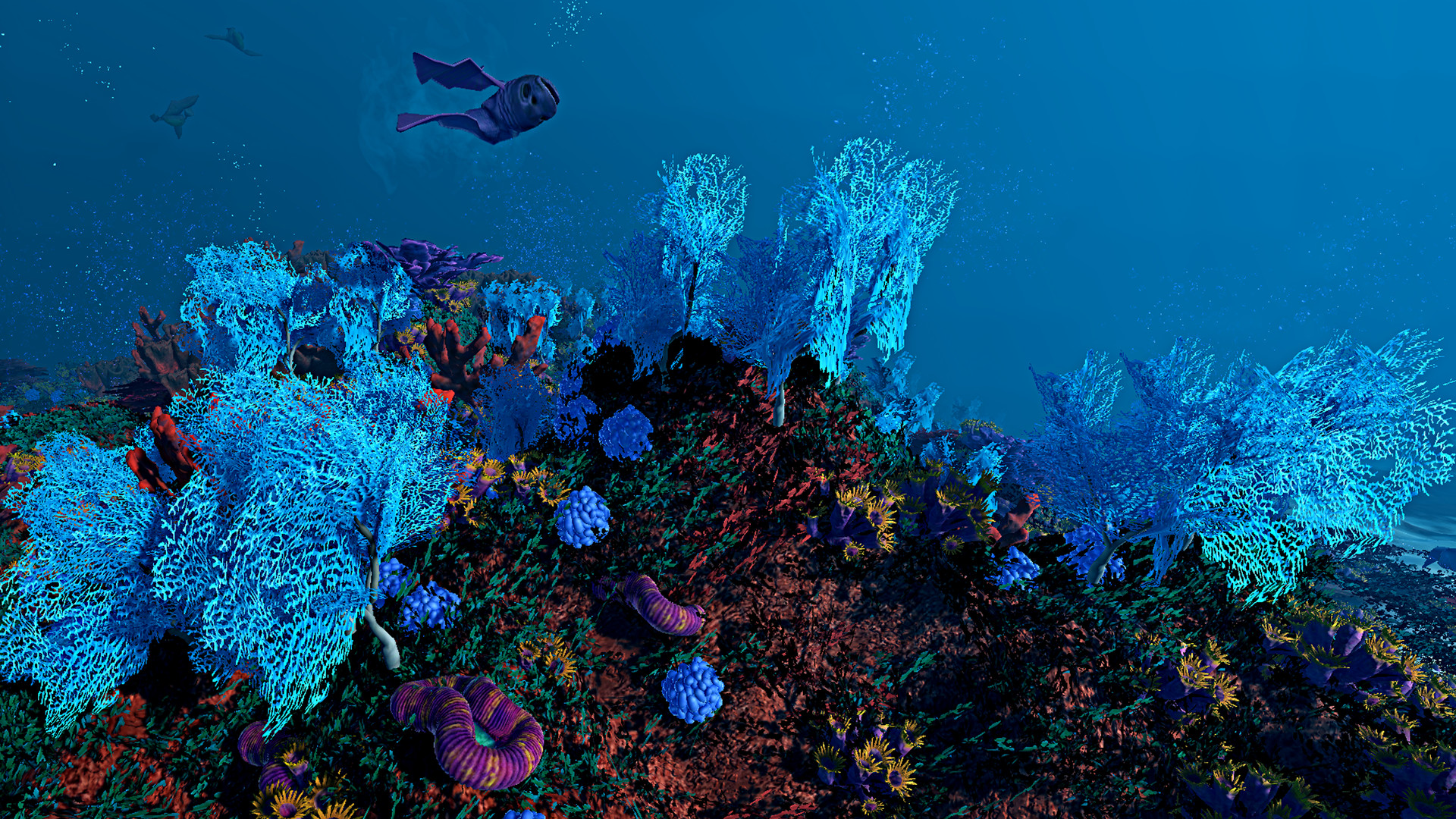
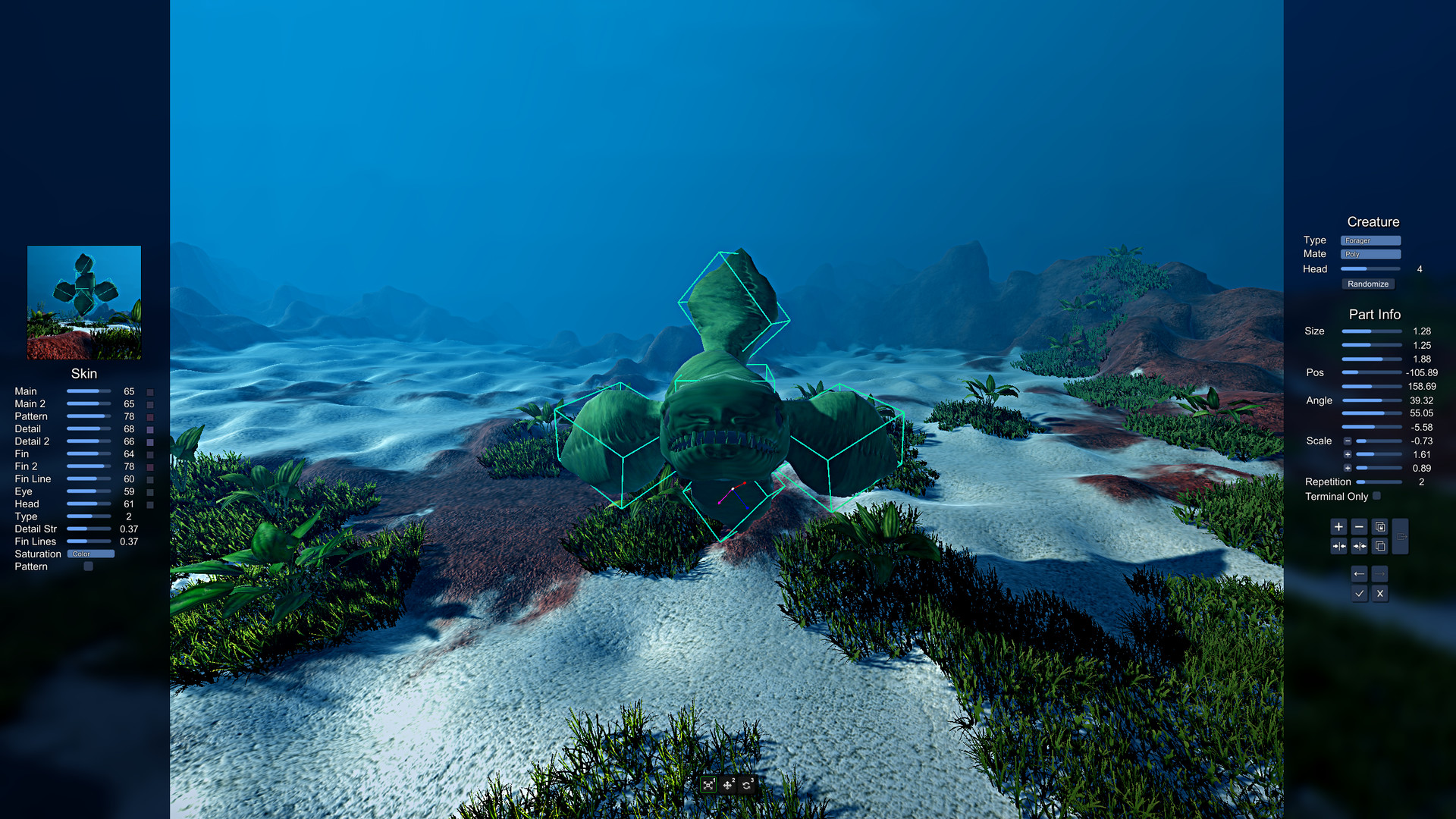
Ecosystem is a simulation where virtual lifeforms evolve from synthetic DNA inside a physically‑simulated ocean. Their DNA determines structure, neural processing and combat traits, letting each creature swim, sense and fight like real sea‑life.
Players can shape worlds, guide evolution with tools, and watch populations adapt over generations. Data visualisation, procedural terrain and Steam Workshop support let you monitor, share and expand your ecosystems with community‑created species and maps.
01 / THE GUIDE
Evolution Mechanics
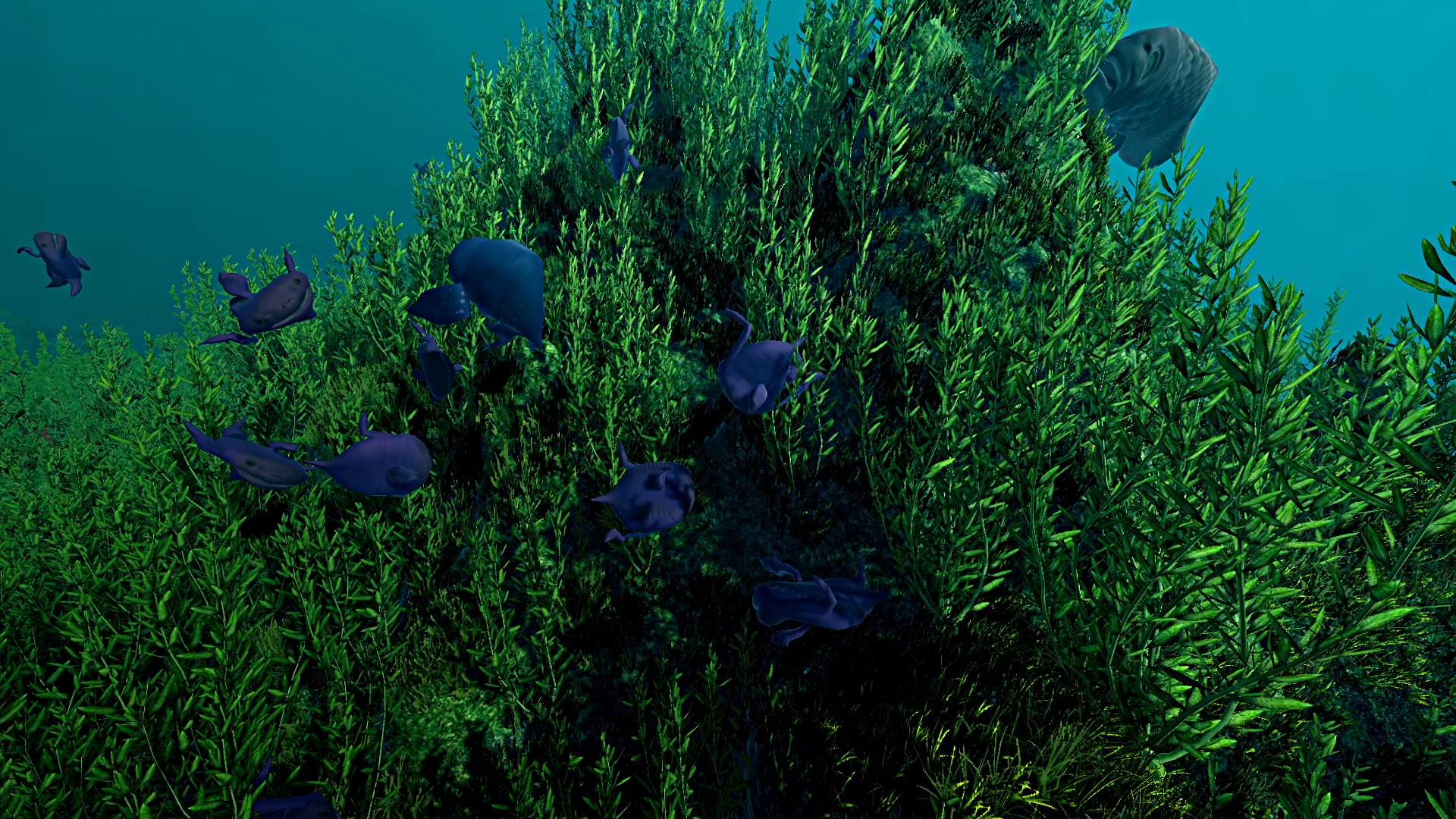
Life begins when a batch of random‑brained creatures is released into the water. Those that manage any movement gain more offspring, allowing their traits to spread over generations. Ten generations later, descendants become proficient swimmers, showing tangible evolutionary progress.
The system rewards movement and survival, so the population naturally shifts toward traits that improve locomotion and resource acquisition. This creates a visible, player‑influenced evolutionary curve.
- Release a diverse initial batch to increase the chance of early movers.
- Observe which traits correlate with higher offspring rates.
02 / THE GUIDE
Combat Layer
Each creature possesses combat statistics that define its role in the food chain. Abilities such as electrical attacks or poisonous spikes affect predator‑prey interactions, influencing survival chances.
As species evolve, they must adapt to new threats or risk extinction, making combat a dynamic part of ecosystem balance.
- Introduce defensive traits early to protect vulnerable species.
- Track combat stats to anticipate shifts in the food chain.
03 / THE GUIDE
Playing God Tools
A suite of tools unlocks as you progress, allowing high‑level constraints like required tentacles or size, and low‑level adjustments such as drag or torque during swimming.
These controls let you steer evolution directly, forcing specific traits or environmental challenges to shape species development.
- Use size constraints to create niche predators.
- Adjust drag to test swimming efficiency.
04 / THE GUIDE
World Sculpting
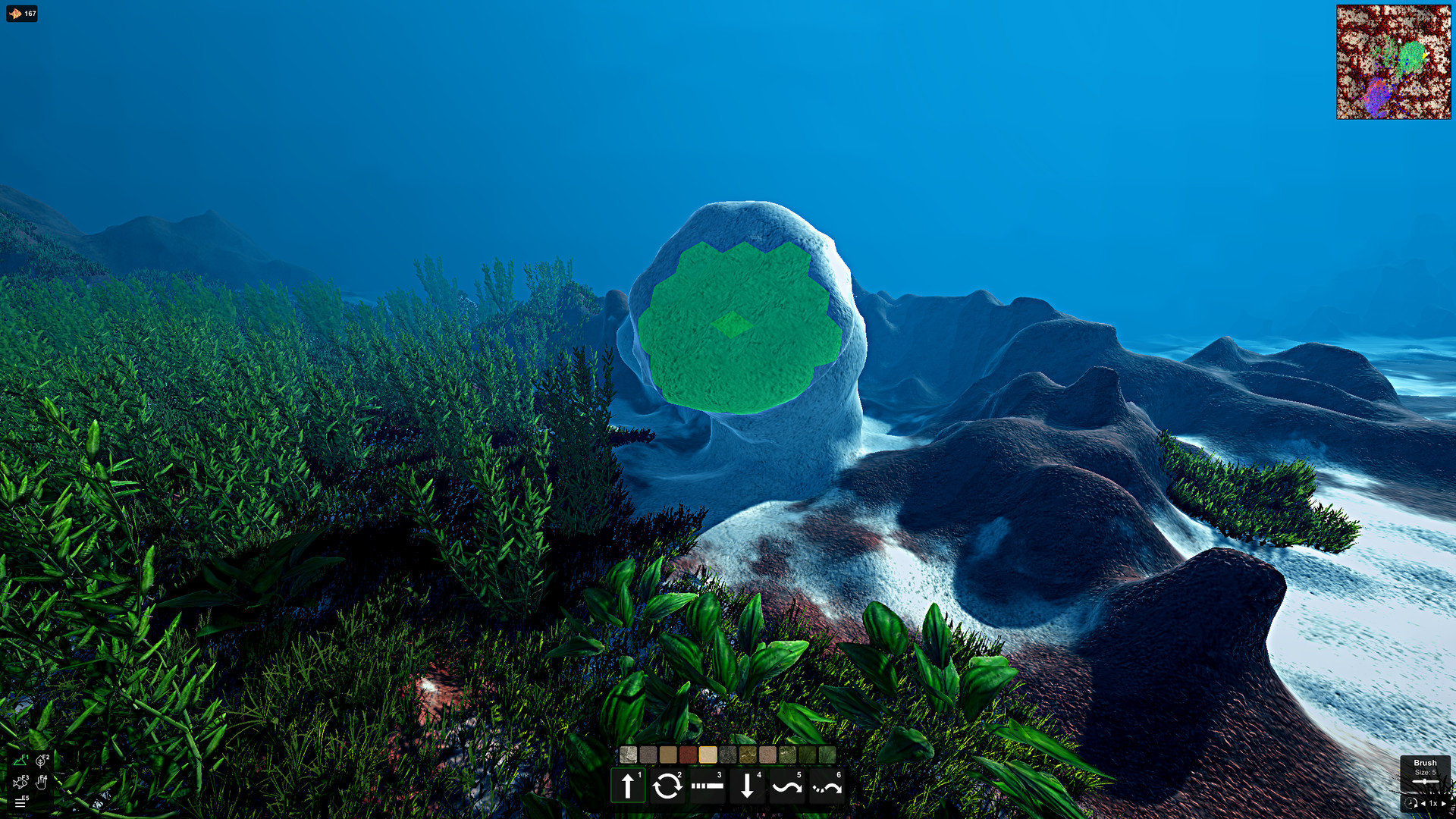
Procedural worlds offer options like ocean depth and soil type, and you can further sculpt terrain by raising mountains or carving caves for predators to inhabit.
Custom terrain directly influences creature behavior, providing shelters, hunting grounds and migration pathways.
- Create caves to encourage ambush predators.
- Vary depth to diversify habitat zones.
05 / THE GUIDE
Data Analytics
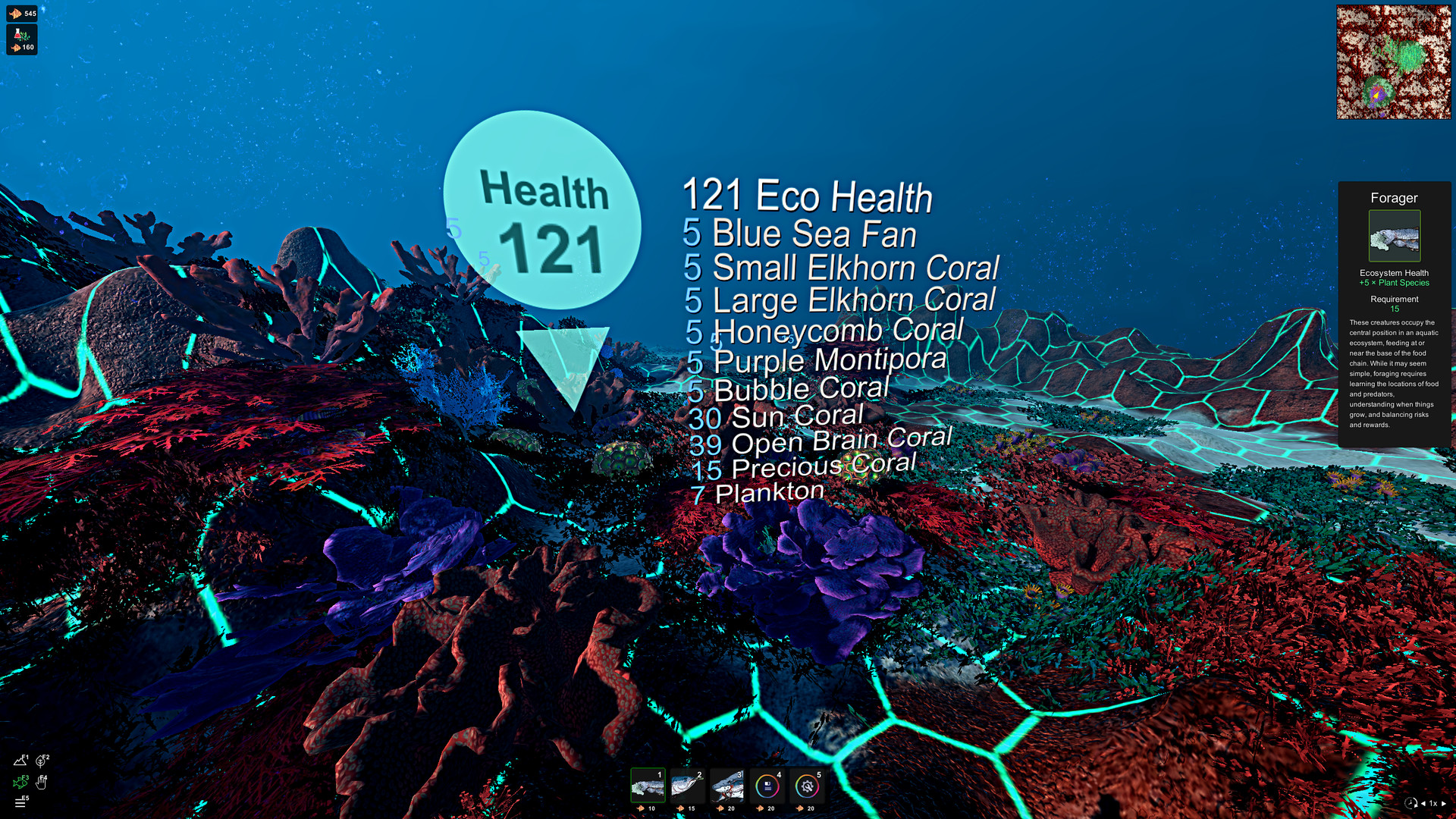
The game supplies extensive statistics: population charts for animals and plants, and phylogenetic trees for individual species, enabling detailed tracking of evolutionary trends.
These visual tools help you understand how traits spread and how ecosystems respond to your interventions.
- Monitor phylogenetic trees to spot emerging dominant lineages.
- Use population charts to detect over‑population early.
COMMUNITY
Player discussion