 GameWiki

GET YOUR BEARINGS
About Earthtongue
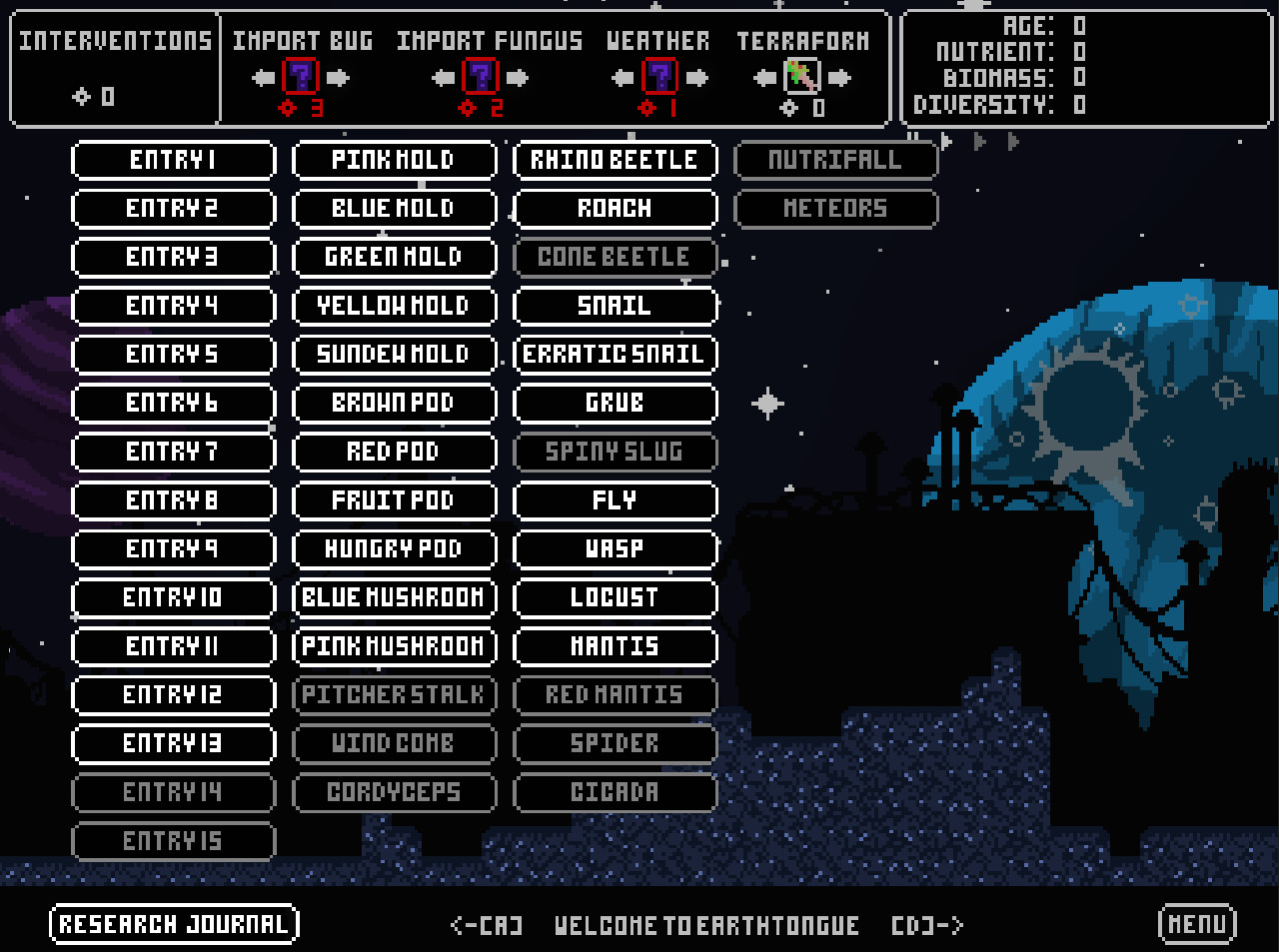
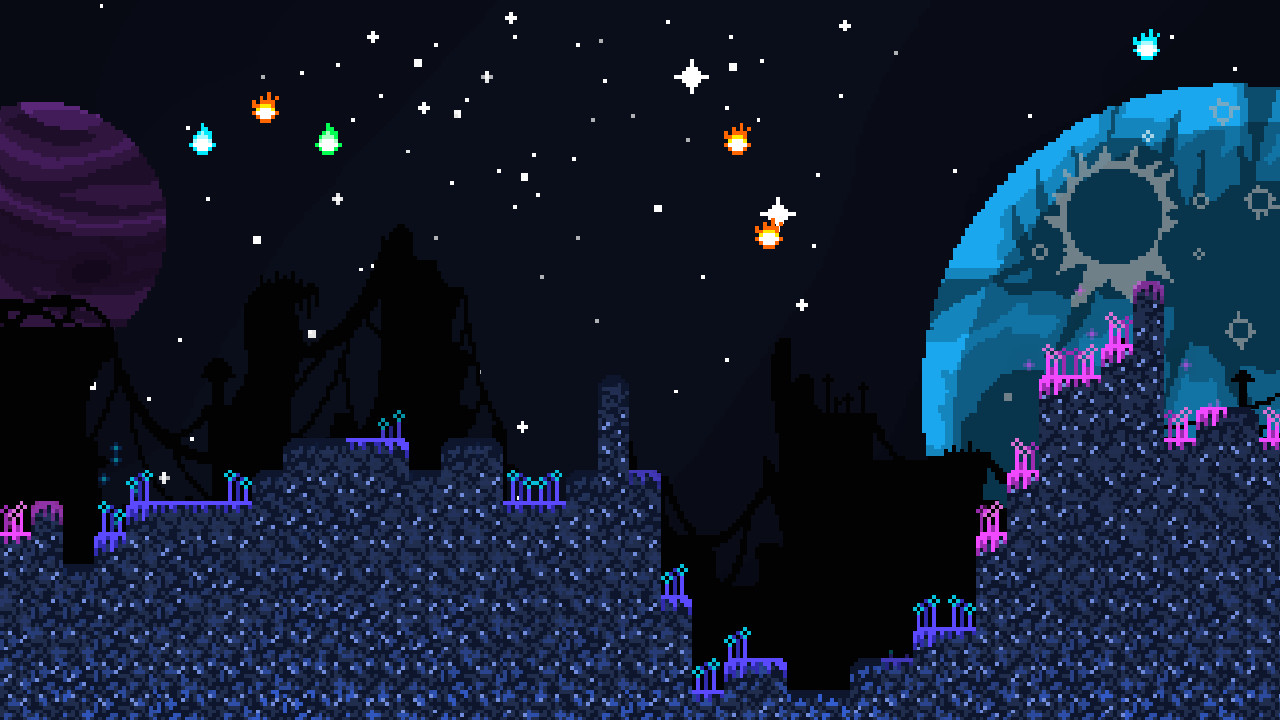
EarthTongue drops you into a sunless world where fungi, beetles and mantises live under a slow rain of nutritious substance. The simulation gives you limited control, letting the ecosystem largely run on its own while you watch life grow and eat each other.
Your only explicit goal is to keep the ecosystem healthy. You may shape a fungal garden, try to breed many beetles, feed mantises, or simply observe the world unfold without intervention.
01 / THE GUIDE
Ecosystem Balance
The simulation centers on a small ecosystem where fungi, beetles and mantises interact. The description notes that the world can handle itself most of the time, but subtle nudges from the player are required to maintain balance.
The player goal is maximizing the health of your ecosystem, encouraging you to watch feeding and reproduction cycles. Small adjustments help prevent collapse without demanding constant micromanagement.
- Watch a full cycle before making changes to understand natural trends.
- Apply minor nudges rather than large shifts to avoid destabilising the food chain.
02 / THE GUIDE
Fungal Garden Creation
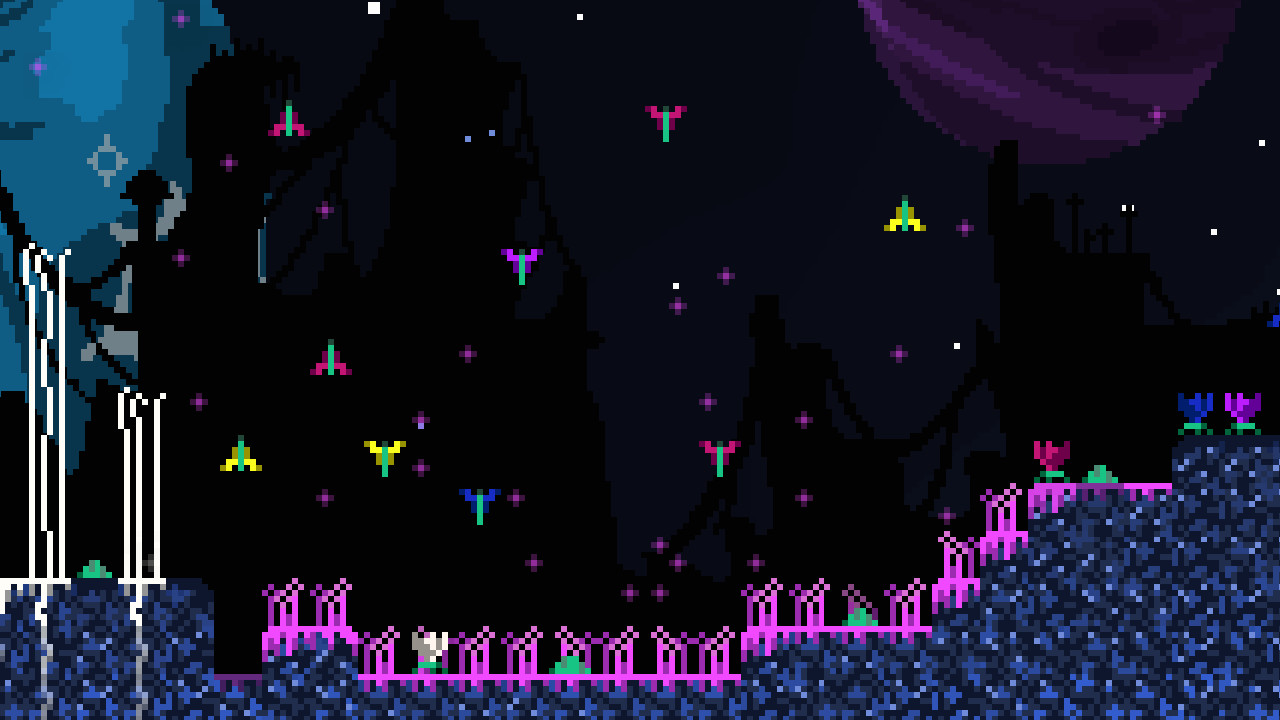
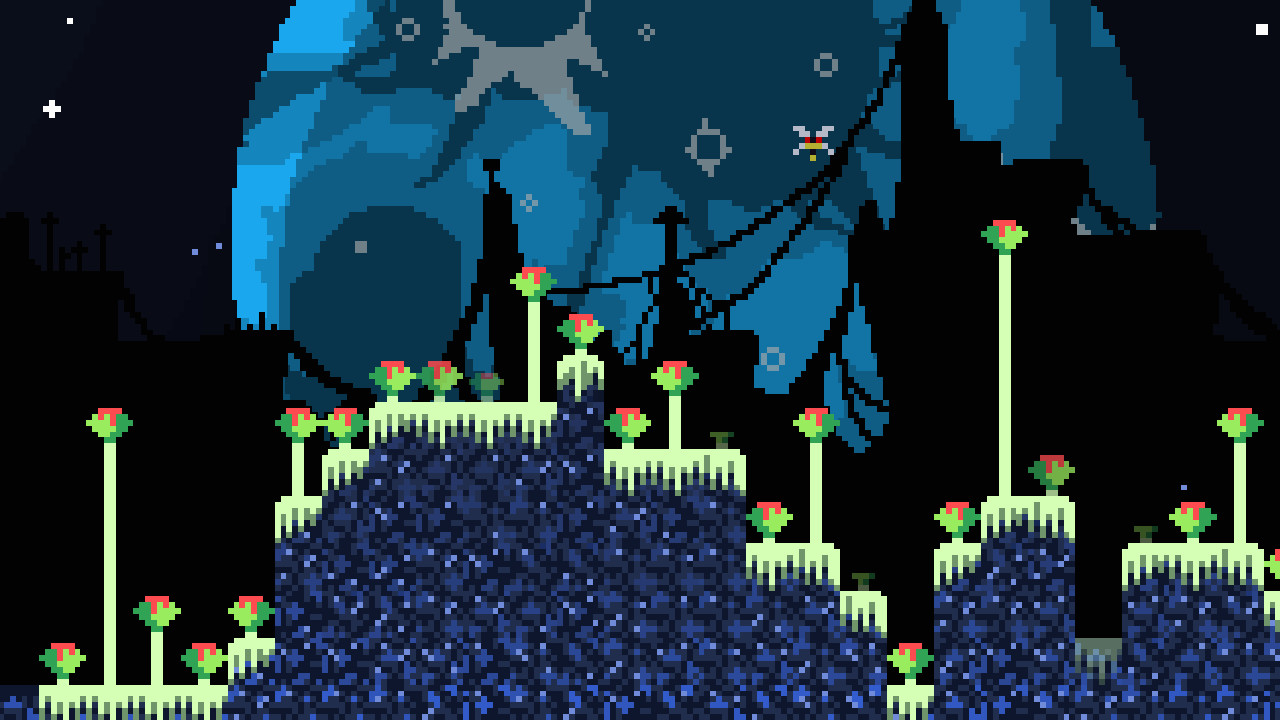
Players may choose to create a fungal garden that fits their aesthetic or functional preferences. The game lets you create a fungal garden to your liking, and how it develops can shape the world around it.
The garden can be left to develop naturally, or you can guide its growth to support beetles and mantises, directly affecting the measured health of the ecosystem.
- Position fungi near beetle habitats to provide easy access to food.
- Allow the garden to expand slowly and observe its impact on other organisms.

03 / THE GUIDE
Beetle Breeding
Breeding beetles is listed as a possible player goal, offering a way to increase the population of a key prey species. More beetles can support higher trophic levels such as mantises.
Successful beetle growth contributes to ecosystem health, especially when you later use beetles as food for predators, creating a clear predator‑prey relationship.
- Monitor beetle numbers regularly to avoid overpopulation.
- Balance beetle growth with fungal availability for sustainable feeding.
04 / THE GUIDE
Mantises as Predators
Mantises act as predators within the world, and the description states you may use beetles as food stock for them. Supplying beetles helps mantises survive while keeping beetle numbers in check.
Feeding mantises is one way to use your beetles; supplying prey may help sustain them while keeping beetle numbers in check.
- Offer beetles to mantises only when beetle numbers are stable.
- Observe mantis behavior after feeding to gauge ecosystem impact.
05 / THE GUIDE
Observational Play
If you prefer minimal intervention, the game allows you to simply watch the story of EarthTongue unfold. The world continues its cycles with little player input, emphasizing the simulation aspect.
This hands‑off approach lets natural processes dictate outcomes, offering a quiet experience where emergent interactions become the primary focus.
- Take notes on interesting interactions to deepen understanding.
- Compare a session with no input to one where you make occasional nudges.
COMMUNITY
Player discussion