 GameWiki

GET YOUR BEARINGS
About Dreams in the Witch House
Dreams in the Witch House places you in the role of Walter Gilman, a math student who moves into the infamous Dombrowski boarding house in Arkham, 1929. The game blends classic point‑and‑click adventure storytelling with an open‑world sandbox that tracks money, health, sanity and other character stats.
You have two in‑game months to prepare Walter for the dreaded May‑Eve, and every decision—studying, socialising, reading forbidden books, or staying in bed—affects those stats and leads to several possible endings. Randomly generated elements and a day‑evening‑night cycle keep each 10‑20 hour playthrough distinct.
01 / THE GUIDE
Story Setting
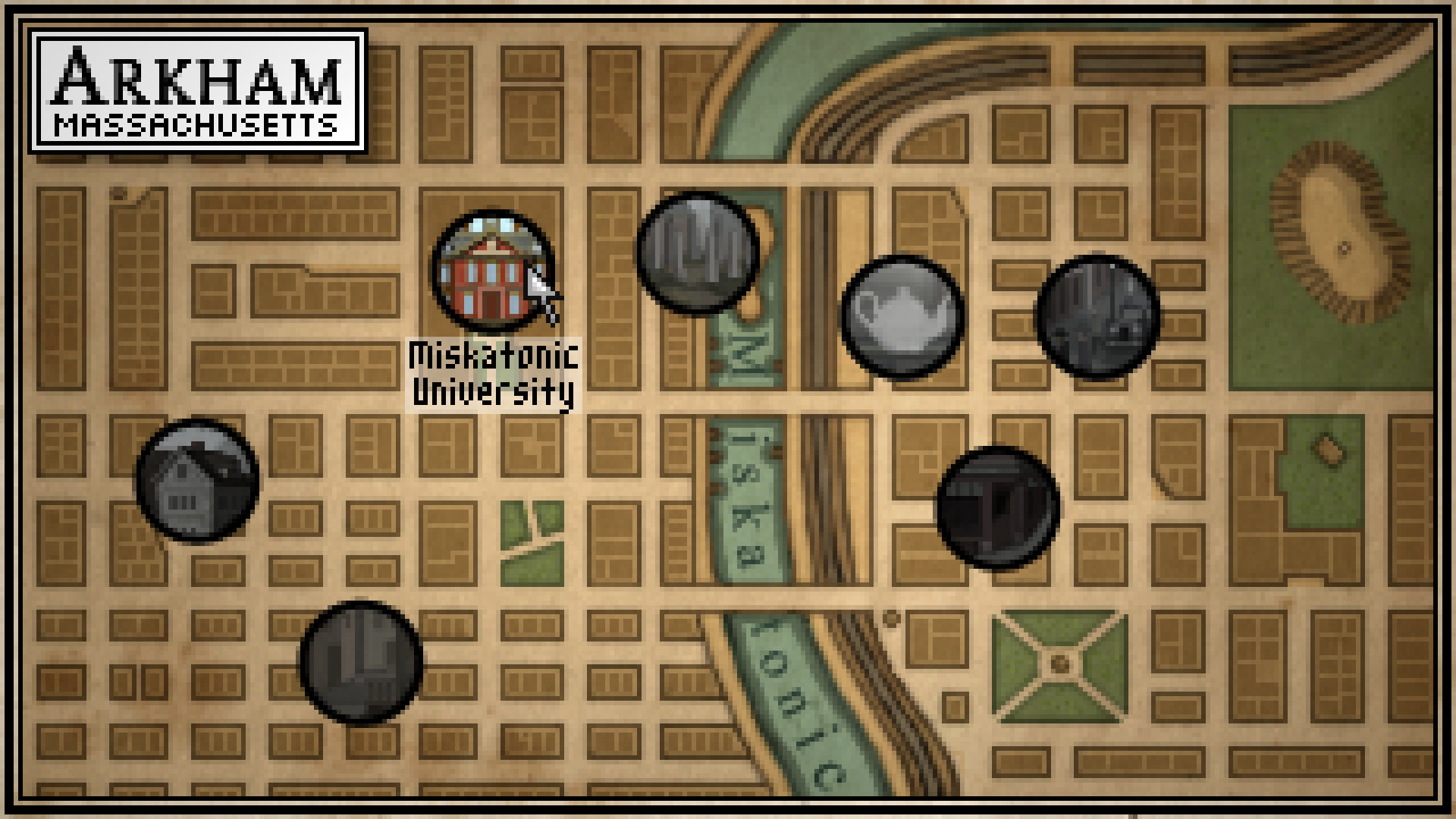
Walter Gilman arrives at Miskatonic University and takes a room at the Dombrowski boarding house, a location already noted for its bad reputation. Unsettling dreams begin soon after, hinting at a hidden scheme that threatens his life and soul.
The narrative draws directly from H.P. Lovecraft’s short story, using the 1929 Arkham setting to create a tense atmosphere where academic life and occult danger intersect.
- Compare boarding‑house rumors with any in‑game notes to spot thematic clues.
- Observe how the tone shifts after each dream; it often foreshadows new options.
02 / THE GUIDE
Hybrid Gameplay
The title mixes point‑and‑click adventure mechanics with an open‑world RPG framework, allowing free exploration while still presenting puzzle‑focused interactions that are triggered by clicking on objects or dialogue options.
Many elements are generated randomly, meaning the same location can offer different encounters or clues on subsequent playthroughs, reinforcing the game’s non‑linear design.
- Treat each click as a potential puzzle trigger; experiment with different objects.
- Revisit areas after major story events to see how random generation has changed them.
03 / THE GUIDE
Time Management
You have two in‑game months before May‑Eve, and a day/evening/night cycle with changing weather.
Studying, socialising and occult research are among the activities you can pursue, making the allocation of those hours a core strategic element.
- Balance study time with social interactions to keep sanity stable.
- Changing weather is part of the cycle, so it can shape the mood of each in-game day.
04 / THE GUIDE
Stats System
Walter’s condition is tracked through money, health, sanity and several character stats. Actions such as reading forbidden books or staying in bed directly affect these meters, influencing ending outcomes.
Health and sanity are among the meters your choices affect as the story builds toward May-Eve.
- Monitor sanity after each occult encounter; a brief rest can prevent rapid decline.
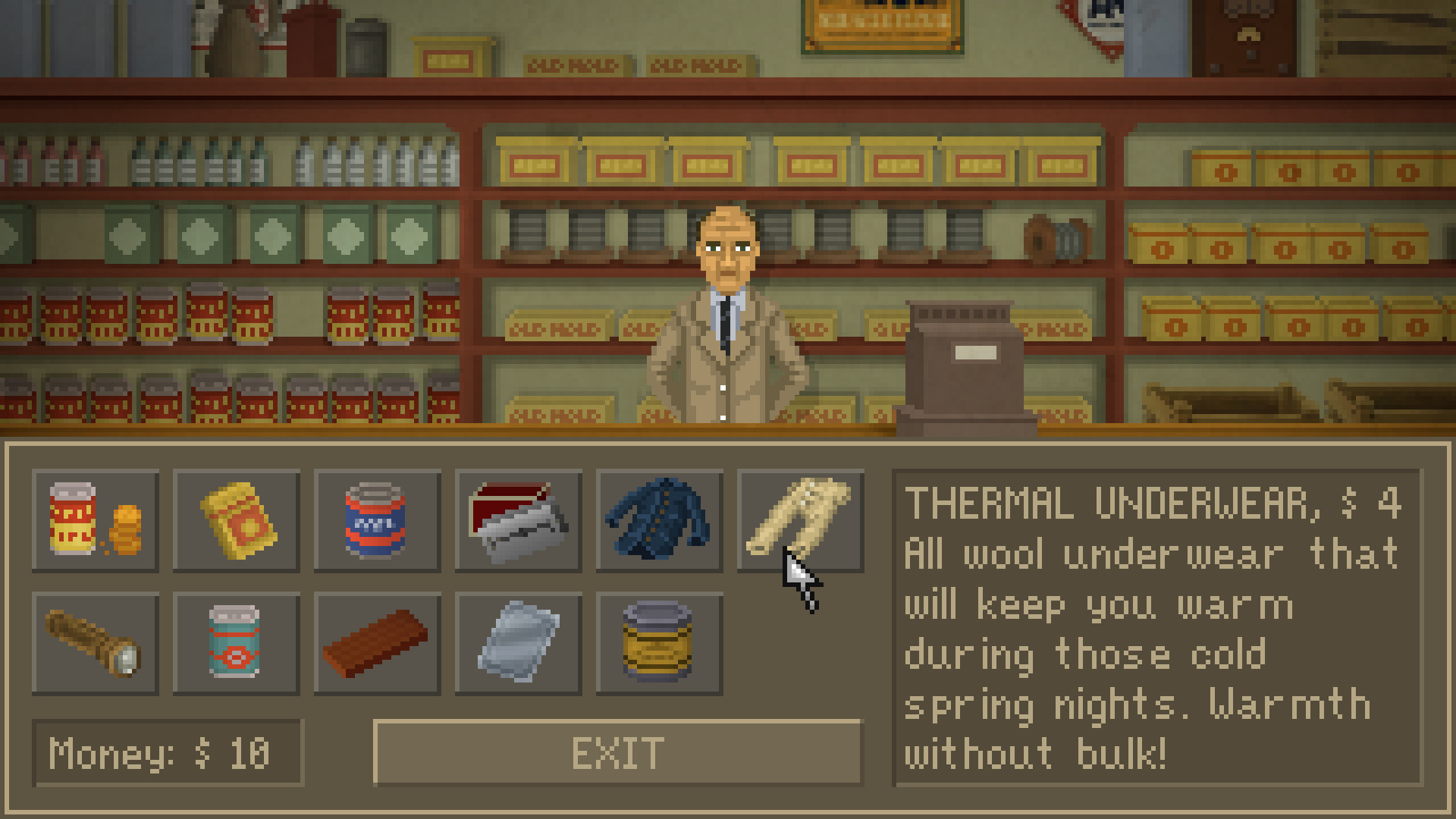
- Spend money on items that improve health or sanity rather than purely aesthetic choices.
05 / THE GUIDE
Visuals & Audio
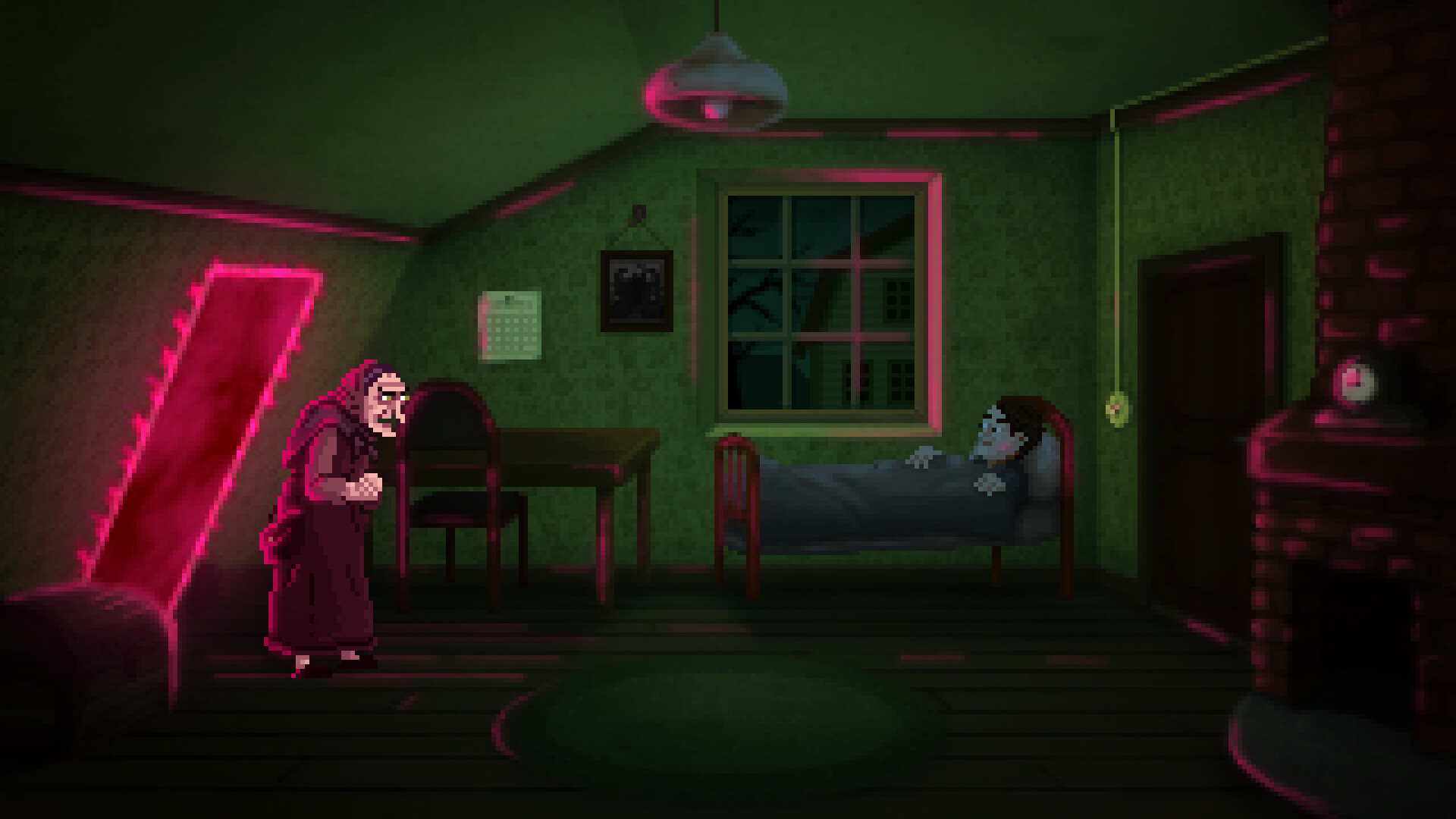
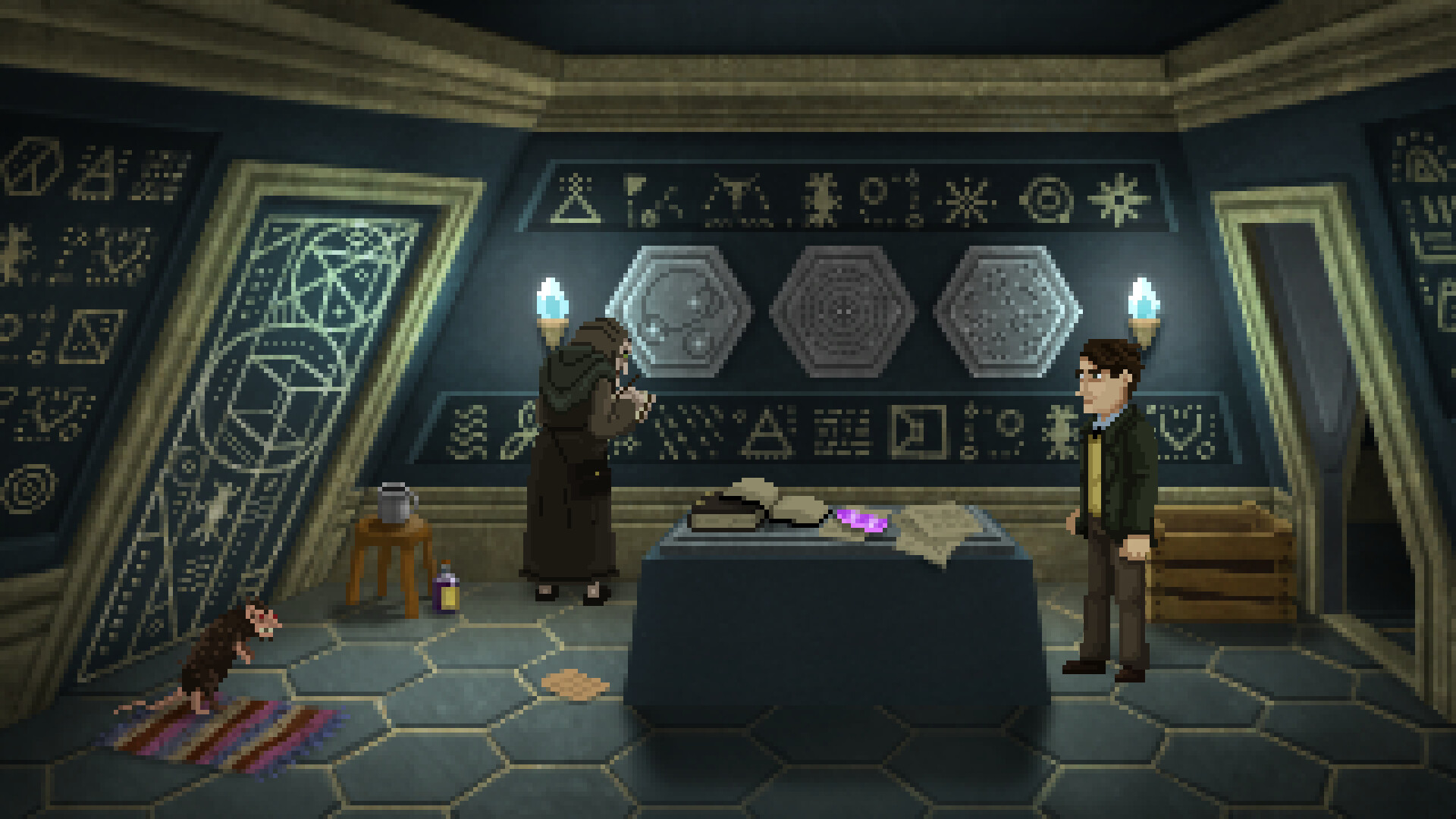
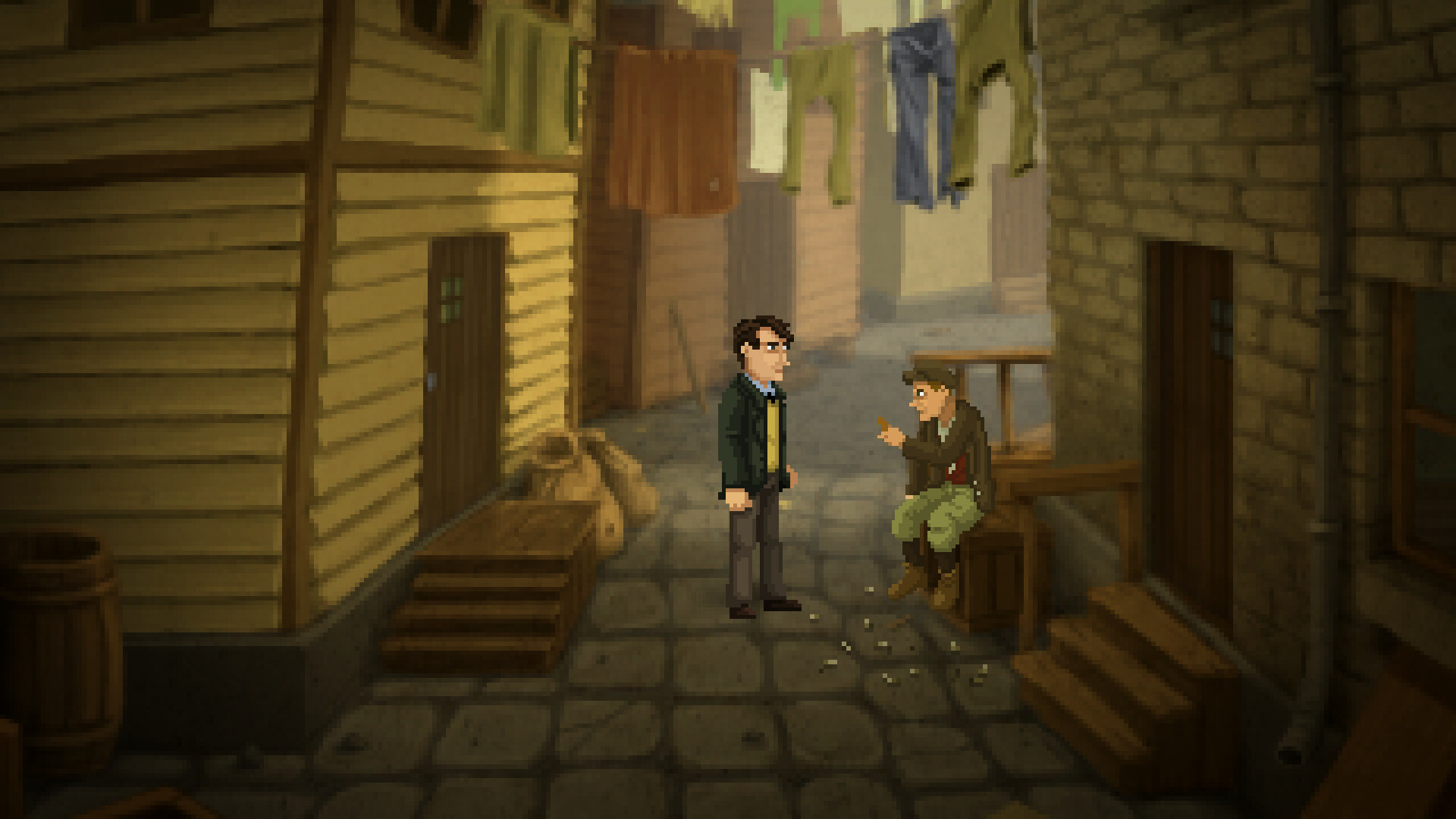
The game uses 320 × 180 pixel graphics, delivering detailed animation and visual effects that reinforce the period atmosphere. Lighting changes during night cycles and subtle animation details convey growing otherworldly threat.
An original soundtrack by Troy Sterling Nies, known for Cthulhu‑themed scores, underscores the creeping tension and signals narrative shifts.
- Watch visual cues during night scenes to enjoy the detailed animation and effects.
- Listen for musical shifts; a new motif can signal an impending dream or plot twist.
COMMUNITY
Player discussion