 GameWiki

GET YOUR BEARINGS
About Dream on
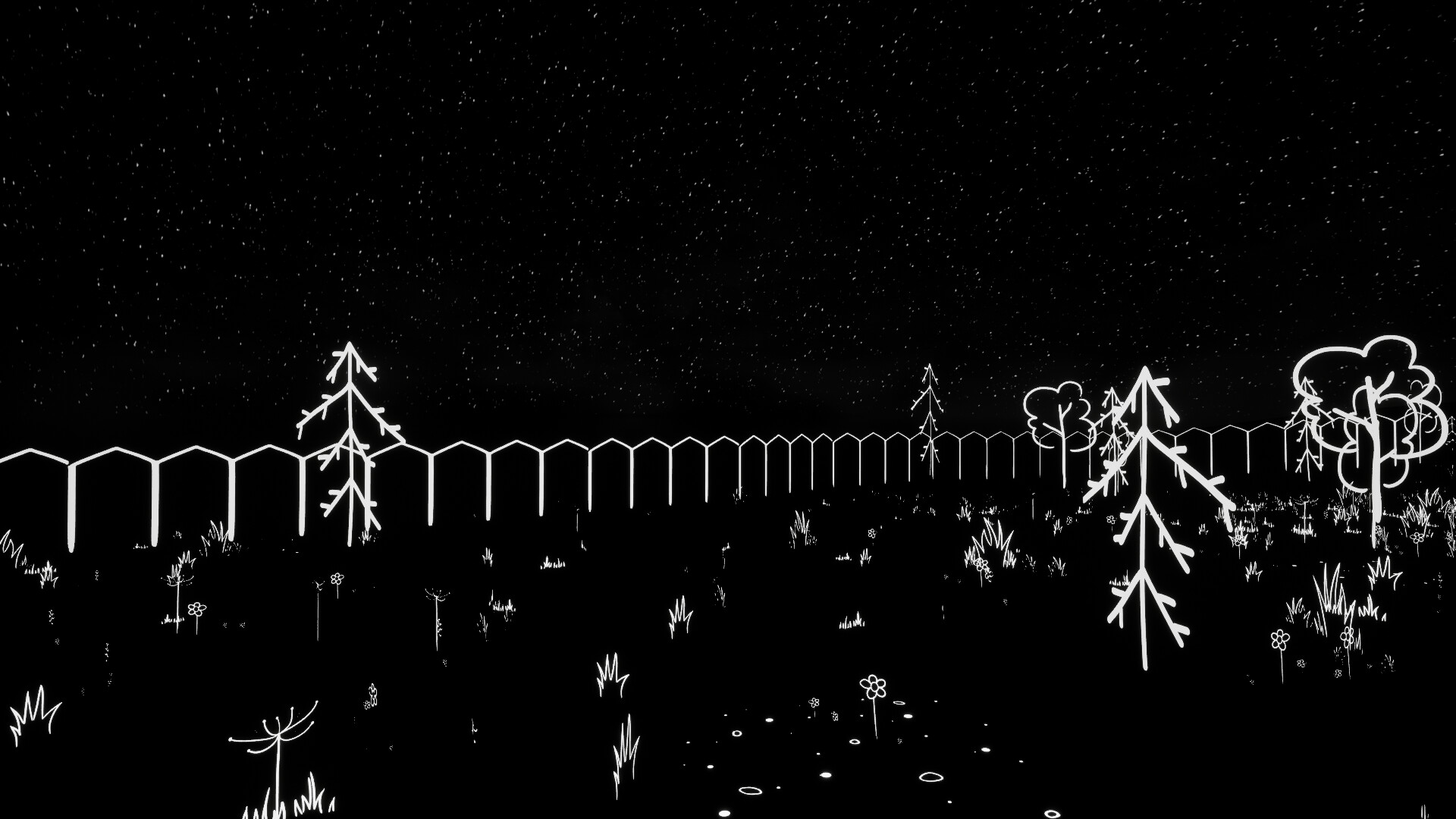
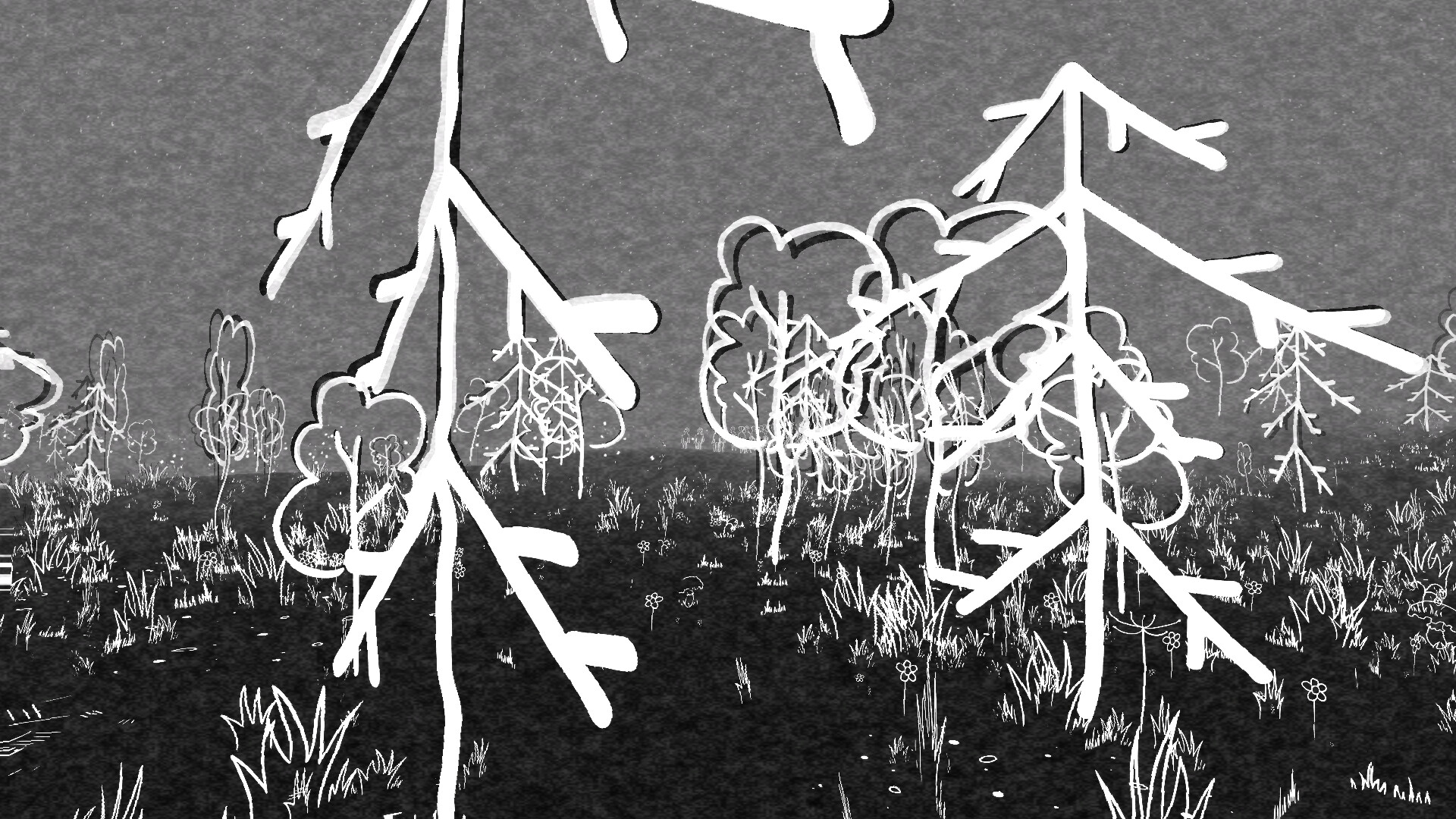
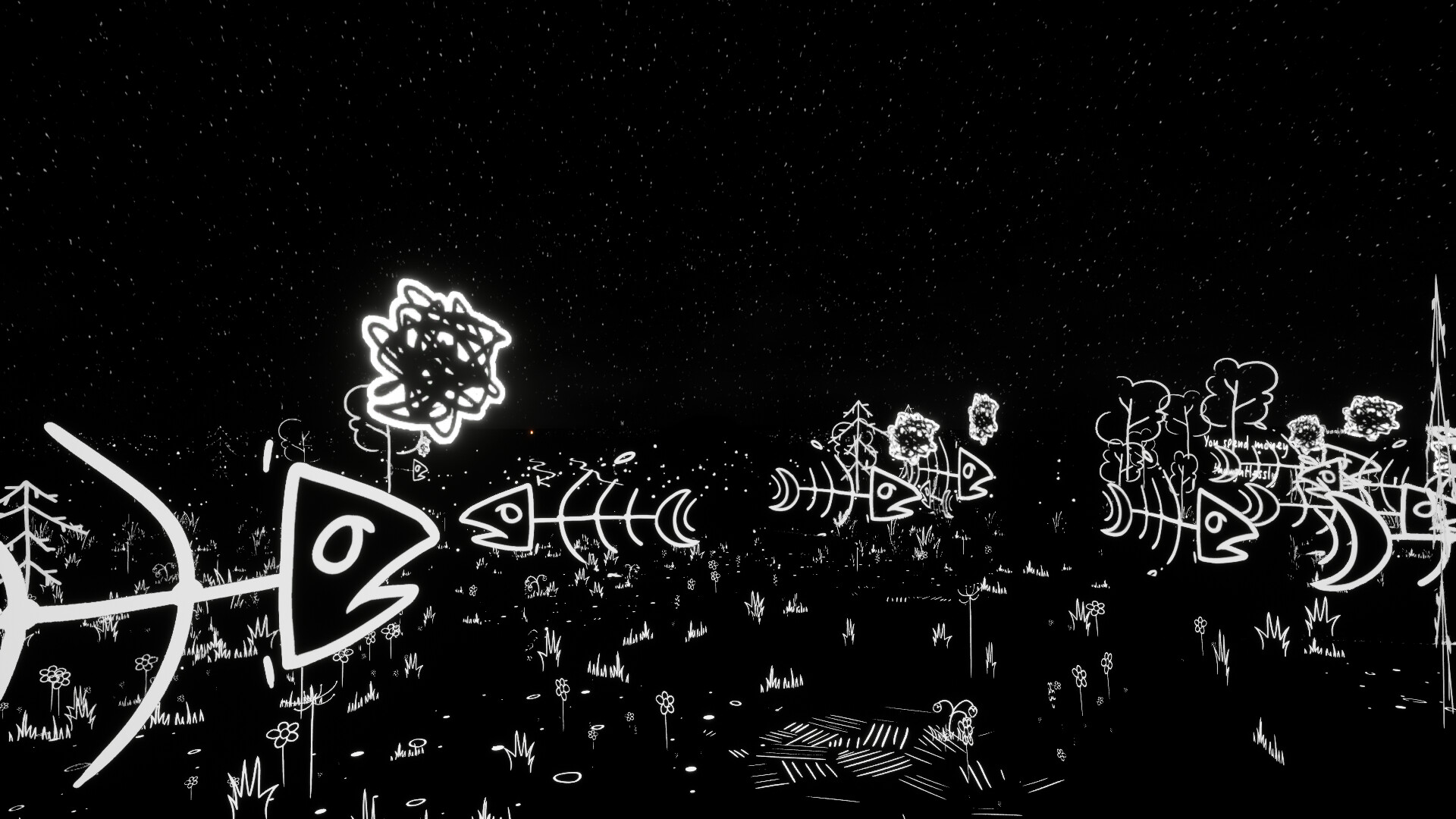
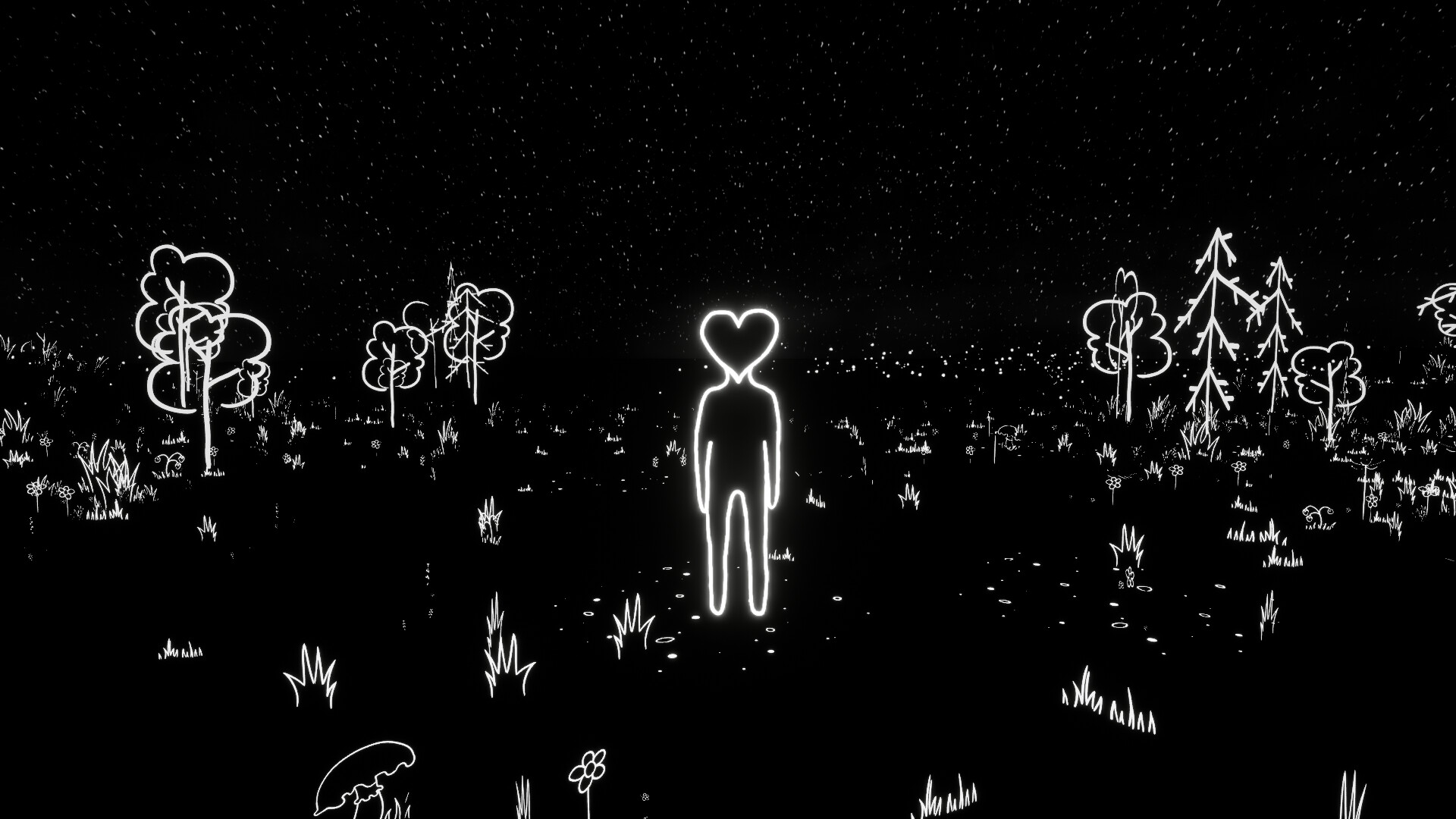
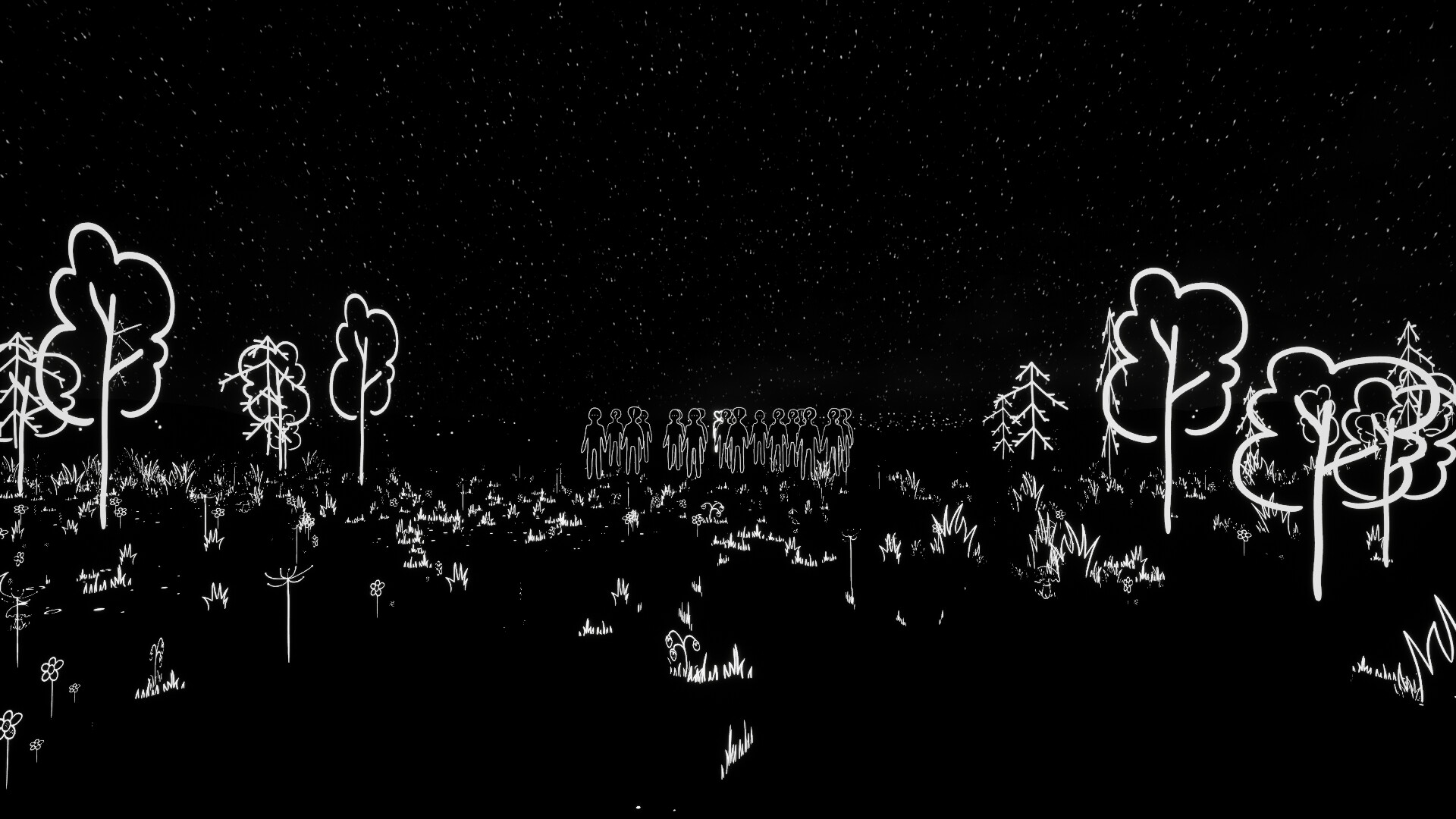
Dream On is a brief first‑person walking simulator that invites players into a symbolic dreamscape. The experience is built around introspection, using surreal visuals and ambient sound to convey inner fears, hopes, and desires without dialogue or text.
The game lasts roughly five to ten minutes, offering a linear journey that culminates in a single meaningful choice. It is designed as a quiet, emotional escape, ideal for a short reflective pause before sleep.
01 / THE GUIDE
Linear Narrative
The story unfolds in a single, unbranching path that guides the player through a series of symbolic environments. Each area reflects a facet of the protagonist’s inner world, creating a cohesive emotional arc.
Because the narrative is linear, players experience the intended sequence of visuals and sounds without needing to revisit or reorder scenes, ensuring a focused emotional journey.
- Observe how each environment transitions to the next; the order reinforces the thematic progression.
- Take a moment after each scene to let the atmosphere settle before moving on.
02 / THE GUIDE
Short Duration
Dream On can be completed in about five to ten minutes, making it a concise experience that fits into a brief break. The limited length emphasizes its purpose as a meditative interlude rather than a prolonged adventure.
The brief playtime encourages multiple viewings, allowing players to notice new details on subsequent runs without feeling obligated to invest many hours.
- Consider playing once before sleep to let the mood linger into rest.
- Re‑play after a few days to notice subtle visual or audio cues you missed.
03 / THE GUIDE
Simple Controls
Interaction is limited to walking, looking around, and activating key objects. This minimal control scheme keeps focus on exploration and atmosphere rather than complex mechanics.
The straightforward input design makes the game accessible to anyone familiar with basic first‑person movement, removing barriers to immersion.
- Move slowly to fully absorb each visual detail.
- Use the look‑around function to scan the environment for hidden symbolism.
04 / THE GUIDE
Immersive Sound Design
The experience relies on music and ambient sounds to guide emotion, with no spoken dialogue or on‑screen text. Audio cues subtly indicate narrative beats and shifts in mood.
Because sound is the primary storytelling tool, listening attentively enhances the feeling of being inside the dreamscape.
- Use headphones for the fullest atmospheric impact.
- Notice how the music swells or recedes as you move between areas.
05 / THE GUIDE
Meaningful Ending Choice
At the conclusion, players are presented with a single decision about what they wish for. This choice serves as the emotional payoff, reflecting the journey’s introspective themes.
The decision offers a personal moment of reflection on the experience, serving as the emotional payoff of the journey.
- Think about the emotions evoked during the walk before selecting your wish.
- Treat the choice as a journal entry of your current mindset.
COMMUNITY
Player discussion