 GameWiki
GET YOUR BEARINGS
About Dorfromantik
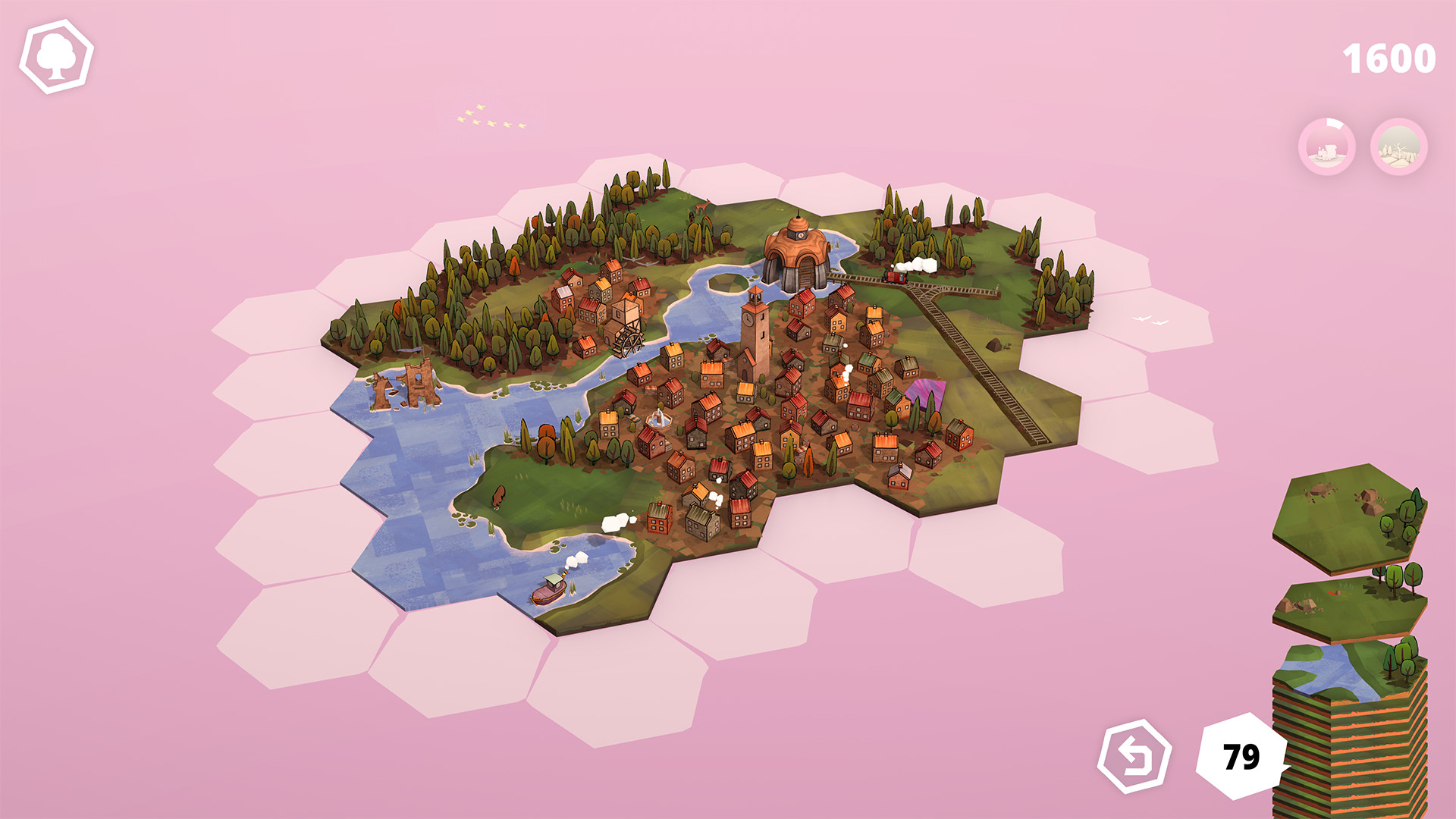
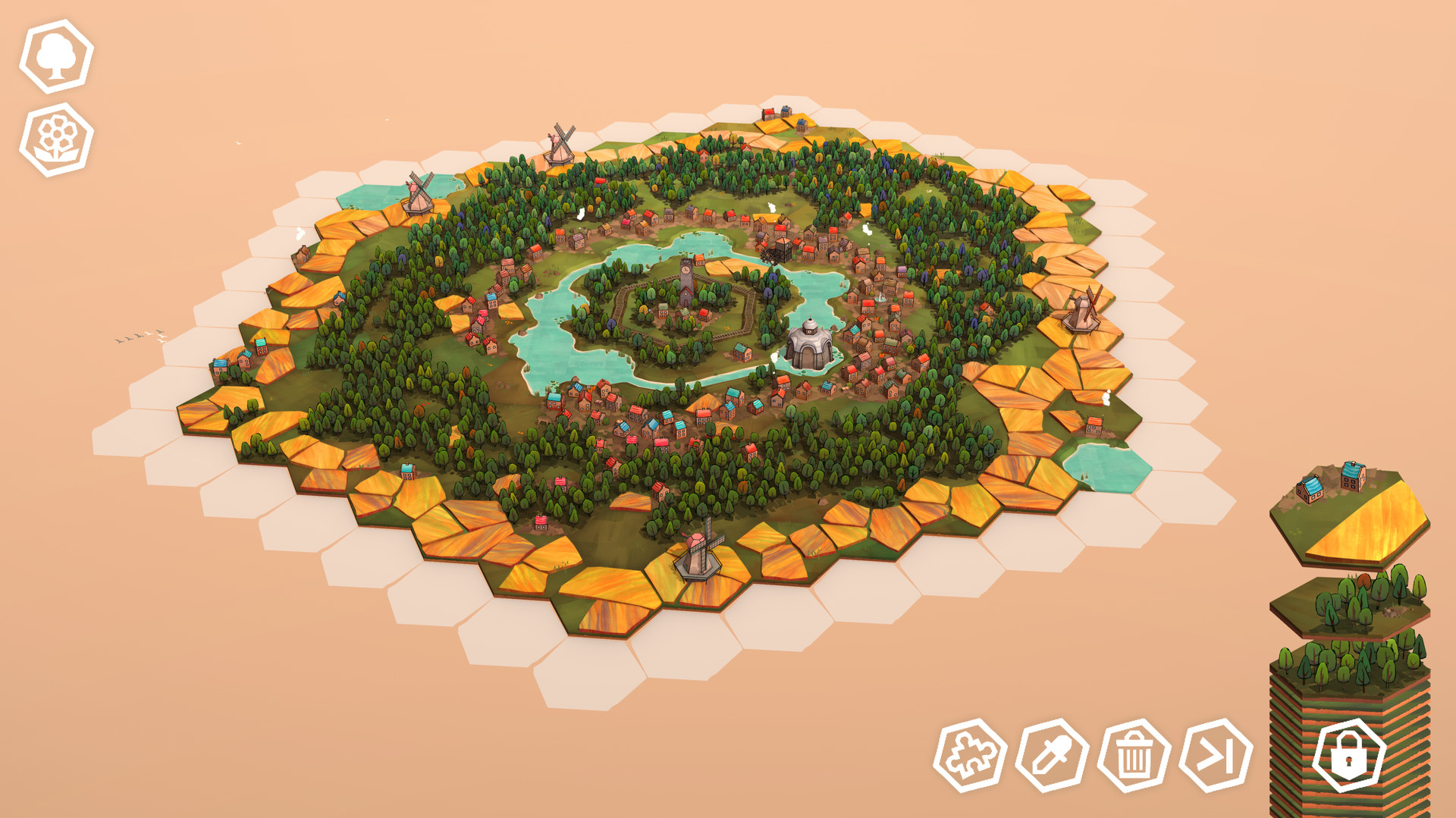
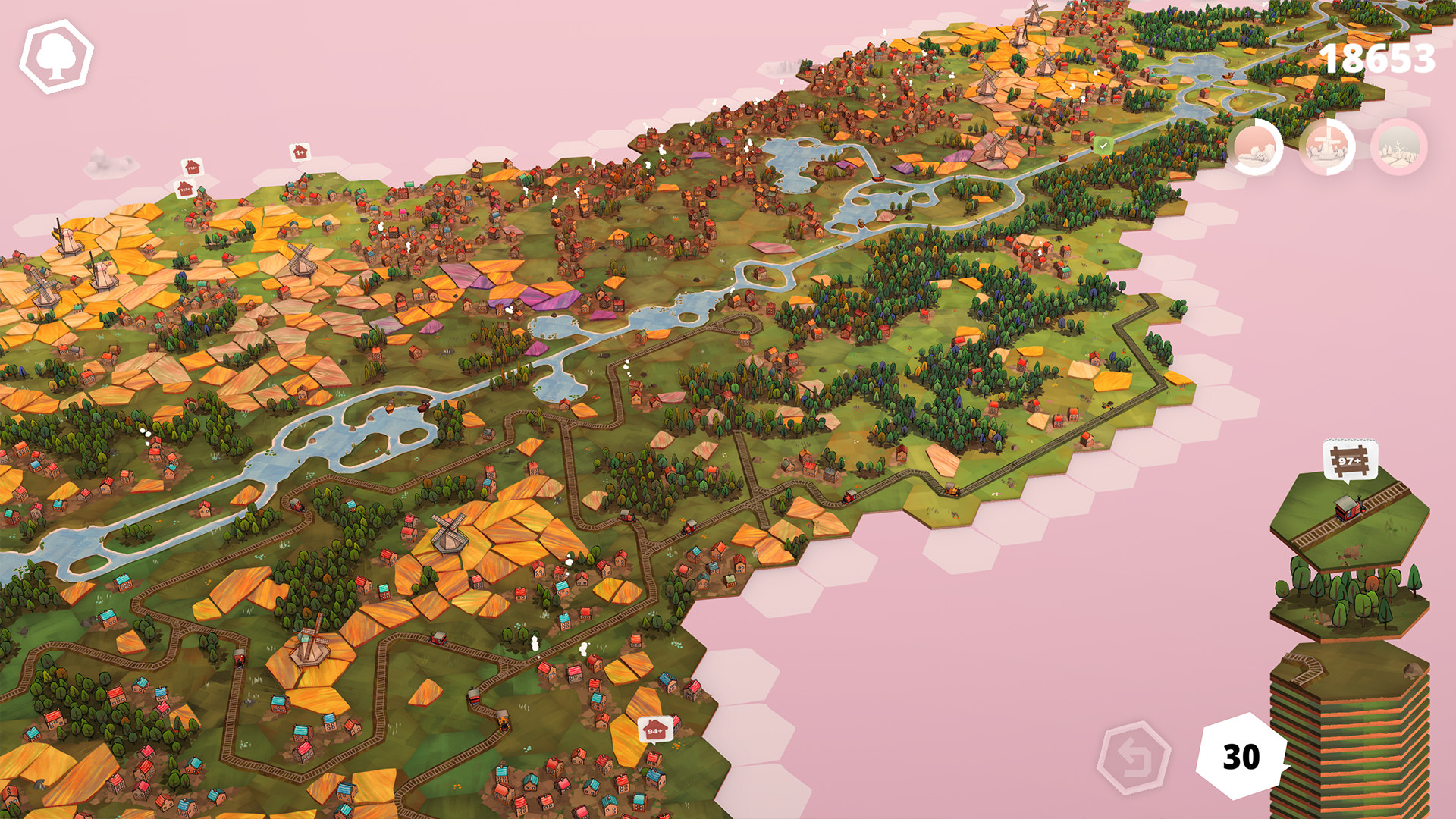
Dorfromantik is a single‑player building strategy and puzzle game where you grow tranquil village landscapes by placing procedurally generated tiles. Each turn you draw the top tile, rotate it, and fit it into an open slot, forming forests, villages, water bodies and more.
Points are awarded for how well a tile matches its surroundings, and special objects on some tiles issue quests that grant extra tiles when completed. The session ends when the tile stack is exhausted, while various modes and unlockable biomes keep each playthrough distinct.
01 / THE GUIDE
Tile Placement and Scoring
Tiles are drawn one by one from a procedurally generated stack. You place each tile on a single available slot and may rotate it to achieve the best fit with neighboring terrain, creating coherent landscape groups.
Scoring depends on how well the placed tile integrates with existing groups such as forests, villages, or water bodies. Better matches yield higher points, encouraging careful planning for high‑score attempts.
- Observe surrounding tiles before rotating to maximize group connections.
- Prioritize placements that complete larger landscape groups for bigger point gains.
02 / THE GUIDE
Quests and Extra Tiles
Certain tiles contain special objects that issue quests, for example a windmill that wants six adjacent grain fields or a locomotive that needs ten connected tracks. Completing a quest rewards you with additional tiles, extending the session.
Long‑term tasks appear on pre‑placed objects as the landscape expands. Finishing these tasks can unlock new tiles, new biomes, and further quests, adding variety to future sessions.
- Track active quests on the board to plan future tile placements.
- Focus on completing quests early to gain extra tiles for longer play.
03 / THE GUIDE
Game Modes
Dorfromantik offers Quick mode for short breaks, Hard mode for a higher difficulty, Creative mode with no limits, Custom mode for user‑made rule sets, and Monthly mode that presents a new challenge each month. Each mode adjusts the pace or constraints of tile placement.
Choosing a mode lets you match the experience to your desired level of relaxation or challenge. Quick mode fits limited time, while Hard mode tests strategic planning under tighter conditions.
- Try Quick mode when you have limited time.
- Use Creative mode to experiment without the pressure of a tile limit.
04 / THE GUIDE
Biomes and Unlockable Content
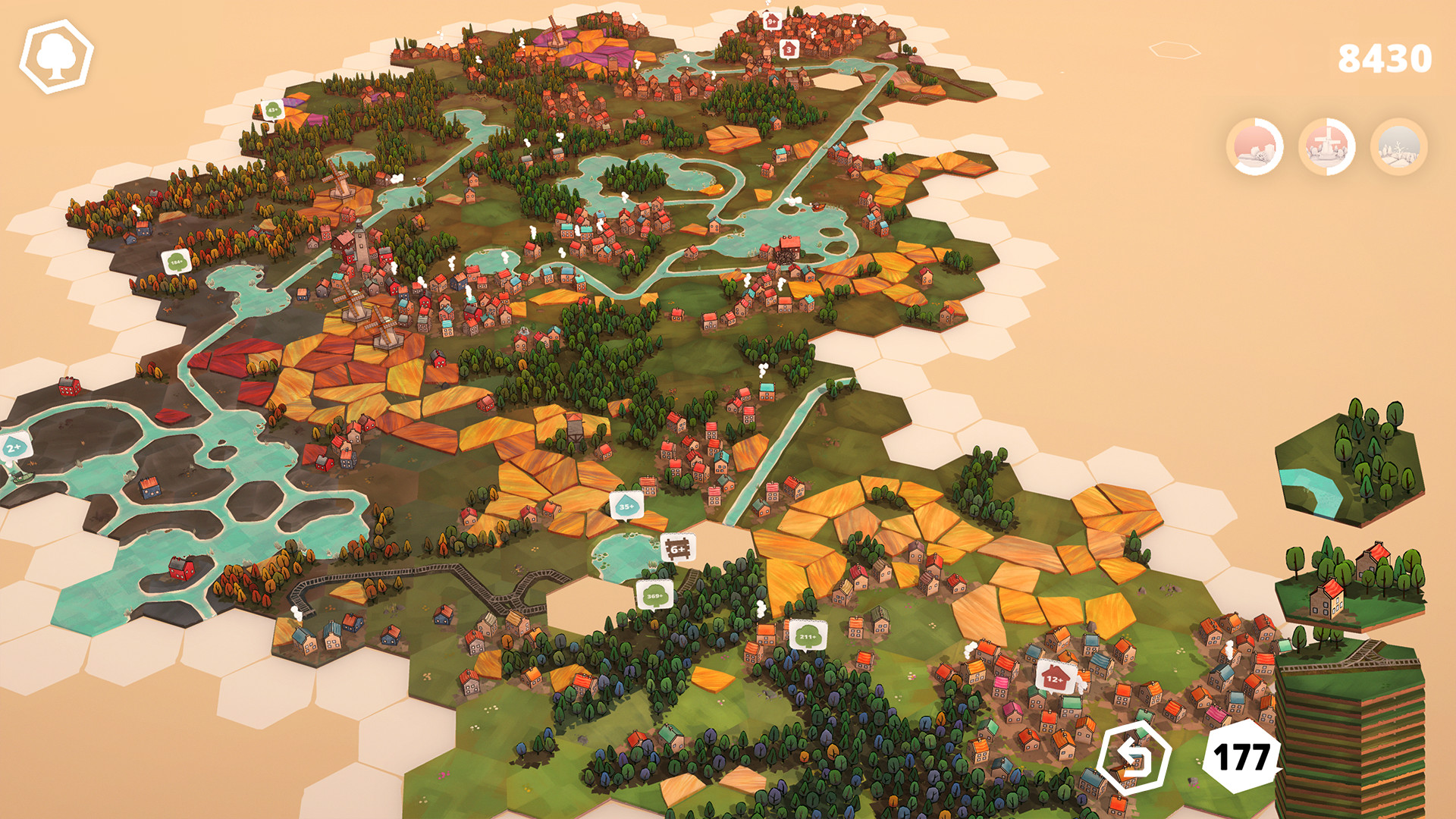
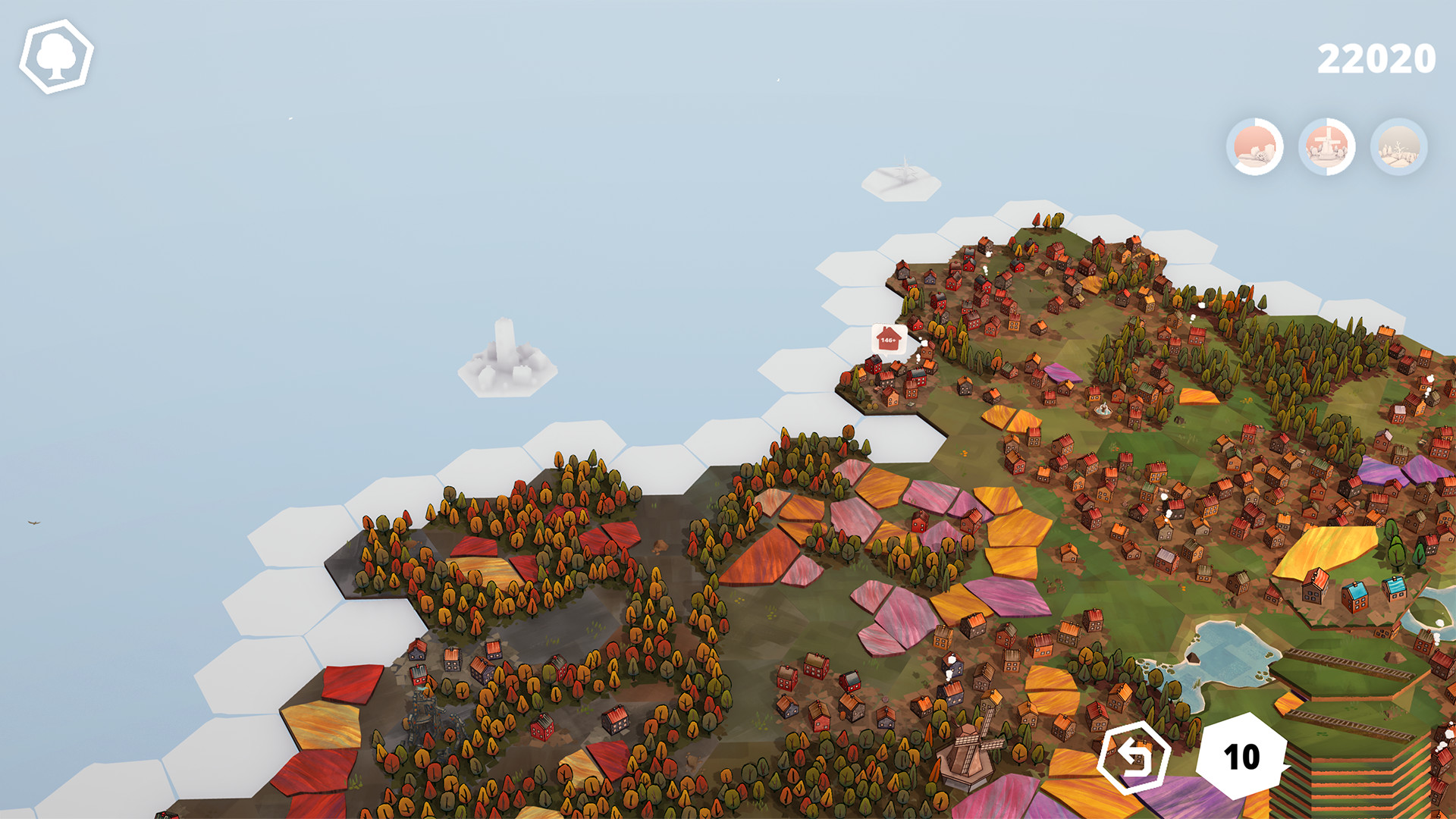
As the landscape expands, new colorful biomes become accessible, each bringing distinct visual themes and tile varieties. These biomes appear through progression and enrich the visual variety of the game.
Long‑term tasks can unlock additional tiles and biomes. Unlocking new content expands the pool of possible placements, keeping each session fresh.
- Explore emerging biomes early to discover new tile options.
- Complete long‑term tasks to unlock biomes you haven’t seen yet.
05 / THE GUIDE
Platform Features
Dorfromantik runs on Windows and macOS and includes full controller support. The game integrates with Steam services such as Achievements, Leaderboards, Cloud saves, Trading Cards, and Family Sharing, linking the experience to the broader Steam ecosystem.
These features provide optional ways to track progress, compare scores with others, and share the purchase across accounts, while the core gameplay remains a single‑player experience.
- Enable Steam Cloud to keep progress across installations.
- Check Leaderboards to gauge how your high score compares.
COMMUNITY
Player discussion