 GameWiki

GET YOUR BEARINGS
About Departed Away
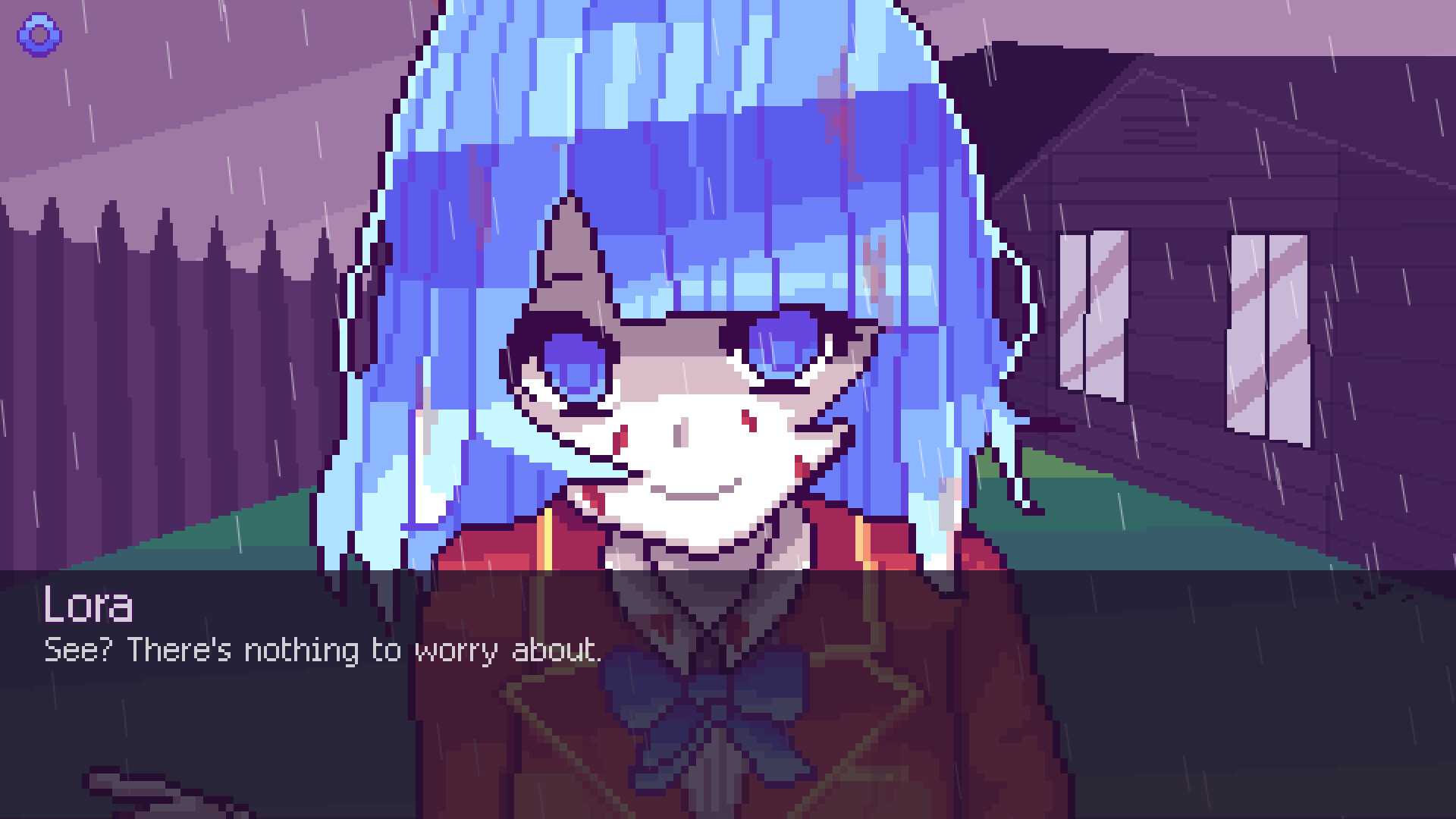
Departed Away is a casual indie RPG that follows a reluctant student forced into a new school where suspicion and strange classmates dominate daily life. The protagonist must survive accusations and uncover hidden truths while coping with a demanding family.
The title is a single‑player experience released for Windows and supports Family Sharing, letting multiple accounts on the same device launch the game. Its focus is on narrative choices and character interactions rather than combat.
01 / THE GUIDE
Story Setup
The narrative opens with the protagonist believing that making friends will be easy, only to be blamed for an incident they did not cause. This inciting event pushes them into a survival mindset within a school full of secrets and unsettling personalities.
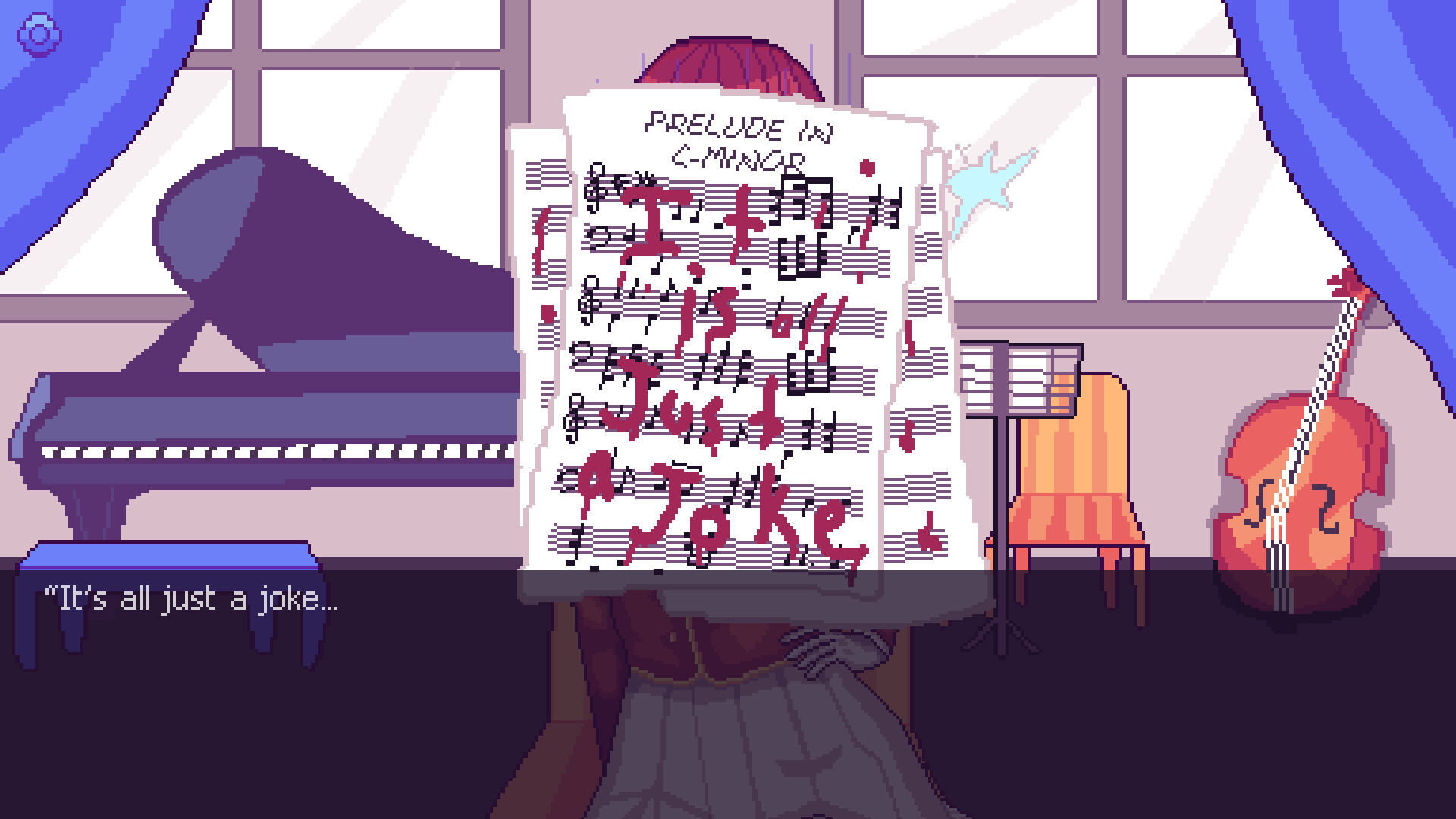
The tone blends teenage anxiety with a darker undercurrent, emphasizing isolation and the need to navigate social traps while seeking truth. The story unfolds through dialogue and internal monologue rather than action sequences.
- Notice how each dialogue choice subtly shifts the protagonist’s perception of the school’s atmosphere.
- Track recurring themes of distrust; they often hint at deeper plot layers.
02 / THE GUIDE
Character Roster
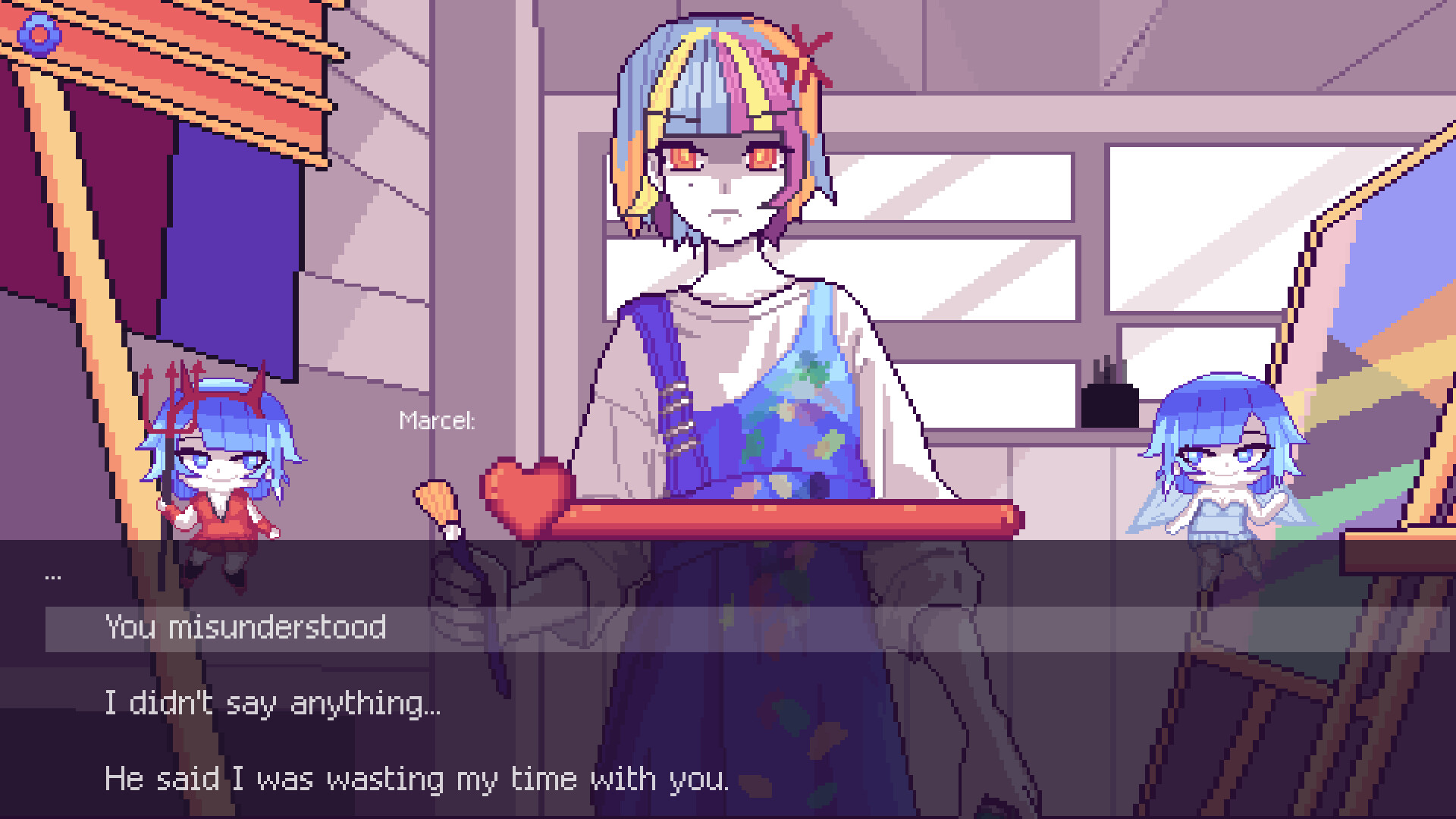
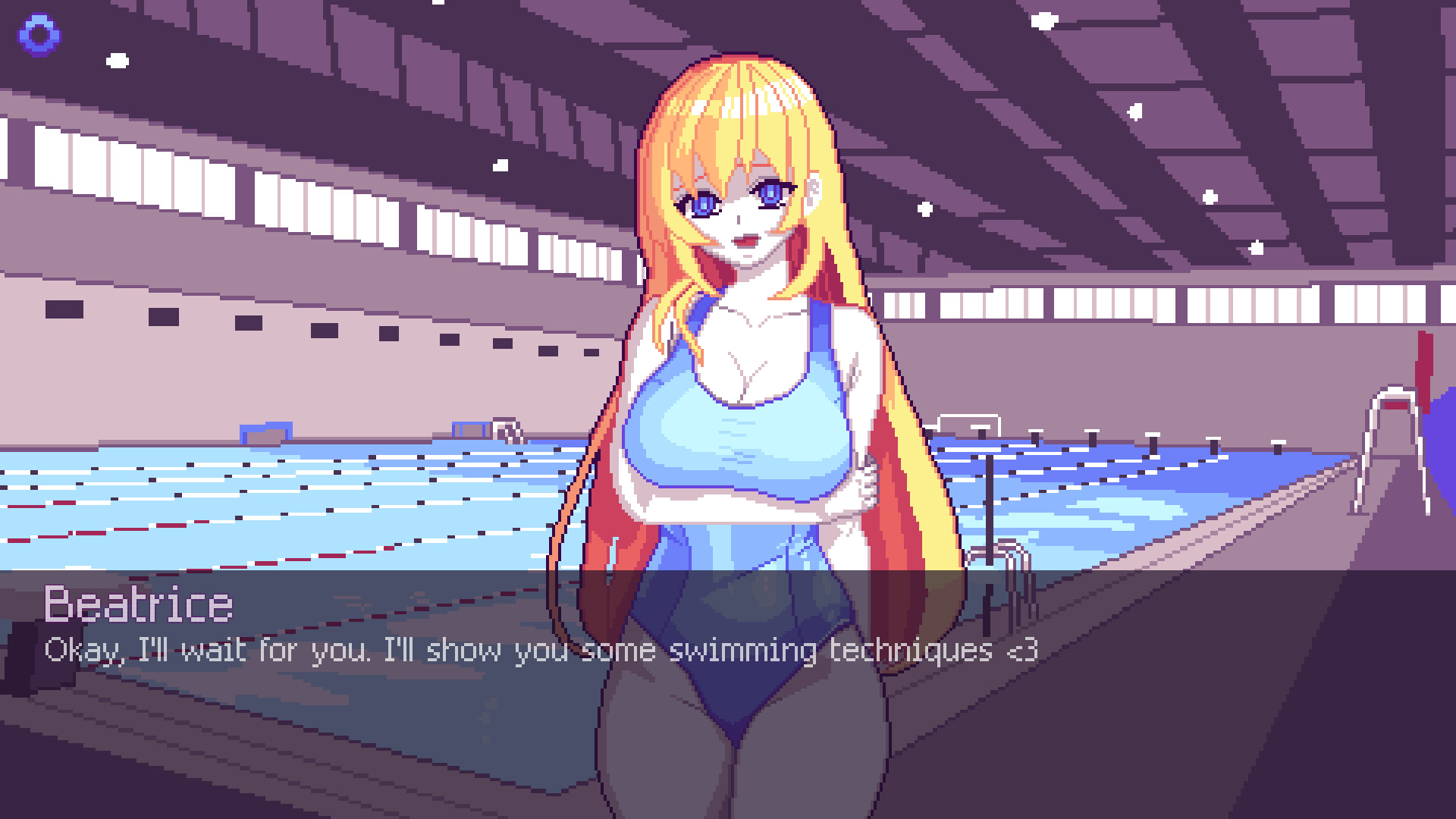
Key figures include Beatrice, described as a stunning presence; Hitomi, a quiet, nerdy girl with her own charm; Marcel, a puzzling individual who sparks intense feelings; and Veronica, an artist whose dedication surpasses the others. Each character is portrayed as “insane” in their own way.
These characters serve as focal points for the protagonist’s interactions, offering varying perspectives on the school’s mysteries. Their distinct personalities shape the narrative’s emotional texture without implying specific gameplay abilities.
- Compare how each character’s description influences your expectations of their role in the story.
- Consider the contrast between Veronica’s artistic dedication and the others’ more chaotic traits.
03 / THE GUIDE
Gameplay Style
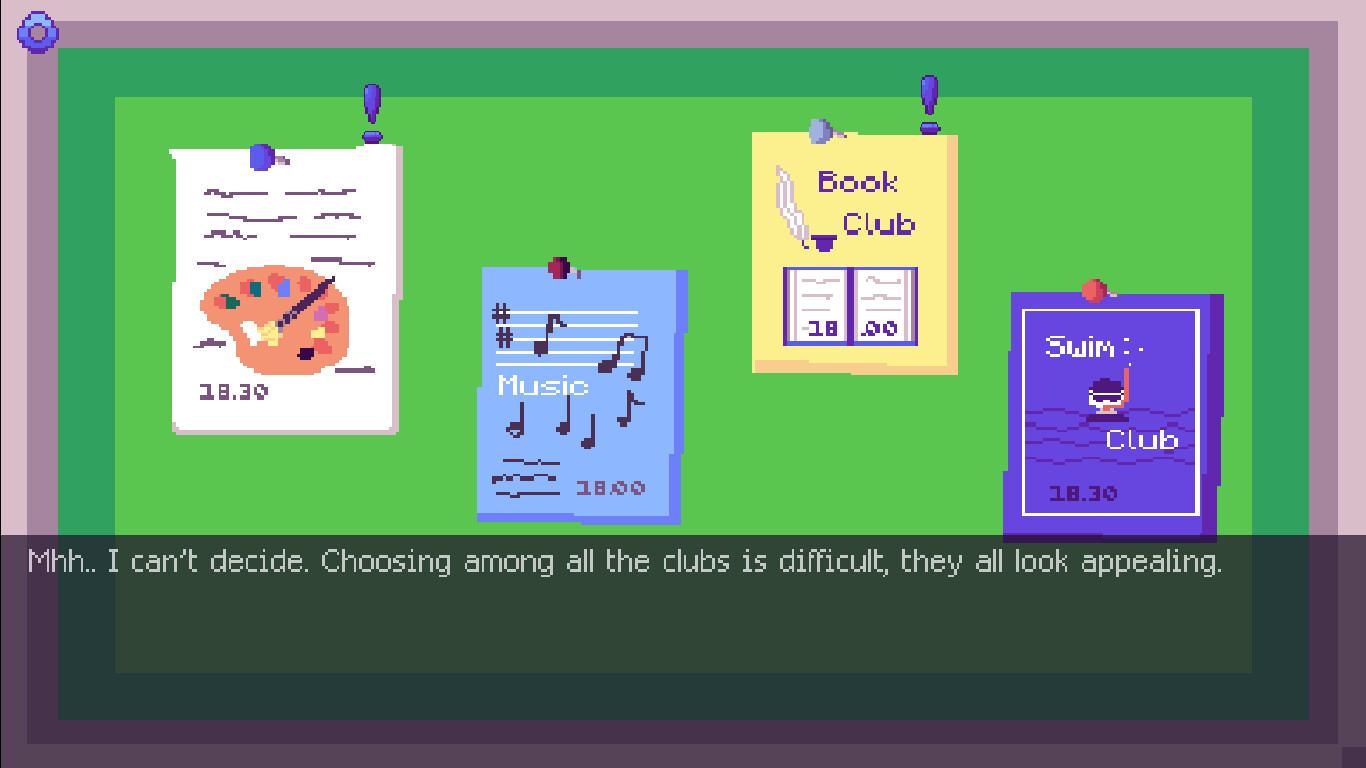
Departed Away is classified as a casual RPG, meaning the experience leans toward narrative exploration and light role‑playing elements rather than intense combat or resource management. Players progress by engaging with dialogue and making story‑driven decisions.
The casual label suggests a low barrier to entry, allowing players to focus on the unfolding plot and character dynamics. The indie nature often implies a smaller scope with an emphasis on artistic storytelling.
- Treat each conversation as an opportunity to uncover hidden details about the school’s secrets.
- Since the game is casual, pacing yourself and savoring the story can enhance immersion.
04 / THE GUIDE
Platform Support
The title is released for Windows operating systems, with no indication of macOS or Linux compatibility. This limits official play to PCs running Windows, aligning with the developer’s distribution choices.
No additional input methods are specified beyond the standard PC setup, so players should expect the typical controls used for Windows games.
- Verify your Windows version meets the minimum requirements before installing.
- Keep your graphics drivers updated to avoid potential visual glitches.
05 / THE GUIDE
Family Sharing
The game supports Family Sharing, allowing multiple user accounts on a single device to access the same purchase. This feature does not affect the single‑player nature of the experience.
Family Sharing enables friends or relatives to try the game without buying a separate copy.
- Set up separate user profiles to keep each playthrough’s progress distinct.
- Check the sharing settings before launching to ensure the correct account is active.
COMMUNITY
Player discussion