 GameWiki
GET YOUR BEARINGS
About Dead Static Drive
Dead Static Drive is a survival‑horror road‑trip set in a twisted 1980s Americana. You play as Hearst, a traveler searching for missing parents while reality unravels. The game blends action, adventure and indie sensibilities, demanding you scavenge, fight, and sneak through small towns and eerie highways. Trust becomes a crucial resource, as you must rely on others to survive, evade police, and confront a paranoid antagonist whose delusions endanger everyone.
01 / THE GUIDE
Narrative Premise
The story follows Hearst, a wayward traveler drawn by a strange, unaddressed letter to a nightmarish version of 1980s America. Their goal is to locate missing parents and uncover why the world is collapsing under an ancient, wrong presence. The setting emphasizes unfamiliar streets, faces, and dark visions that emerge after dusk. The narrative drives the urgency to keep moving and discover the truth.
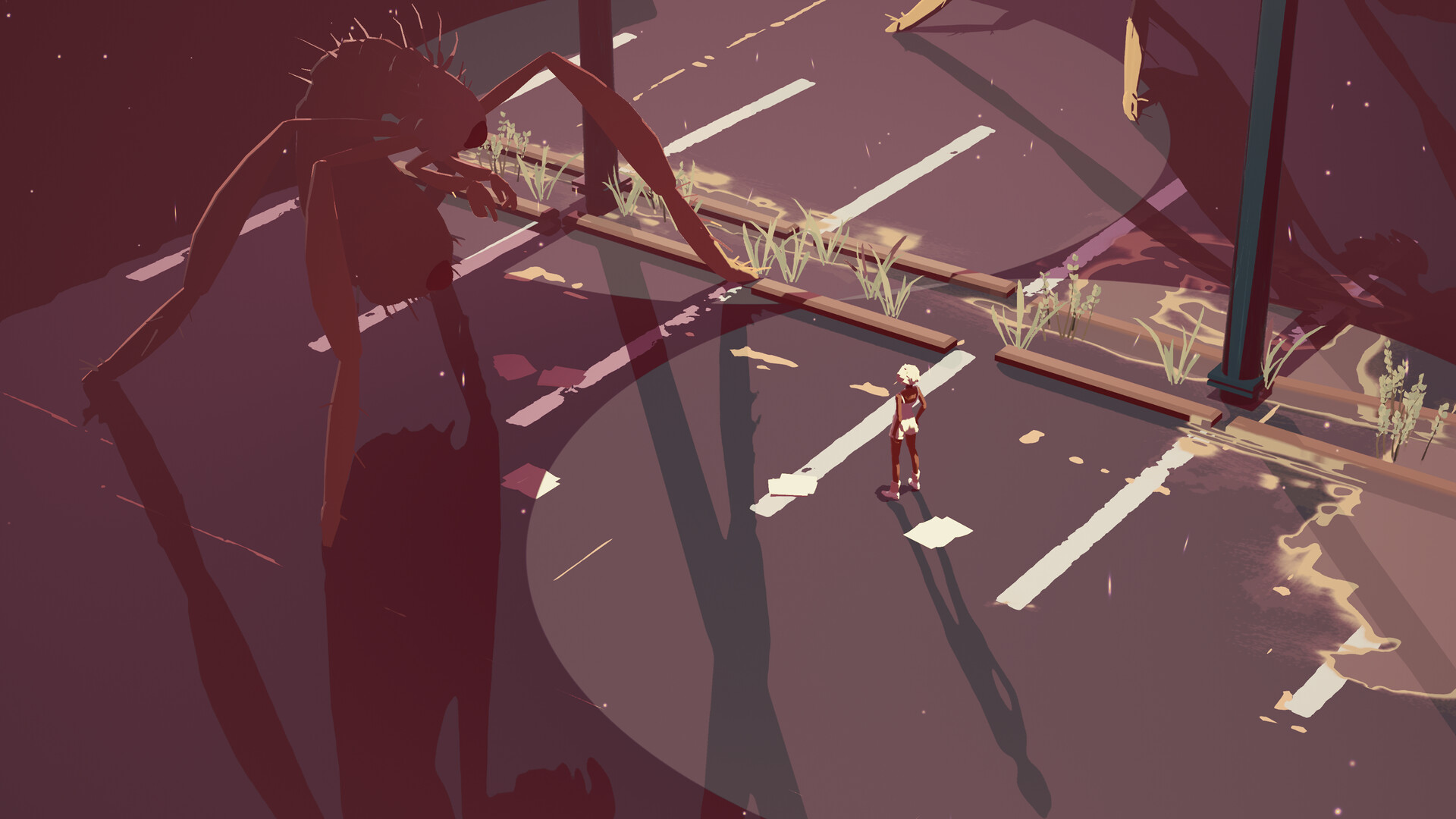
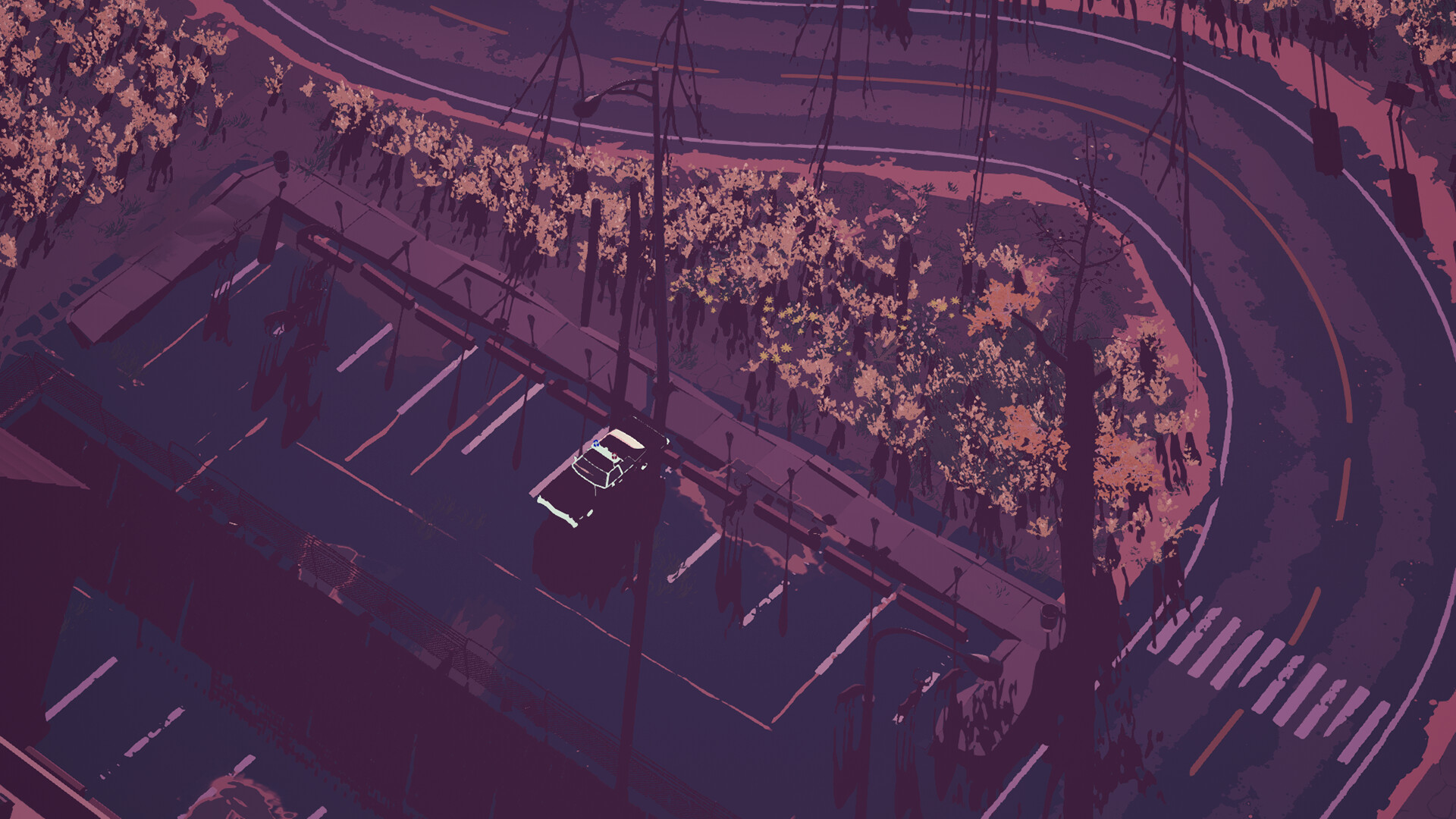
The world is described as a nightmare version of 1980s Americana, where reality unravels and something ancient stirs beneath the pavement. This backdrop creates a tense atmosphere that blends survival horror with road‑trip exploration, urging players to confront both external threats and personal mysteries.
- Observe environmental details; they often hint at the larger mystery.
- Compare the tone of the opening letter with later discoveries for thematic clues.
02 / THE GUIDE
Exploration & Scavenging
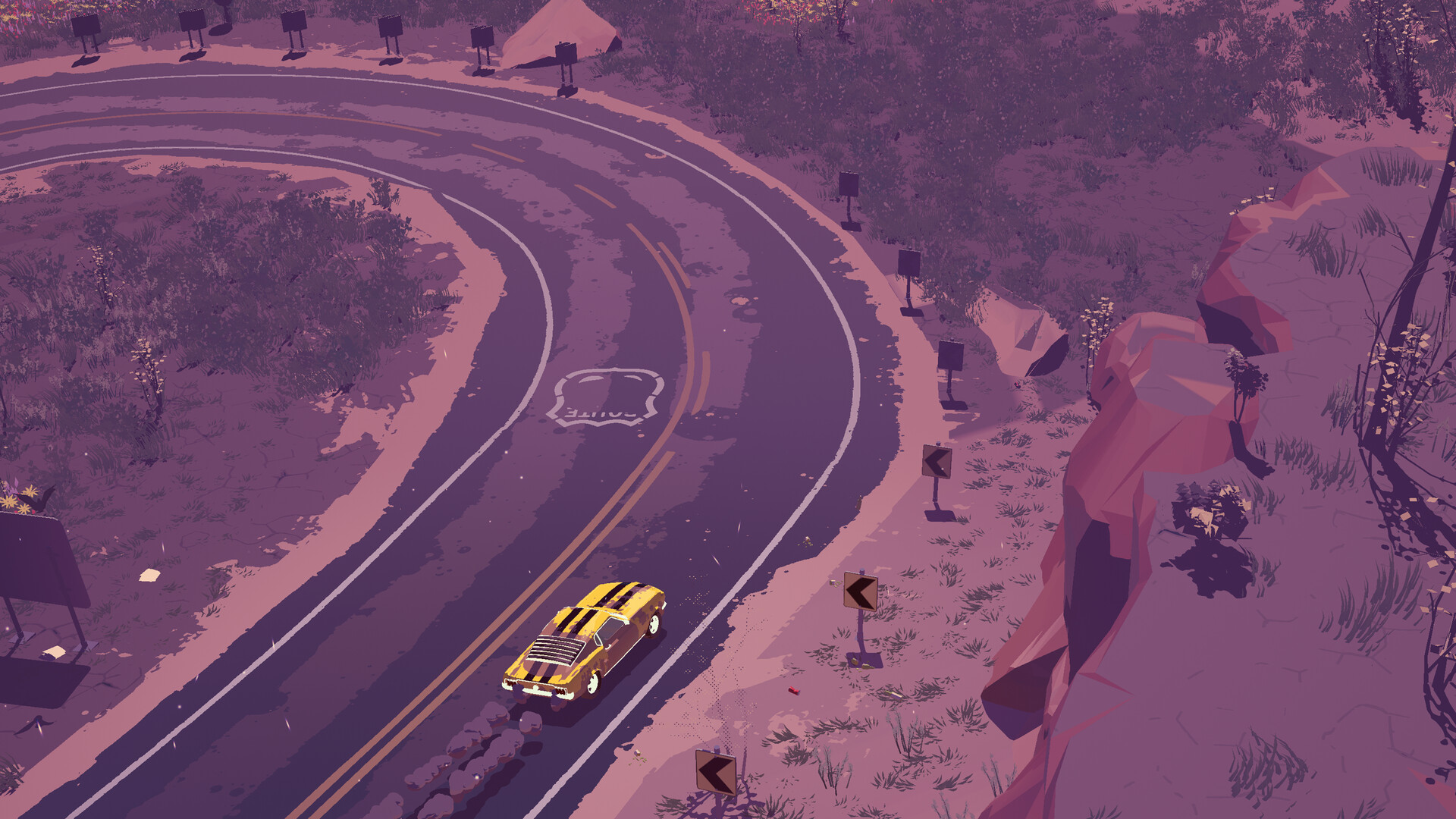
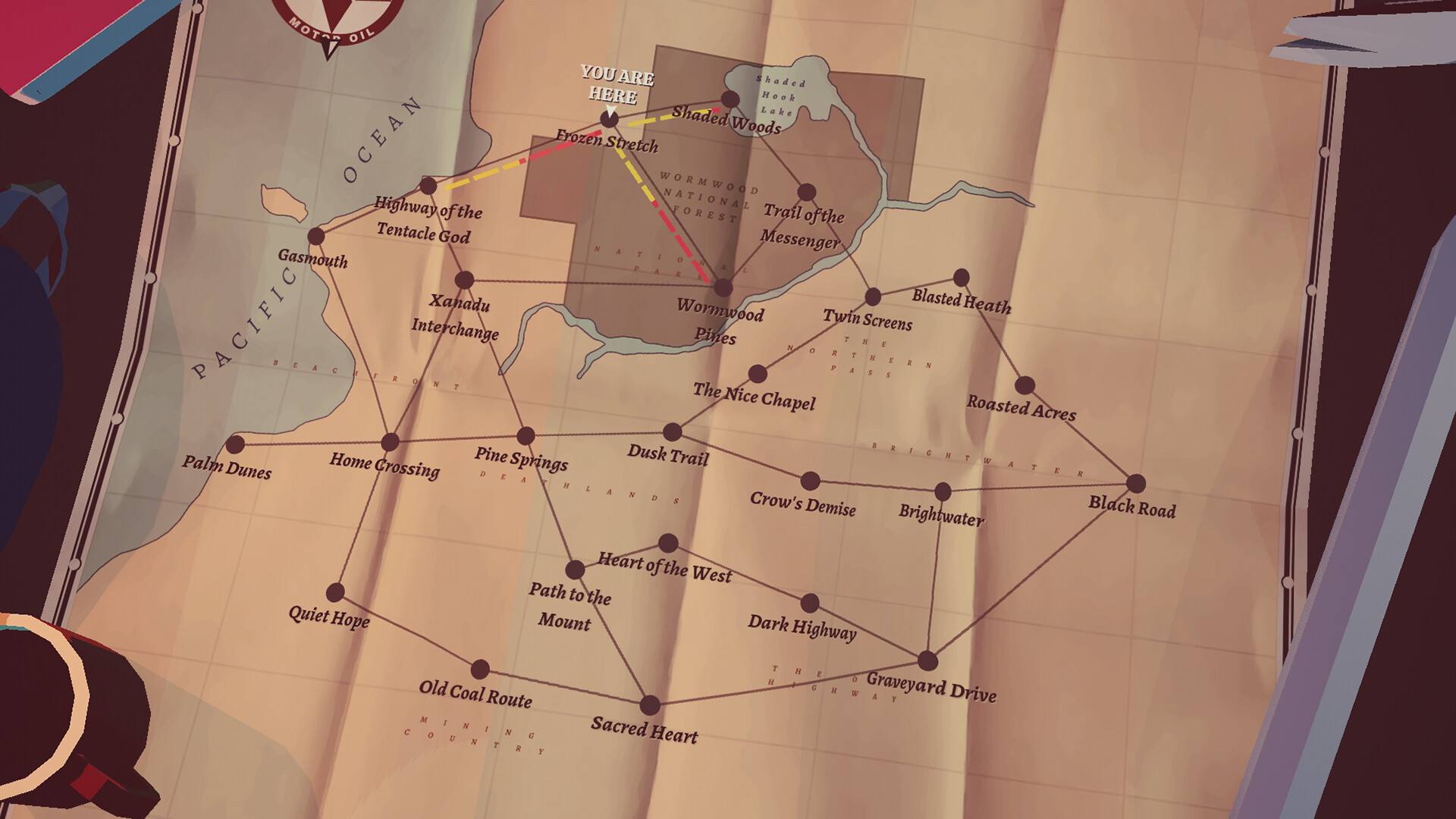
Players must scavenge across small towns and eerie highways, gathering items needed to progress. The game encourages moving continuously; staying still reduces chances to find crucial resources and answers. Exploration is framed as a means to survive the collapsing world and to piece together the story of Hear’s parents.
Scavenging is tied to the survival‑horror tone, with each location offering potential threats and hidden supplies. The design pushes players to balance risk and reward while navigating unfamiliar terrain.
- Prioritize checking each new area for supplies before advancing.
- Note patterns in item placement to anticipate future needs.
03 / THE GUIDE
Trust as a Resource
Trust is highlighted as the most valuable resource, implying that interactions with other characters affect survival. Relying on others becomes essential for evading police and confronting the paranoid antagonist. The game’s design suggests that building or maintaining trust influences outcomes.
The emphasis on trust encourages players to consider social dynamics, even in a single‑player context. Decisions that affect trust may alter the narrative path or the availability of assistance during critical moments.
- Observe NPC reactions; they can indicate trust levels.
- Compare outcomes of cooperative versus solitary actions.
04 / THE GUIDE
Police Evasion
Evading the police is presented as a core challenge, requiring players to stay ahead of law enforcement while navigating the hostile environment. This mechanic ties into the broader survival theme, where being caught could impede progress.
The need to avoid police adds tension to travel sequences, reinforcing the urgency to keep moving and manage resources wisely. It also intersects with trust, as allies may aid in evasion.
- Plan routes that minimize exposure to patrol zones.
- Compare the effectiveness of stealth versus speed in different areas.
05 / THE GUIDE
Partial Controller Support
The game includes Partial Controller Support, allowing players to use a gamepad for certain actions. This feature expands accessibility without specifying full control schemes, meaning some functions may still rely on other inputs.
Partial support suggests that some gameplay can be handled via controller, while other aspects might require alternative input methods. Players should test which actions respond to the controller.
- Experiment with controller buttons to discover supported actions.
- Compare comfort levels between controller and other input devices.

COMMUNITY
Player discussion