 GameWiki

GET YOUR BEARINGS
About Darkness Within 2: The Dark Lineage
Darkness Within 2: The Dark Lineage continues the Lovecraft‑inspired adventure of detective Howard Loreid, now confronting a personal past that intertwines with the creeping madness of Arkhamend and its surrounding locales. The Director’s Cut Edition adds a fresh environment, upgraded visuals, and deeper atmospheric effects to heighten the horror.
The sequel abandons point‑and‑click for a 3‑D first‑person experience powered by NVIDIA PhysX, letting players freely navigate, manipulate objects, and illuminate scenes with dynamic lighting. Three difficulty tiers and a built‑in hint system let players tailor the challenge while solving puzzles that blend classic adventure logic with dream‑decoding and document analysis.
01 / THE GUIDE
Story and Locations
The game follows Howard Loreid as he uncovers a link between his own dark history and the supernatural events haunting Arkhamend, a Victorian mansion, snow‑clad woods, and underground tunnels. The narrative draws on Lovecraftian themes, presenting a bleak town where forgotten memories linger.
These settings are presented in a new location exclusive to the Director’s Cut, expanding the world beyond the first installment and reinforcing the series’ focus on unsettling environments.
- Compare the tone of Arkhamend with the mansion to notice how each locale reinforces the story’s dread.
- Take notes on recurring symbols; they often hint at deeper plot connections.
02 / THE GUIDE
3‑D Movement and PhysX Interaction
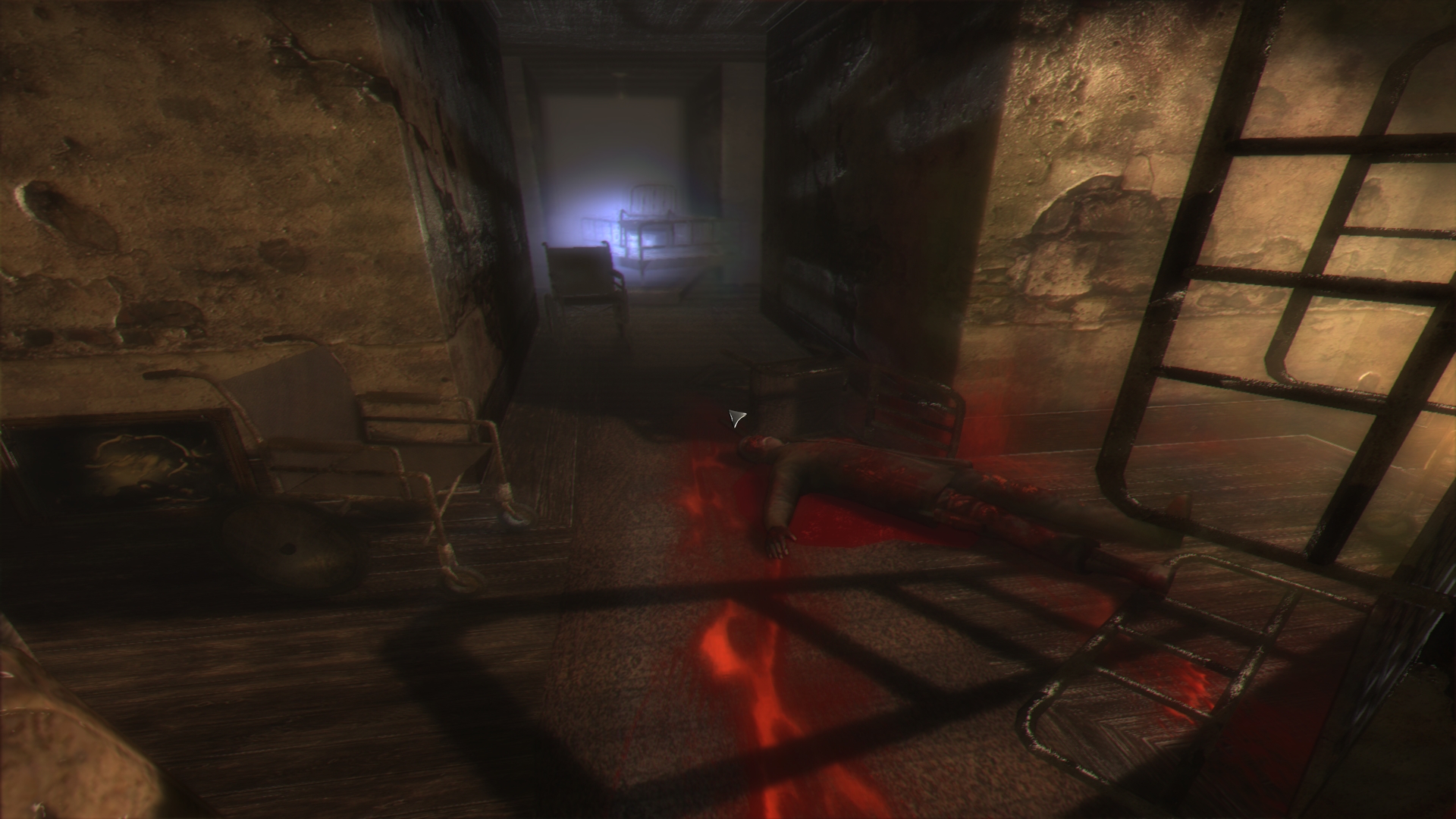
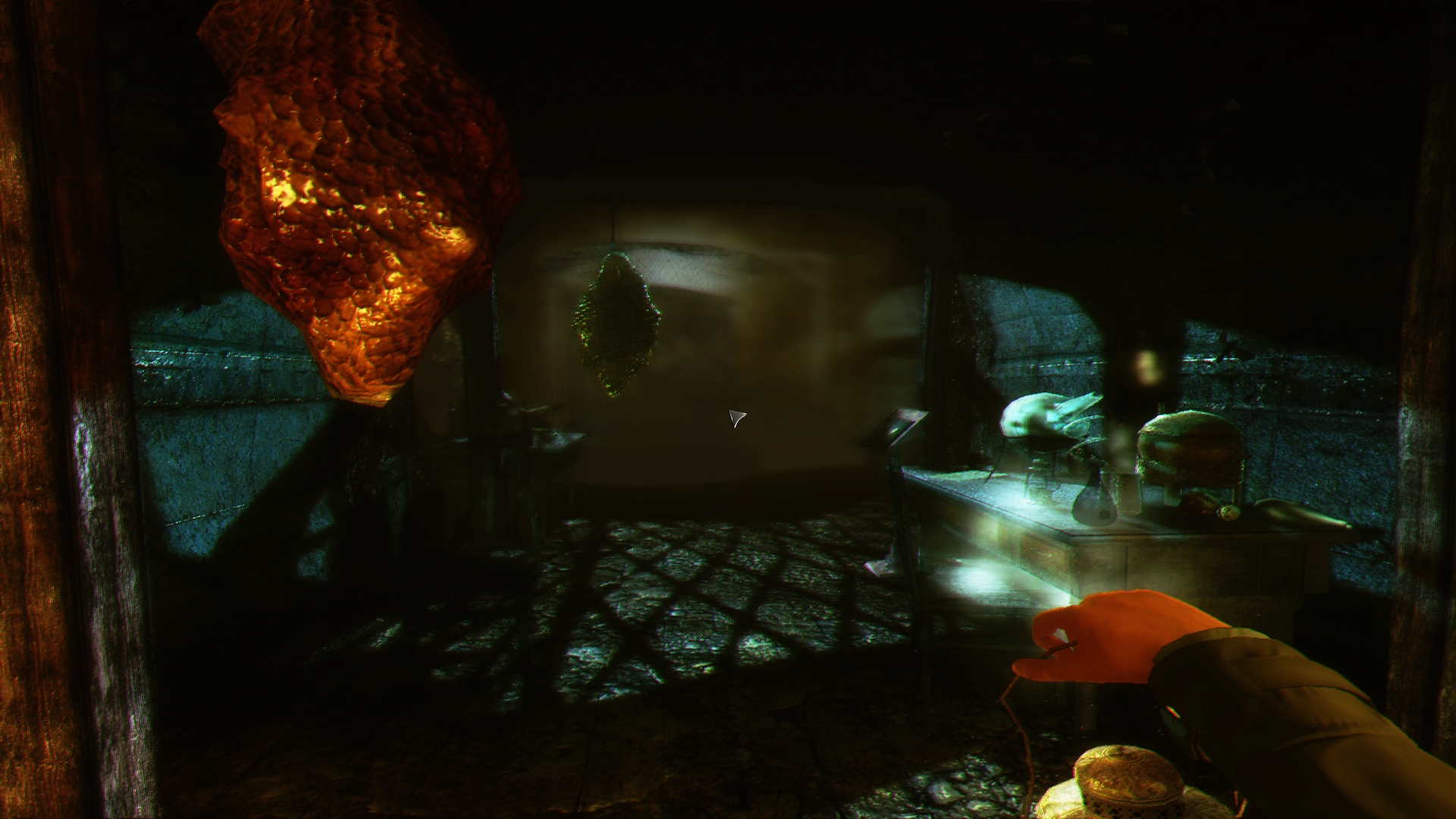
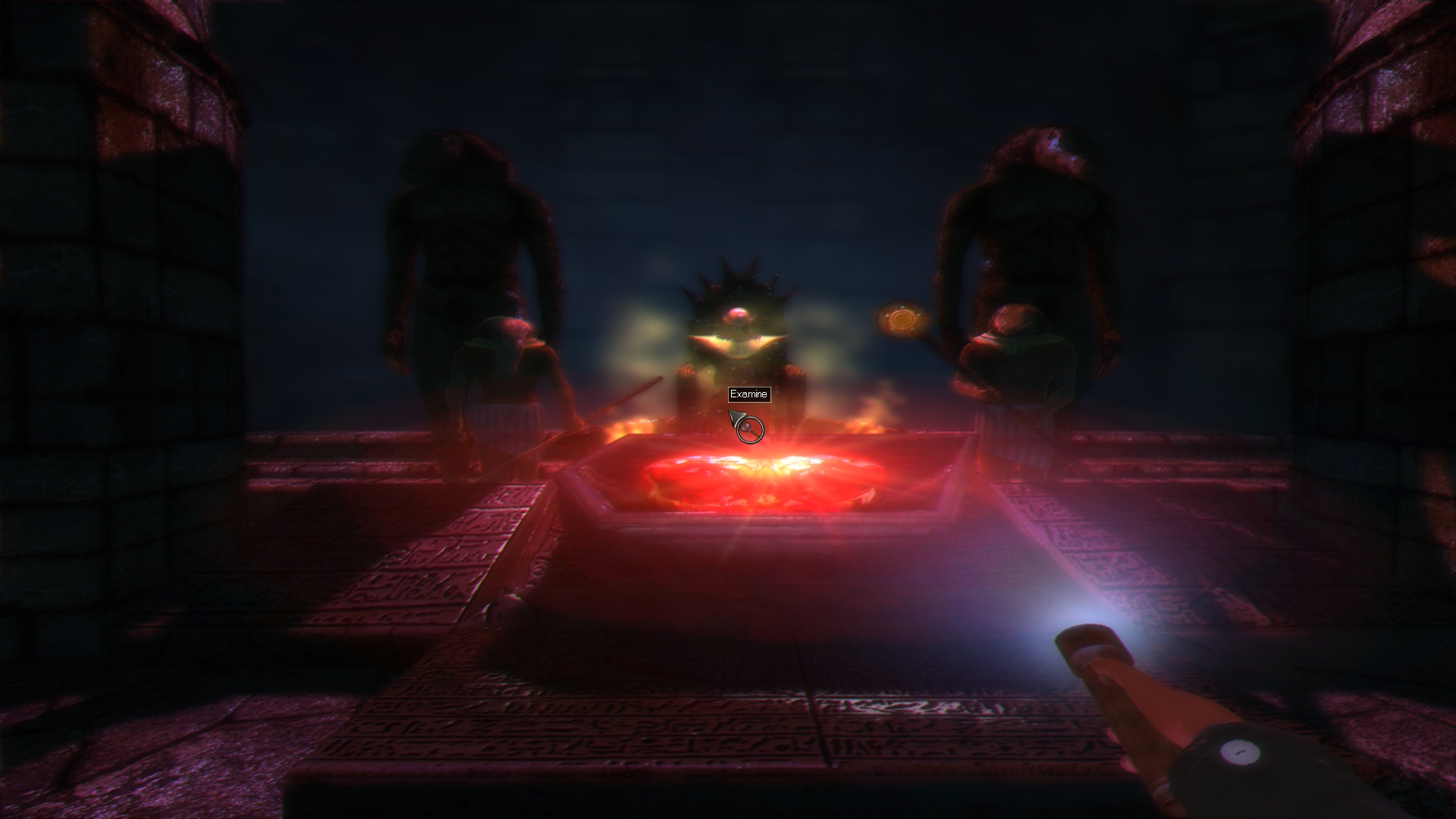
Unlike Part 1, the sequel uses a 3‑D first‑person perspective powered by NVIDIA PhysX, allowing free movement through environments. Players can lift, push, pull, or throw objects, with light sources casting real‑time soft shadows that react to the surroundings.
This physics‑driven interaction replaces the previous point‑and‑click scheme, giving a tactile sense of space and encouraging experimentation with environmental objects to progress.
- Experiment with different objects; some may reveal hidden pathways when moved.
- Observe how shadows shift when you reposition a light source—they can expose clues.
03 / THE GUIDE
Difficulty Levels and Hint System
The game includes a built‑in hint system and three selectable difficulty modes: Standard, Detective, and Senior Detective. Players can choose the mode that suits their preferred challenge level.
The source does not detail how each mode differs, so pick the one that feels right for your preferred level of challenge.
- Start on Standard to gauge puzzle style before moving to Detective for a tougher test.
- Use the hint system sparingly on higher difficulties to preserve the investigative feel.
04 / THE GUIDE
Graphics and Sound Design
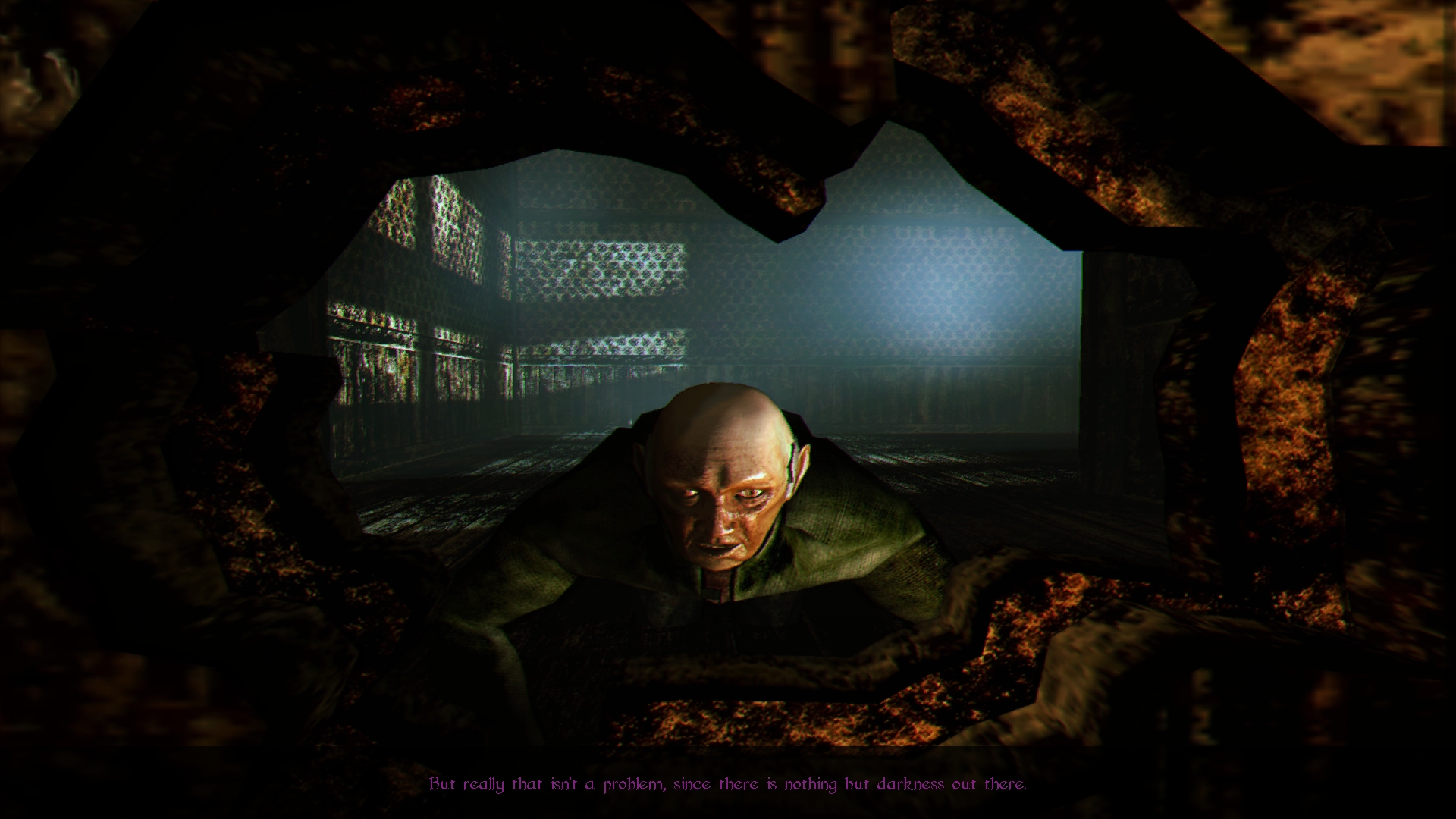
The Director’s Cut refreshes most environments with chromatic aberration and color‑gradation post‑effects, delivering a more cinematic look. Enhanced lighting, shading, and special effects combine with chilling cut‑scenes and haunting music to deepen immersion.
These visual upgrades are paired with a soundtrack that underscores the Lovecraftian atmosphere, making each scene feel both eerie and visually striking.
- Adjust your monitor’s brightness to better see soft‑shadow details in dark areas.
- Listen for subtle audio cues; they often precede important narrative moments.
05 / THE GUIDE
Dynamic Puzzle Design
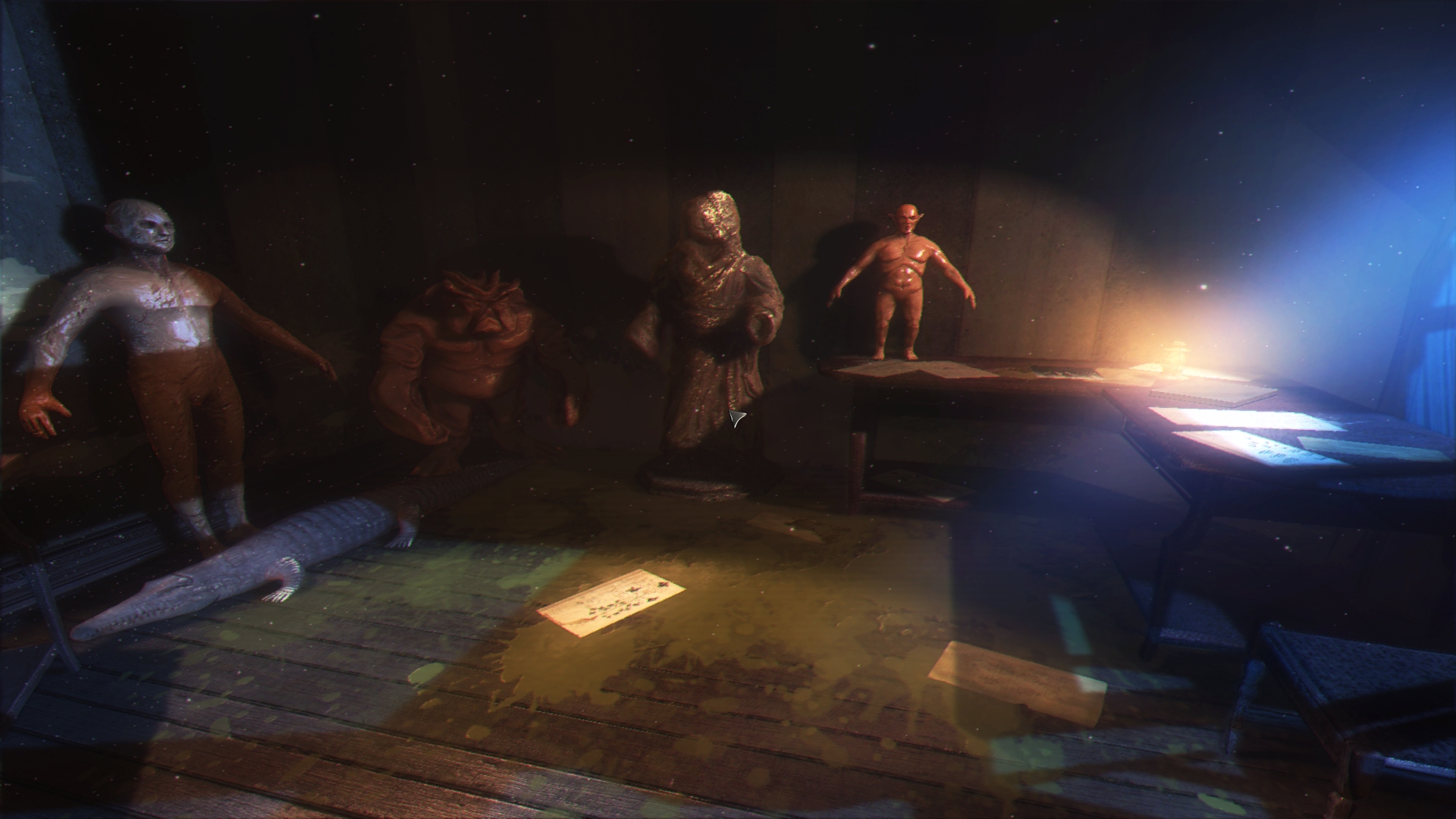
Traditional adventure puzzles are blended with dream deciphering, underlining excerpts in documents, and physical interaction with the environment. Players must analyze written clues, manipulate objects, and interpret surreal dream sequences to unlock progress.
These varied puzzle types keep gameplay fresh, requiring both logical reasoning and careful observation of visual and textual details.
- Underline every unusual phrase in documents; hidden meanings often surface later.
- Record dream imagery; patterns may correspond to environmental puzzles.
COMMUNITY
Player discussion