 GameWiki

GET YOUR BEARINGS
About Cube Escape: Paradox
Cube Escape: Paradox places detective Dale Vandermeer in a stark room with no memory, launching a mysterious game run by an old adversary. The narrative pushes Dale to recover his past while solving a series of puzzles that grow in difficulty.
The title mixes a short‑film crossover with the classic Cube Escape puzzle style. Two chapters—one free, one premium—offer multiple endings, hand‑drawn artwork, an atmospheric soundtrack, and professional voice‑overs for a single‑player experience on Windows and macOS.
01 / THE GUIDE
Story Premise
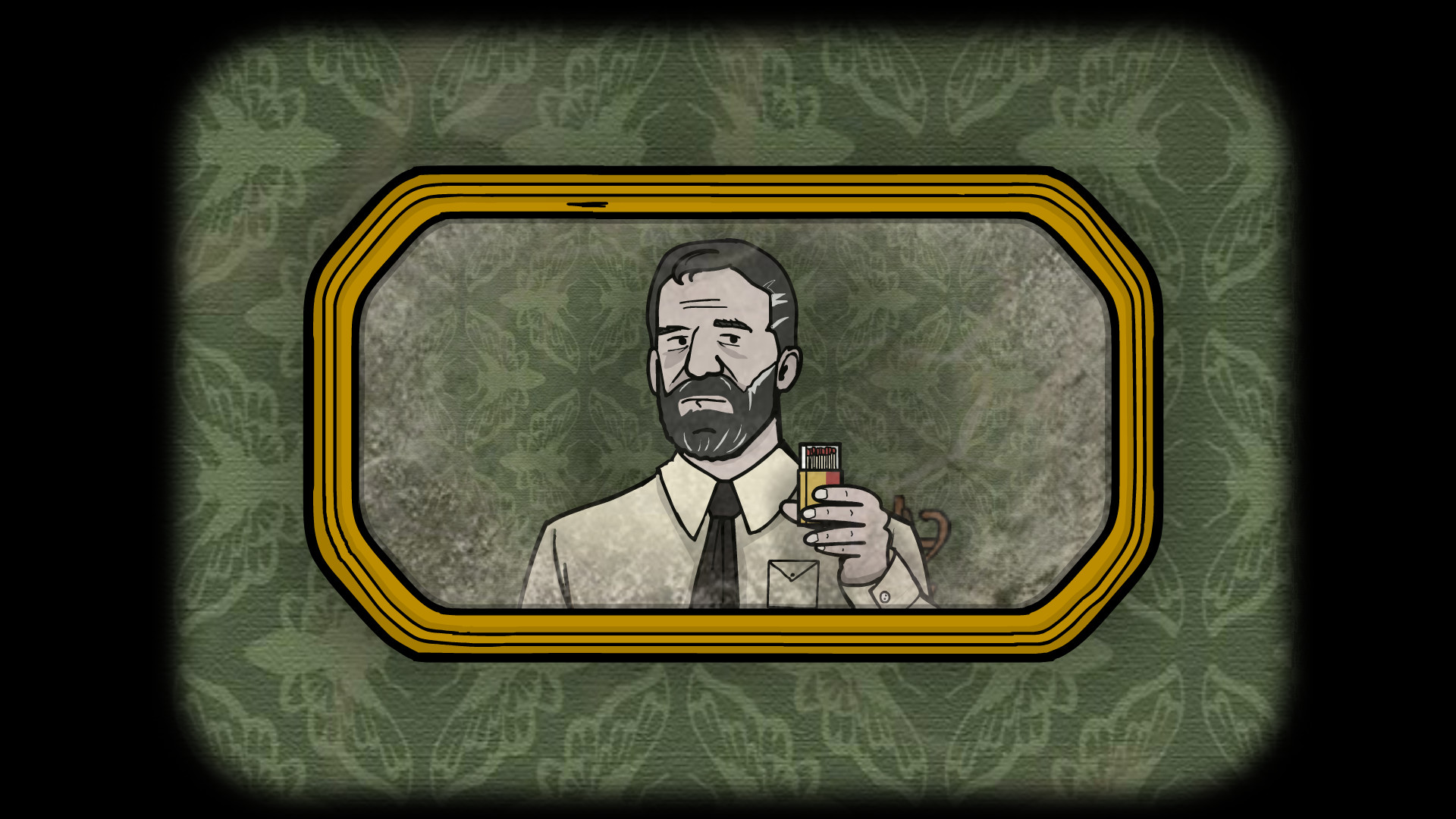
Detective Dale Vandermeer awakens in an ominous room with no recollection of his past, establishing the central mystery. The description frames his situation as part of a bizarre game orchestrated by an old foe, setting a tone of intrigue.
The game’s narrative is linked to the Rusty Lake short film Paradox, creating a crossover that expands the story world. This connection is highlighted as a “ton of connections and interactions” with the film, suggesting shared characters or plot elements.
- Note recurring symbols that appear both in the game and the short film for possible narrative links.
- Track dialogue cues that reference past events; they may hint at memory fragments.
02 / THE GUIDE
Puzzle Design
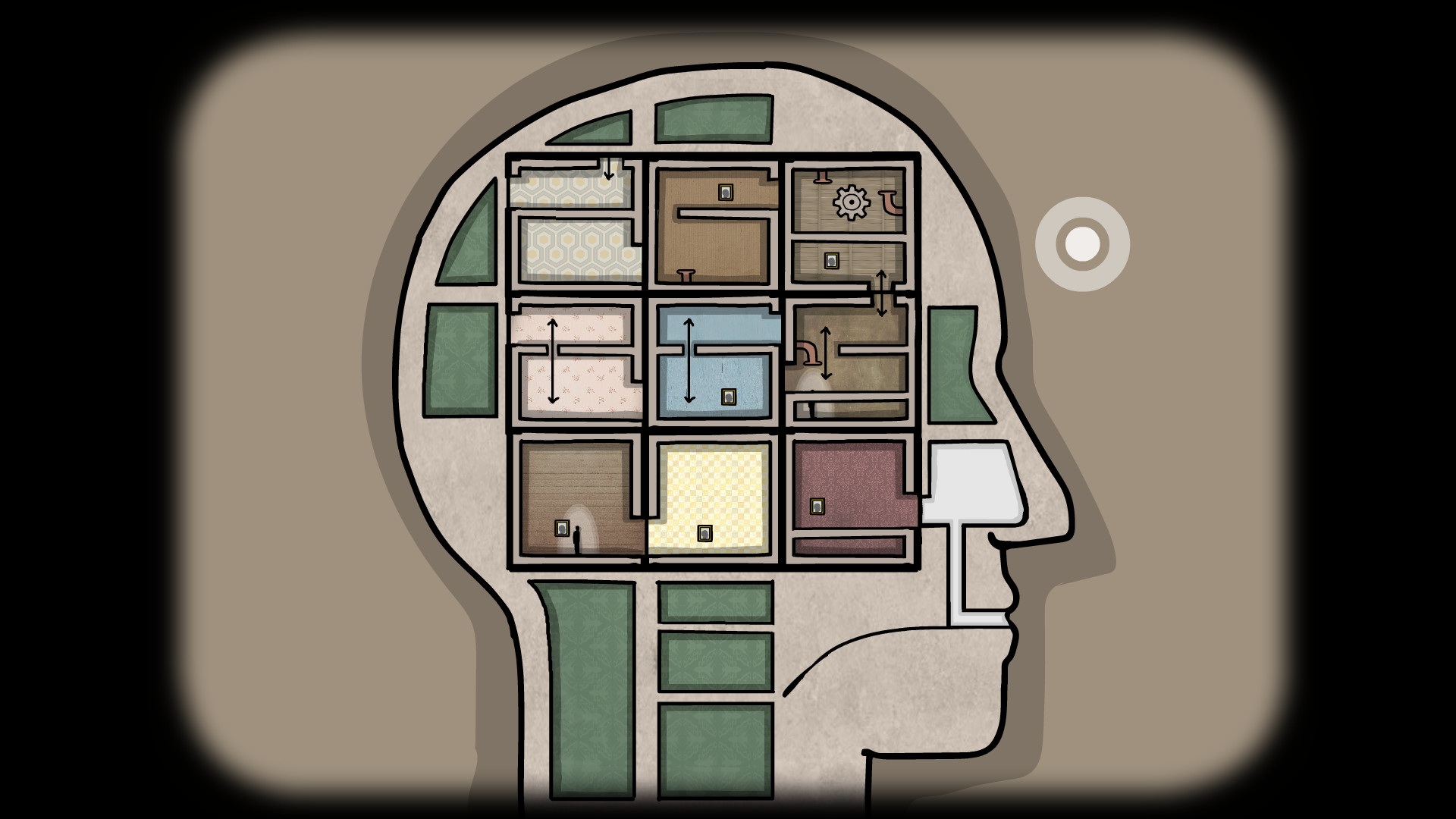
The description promises “a wealth of puzzles fans would expect from the tenth Cube Escape game,” indicating a variety of logic and inventory challenges. Puzzle difficulty is said to increase as the story progresses, requiring careful observation.
Solutions unlock new rooms or story fragments, leading toward multiple possible endings. The presence of “multiple endings” implies that puzzle outcomes can affect narrative direction.
- Keep a simple inventory list to avoid overlooking items that may become useful later.
- When a puzzle stalls, revisit earlier rooms; earlier clues often become relevant later.
03 / THE GUIDE
Audio‑Visual Presentation
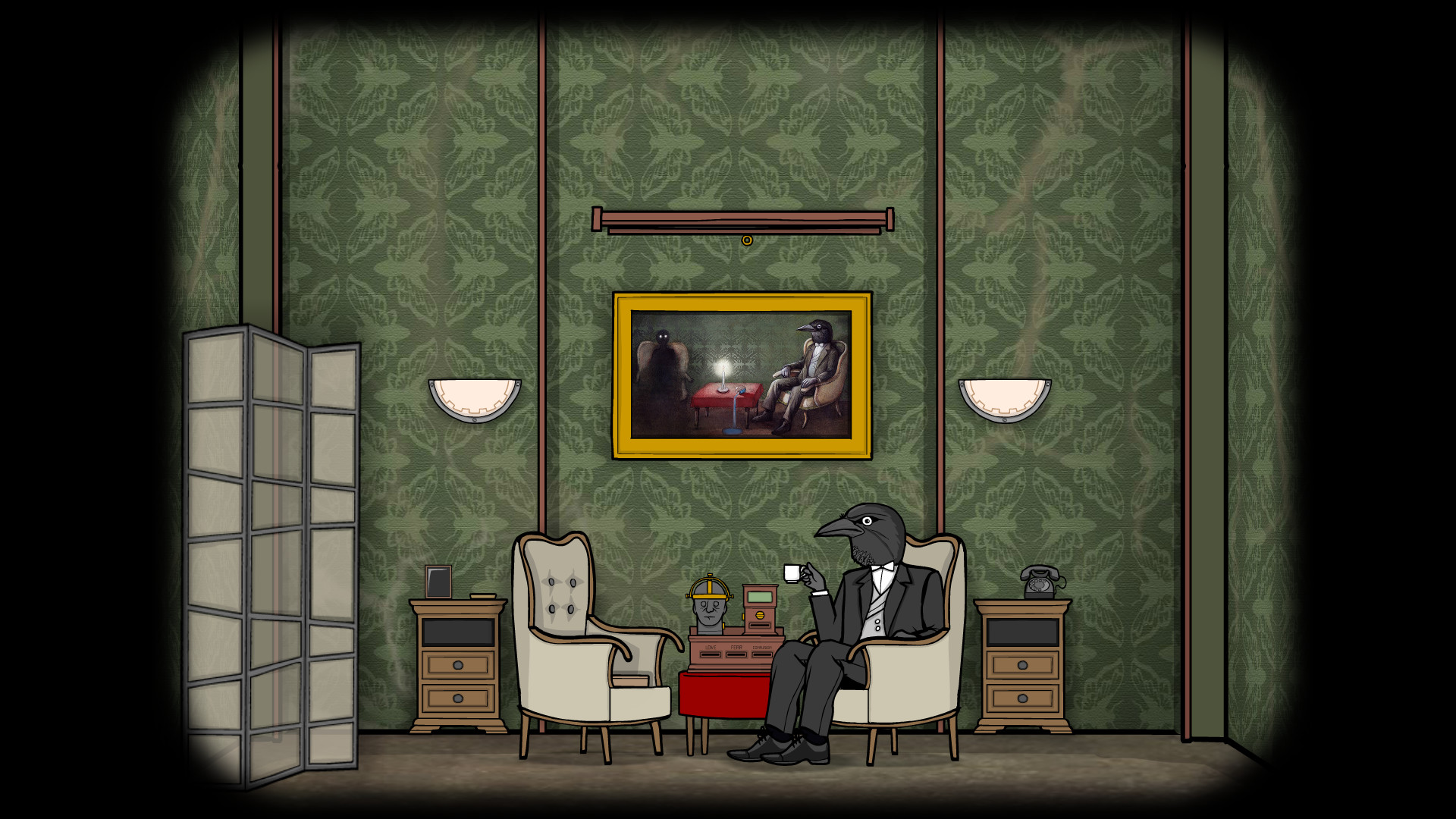
Handmade paintings by Johan Scherft provide a distinctive visual style, while Victor Butzelaar’s soundtrack is described as “immersive and atmospheric.” Both elements contribute to the game’s eerie mood without stating they contain explicit puzzle clues.
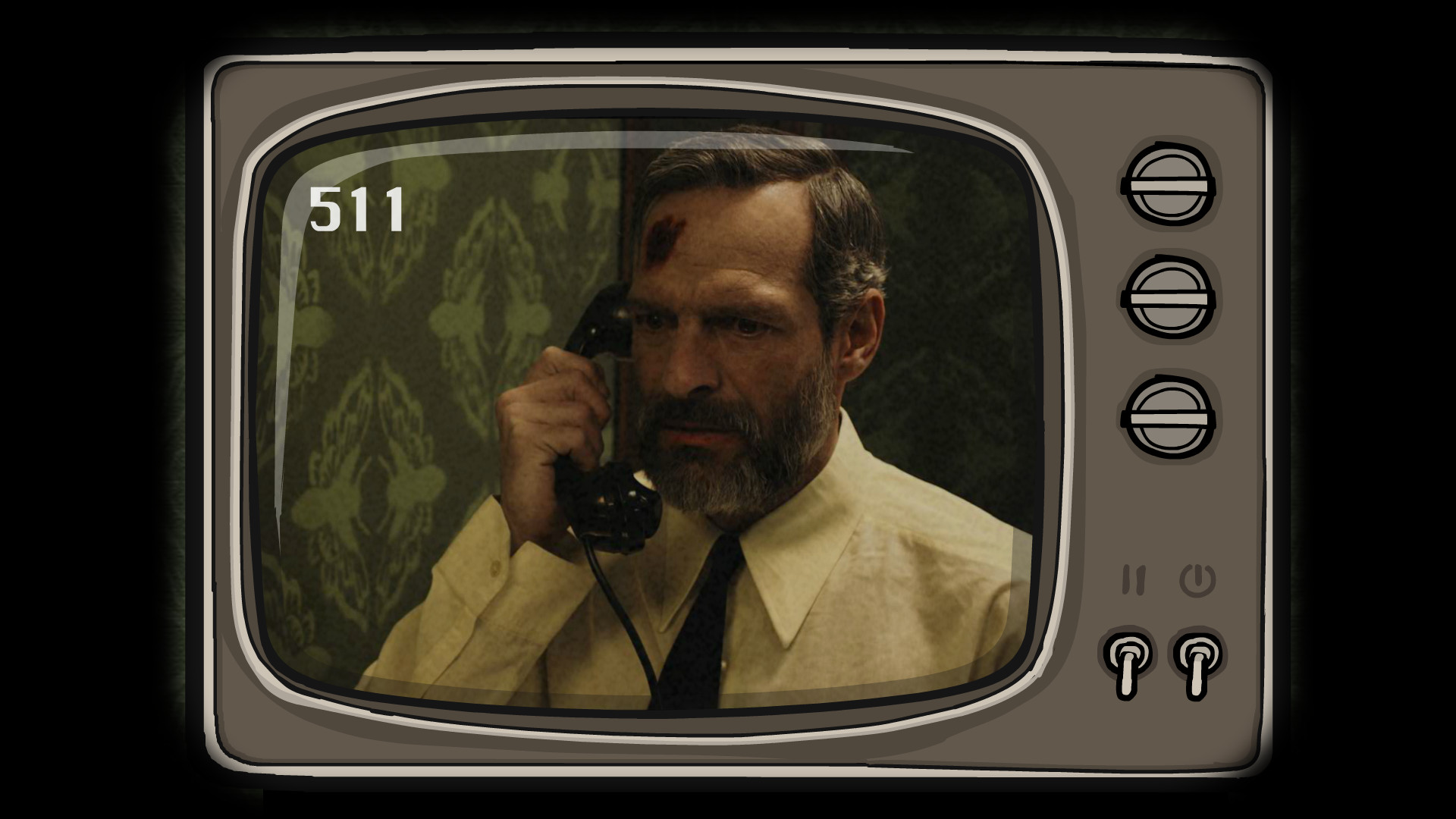
Voice‑overs feature Bob Rafferty and lead actor David Bowles, adding narrative depth. The combination of art, music, and voice work creates a cohesive aesthetic that supports the story’s tone.
- Observe how lighting changes between rooms; shifts often match the mood set by the soundtrack.
- Listen for changes in voice‑over delivery that may signal important plot moments.
04 / THE GUIDE
Chapter Structure
Two chapters are offered: one free and one premium. The game offers “multiple endings,” allowing players to experience different narrative outcomes based on their choices.
The premium chapter is the paid counterpart to the free one, offering additional content for players who continue after the initial chapter.
- Finish the free chapter first to understand core mechanics before exploring premium content.
- Record key decision points; revisiting them can clarify how endings diverge.
05 / THE GUIDE
Language Support
Cube Escape: Paradox supports fourteen languages, broadening accessibility for players worldwide. This broadens accessibility and ensures narrative nuances are retained across languages.
With fourteen supported languages, players can play in the language they are most comfortable with.
- Choose a language you read fluently to reduce the chance of missing subtle wording in puzzles.
- If a translation feels unclear, switch to another supported language to compare phrasing.
COMMUNITY
Player discussion