 GameWiki

GET YOUR BEARINGS
About Clair Obscur: Expedition 33
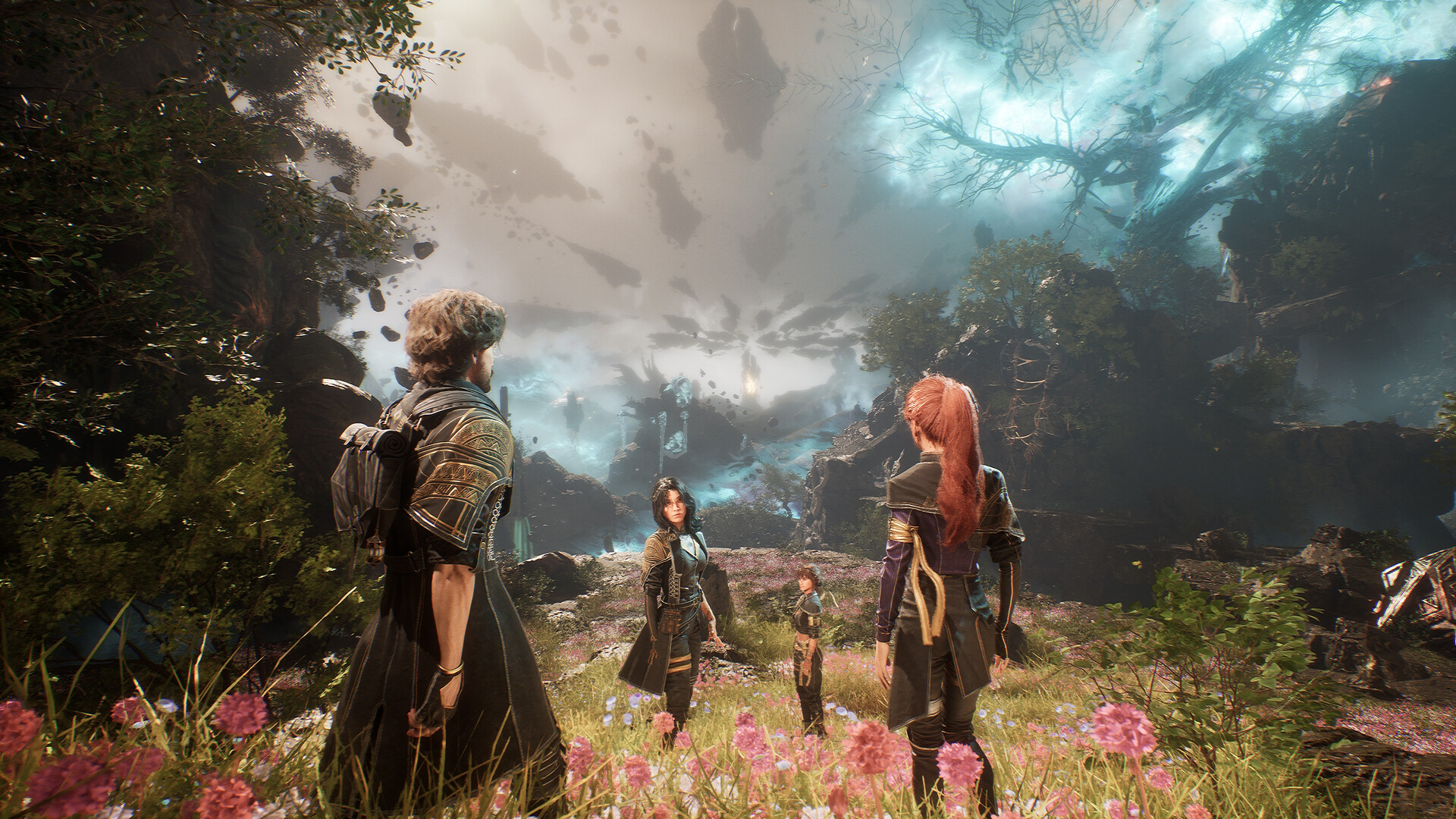
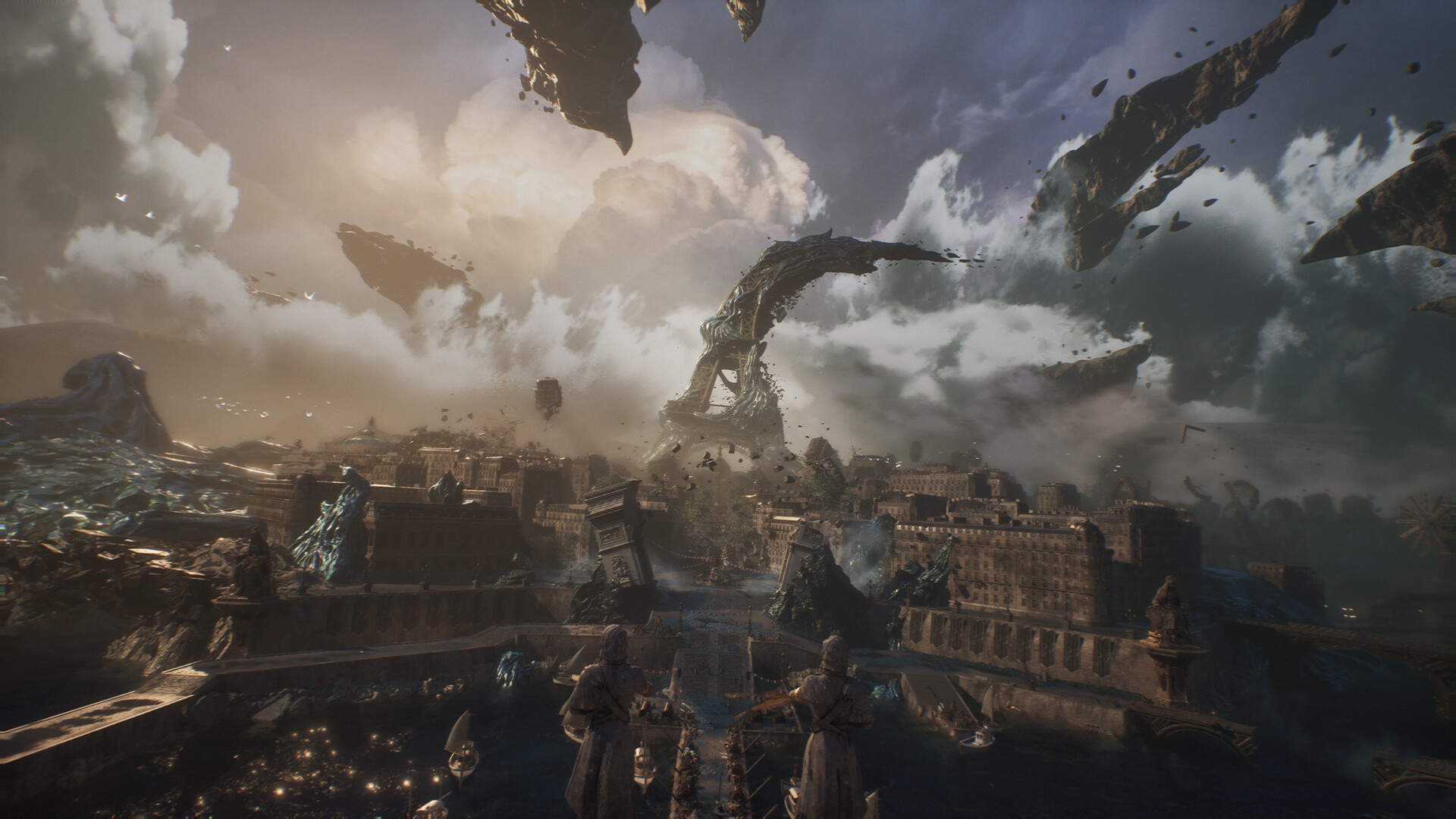
Clair Obscur: Expedition 33 combines a turn-based party RPG with real-time dodges, parries, timed attacks, and free aiming. The expedition travels through a world inspired by Belle Epoque France while pursuing the Paintress. This page focuses on understanding combat and building a workable party without disclosing the story's later revelations.
Success comes from two complementary skills: choosing an effective action on your turn and recognizing what the enemy is about to do on theirs. Equipment cannot completely replace defensive practice, and perfect timing is not the only route through the game. Use the available difficulty settings and defensive choices to find a pace at which you can learn.
01 / THE GUIDE
Dodging, parrying, and attack cues
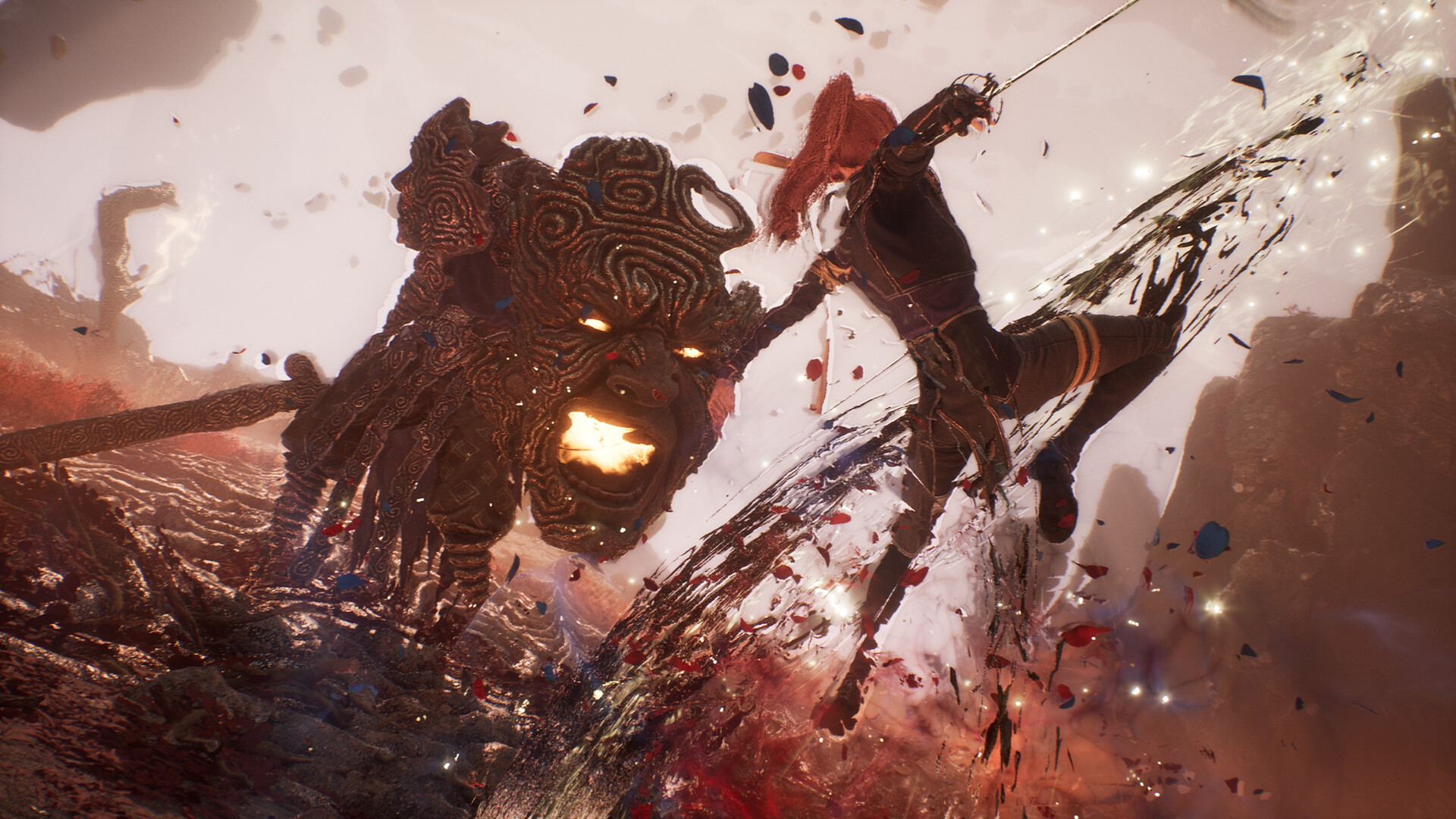
Learn an unfamiliar enemy with a defensive goal first. Watch its wind-up, the moment the attack commits, and the pause before another hit in the sequence. A fast first swing does not mean every following hit shares its timing. Repeat a short description of the pattern rather than trying to memorize the entire animation at once.
Use dodging when it gives you a more dependable answer; practice a parry on a pattern you already recognize. Pay attention to encounter-specific prompts for other defensive actions. A party that survives an extra turn gets another opportunity to restore resources, apply a useful effect, or finish the fight.
- Learn one enemy sequence at a time.
- Listen to audio cues as well as watching the animation.
- Keep a reliable defensive option while practicing a harder one.
02 / THE GUIDE
Action points and free aim
Plan expensive skills around the resources the character actually has. Use lower-cost actions to keep the party productive while preparing an important turn, rather than spending everything at the first opportunity. Before committing a high-cost skill, ask whether the target will still be alive and whether a different character needs to act first.
Free aim lets you inspect and attack targets more precisely. Look for visible weak points and encounter objects, then compare the value of a shot with preserving action points for another action. Deliberate aiming is useful when it changes the fight; it should not become an automatic expense on every turn.
- Check the resource cost before selecting a full turn sequence.
- Inspect unusual enemy features with free aim.
- Leave a recovery plan for the turn after a burst attack.
03 / THE GUIDE
Build a party around complementary roles
Learn each Expeditioner's individual resource and stance rules before evaluating damage. Some characters need a setup turn or a particular sequence to make their strongest action reliable. Keep a clear job for each party member: establish an advantage, maintain resources, or exploit the opening created by the others.
Test the party against an ordinary encounter after changing equipment. If two characters need the same limited setup opportunity, adjust one of their roles rather than assuming more damage will solve the conflict. A consistent sequence is easier to improve than a build assembled from unrelated bonuses.
- Read a character's unique combat mechanic in the menu.
- Define the intended opening turn for each active party member.
- Carry a fallback action when the preferred setup is interrupted.
04 / THE GUIDE
Pictos, Lumina, and equipment checks
Pictos and Lumina support your build in different ways. Inspect the menu to separate an equipped Picto's displayed attributes from its associated passive effect and the Lumina needed to use learned effects. A familiar passive name is not enough to compare two complete equipment setups.
Start with a small set of passives that reinforce the actions you use every fight. Then add a situational effect and test whether it triggers when expected. Review available Lumina points after changing several items; a collection of individually appealing effects can still exceed the character's usable budget or pull the build in incompatible directions.
- Compare full equipment statistics after a swap.
- Choose passives that support the same combat sequence.
- Confirm an effect is active instead of assuming it from the inventory.
05 / THE GUIDE
Explore without losing the story thread
Separate the current story destination from optional exploration. Before leaving a region, note unfinished paths, unusually powerful enemies, and merchants you want to revisit. New travel possibilities can change the world map, so an inaccessible location may be a return objective rather than a puzzle you have overlooked.
Use side encounters to practice a defensive pattern or test a party change. If an optional fight overwhelms you, record the problem and resume the expedition. This keeps exploration useful without turning every discovery into a mandatory obstacle. Check the official update feed when a menu or feature differs from older footage.
- Write down the active story destination before taking a detour.
- Mark optional opponents you plan to revisit.
- Use a familiar encounter to compare build changes.


COMMUNITY
Player discussion