 GameWiki

GET YOUR BEARINGS
About Cheater's Table
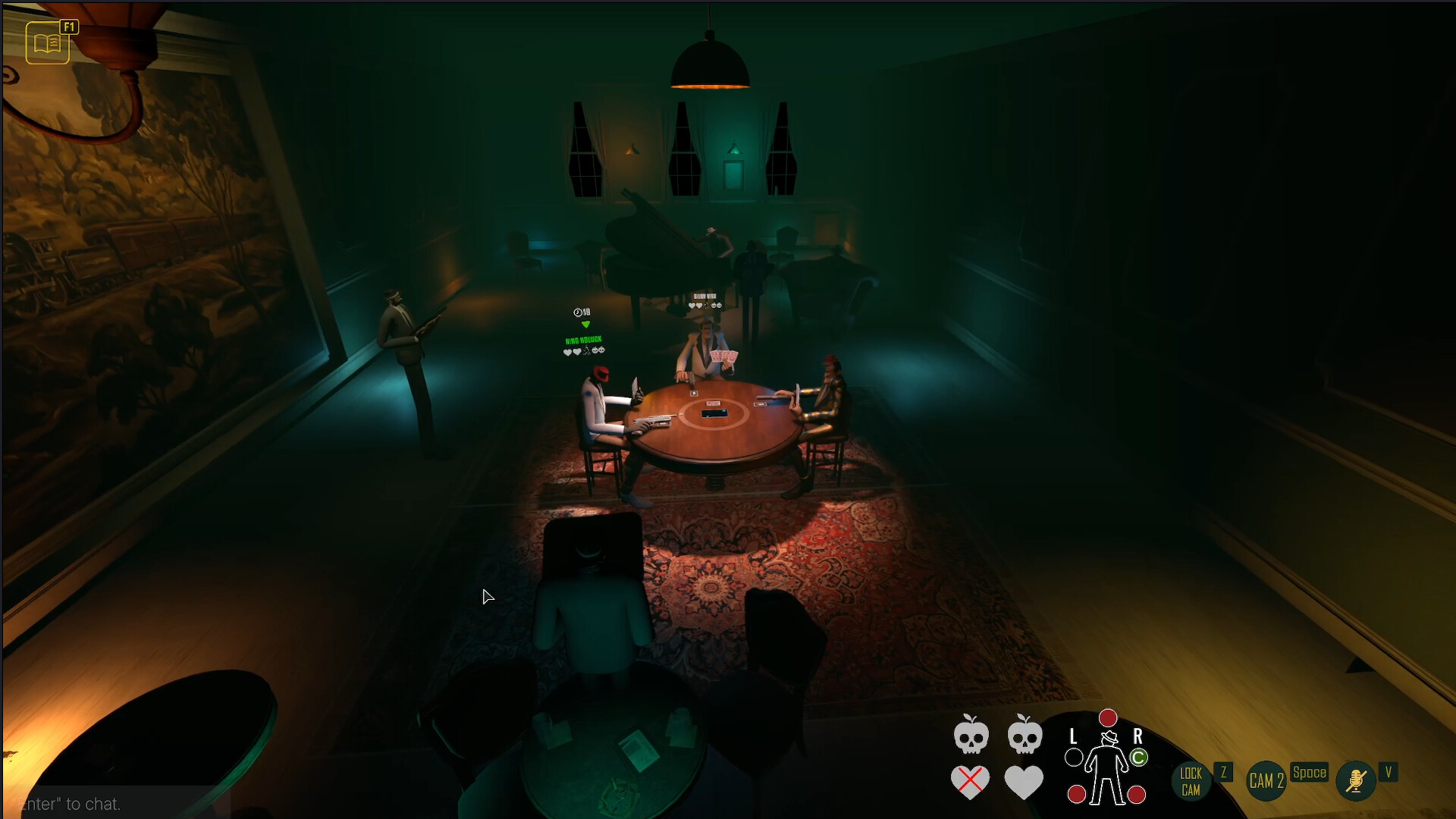
Cheater’s Table is an online card game for two to four players that mixes cheating, bluffing, and trap‑setting. Players aim to empty their hand while hiding mismatched cards, challenging opponents, and avoiding costly punishments. The match ends instantly when a player plays the Milk card, or otherwise when the last player alive remains.
The title offers an “Old School” mode that removes cheating for a straightforward experience, and a highly customizable “Lab Mode” where the host selects punishments such as cards, Cadillacs, or dynamites. Features include in‑game voice chat, color‑blind‑friendly design, and a Streamer Mode that highlights chaotic moments.
01 / THE GUIDE
Gameplay Basics
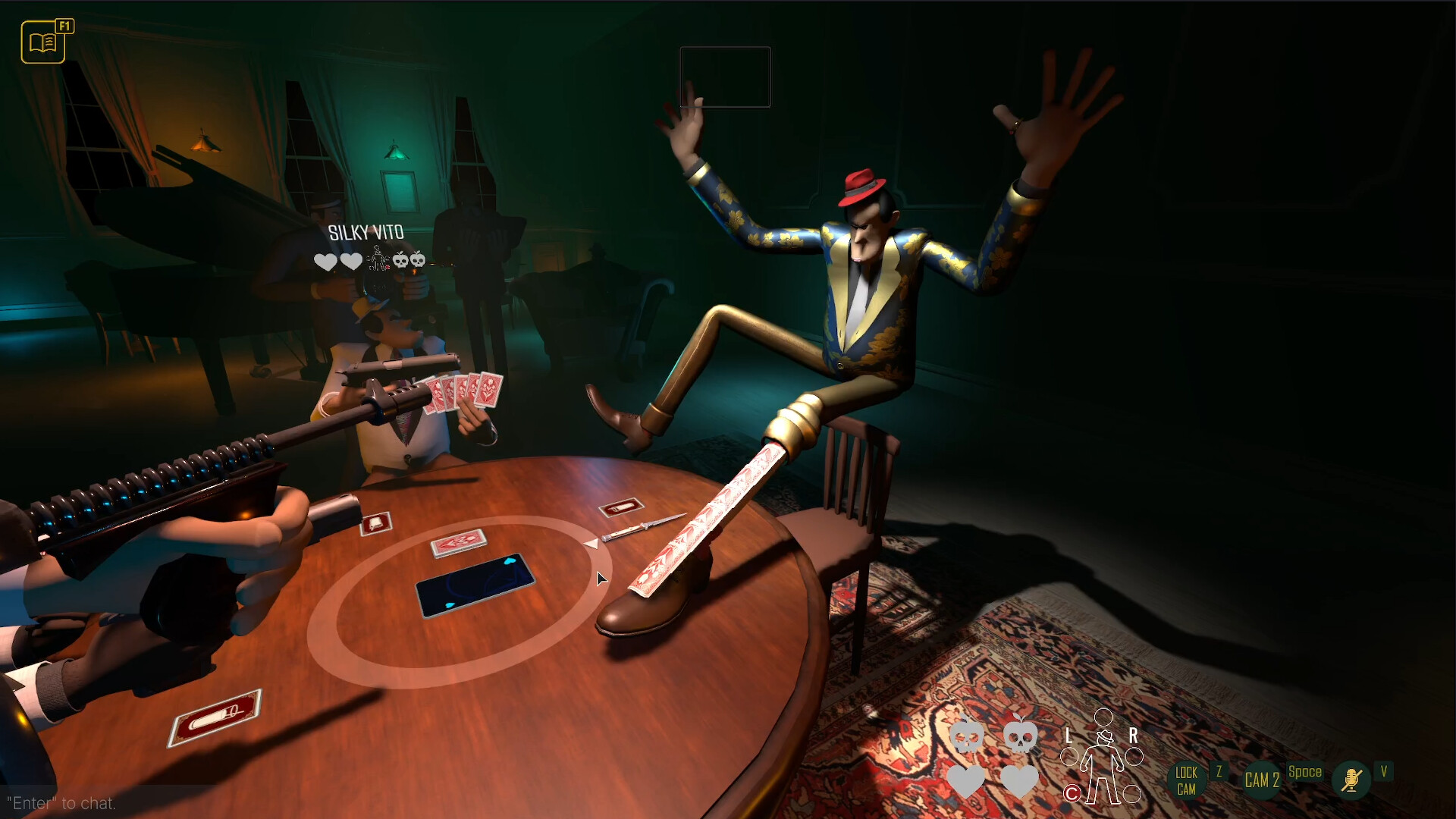
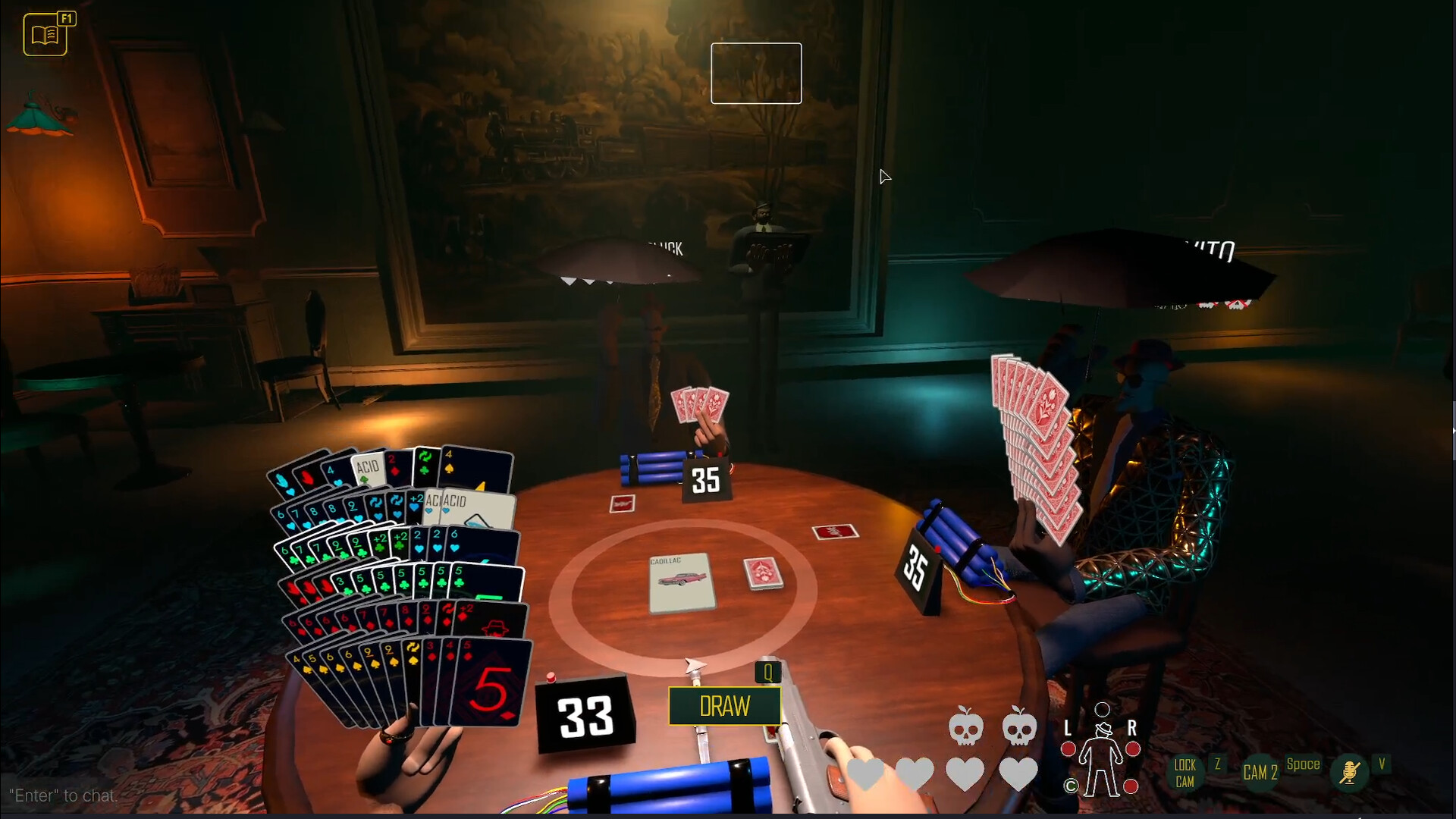
Each turn you may play a card that matches the current table or hide a mismatching card in your sleeve or pant leg. Hidden cards can be revealed later, but if an opponent challenges and discovers the cheat you must pay a penalty; a failed challenge penalises the challenger.
The core objective is to empty your hand. If no player manages to play the Milk card, the match ends when only one player remains alive, and that player is declared the winner.
- Watch the timing of hidden‑card reveals; hesitation can hint at a cheat.
- Balance safe plays with occasional hidden cards to keep opponents uncertain.
02 / THE GUIDE
Cheat‑Catching System
Players may challenge any suspicious move. A successful challenge forces the cheater to suffer a penalty, while an unsuccessful challenge backfires on the challenger.
Not every odd move is a cheat; some are traps set by other players. Deciding when to challenge therefore involves weighing the risk of a possible trap against the chance of catching a cheat.
- Consider the host’s chosen punishment before challenging a move that seems too obvious.
- Remember which opponents have been caught before; they may adjust their behavior.

03 / THE GUIDE
Trap Mechanics and Punishments
The host selects a punishment type—cards, Cadillacs, or dynamites—each carrying its own risk. When a player falls for a trap, the chosen punishment is applied, potentially altering the match’s direction.
Punishments are triggered only when a player takes the bait. A single wrong decision can shift the balance of power, making trap-setting a high‑risk strategic element.
- Vary punishment types to keep opponents guessing about the consequences of a trap.
- Observe how players react to each punishment to anticipate future bait.
04 / THE GUIDE
Game Modes: Lab vs Old School
Lab Mode lets the host customize rules, enable cheating, and choose punishments, creating a chaotic environment where hidden cards and traps are central to play.
Old School removes the cheating mechanic entirely, offering a calmer experience that focuses on straightforward card matching while retaining the same 2–4 player online structure.
- Select Old School if you prefer pure strategy without the cheat‑catching layer.
- Choose Lab Mode for groups that enjoy unpredictable, high‑stakes gameplay.
05 / THE GUIDE
Accessibility and Streamer Features
The game includes in‑game voice chat and a powerful Streamer Mode that highlights chaotic moments for viewers, making broadcasts easier to follow.
Color‑blind‑friendly design, multiple language support, and the ability to play without timed input broaden accessibility for a wide audience.
- Enable Streamer Mode when broadcasting to help viewers follow the chaotic moments.
- Use voice chat to coordinate challenges quickly during fast‑moving matches.

COMMUNITY
Player discussion