 GameWiki
GET YOUR BEARINGS
About Caves of Qud
Caves of Qud is a Hugo‑Award‑winning science‑fantasy roguelike that blends retro‑futuristic world‑building with a deep physical simulation. Players explore a living world of sentient plants, ancient ruins, and mutable terrain, shaping their fate through mutations, implants, and faction ties.
The game offers turn‑based sandbox combat, a rich RPG layer of quests and settlements, and four distinct play modes ranging from permadeath Classic runs to exploration‑focused Wander sessions. Its 1.0 release adds a graphical UI, extensive sound, and polished stability after fifteen years of development.
01 / THE GUIDE
Physical Simulation
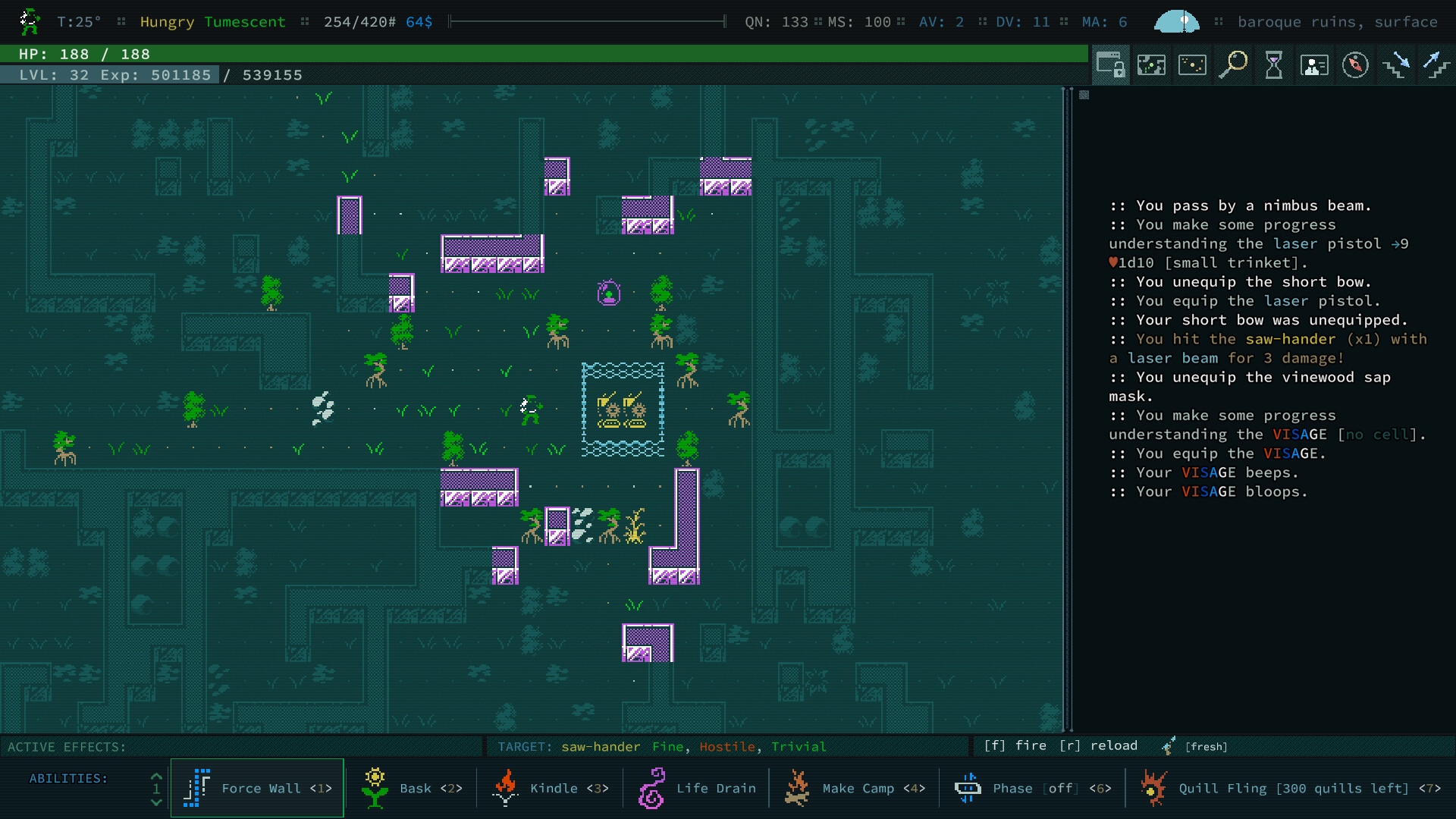
Every wall in Qud has a melting point, so players can dig with a pickaxe, melt it into lava, or eat it using a corrosive‑gas mutation. This rule lets terrain become a resource rather than a static barrier.
Because the simulation treats walls as material objects, the same action that melts stone can also affect metal or organic barriers, encouraging players to match the appropriate mutation or tool to the material they face.
- Test each wall‑altering method on a small section before committing to a longer tunnel.
- Combine a mutation that creates heat with a tool that speeds digging for faster progress.
02 / THE GUIDE
Dynamic Faction System
Qud features over 70 distinct factions, including apes, crabs, trees, robots, and highly entropic beings. Players can pursue allegiances, which affect how NPCs and monsters react to them in the world.
Each faction has its own levels, skills, equipment, and body parts, so reputation changes can alter combat dynamics, trade options, and access to unique locations.
- Check your current standing with a faction before entering its territory.
- Align with factions that complement your mutation or implant choices for smoother interactions.
03 / THE GUIDE
Character Creation
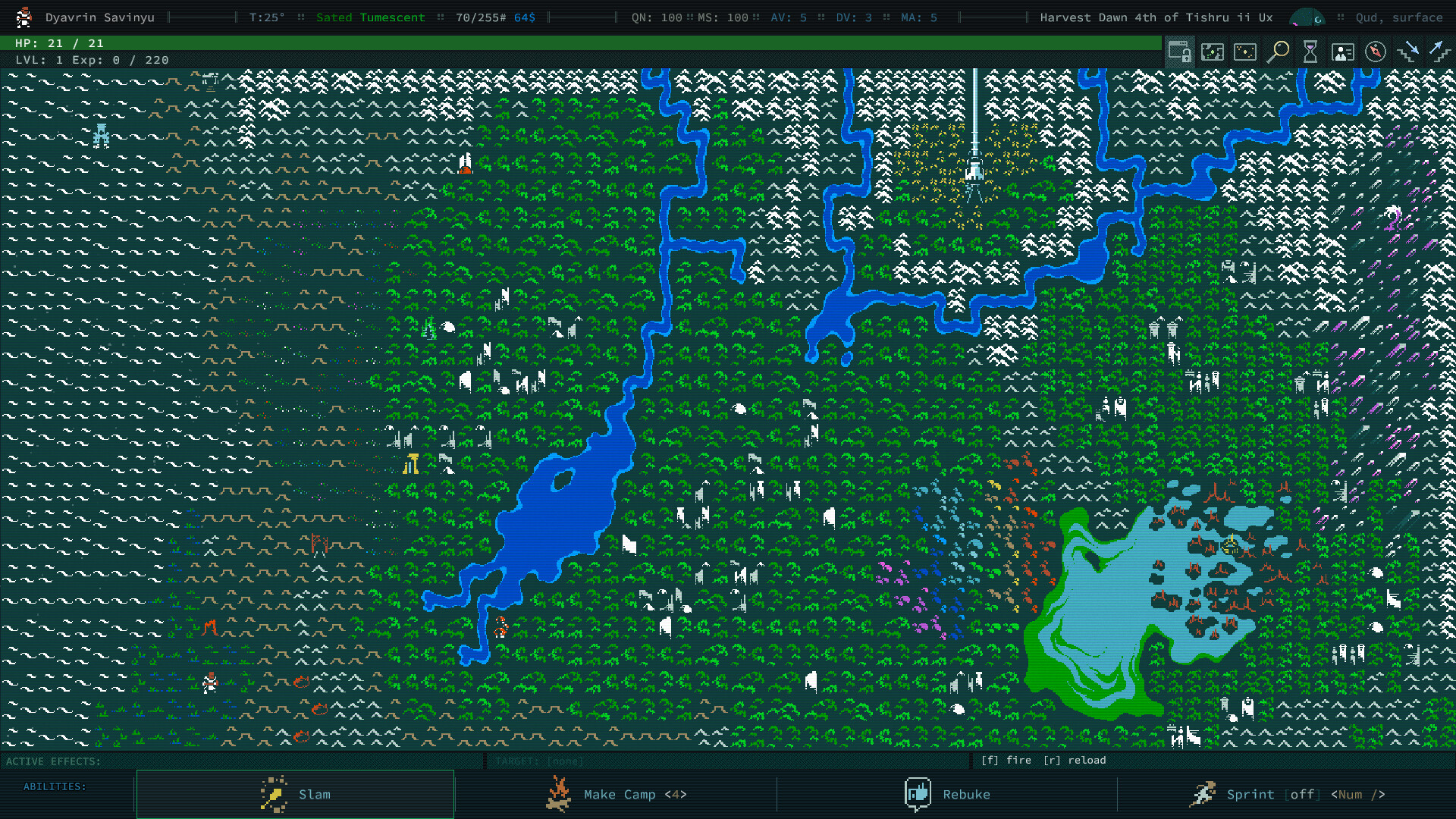
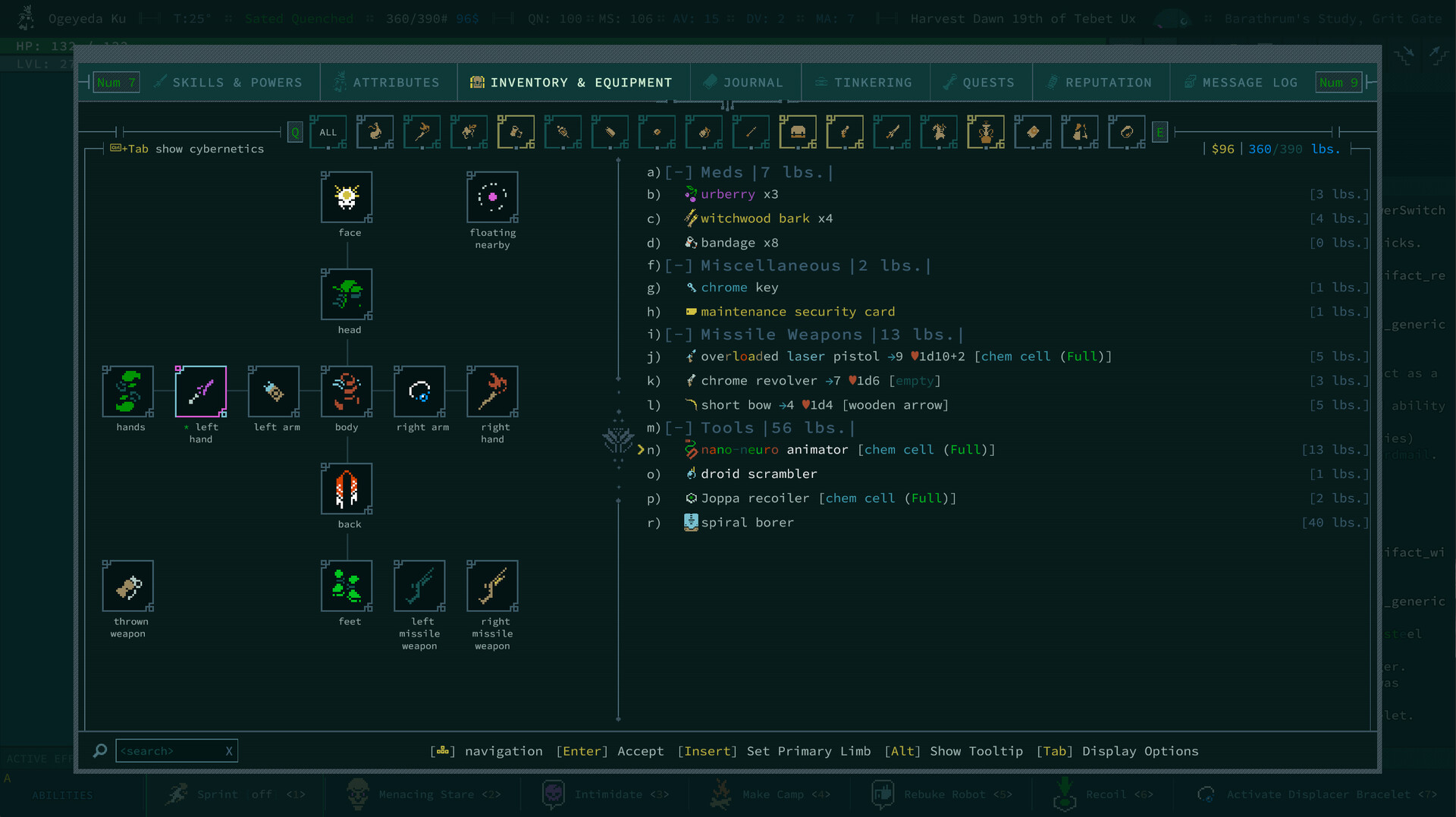
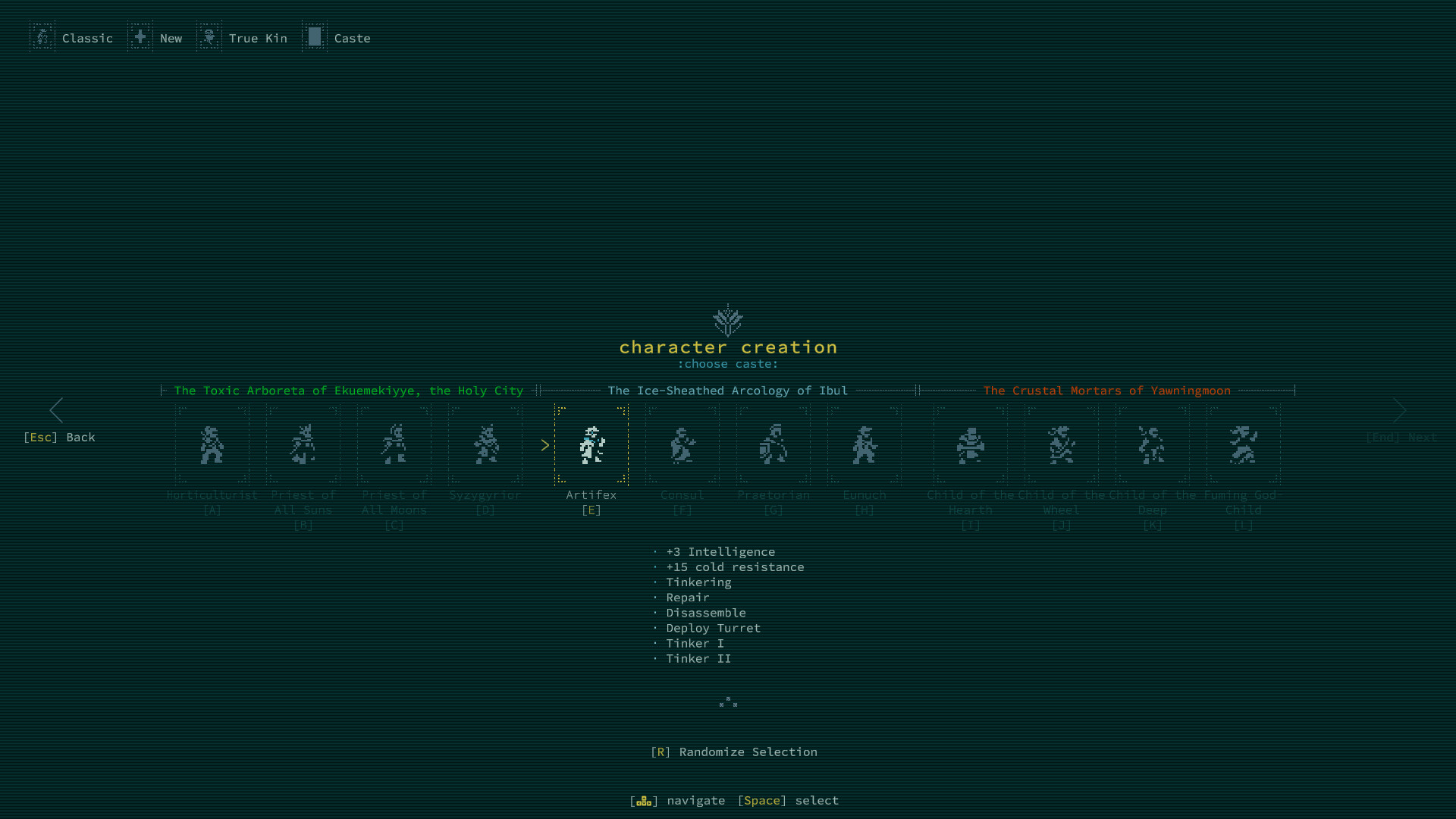
Players can build mutants using over 70 mutations, dozens of cybernetic implants, and 24 castes and kits ranging from desert natives to eco‑dome descendants. Mutations include wings, extra heads, teleportation, and cloning abilities.
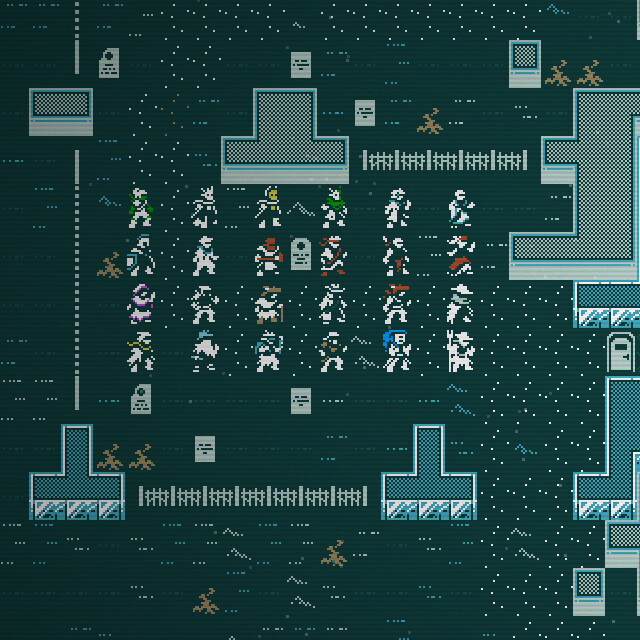
For newcomers, nine preset characters provide ready‑made builds, allowing immediate play while still offering the option to revisit the full creator later.
- Start with a preset to learn how mutations interact before customizing.
- Pair implants that enhance the same sensory or combat style for synergy.
04 / THE GUIDE
Play Modes
Four modes shape the experience: Classic (permadeath), Roleplay (checkpoint saves in settlements), Wander (exploration without combat XP), and Daily (fixed character and world seed for a single run). Each mode emphasizes a different sandbox aspect.
Mode selection does not alter core mechanics; it only changes how progress is recorded and which activities grant experience, letting players focus on survival, narrative, discovery, or timed challenge.
- Use Roleplay mode to experiment with risky builds while retaining progress.
- Choose Wander mode to map the world without the pressure of combat rewards.
05 / THE GUIDE
World Building
The setting combines fifteen years of handcrafted lore with procedural generation, creating a hybrid world that feels both authored and emergent. Sentient plants, ancient ruins, and layered civilizations coexist in a single map.
This depth supports both handwritten quests and dynamic encounters, allowing players to discover historic sites, interact with NPCs, and experience a narrative that reacts to their actions.
- Visit historic sites early to unlock lore that informs faction relationships.
- Talk to NPCs in settlements to discover quests that tie into the world’s history.
COMMUNITY
Player discussion