 GameWiki

GET YOUR BEARINGS
About Car Hustle Simulator
Car Hustle Simulator lets you grow an automotive business by locating, evaluating, and acquiring procedurally generated cars. Each vehicle arrives with its own mix of condition, wear, rust, dirt, paint layers, mileage, and installed parts, turning every purchase into a distinct risk‑and‑reward decision.
The title adds a dynamic market, an advanced negotiation system, trailer transport for non‑drivable cars, and a fuel resource with fluctuating prices. All features are designed for single‑player play at your own pace, with manual saving available whenever you choose.
01 / THE GUIDE
Procedurally Generated Vehicles
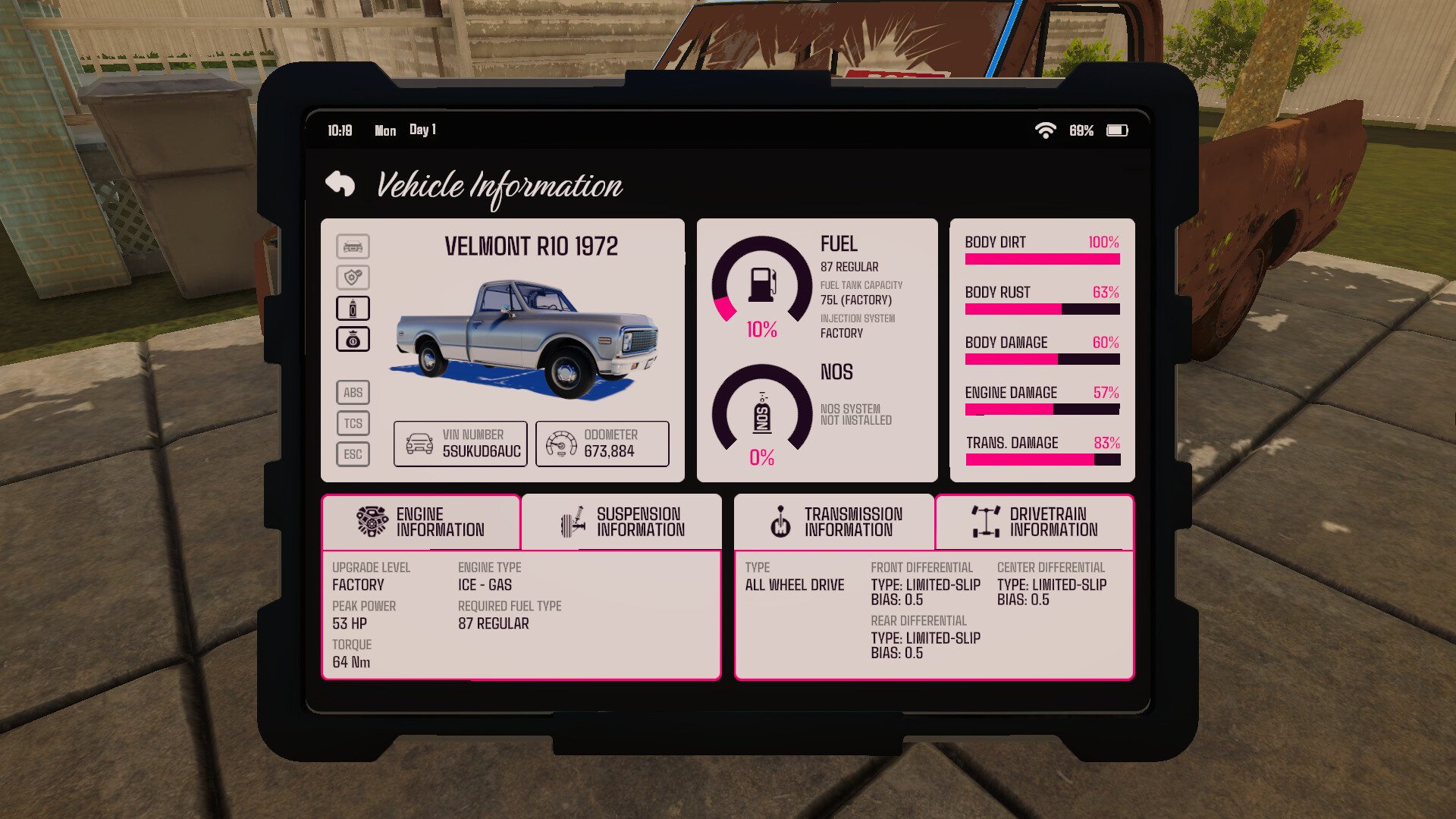
Every car is created with a unique set of attributes—condition, wear, rust, dirt, paint quality, mileage, and installed components. This procedural generation guarantees that no two vehicles share the exact same profile, requiring individual inspection before purchase.
Because each vehicle’s data is distinct, you must compare the listed mechanical condition, paint layers, and damage severity to decide whether to restore, dismantle, or flip it for profit.
- Cross‑reference mechanical condition with visible damage to gauge restoration effort.
- Note the paint layers when evaluating a vehicle's condition.
02 / THE GUIDE
Dynamic Market Conditions
Vehicle and part demand shifts daily, meaning a model that is highly sought after one day may become nearly worthless the next. Monitoring these fluctuations helps you buy low and sell high.
Investing during market downturns and timing sales for demand peaks can increase profit, as the market directly influences each car’s resale value.
- Track daily demand to spot emerging hot items.
- Hold high‑demand parts until the market peaks for better returns.
03 / THE GUIDE
Advanced Negotiation System
Deals are handled through a dynamic bargaining system where your offer, the current market, and vehicle quality all affect the outcome. Pushing too hard can cause you to lose the deal entirely.
Developing negotiation skill lets you consistently outsmart competitors and secure profitable investments, making bargaining a core strategic element.
- Start offers slightly below market value to leave room for counter‑offers.
- Consider the vehicle’s condition when setting your initial price.
04 / THE GUIDE
Vehicle Restoration Process
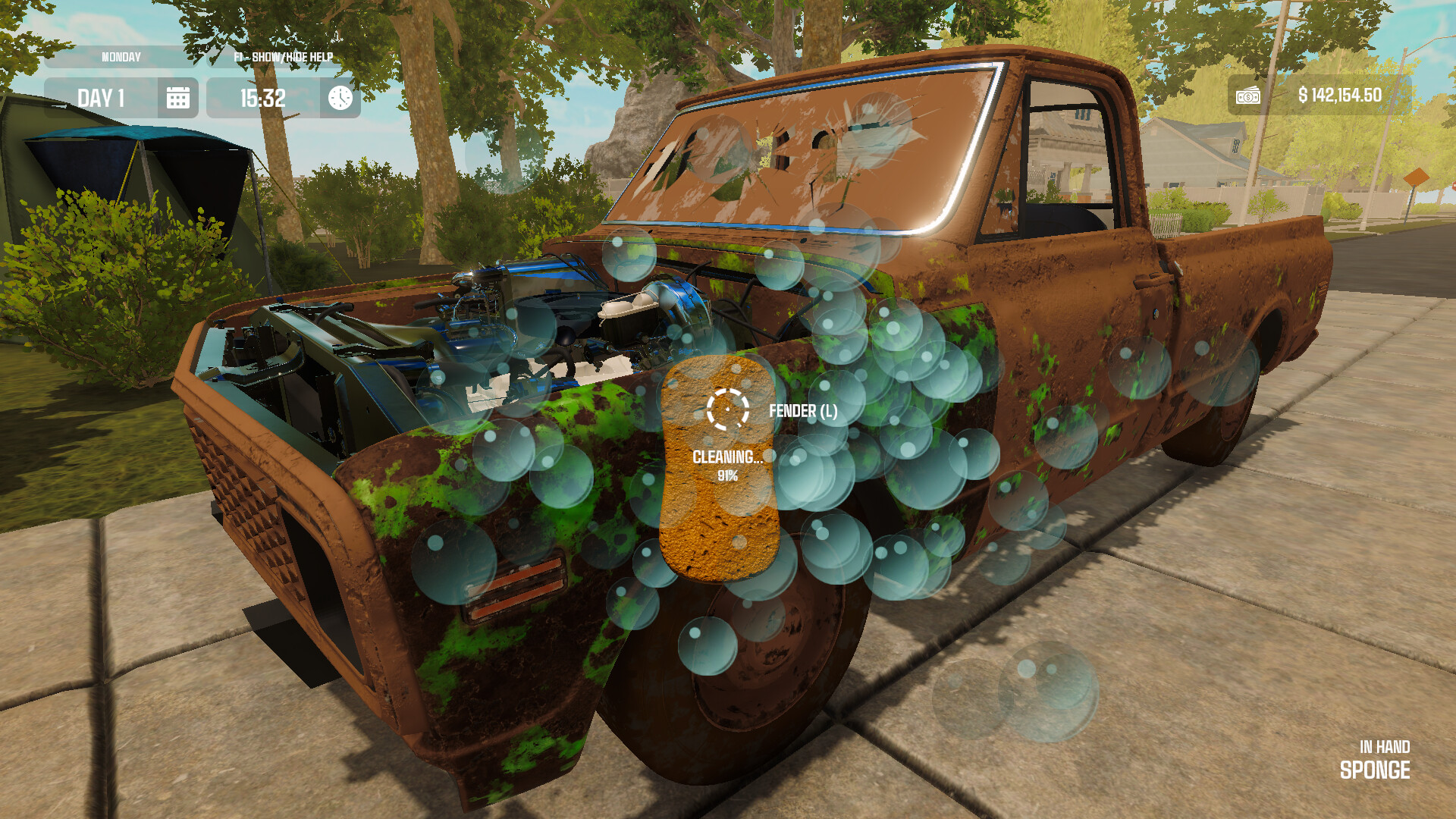
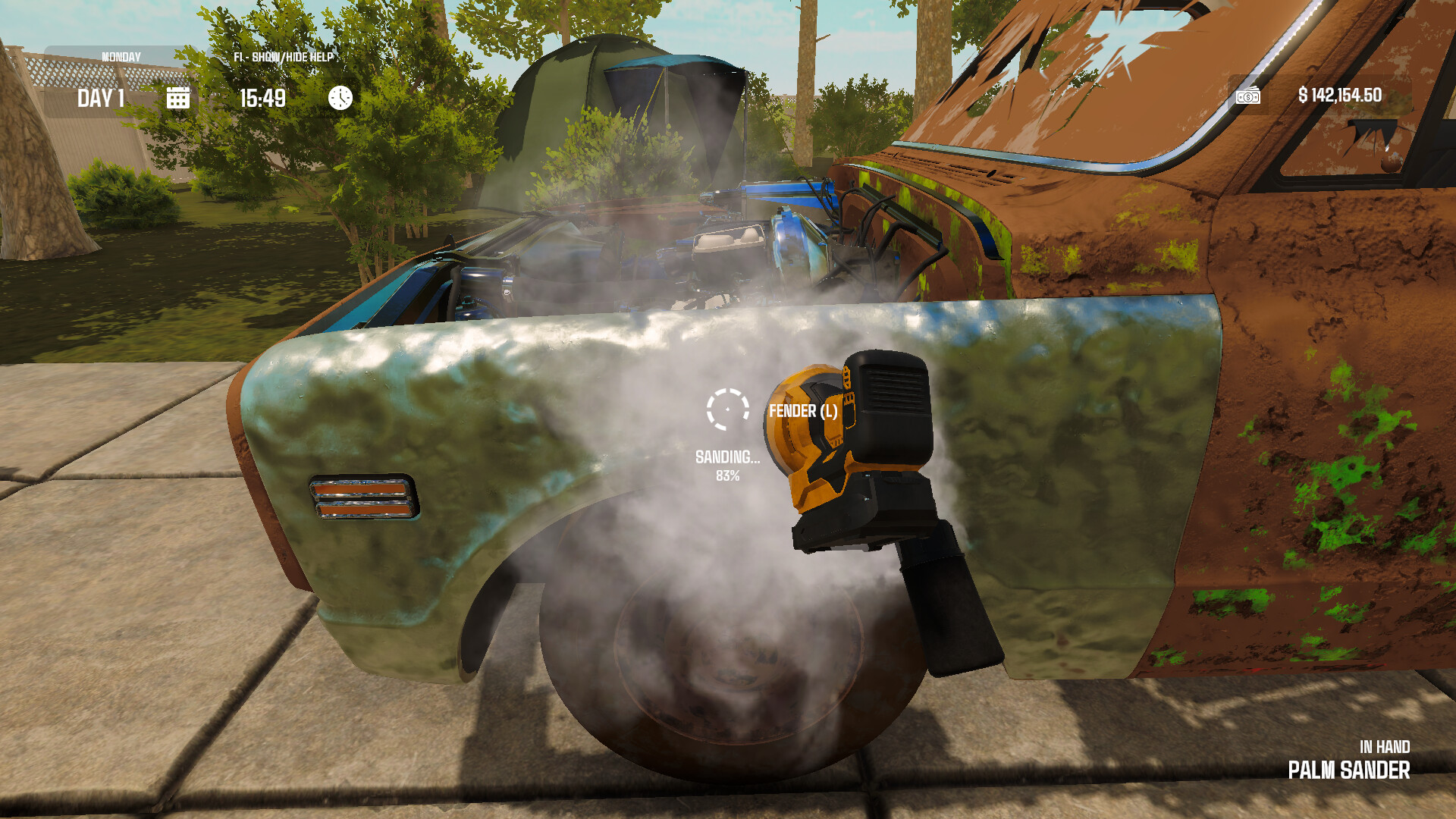
Restoration includes washing away dirt, removing rust, repairing dents, and refinishing with primer, paint, and protective finishes. Higher‑quality work can raise the vehicle’s resale price.
You may choose full restoration, partial work, or dismantling for parts, weighing restoration costs against market demand to determine the most profitable path.
- Remove rust before repainting for a cleaner finish.
- Compare expected resale price after restoration with total restoration cost.
05 / THE GUIDE
Dynamic Fuel Economy
Fuel acts as a limited resource; gas stations feature changing prices and daily supply caps. Planning purchases and routes with fuel costs in mind is essential for efficient operation.
Fluctuating fuel prices add a strategic layer, encouraging you to balance vehicle spending with the cost of keeping your business mobile.
- Refuel when prices are low to reduce overall operating costs.
- Combine multiple trips to minimize fuel consumption.


COMMUNITY
Player discussion