 GameWiki

GET YOUR BEARINGS
About Can't Live Without Electricity
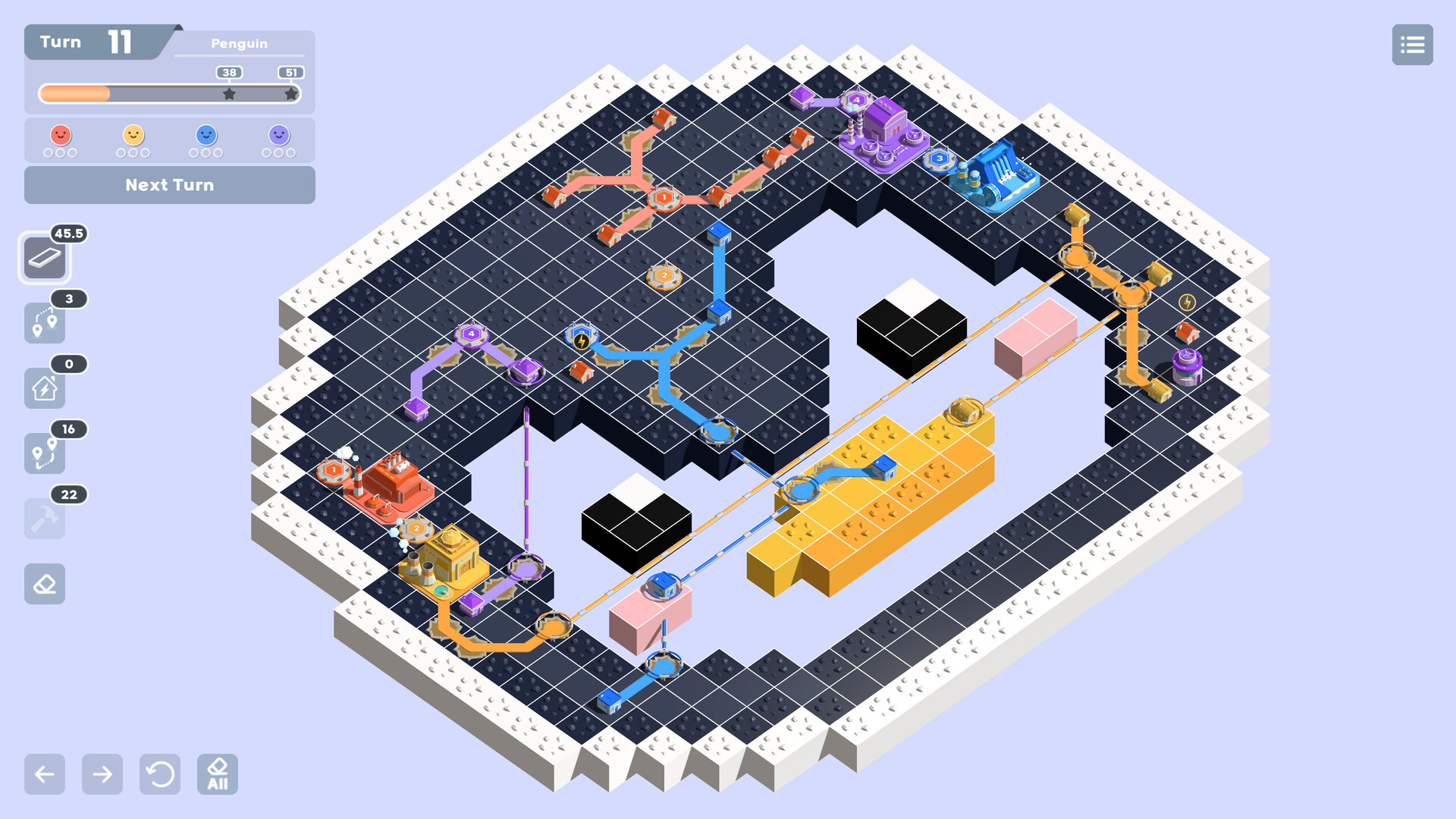
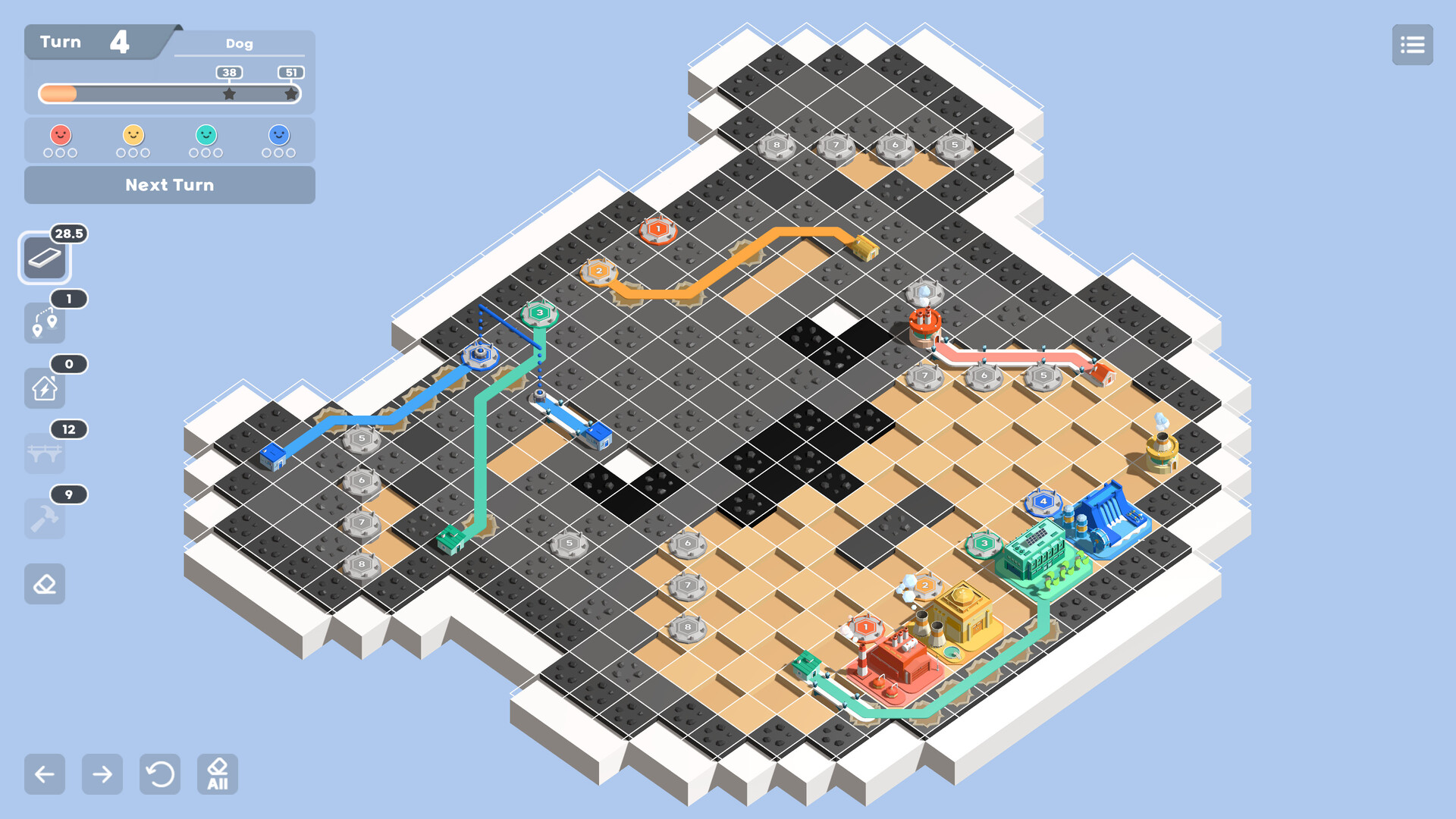
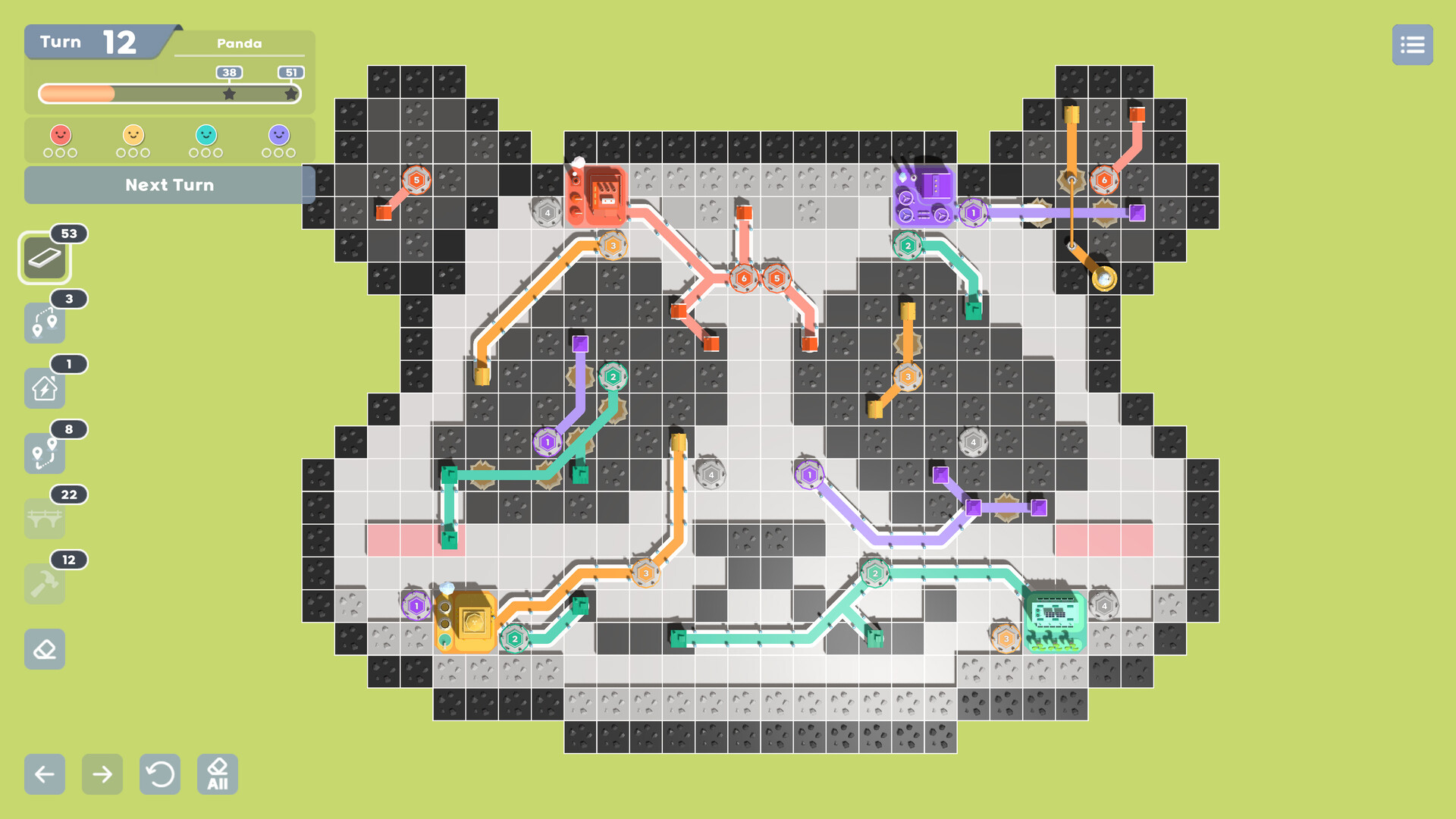
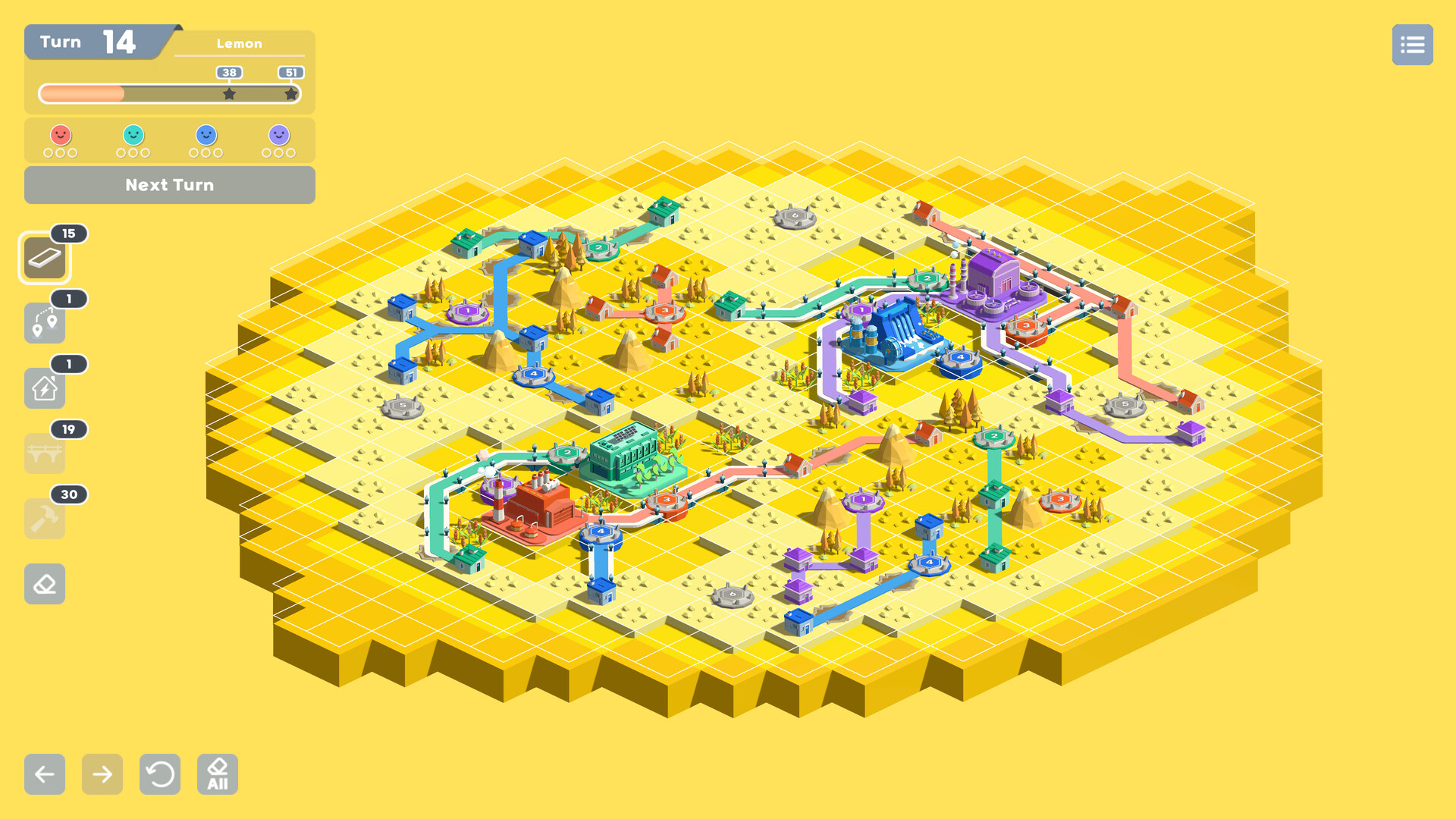
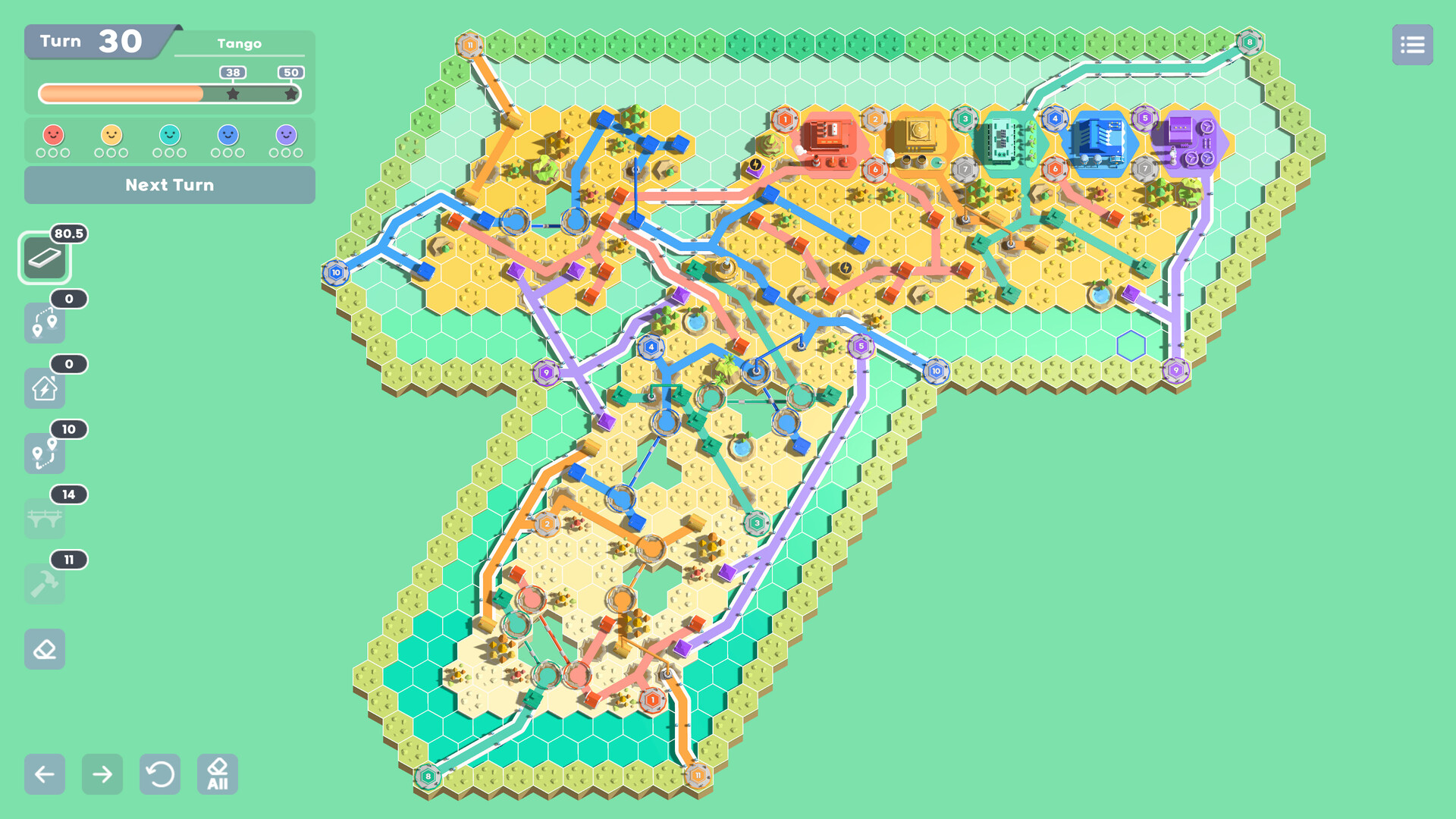
Can't Live Without Electricity is a 3D relaxing puzzle game where players connect houses to power plants of matching colors. The world contains five colors of houses and power plants, and the goal is to supply electricity by linking same‑color houses to their plant.
The game offers square and hexagon grids, over 50 official stages that each last about half an hour, and randomly generated levels for endless variety. Players can use rare items like generators or jumpers for an easier experience, or aim for a perfect score without them, deciding their own difficulty.
01 / THE GUIDE
Grid Types
Levels are built on either square or hexagon grids, changing how routes can be drawn between houses and power plants. The shape of the grid influences the number of possible connections and the visual layout of the map.
Understanding the geometry of each grid helps players plan efficient paths, since each grid shape presents a different arrangement of neighboring cells. The grid a level uses can affect the difficulty of finding the optimal route.
- Compare the number of possible directions in each grid before starting a level.
- Observe how house placement differs between square and hexagonal layouts.
02 / THE GUIDE
Randomly Generated Levels
Beyond the 50 official stages, the game creates new levels each time by randomly placing houses and items. This ensures that players encounter fresh challenges on subsequent playthroughs.
Since the layout changes each session, memorization is less useful than adapting to new configurations. Players must evaluate each new map’s structure to determine the best connections.
- Treat each new map as a unique puzzle rather than relying on previous solutions.
- Look for patterns in house distribution that recur across random generations.
03 / THE GUIDE
Rare Items Usage
The game includes rare items such as generators and jumpers that can be used to simplify connections. Employing these items reduces the complexity of linking houses to power plants.
Alternatively, players may choose to avoid rare items entirely, aiming for a perfect score that reflects pure puzzle solving without assistance.
- Experiment with a single rare item to see its impact on difficulty.
- Try completing a level without any rare items to gauge your baseline skill.
04 / THE GUIDE
Progress Saving
There is no time or edit limit, and players may save their progress at any point during a level. This allows for breaks without losing work on complex connections.
Saved games can be resumed later, letting players continue from the exact state they left, which is useful for larger maps that take longer to complete.
- Save after establishing a major portion of the network to avoid redoing work.
- Use the save feature before attempting a risky connection.
05 / THE GUIDE
Level Editor and Steam Workshop
The game provides a custom level editor, enabling players to design their own puzzles. Created levels can be shared through Steam Workshop, fostering a community of user‑generated content.
Access to the editor and workshop expands replayability beyond the official stages, as players can both download new challenges and contribute their own.
- Explore community‑made levels to encounter diverse designs.
- Create a simple test level first to learn the editor's basic tools.
COMMUNITY
Player discussion