 GameWiki
GET YOUR BEARINGS
About BULT: Hunting simulator
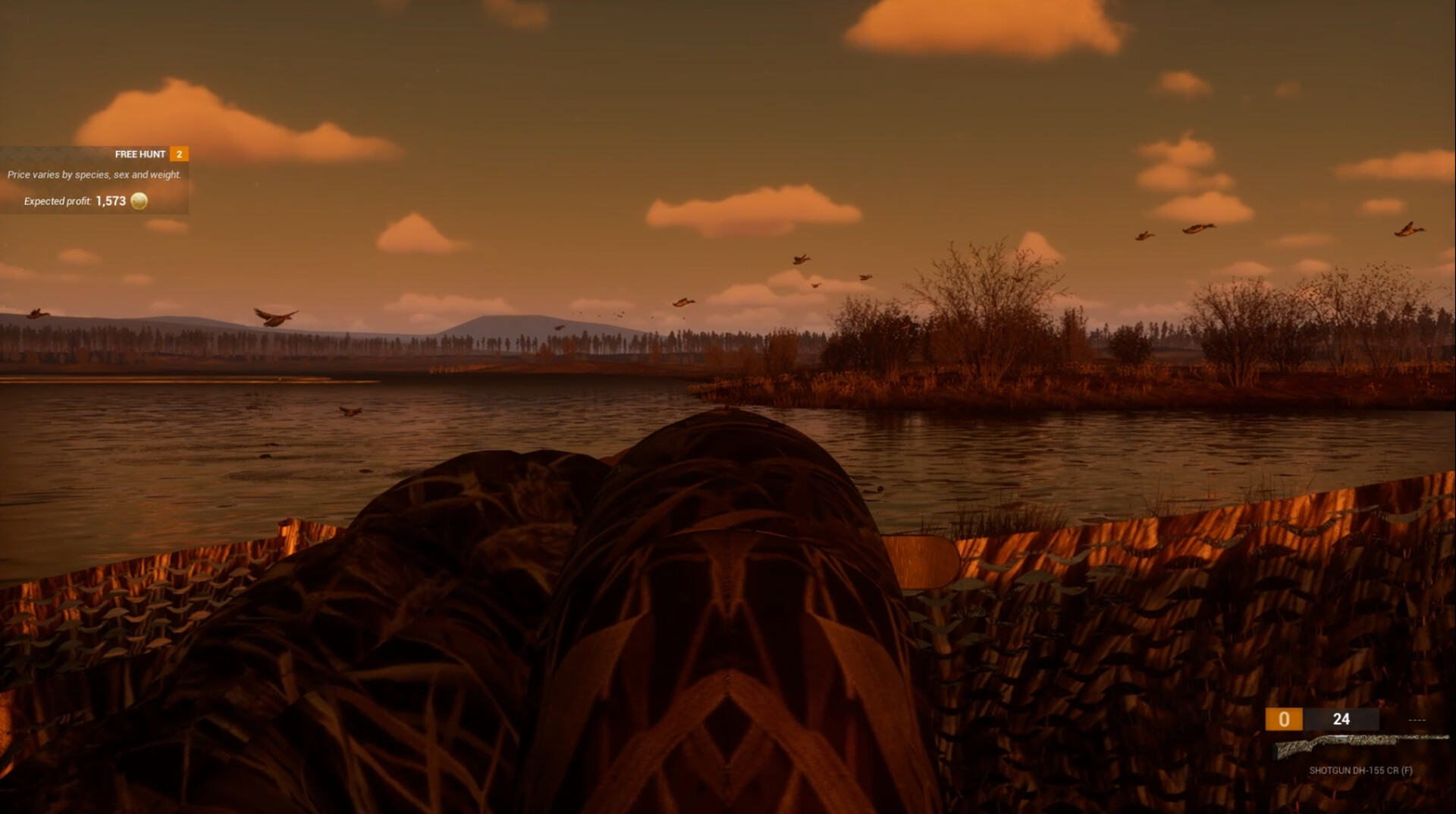
BULT: Hunting Simulator focuses on the full hunt before the shot. Players choose a spot, set up a blind, place decoys and use calls while watching wind, weather and time of day. The game then waits for waterfowl or upland birds to appear, making preparation more important than reflexes.
Set in Yakutia’s misty marshes and lakeshores, the simulation uses real‑field recorded bird sounds, physics‑based shotgun ballistics and a reputation system that penalises harvesting protected species. Early Access already offers a complete loop: scout, spread, shoot, and retrieve the harvest.
01 / THE GUIDE
Choosing and Preparing Your Spot
The description tells players to pick a promising location, brush in a blind and arrange decoys to draw passing flocks. Wind direction, weather and lighting are cited as factors that directly influence bird behavior, so evaluating these conditions before setting up is essential.
Fieldcraft is highlighted as outweighing fast reflexes; a well‑concealed blind and correctly placed decoys increase the chance a flock will approach within range. If the flock changes direction or the weather shifts, relocating the blind is recommended rather than relying solely on louder calls.
- Check wind direction first, as the source lists wind among the conditions to watch before the shot.
- If a flock veers away, consider moving the blind instead of increasing call volume.
02 / THE GUIDE
Dynamic Bird AI (Bayanay)
Birds are powered by Bayanay AI, which makes flocks search for feeding grounds, alter flight paths and react to weather and player presence. Because they do not follow a fixed route, each hunt can present a different approach pattern.
Studying flock habits helps decide when to stay still, relocate, or stop calling. A flock may come straight in, change direction, or flare at the last second depending on the setup and surrounding conditions.
- Observe early flight patterns to anticipate possible turns.
- When weather changes, expect the flock to adjust its flight path.

03 / THE GUIDE
Using Audio to Locate Birds
Every bird vocalization was recorded in the field, allowing players to pinpoint direction and distance by ear before the birds appear. Audio also serves as a gameplay tool: a splash or heavy step can alert birds to the player’s presence.
Listening carefully to wing beats, calls and even the player’s own footsteps informs when to stay hidden or move. Because birds have sharp hearing, minimizing noise is crucial for a successful approach.
- Pause movement when you hear a distant call to gauge its direction.
- Avoid splashing water near a blind; it can scare the flock away.
04 / THE GUIDE
Shot Placement and Ballistics
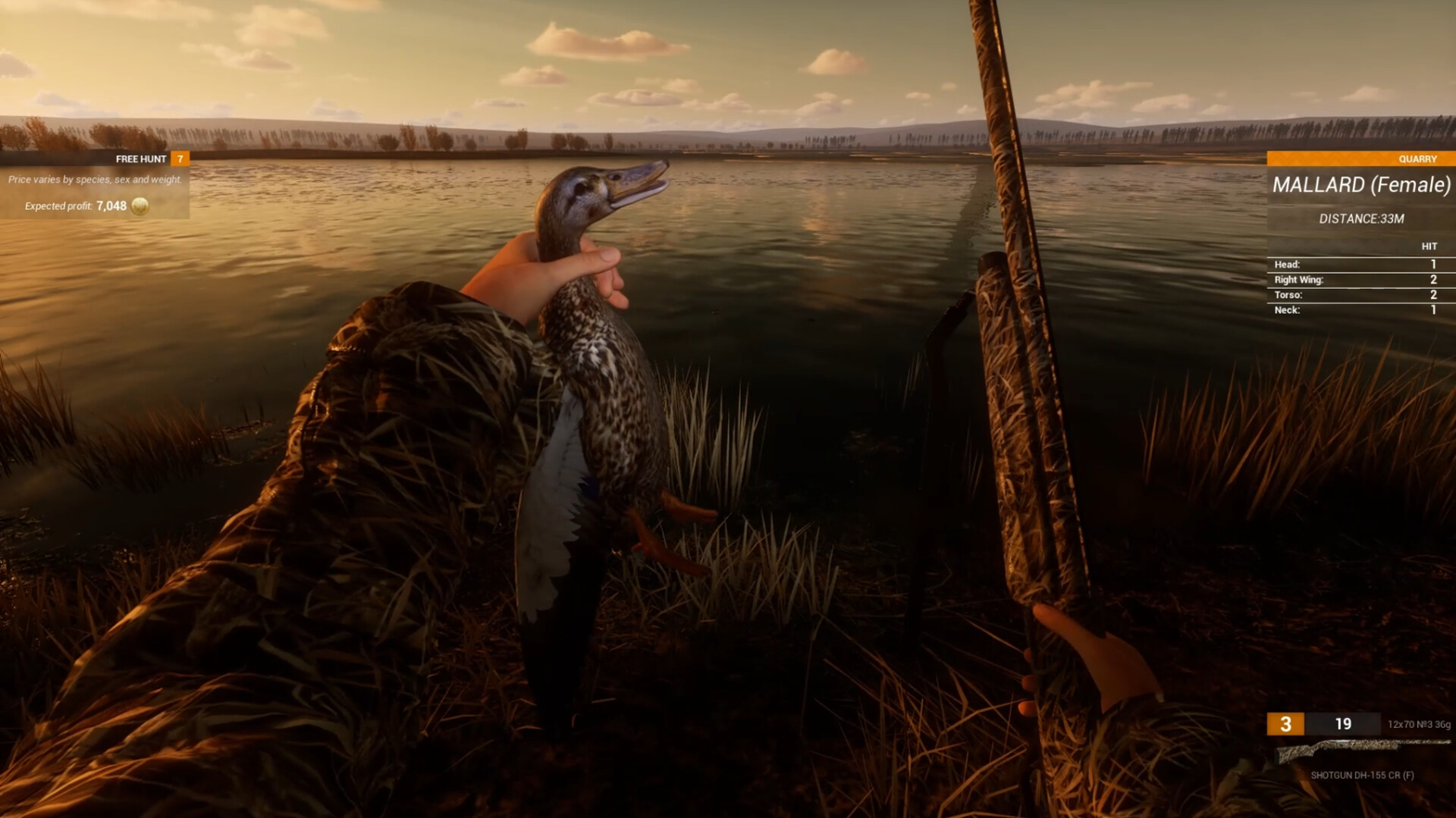
Shotgun physics consider pellet spread, velocity and range. Distance, shot size and lead determine whether a bird is cleanly harvested or merely wounded. A wounded bird may dive, swim away or hide in reeds, requiring quick recovery.
Misjudging range or rushing the trigger can result in a crippled duck that disappears, forcing the player to act fast if they wish to retrieve the harvest.
- Estimate distance visually before pulling the trigger.
- Allow a brief pause after the first shot to assess if the bird is wounded.
05 / THE GUIDE
Reputation System and Protected Species
The game tracks hunter reputation, which drops if a protected species is harvested. Identifying birds on the wing before shooting is essential because some species are strictly protected in the region.
A reputation loss makes careful species identification and adherence to local regulations essential within the simulation.
- Learn the silhouette of protected species before heading out.
- If unsure, wait for a clearer view rather than taking a risky shot.


COMMUNITY
Player discussion