 GameWiki
GET YOUR BEARINGS
About Braid
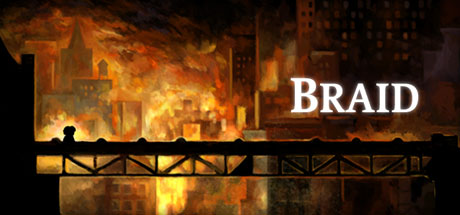
Braid (2009) is a painterly‑styled puzzle‑platformer where the player manipulates time to solve each world’s challenges and rescue an abducted princess. The game presents a series of distinct worlds, each granting a unique temporal power such as rewinding, time‑immune objects, or parallel realities.
The title never forces death or retry loops; instead, difficulty stems from logical puzzles. It features Steam Cloud saves, full controller support, and a non‑linear story that ties the time mechanics to broader metaphors. An updated Anniversary Edition adds graphics, levels, and developer commentary.
01 / THE GUIDE
Time Manipulation Mechanics
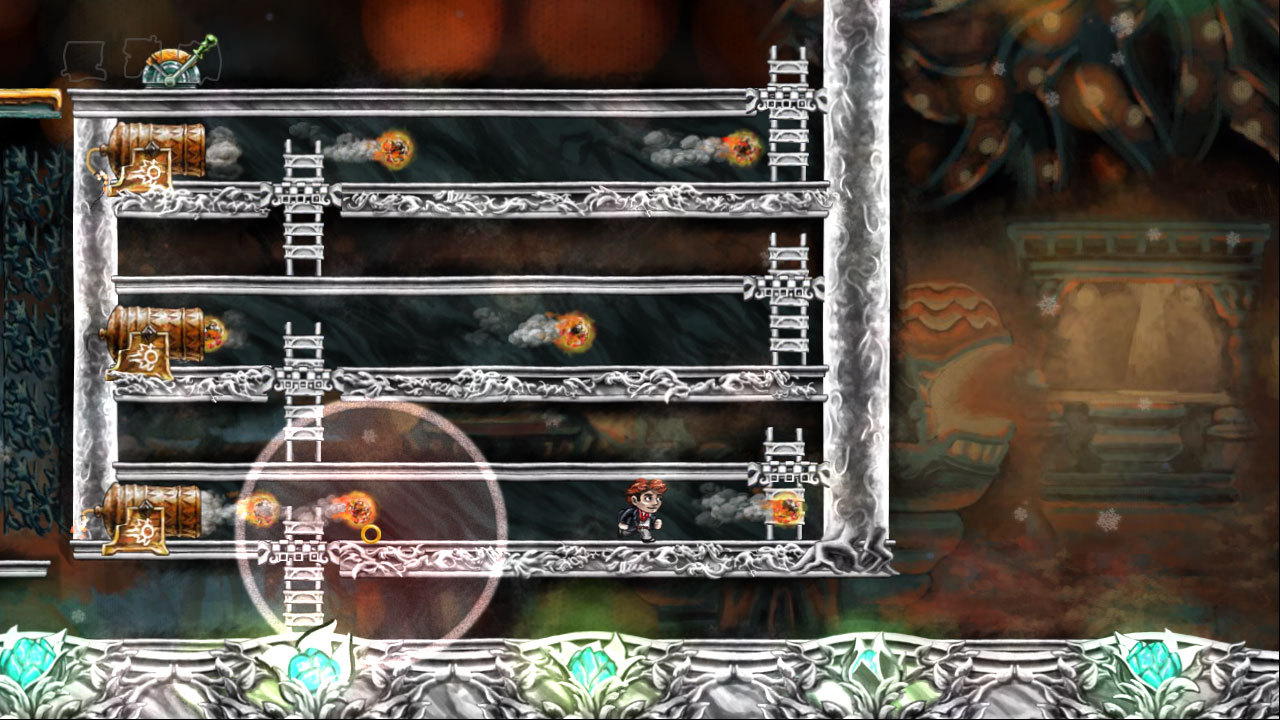
Each world grants a specific ability that changes how time behaves, ranging from simple rewinding to objects that resist rewinding, space‑linked time, parallel realities, and time dilation. These powers are the core of every puzzle and require the player to think beyond conventional platforming.
The game treats time as a tool rather than a resource; puzzles are designed to showcase a fresh use of the granted power, encouraging experimentation and new ways of thinking about cause and effect.
- Experiment with each power in a low‑pressure area before tackling a complex puzzle.
- Observe how objects react differently when time is rewound versus when they are immune.
02 / THE GUIDE
World Structure
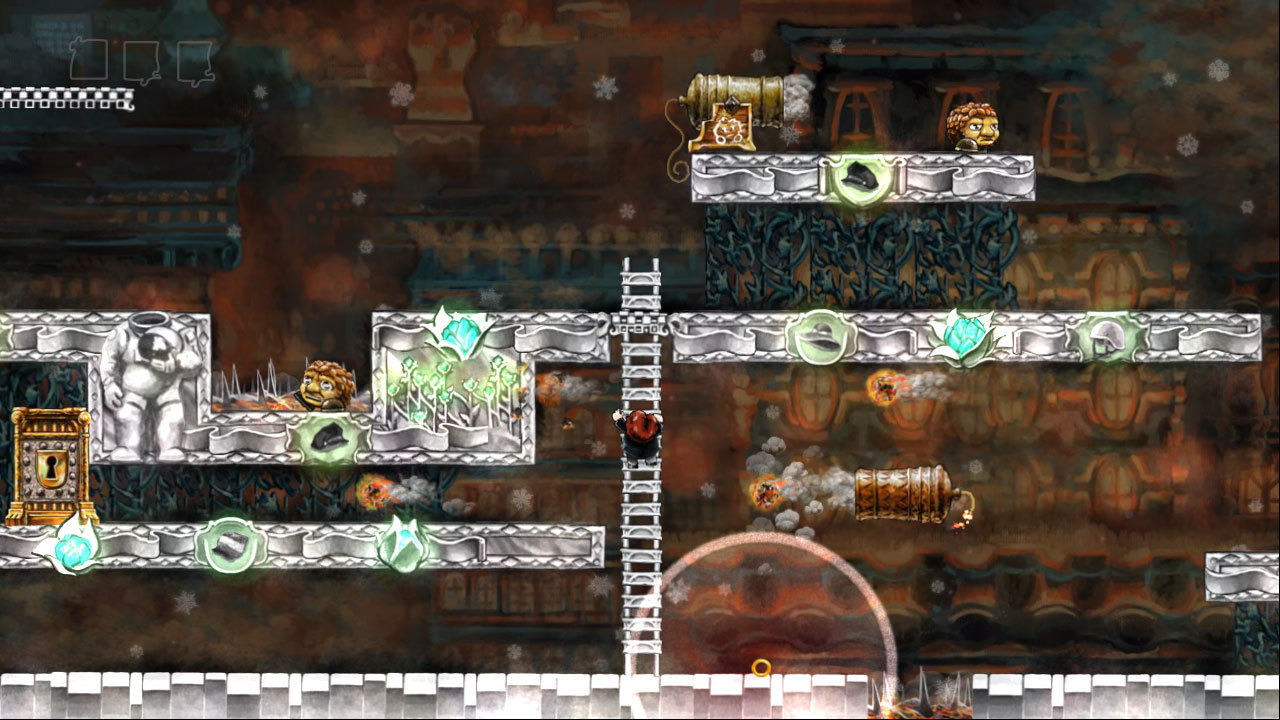
The game is divided into several worlds that the player accesses from a house in the city. Each world contains its own set of puzzles and a unique temporal mechanic, and the player can move between worlds non‑linearly.
Puzzle pieces are scattered across worlds, and solving puzzles often requires returning to earlier areas with a newly acquired time ability, reinforcing the interconnected design of the levels.
- Keep track of which worlds you have visited to know where new abilities might apply.
- Return to earlier worlds after unlocking a new power to discover hidden solutions.
03 / THE GUIDE
Progression & Save
Braid never forces death; the player cannot lose a life, making the challenge purely about puzzle resolution. Progress is saved locally and can be synced via Steam Cloud, allowing continuation on any Steam‑connected computer.
Because there is no death penalty, players can explore puzzles at their own pace, pausing and resuming without fear of losing progress, which aligns with the game’s emphasis on thoughtful problem‑solving.
- Enable Steam Cloud to keep your progress across multiple devices.
- Take breaks after a tough puzzle; the lack of death means you can return fresh.
04 / THE GUIDE
Art & Sound Design
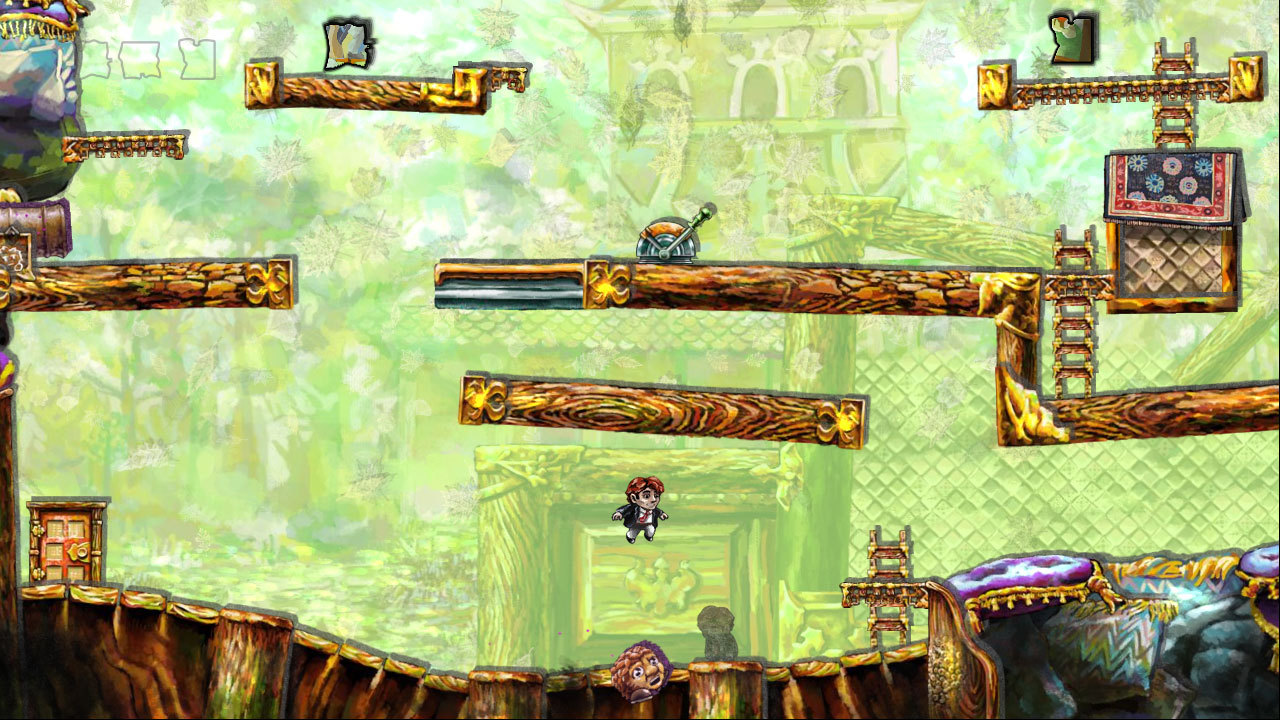
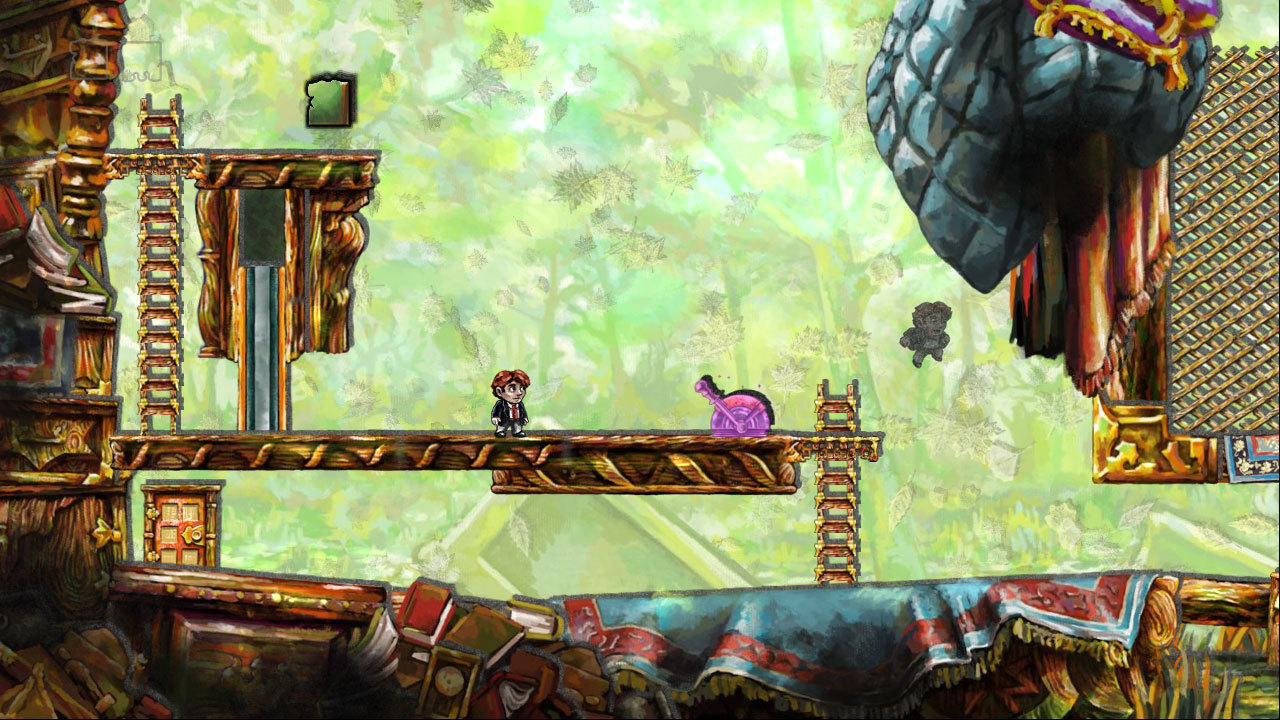
The visual style is described as painterly, giving each world a hand‑crafted look that complements the abstract time concepts. An organic soundtrack underlies the gameplay, reinforcing the mood of each puzzle environment.
These aesthetic choices are intended to make the experience feel cohesive, with the art and music supporting the unique mechanics rather than distracting from them.
- Adjust audio settings to fully appreciate the organic soundtrack.
- Observe background details; they often hint at the intended use of a time power.
05 / THE GUIDE
Story & Narrative
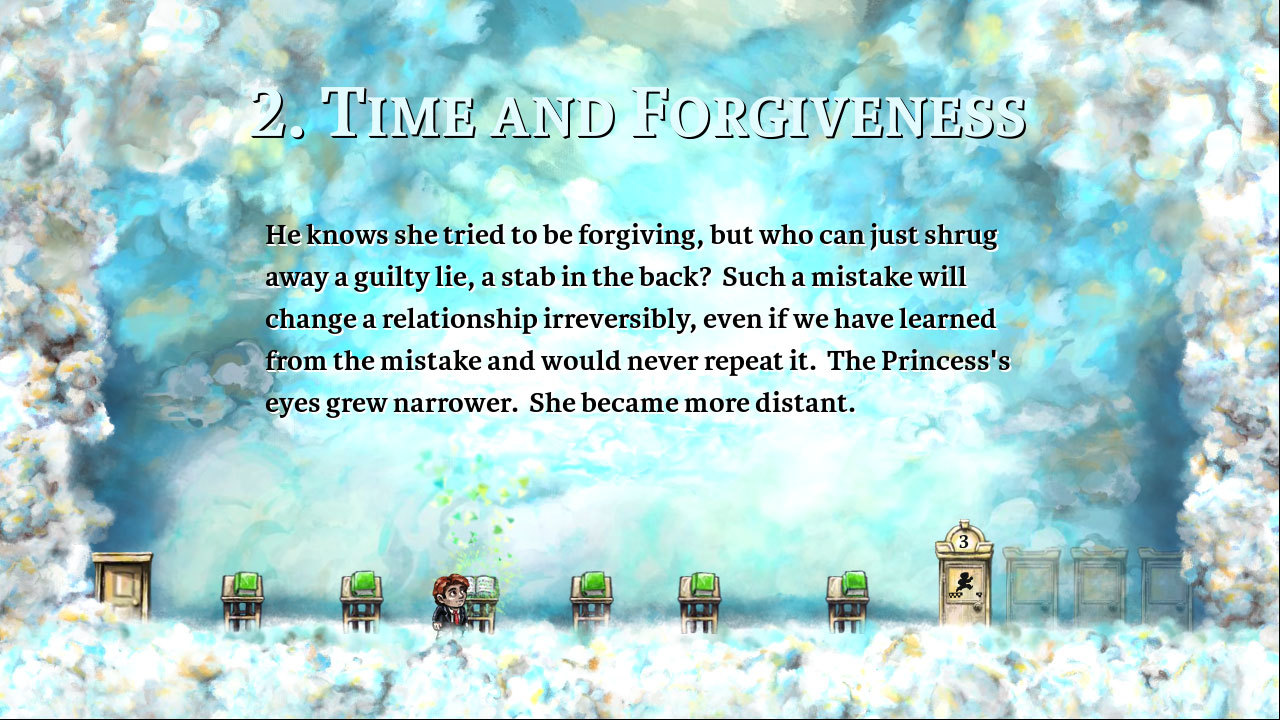
Braid presents a non‑linear fiction that links the worlds and provides real‑world metaphors for the time abilities. The narrative explores themes of regret and consequence, using the gameplay’s “what‑if” scenarios to reflect on those ideas.
The story does not dictate puzzle order; players may skip ahead and return later, allowing the narrative to unfold in a personal, exploratory manner.
- Read any in‑game text carefully; it often deepens the metaphor behind a time mechanic.
- Consider how the story’s themes relate to the puzzle you are solving.
COMMUNITY
Player discussion