 GameWiki

GET YOUR BEARINGS
About Blacksmith. Song of two Kings.
Blacksmith: Song of Two Kings puts you behind a literal forge, letting you hammer, saw, tie, and enchant items by hand. You’ll craft weapons, armor, and curios while exploring a high‑fantasy world that feeds useful finds back into your workshop. The game blends adventure storytelling with a hands‑on simulation of metalworking, wood‑working, and magical enhancement.
Beyond the core crafting loop you can upgrade your dwelling, expand the forge, and recruit friends who aid your creations. With over a hundred repeatable schemes and a free‑to‑play forge mode, the experience balances structured orders with open‑ended experimentation.
01 / THE GUIDE
Hands‑On Crafting
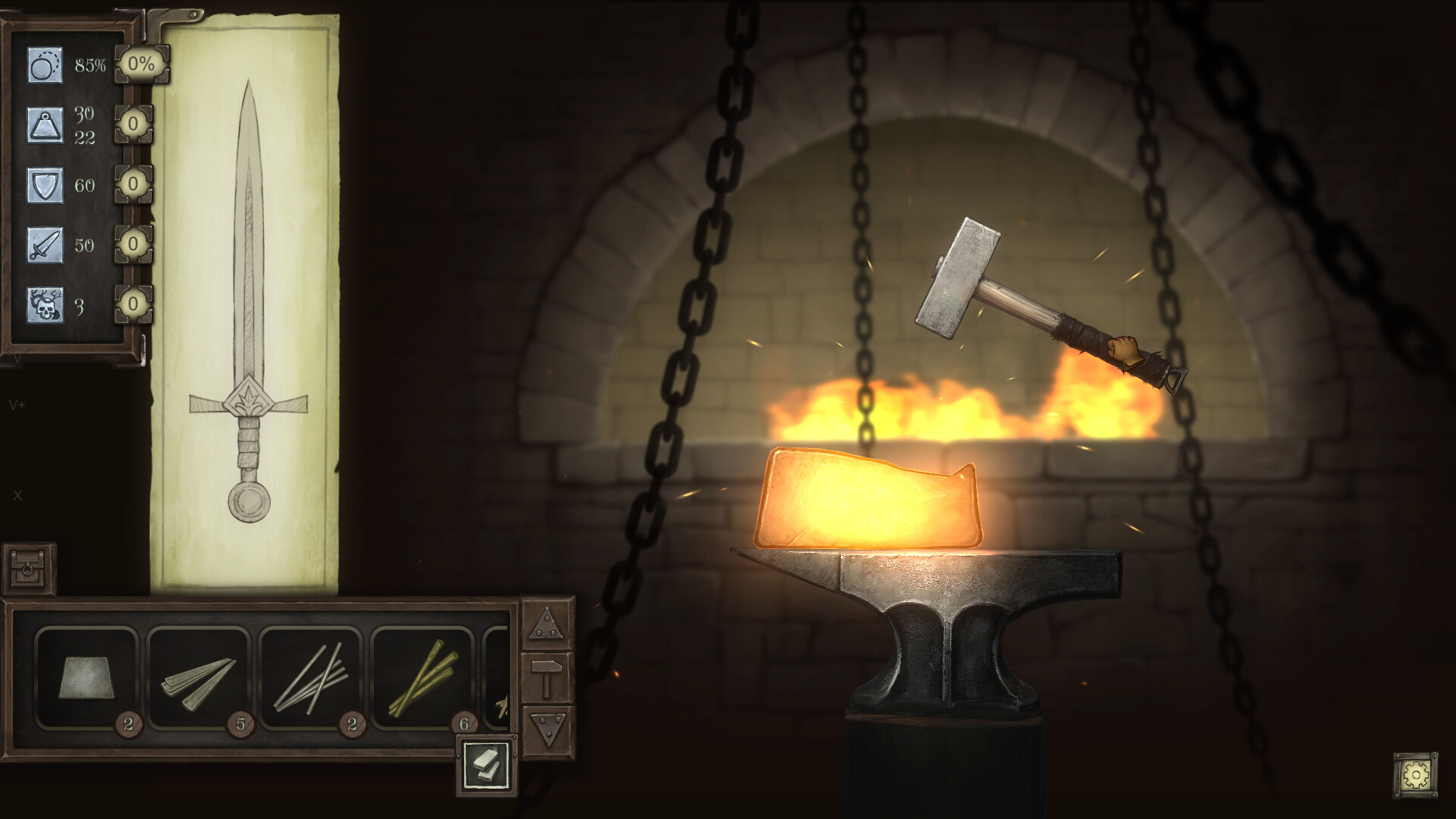
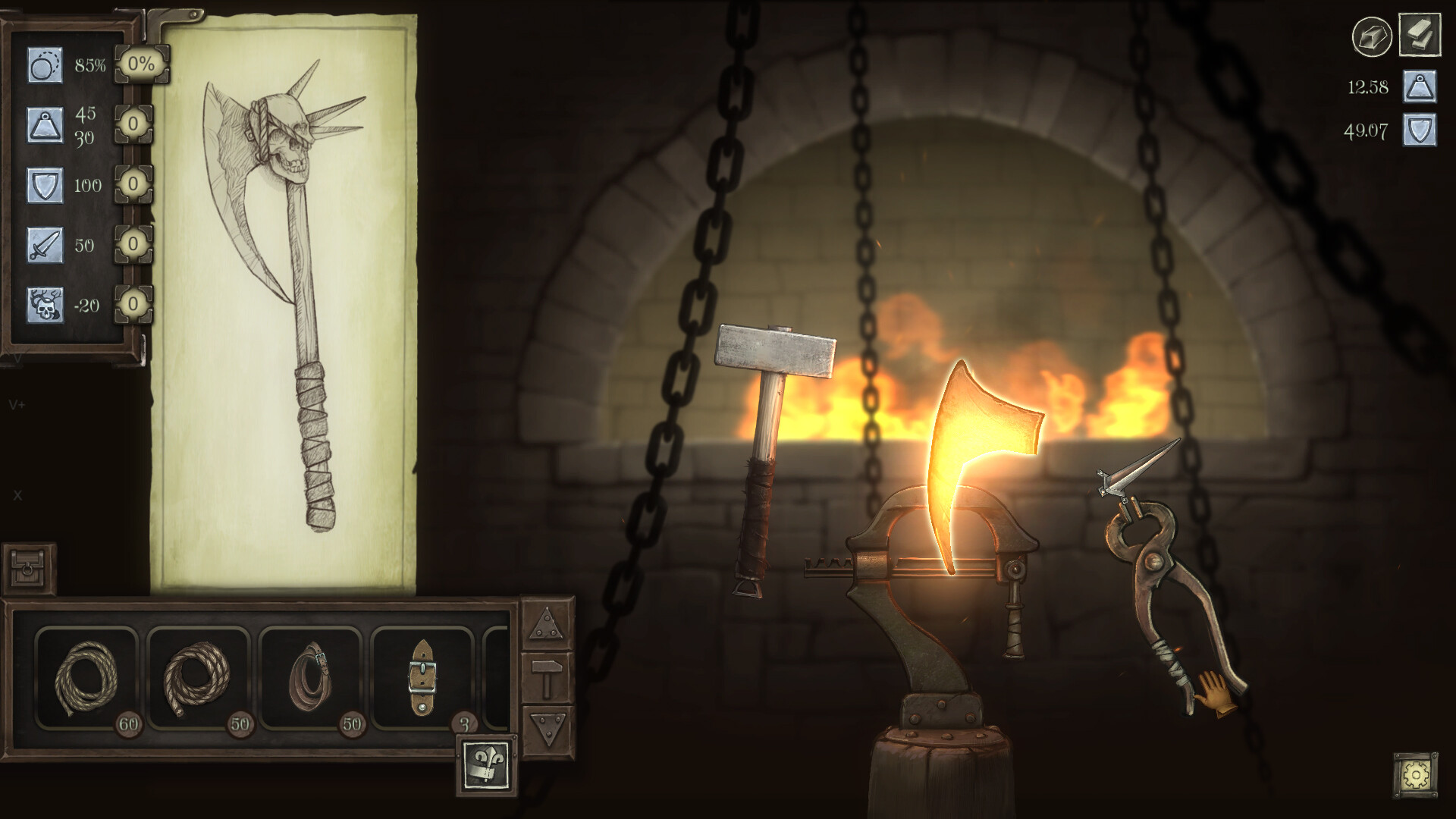
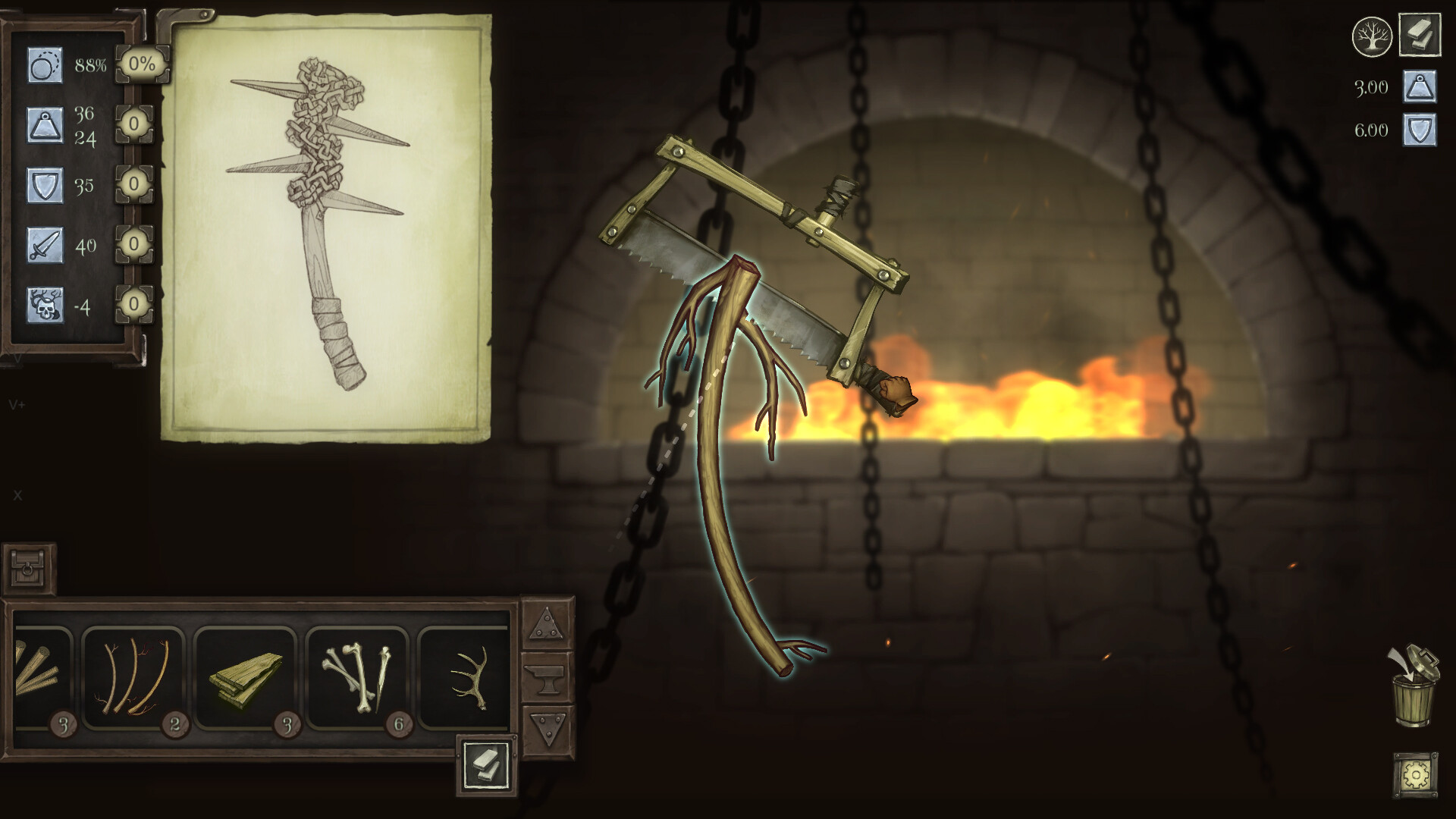
The core loop requires you to physically grab the hammer and strike a workpiece, producing sparks as you flatten or bend metal. Wood and bone are cut by holding a saw handle and moving it back and forth, while ropes are tied and chains attached using simple interactions.
Levers on tongs are pushed, flasks are poured onto blanks, and potions spill to affect the material. Each action is performed directly, emphasizing manual timing over automated processes.
- Observe how each strike changes the metal’s shape; small adjustments can reduce the number of hits needed.
- Try combining cutting and hammering in a single session to keep workflow smooth.
02 / THE GUIDE
Materials and Resources
You work with metal, wood, and bone, each requiring different tools: hammers for metal, saws for wood, and ropes or chains for assembly. The properties of these items become clear when they interact with each other in recipes.
Finding useful items during exploration adds new possibilities to the forge, letting you experiment with fresh combinations of material and technique.
- Collect a range of raw materials on each outing; variety expands your crafting options.
- Notice how wood behaves under the saw to plan efficient cuts.
03 / THE GUIDE
Spells and Potions
Magic enters the workshop through potions, flasks, and spell books. You can spill potions onto blanks and use magic books to enchant blades, shields, and armor, adding a supernatural layer to ordinary crafting.
Enchantments are applied manually, requiring you to bring the appropriate flask or book to the workpiece.
- Experiment with different potion types on the same base item to compare effects.
- Use spell books after the basic shape is formed to avoid wasting magical resources.
04 / THE GUIDE
Free‑to‑Play Forge Mode
Beyond the story‑driven orders, the game offers a free‑to‑play forge mode where you can experiment without narrative constraints. The game offers over 100 unique and repeatable schemes alongside this mode.
The mode is separate from the main adventure, focusing purely on the crafting experience and offering a place to practice techniques.
- Use forge mode to master complex schemes before tackling ordered commissions.
- Track which schemes you repeat most to identify personal strengths.
05 / THE GUIDE
Dwelling and Forge Upgrades
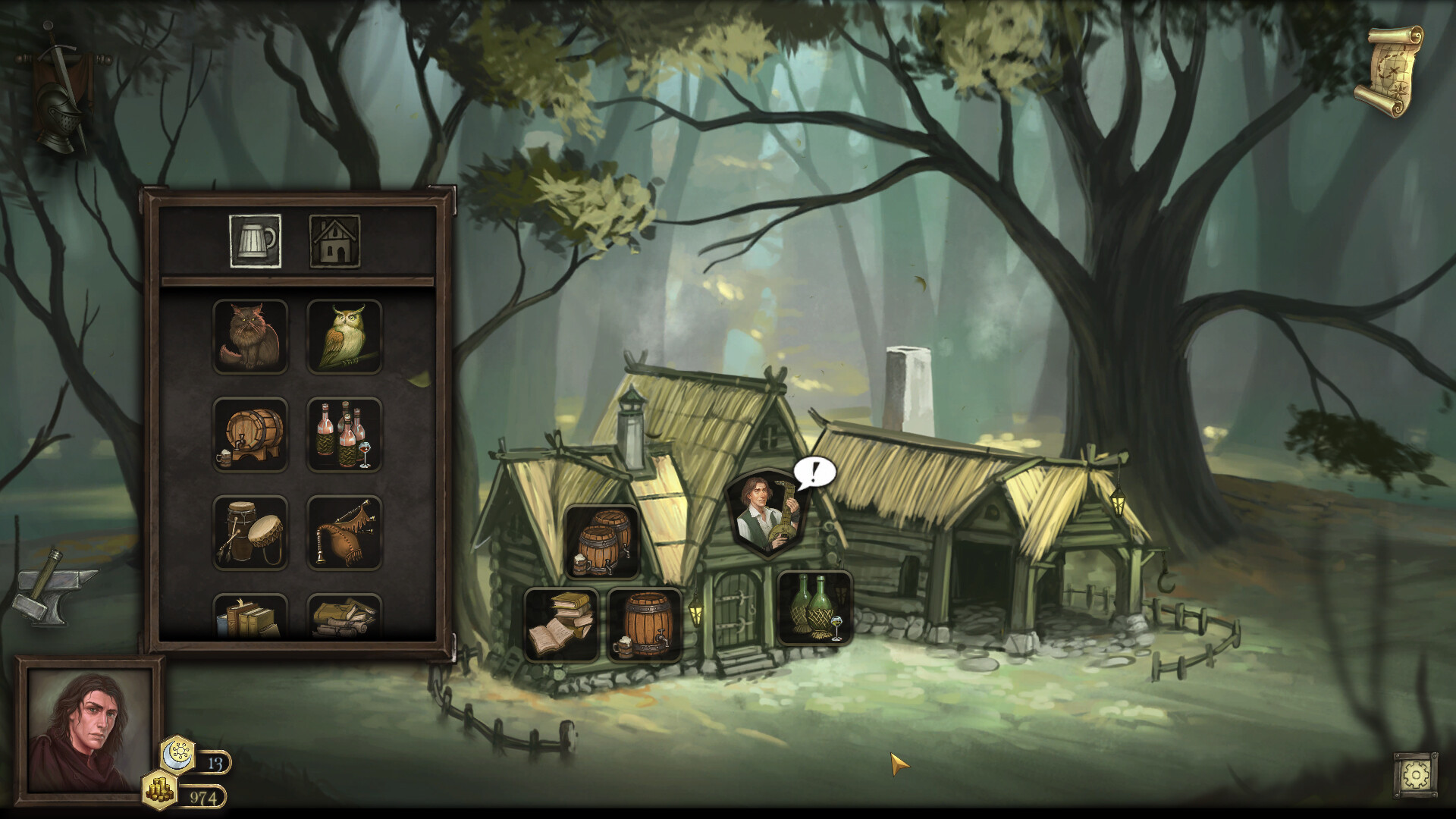
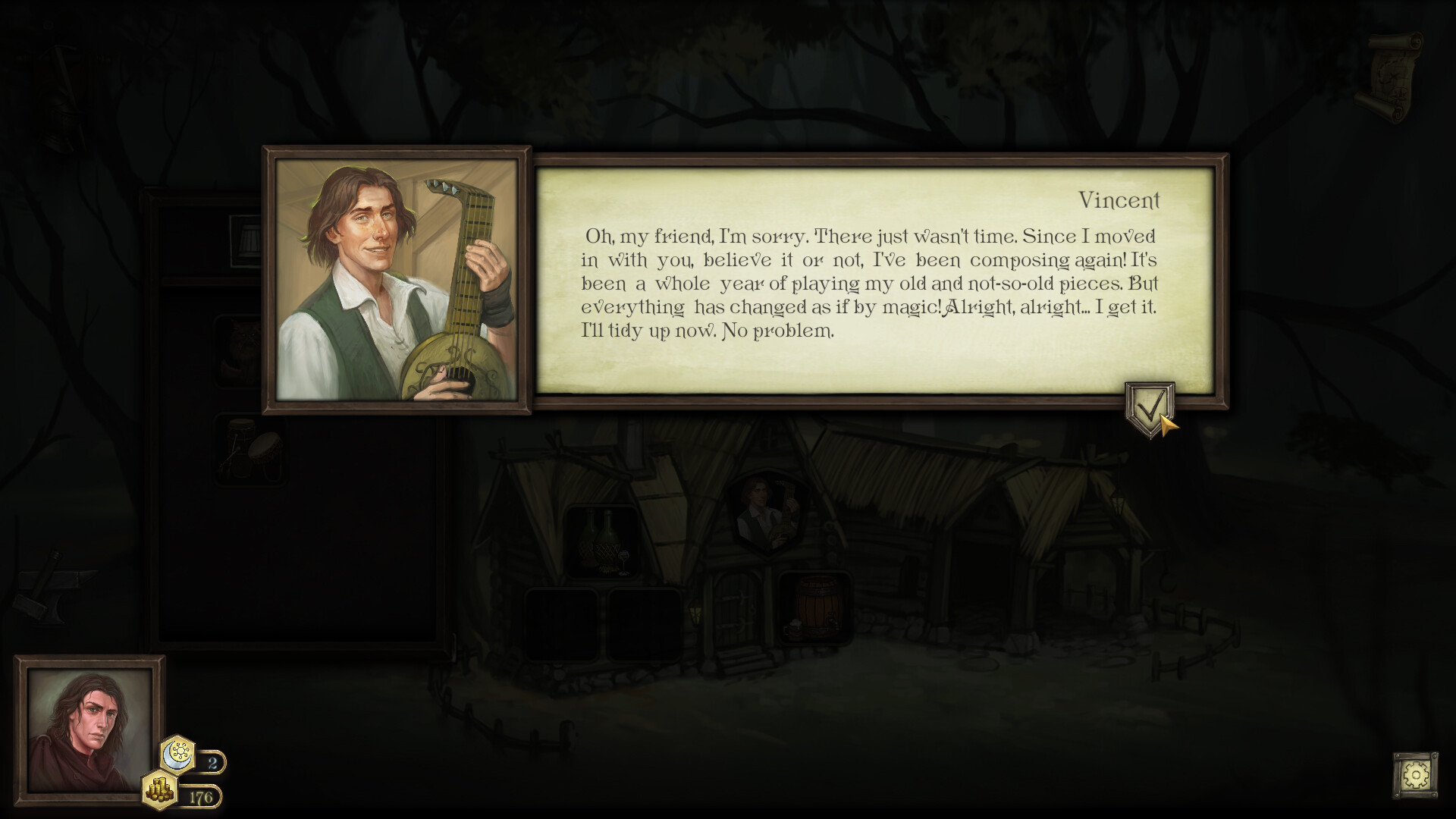
As you complete orders and explore, you can upgrade your dwelling and forge, expanding your workspace as you discover useful items and recruit friends who are willing to help.
For example, dwarves become more willing to work if you place a couple of kegs of beer in the house, showing how environmental changes affect assistance.
- Prioritize upgrades that add new tool stations to reduce movement between tasks.
- Add small comforts, like beer for dwarves, to improve helper availability.
COMMUNITY
Player discussion