 GameWiki

GET YOUR BEARINGS
About Black Myth: Wukong
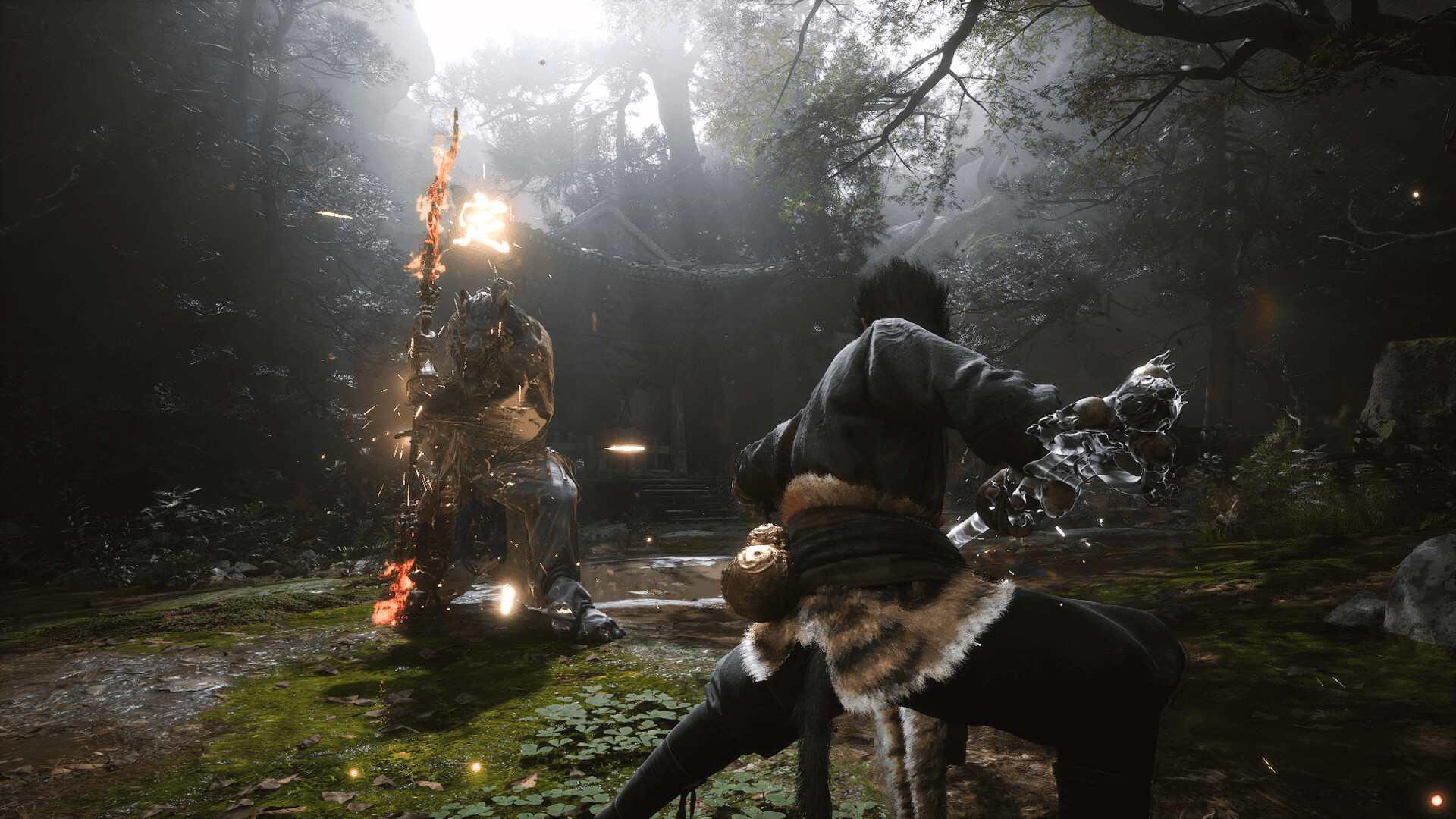
Black Myth: Wukong is an action RPG rooted in Chinese mythology and Journey to the West. As the Destined One, you move through hostile landscapes, meet unusual characters, and fight enemies whose attack patterns reward observation. Staff combat sits at the center of the action, supported by stances, spells, transformations, equipment, and carefully timed recovery.
This wiki concentrates on learning those systems without exposing later story outcomes or presenting a supposedly universal boss sequence. The purpose of a new ability is to answer a problem you can identify in a fight. Understanding that problem makes it easier to choose upgrades and to recognize when exploration will help more than another unchanged attempt.
01 / THE GUIDE
Build staff combat around stamina and spacing
Practice a short light-attack sequence and the movement needed to leave afterward. Avoid treating every apparent pause as permission to finish the longest available combination. A boss may be delaying its follow-up, and spending the remaining stamina to attack can remove the defensive response you need when that follow-up arrives.
Use spacing to make the next exchange readable. Stay close enough to recognize the enemy's approach without constantly crossing through its attacks. If repeated dodges move you into the same hazard, change the direction or timing you are testing rather than simply increasing the number of inputs. Learn the shape of the sequence before trying to punish every individual swing.
- Keep enough stamina to respond after the chosen punish.
- Practice leaving a short combo safely.
- Change dodge direction deliberately when the same follow-up catches you.
02 / THE GUIDE
Choose a stance for the opening you actually have
Staff stances alter how you approach reach, timing, and heavier commitments. Start with one familiar stance so that you can separate your own attack recovery from the enemy's behavior. Explore another stance when it solves a visible problem, such as reaching an opening your current sequence misses or using a different position around the target.
Treat Focus as part of a plan rather than an instruction to spend immediately. Read the current stance and skill descriptions, build the resource through actions you can perform safely, and wait for a suitable heavy-attack opportunity. A charged attack that whiffs or collides with the enemy's response does not become efficient merely because the resource was available.
- Learn one stance's useful range before frequently switching.
- Read the skill description after changing an important upgrade.
- Spend Focus during a recognized opening.
03 / THE GUIDE
Give spells, spirits, and transformations distinct jobs
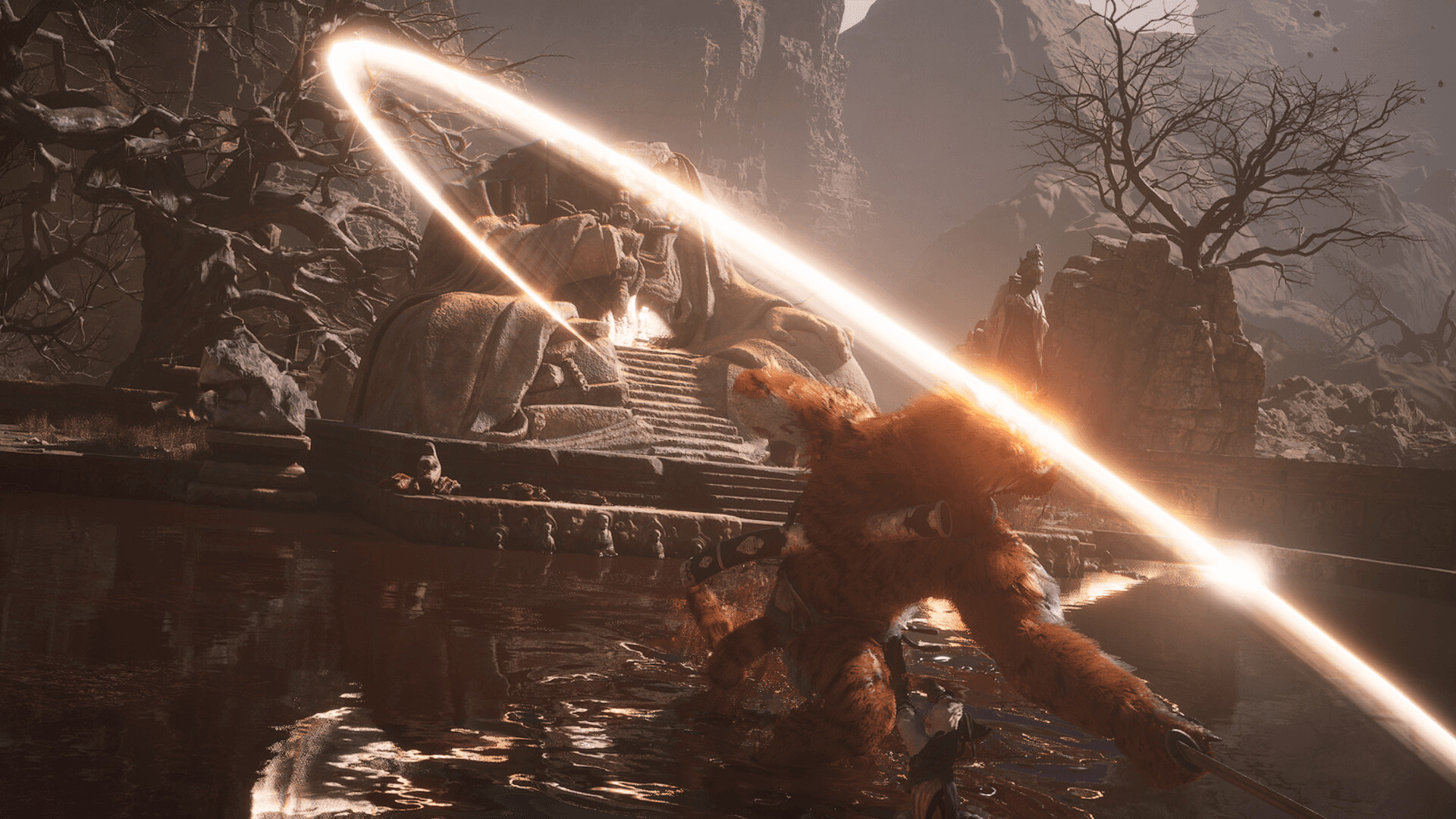
Read the resource and timing rules of each equipped ability. A spell that creates an opening, an option that helps you reposition, and a transformation do not have to be used at the same moment. Decide which tool handles the move that currently causes trouble, and keep it available until that problem appears.
Test abilities in an encounter you understand before expecting them to rescue an unfamiliar boss attempt. Notice the activation, the distance covered, and what happens as control returns to normal staff combat. If an ability requires a setup, include that setup in your plan rather than comparing only the damage at the end of a successful demonstration.
- Read mana and other resource requirements before a fight.
- Keep one answer for a predictable dangerous sequence.
- Practice the transition back into ordinary staff movement.
04 / THE GUIDE
Prepare the gourd, equipment, and recovery window
Use Keeper's Shrines to review available preparation and return routes. Check the gourd and its related loadout options alongside your armor, staff, and consumables. A change to recovery can matter as much as another offensive option when most attempts end before you can use the tools you already carry.
Choose a healing window based on the enemy's recovery and your position. Drinking immediately after a hit can expose you to the next part of the same attack string. If a boss repeatedly interrupts recovery, spend an attempt identifying an ending that leaves time to heal, then build your next exchange around reaching it.
- Review recovery equipment before repeating a difficult boss.
- Prepare consumables before entering the arena.
- Learn one safe healing opportunity instead of reacting to every hit.
05 / THE GUIDE
Explore side routes and make upgrades answer a problem
Check branches, paths behind arenas, and landmarks that connect back toward a shrine. Record an unresolved interaction with its location and the information you already have. Returning after finding an item or gaining a clearer understanding can be more productive than searching every visible surface repeatedly during the first visit.
Before spending upgrade resources, identify the constraint: survival, recovery, attack range, resource management, or recognizing the encounter. Choose a change aimed at that constraint and test it while keeping other decisions familiar. If a fight stops producing new information, explore an unfinished branch and return with a concrete idea rather than another completely different loadout.
- Record unresolved side routes in your own words.
- Compare an upgrade with the cause of recent failed attempts.
- Test one meaningful change before replacing the rest of the setup.
COMMUNITY
Player discussion