 GameWiki
GET YOUR BEARINGS
About Biphase
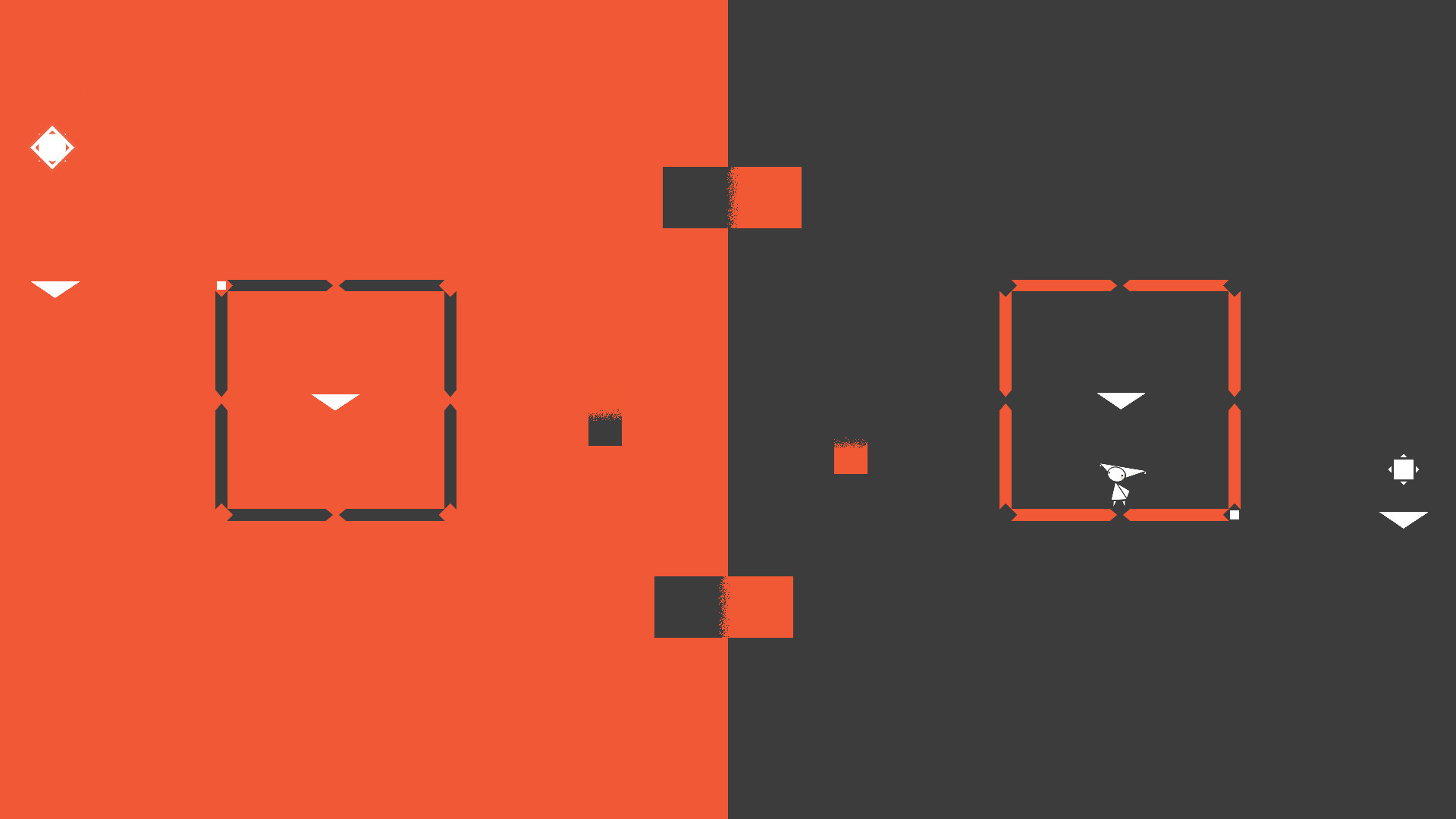
Biphase is a 2D platform‑jumping game that blends exploration and puzzles. Players move a single character, switch the background between red and black, and interact with elements that change state depending on the current colour. The visual contrast represents manic and depressive moods.
Developed by Seasun Seed and several university students, the free‑to‑play title runs on Windows and offers partial controller support and Family Sharing. Its narrative draws on real‑case stories to illustrate bipolar disorder and to encourage empathy toward those affected.
01 / THE GUIDE
Dual‑Phase Mechanics
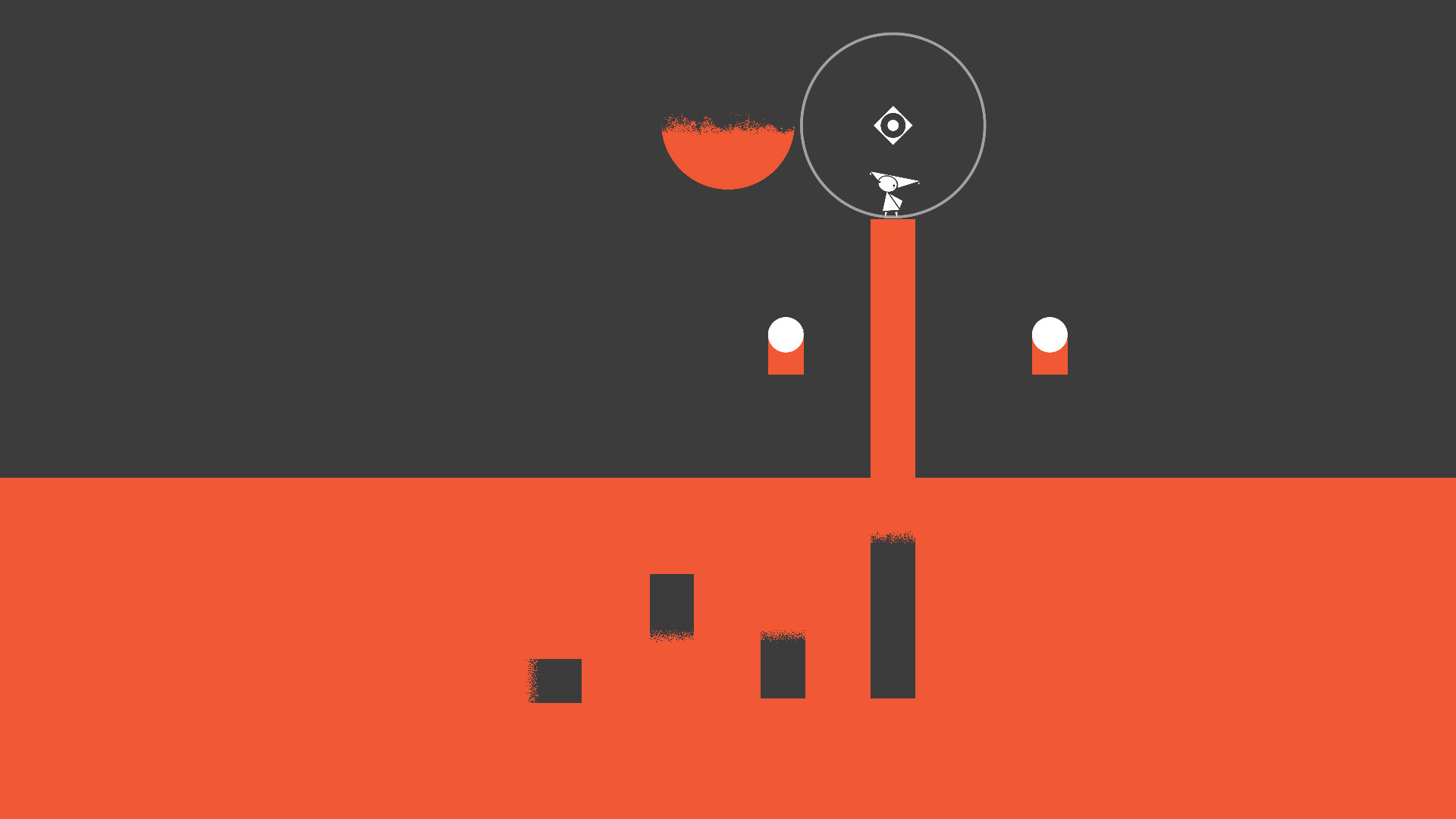
The core mechanic lets the player move left, right and jump while jumping to change the background colour between red and black. When the background colour matches a scene component, that component becomes non‑interactive; when the colours differ, it becomes usable.
Progress requires timing jumps and switches so that platforms appear in the opposite colour phase. This creates a rhythm of colour‑based navigation that mirrors the shifting emotional states the game portrays.
- Watch which elements disappear when the background matches their colour before planning a route.
- Activate a switch just before a jump to ensure the landing platform is active.
02 / THE GUIDE
Narrative Context
The story follows an individual with bipolar disorder navigating an abstract world of red and black mental images. Red and black stand for the manic and depressive poles of the condition, providing a visual metaphor for the character’s experience.
The narration is based on real cases around the player, aiming to trigger empathy and promote a more tolerant public attitude toward bipolar patients.
- Consider how each colour shift changes the emotional tone of the scene.
- Reflect on the metaphorical link between colour changes and mood swings.
03 / THE GUIDE
Puzzle Design
Puzzle levels rely on the red‑black dichotomy. Components fade into the background when their colour matches the current phase, preventing interaction. Switching to the opposite phase reveals them as usable obstacles or pathways.
Players must anticipate colour alignment, creating a loop of exploration that reflects the fluctuating nature of bipolar moods.
- Map the layout in one colour before switching to test possible routes.
- Use visual cues to predict which elements will become active after a switch.
04 / THE GUIDE
Accessibility Features
Biphase includes partial controller support, allowing a gamepad to be used for movement and actions alongside the default input method. This broadens accessibility without specifying exact control schemes.
Family Sharing lets multiple Steam accounts access the same game copy, so friends or relatives can each play the single‑player experience without buying additional copies.
- Try both controller and default input to see which feels more comfortable for precise jumps.
- Check the Family Sharing settings if you want to let another account launch the game.
05 / THE GUIDE
Development Intent
Created by Seasun Seed and several college students, the project’s goal is to depict bipolar disorder realistically and encourage tolerance. The developers give special thanks to the Depression and Bipolar Support Alliance in the credits.
Positioned as a free‑to‑play indie title, Biphase pairs its educational message with accessible gameplay to reach a broad audience.
- Visit the DBSA website to learn more about the condition the game represents.
- Appreciate the indie origins as part of the game’s authentic voice.

COMMUNITY
Player discussion