 GameWiki
GET YOUR BEARINGS
About Aurora: A Child's Journey
Aurora: A Child's Journey is a short, emotional single‑player adventure that follows a child named Aurora as she confronts the aftermath of a massive environmental disaster. The narrative blends reality with her imagination, letting players experience her quest to uncover the cause of the destruction and seek a solution.
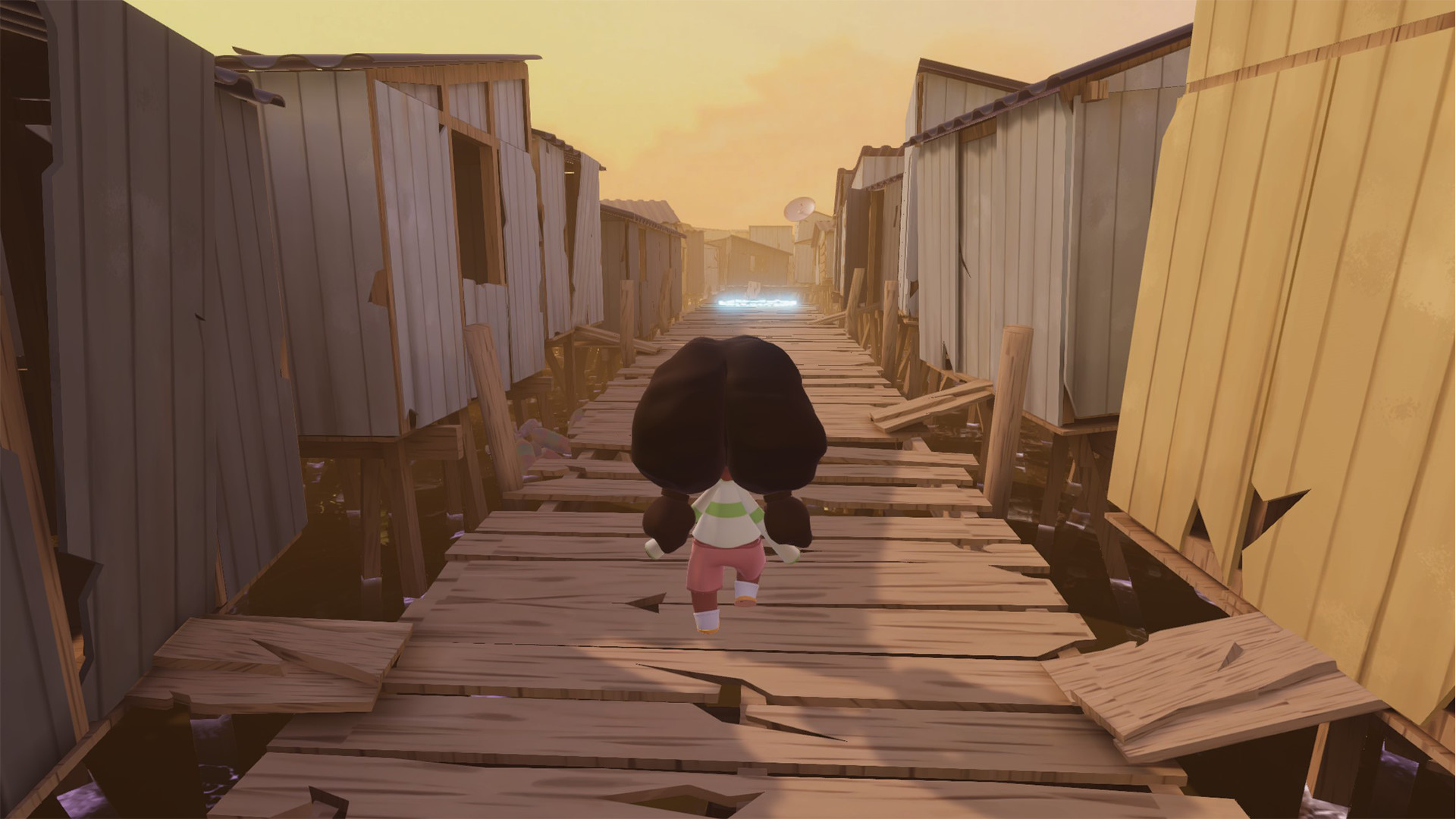
The game features striking environments, beautiful graphics, and an immersive soundtrack, all designed to support the heartfelt story. Players help Aurora by jumping on stilts, evading a large aquatic monster, operating factory machines, and using imagination‑based puzzles to change reality.
01 / THE GUIDE
Story and Themes
The game tells a simple, sincere, and moving story about environmental disaster seen through a child's eyes. Aurora is determined to help her community and the environment, mixing reality with imagination to explore cause and solution.
The narrative focuses on themes of responsibility, hope, and the power of imagination to confront real‑world problems, offering an emotional journey rather than combat‑focused gameplay.
- Observe how the story uses Aurora's imagination to shift scenes; it often signals a puzzle solution.
- Consider the emotional tone when exploring new areas; the environment reflects the narrative’s themes.
02 / THE GUIDE
Gameplay Mechanics
Players assist Aurora by jumping through stilts, running from a huge aquatic monster, and moving machines in a factory. The core interaction involves using imagination to alter reality, solve puzzles, and discover the fire’s source.
The mechanics are presented as simple actions tied to narrative moments, emphasizing exploration and puzzle solving over combat or complex systems.
- When faced with a puzzle, try using imagination‑based actions first; they are central to progression.
- Watch the monster’s patterns during the chase sequence to learn how to stay out of its reach.
03 / THE GUIDE
Visual and Audio Presentation
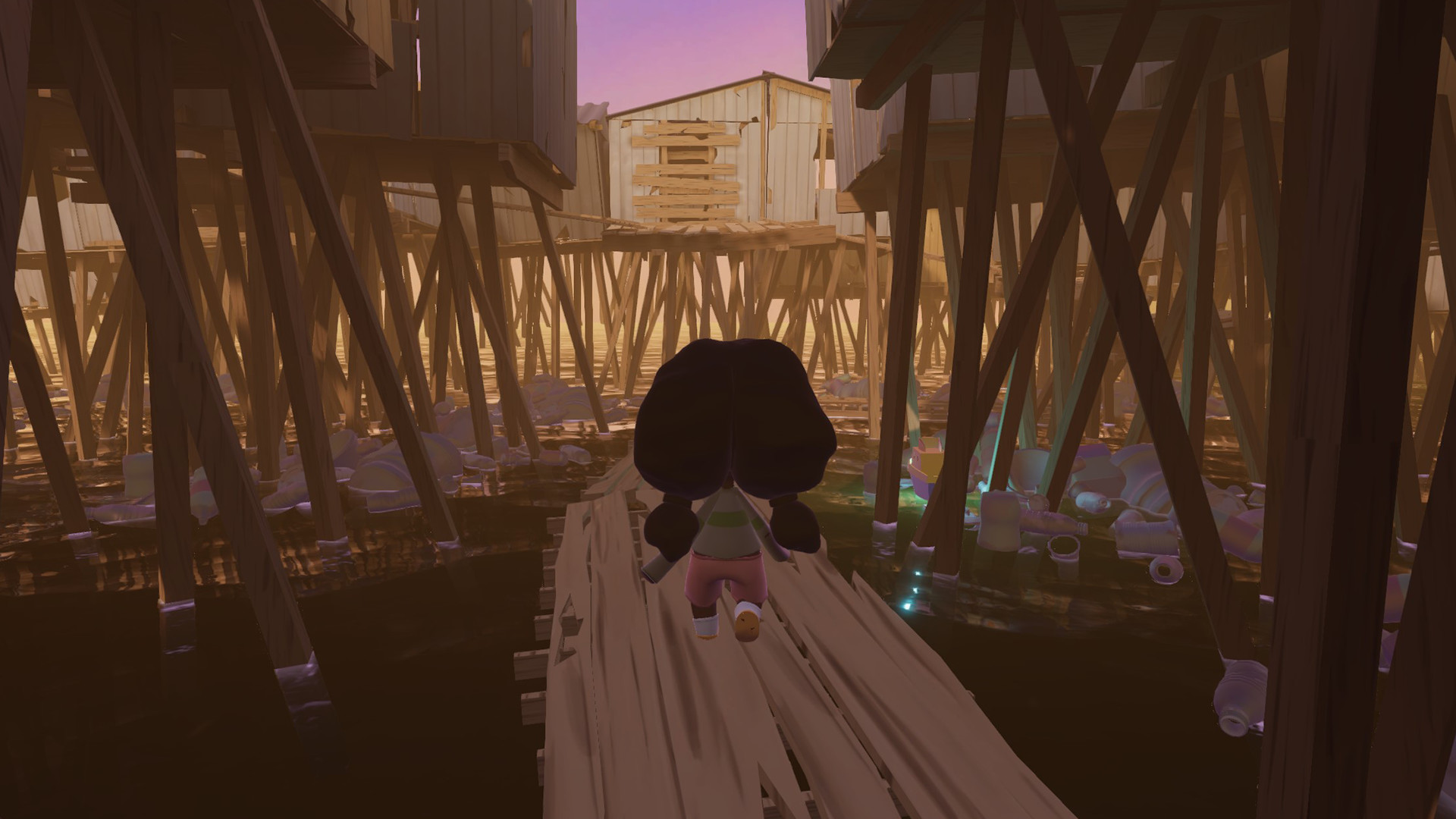
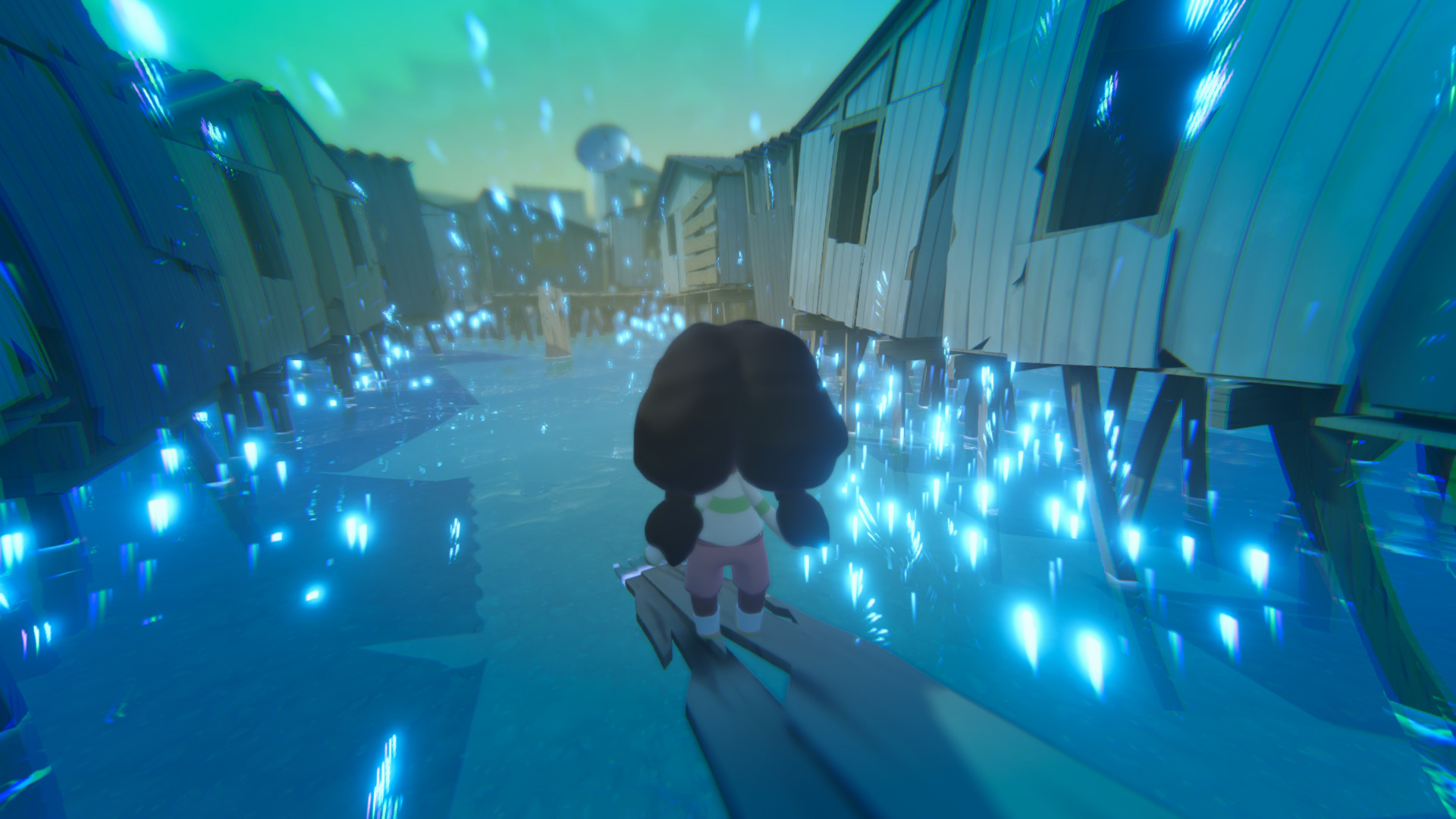
The game showcases stunning environments and beautiful graphics that reinforce its emotional tone. Each scene is crafted to reflect the blend of reality and imagination, creating a vivid backdrop for Aurora’s journey.
An immersive soundtrack accompanies the visuals, enhancing the atmosphere and supporting the narrative’s emotional beats without relying on dialogue‑heavy exposition.
- Pay attention to visual cues; changes in lighting often indicate a shift in imagination.
- Listen to the soundtrack for subtle hints about upcoming puzzle elements.
04 / THE GUIDE
Platform and Accessibility
Aurora: A Child's Journey is available on Windows and supports full controller input, allowing players to choose their preferred method of interaction. The game is single‑player and includes family sharing, enabling multiple accounts to access the same purchase.
No other operating systems are listed, and the description does not specify additional input options beyond controller support, keeping the experience focused on a single-player adventure.
- If using a controller, test both analog sticks and buttons for movement and puzzle interaction.
- Family sharing lets another household member play without buying a separate copy.
05 / THE GUIDE
Business Model
The title is classified as free‑to‑play, indicating that players can download and start the game without an upfront purchase. No paid upgrades, unlocks, or mandatory microtransactions are described in the source material.
Being free‑to‑play aligns with the indie nature of Luski Game Studio, focusing on delivering the narrative experience to a broad audience without a price barrier.
- Since the game is free‑to‑play, explore all story segments without concern for hidden costs.
- Check the main menu for any optional content that may be offered later.

COMMUNITY
Player discussion