 GameWiki

GET YOUR BEARINGS
About Ancient Cities
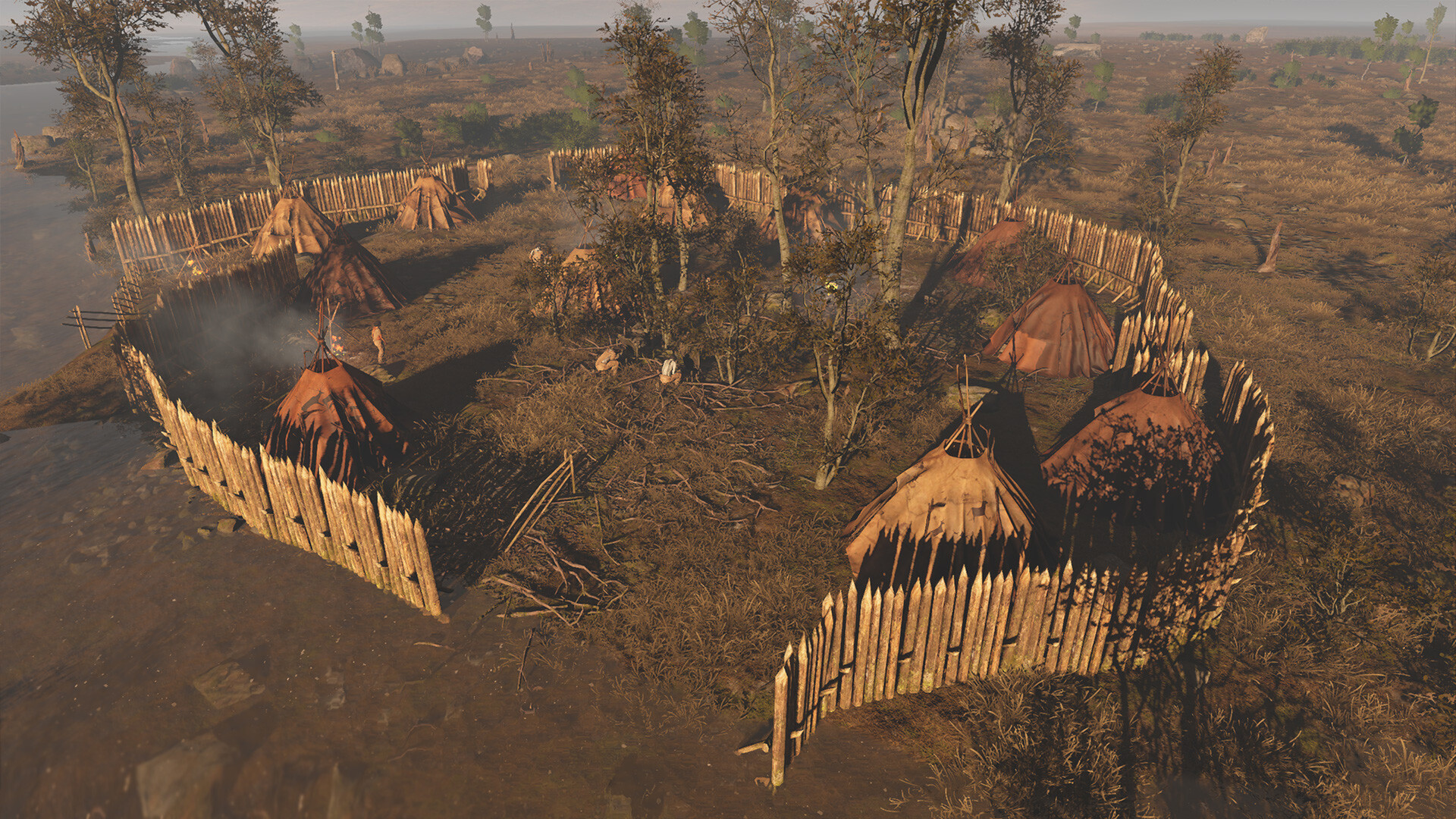
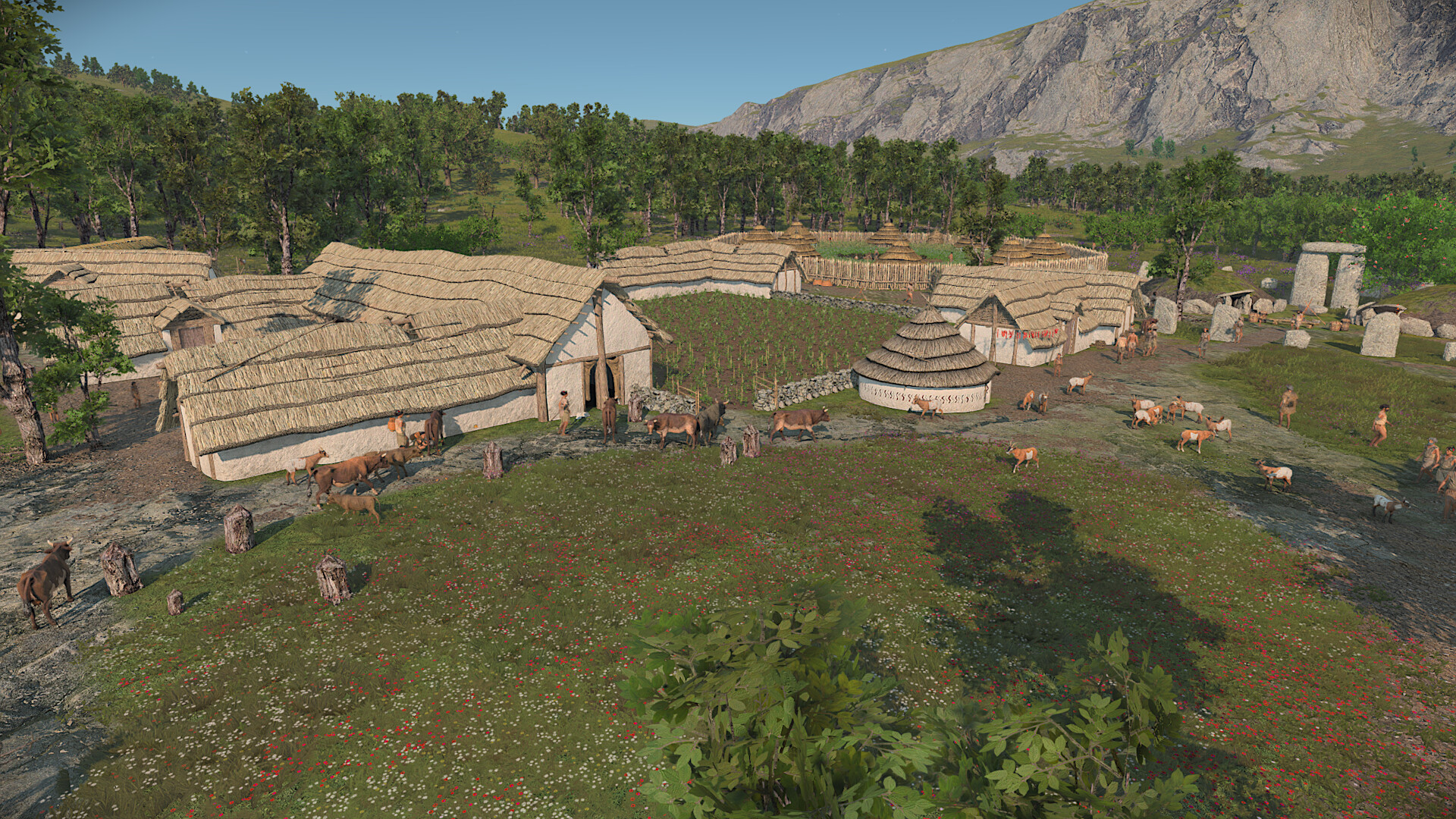
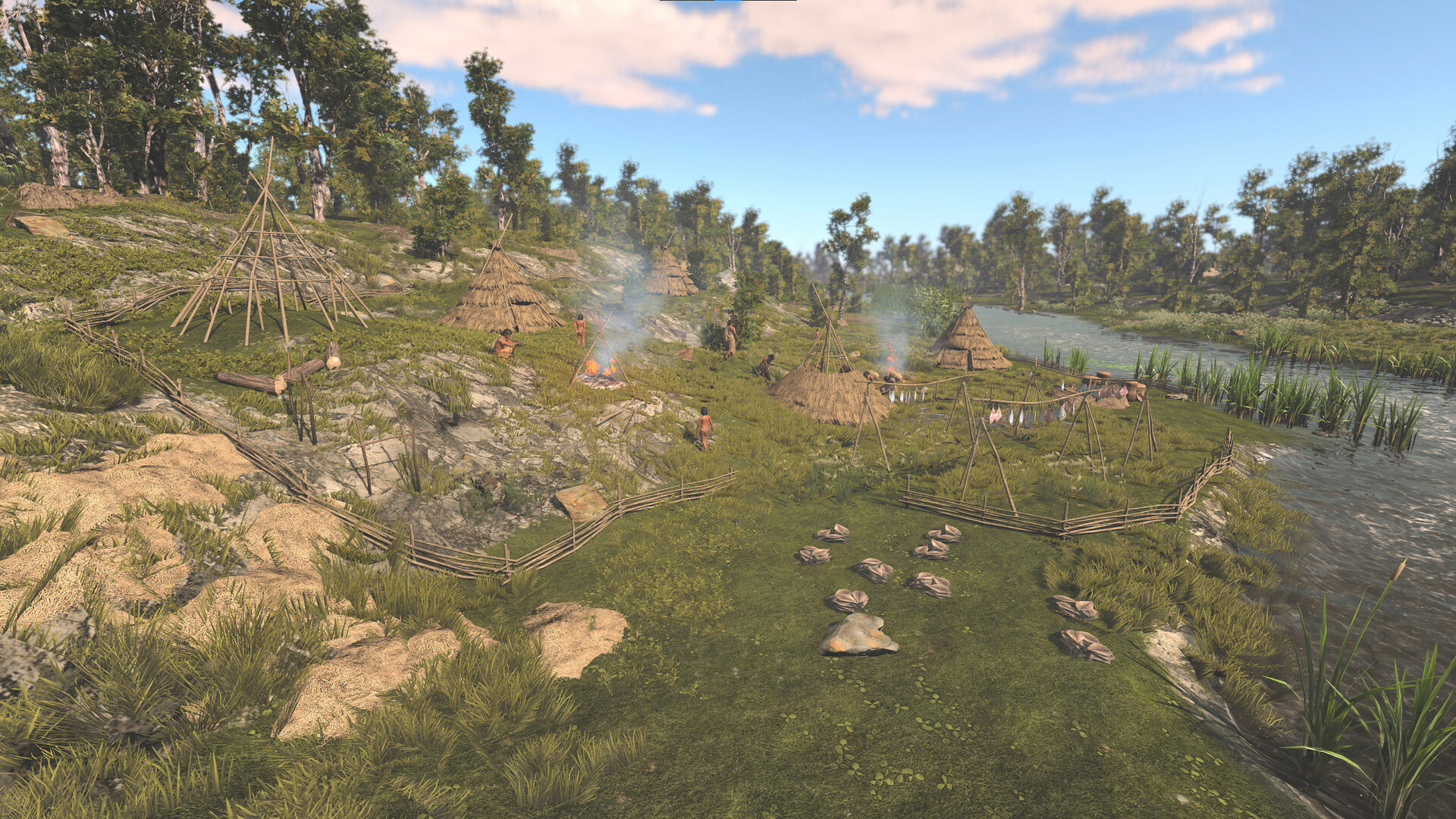
Ancient Cities places you in a lifelike survival city‑building sandbox that spans the European Stone Age. You oversee a tribe across many generations, steering technological progress, resource use and population growth while your settlement expands organically.
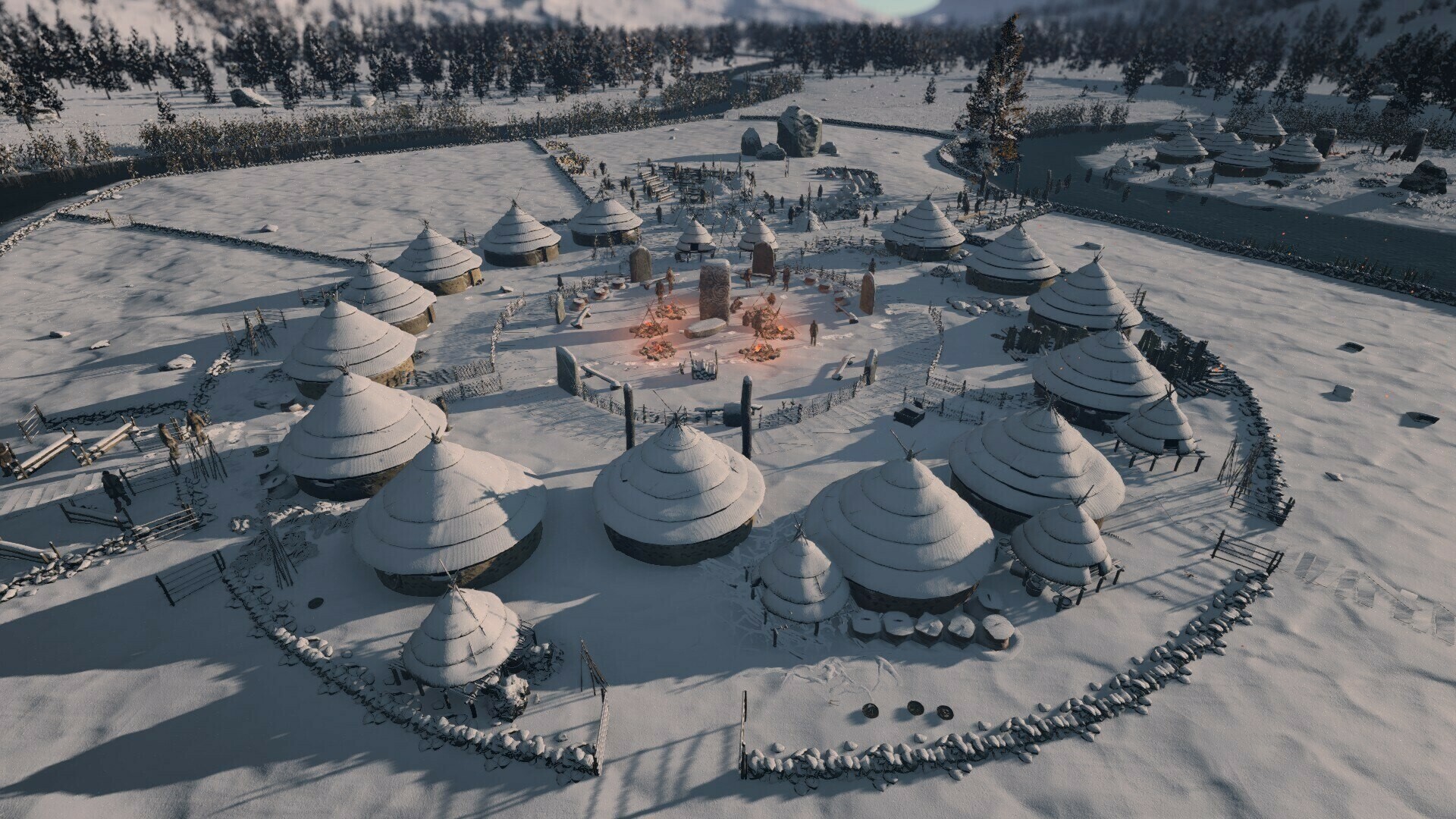
The game covers a range of historic climates—from sun‑lit Mediterranean coasts to frigid Scandinavian lands—each populated with period‑accurate flora, fauna, tools and structures. A regional layer adds trade, conflict or migration options, and built‑in automation eases routine management.
01 / THE GUIDE
Procedural World
Every new game creates a landscape generated from the Stone Age timeline, letting you start in any European locale from the late Ice Age to the end of the Neolithic. The terrain, climate and available assets differ each playthrough, shaping early decisions.
These generated settings include historically faithful forests, animal species, building styles and toolsets that reflect the chosen culture, ensuring each region feels distinct and requires tailored strategies.
- Survey the surrounding terrain before committing to a building site to gauge resource distribution.
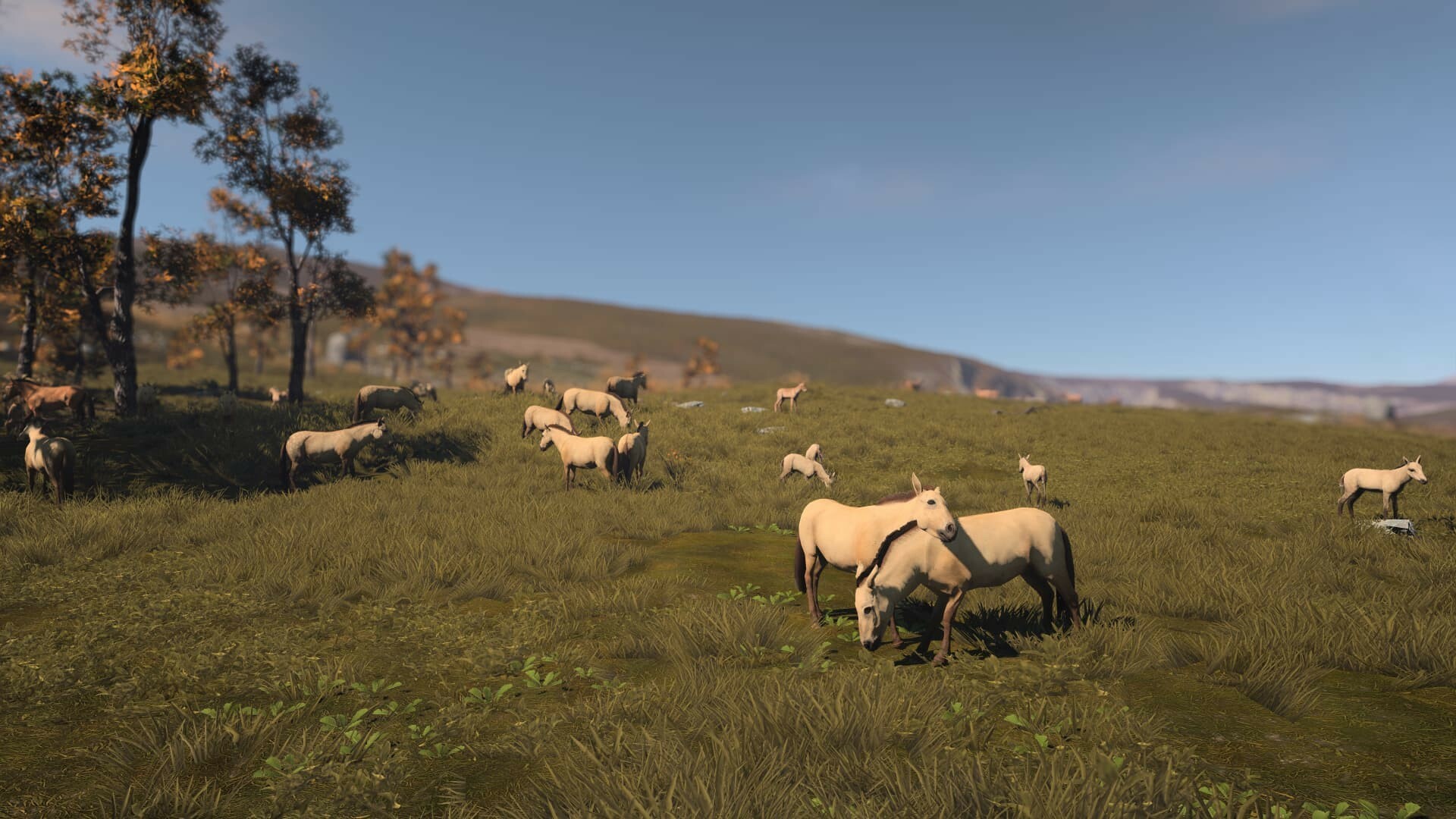
- Test multiple regions to see how climate influences the types of wildlife you can harvest.
02 / THE GUIDE
Technology and Resources
Progress hinges on uncovering new techniques and improving existing ones while keeping a careful balance between material consumption and the growing populace. Each advancement opens fresh ways to obtain or process the era‑specific supplies you depend on.
Because resources are tied to both period and location, selecting technologies that boost efficiency early can dramatically affect the sustainability of your settlement as it expands.
- Target early research that enhances the yield of your most abundant resource.
- Monitor population trends to avoid depleting nearby supplies.
03 / THE GUIDE
Regional Interaction
Beyond the city limits, the game features a broader layer where neighboring tribes can be approached for commerce, confrontation, or relocation when local supplies dwindle. These choices influence both your tribe’s trajectory and the surrounding ecosystem.
Each option carries distinct consequences: trade can provide needed goods, conflict may yield immediate spoils, and migration opens access to richer lands but requires careful planning.
- Weigh the long‑term stability of trade against the short‑term gains of raiding.
- Map potential migration routes that lead to areas with abundant resources.
04 / THE GUIDE
Automation and Skill Matching
The system assigns citizens to duties that align with their personal abilities and knowledge, cutting down on manual micromanagement. This lets you concentrate on strategic planning while the populace handles routine work.
Automation respects each individual’s expertise, so a well‑balanced workforce helps keep critical tasks covered without constant oversight.
- Check the skill distribution of your population to guarantee essential jobs have enough qualified workers.
- Place structures near the resources that match the dominant skills of nearby citizens.
05 / THE GUIDE
Accessibility Features
The title runs on Windows and includes options such as achievement tracking, community‑generated content, adjustable audio levels, variable difficulty and the ability to save at any moment. Audio can be experienced in stereo or surround formats, and family sharing is supported.
These built‑in choices let players tailor the experience to personal preferences and hardware setups, providing flexibility without requiring external modifications.
- Experiment with the difficulty slider to locate a challenge level that matches your desired pacing.
- Fine‑tune the volume settings to suit your audio setup for clearer immersion.
COMMUNITY
Player discussion