 GameWiki

GET YOUR BEARINGS
About 网瘾少年2005 Internet addicted youth 2005
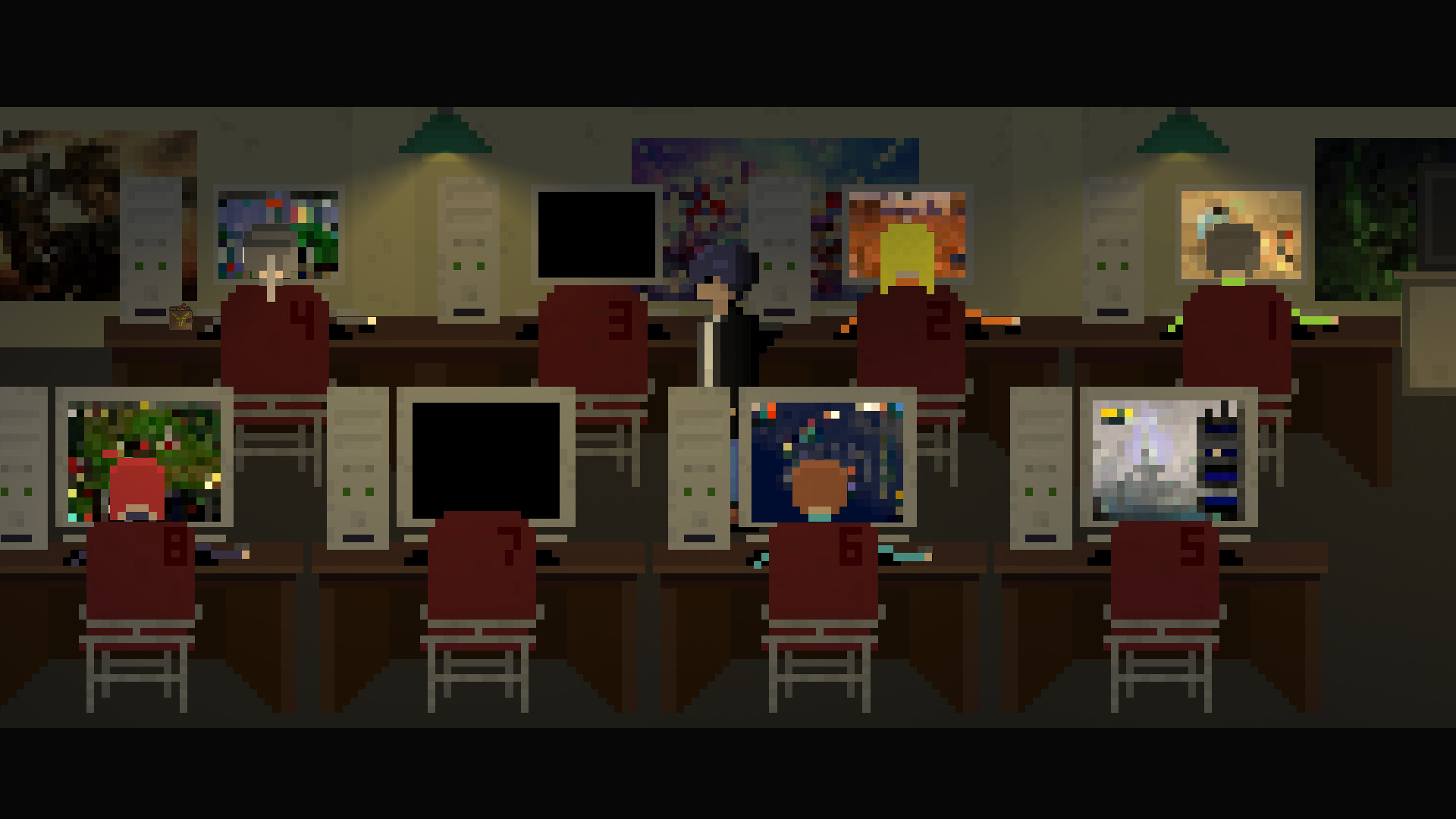
Internet Addicted Youth 2005 is a narrative‑driven RPG that puts you in the shoes of Wang Xiaoleng, a high‑school student whose life revolves around the early‑2000s internet boom. The game recreates the social climate of 2005, when teachers, parents and peers openly condemned online gaming as a dangerous addiction.
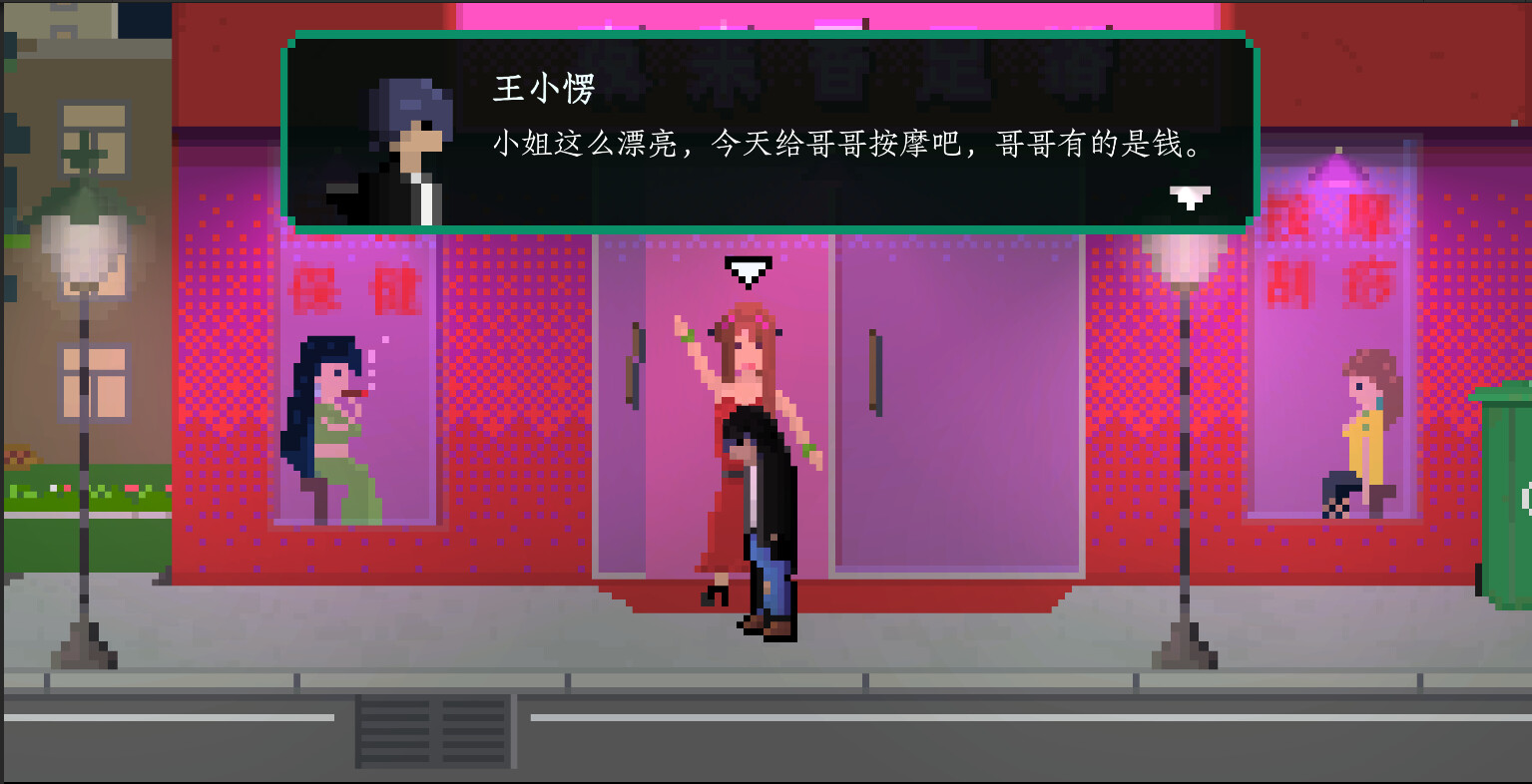
The title blends story moments with custom WarCraft III‑style battles, stealth‑based state switching, light platforming and puzzle sections, all rendered in a simple pixel‑art style. A single‑player experience runs about three to four hours, offering a concise yet emotionally charged journey through the era’s esports hype and societal pressure.
01 / THE GUIDE
Narrative and 2005 Setting
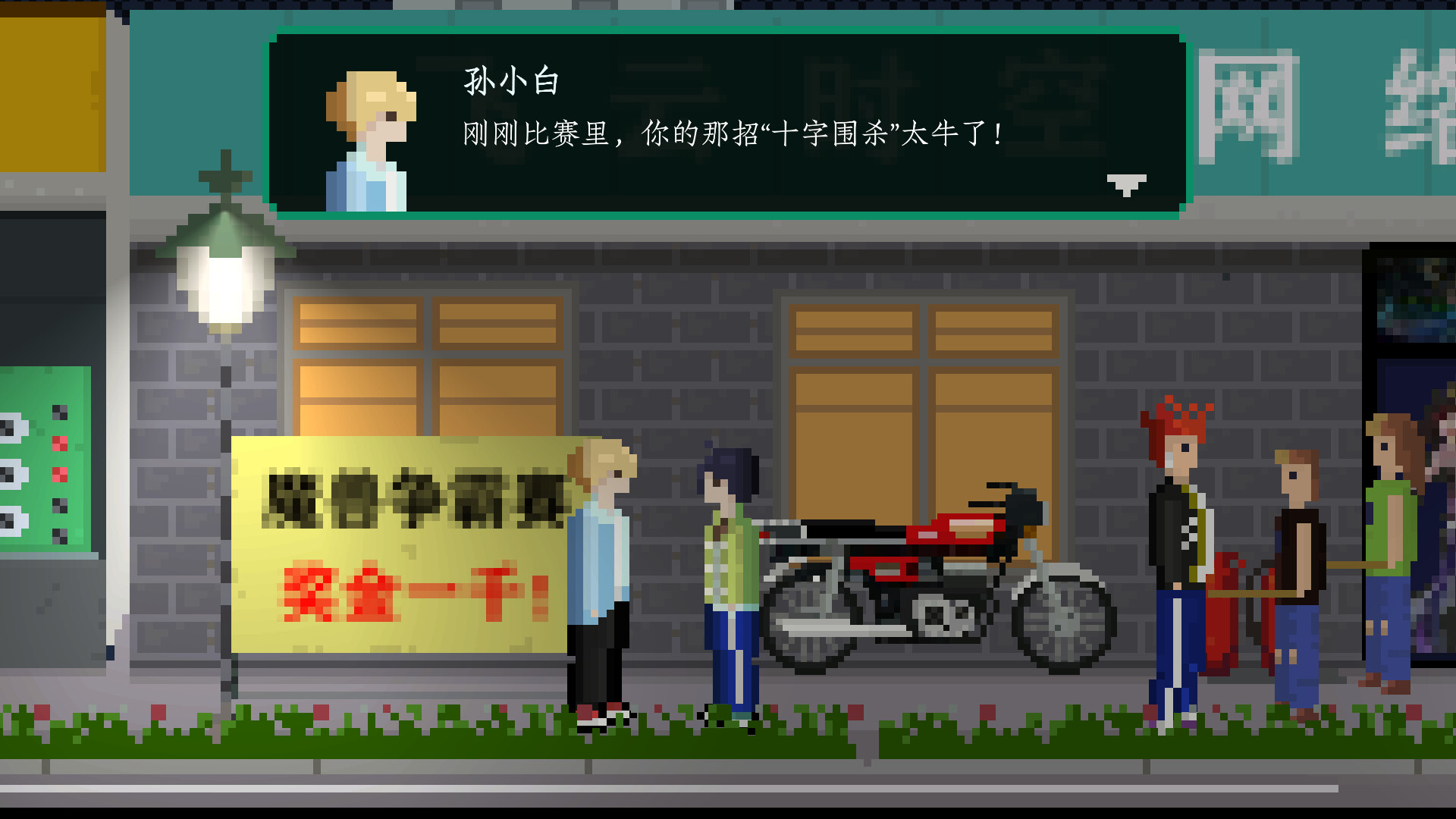
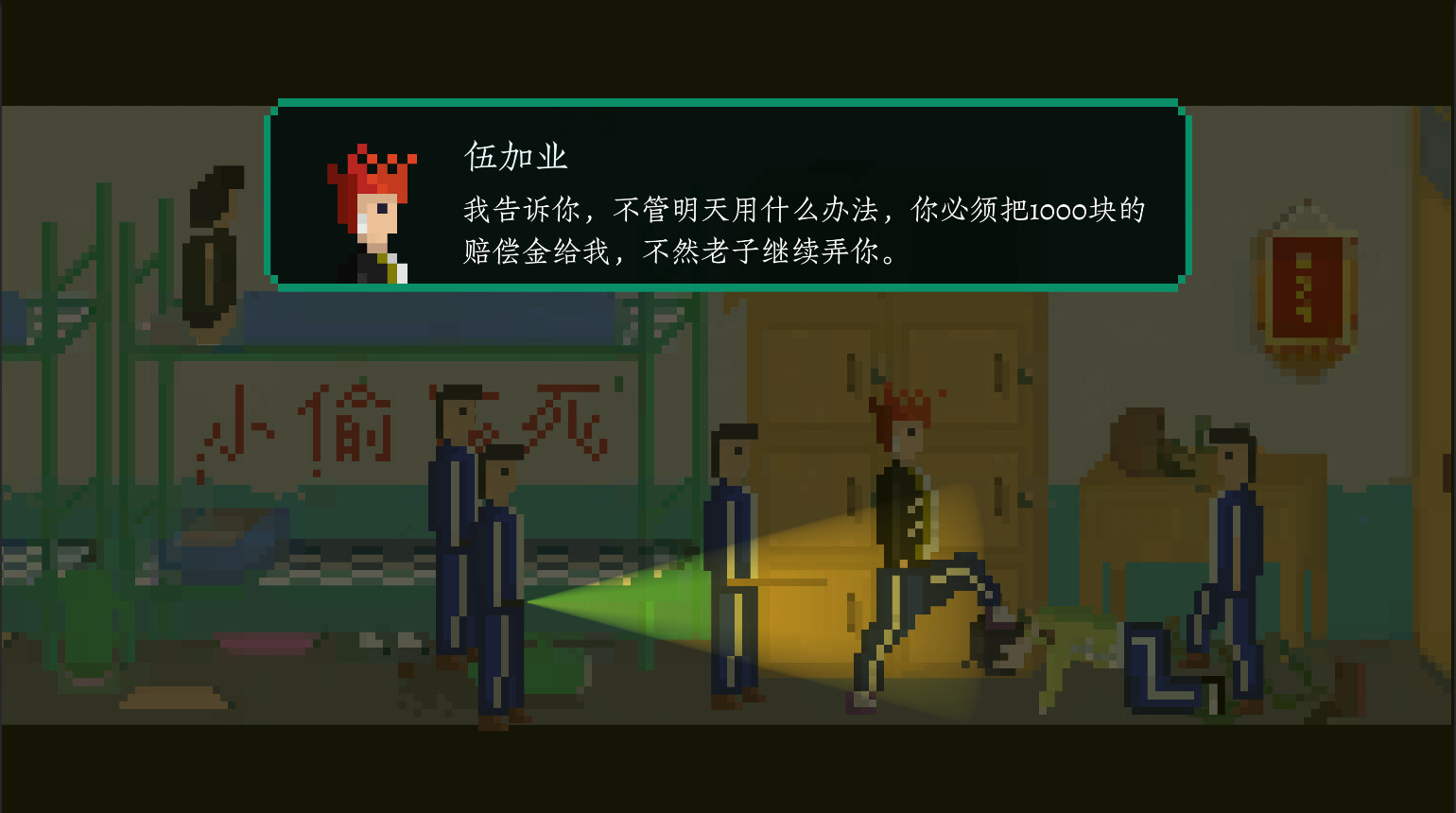
The story unfolds in a small county town during 2005, aligning with the real‑world article "When Teenagers Fall into the Web" that sparked nationwide debate. Players confront criticism from teachers, classmates and parents toward internet addiction and gaming.
Wang Xiaoleng must decide whether to cling to his original beliefs or become a model student obedient to adult expectations, shaping his own future amid the crackdown on online activities.
- Observe how NPC dialogue reflects the era’s attitudes; it deepens the immersion in the period setting.
- Compare the protagonist’s choices with real‑world events of 2005 for deeper immersion.
02 / THE GUIDE
Custom WarCraft III‑Inspired Battles
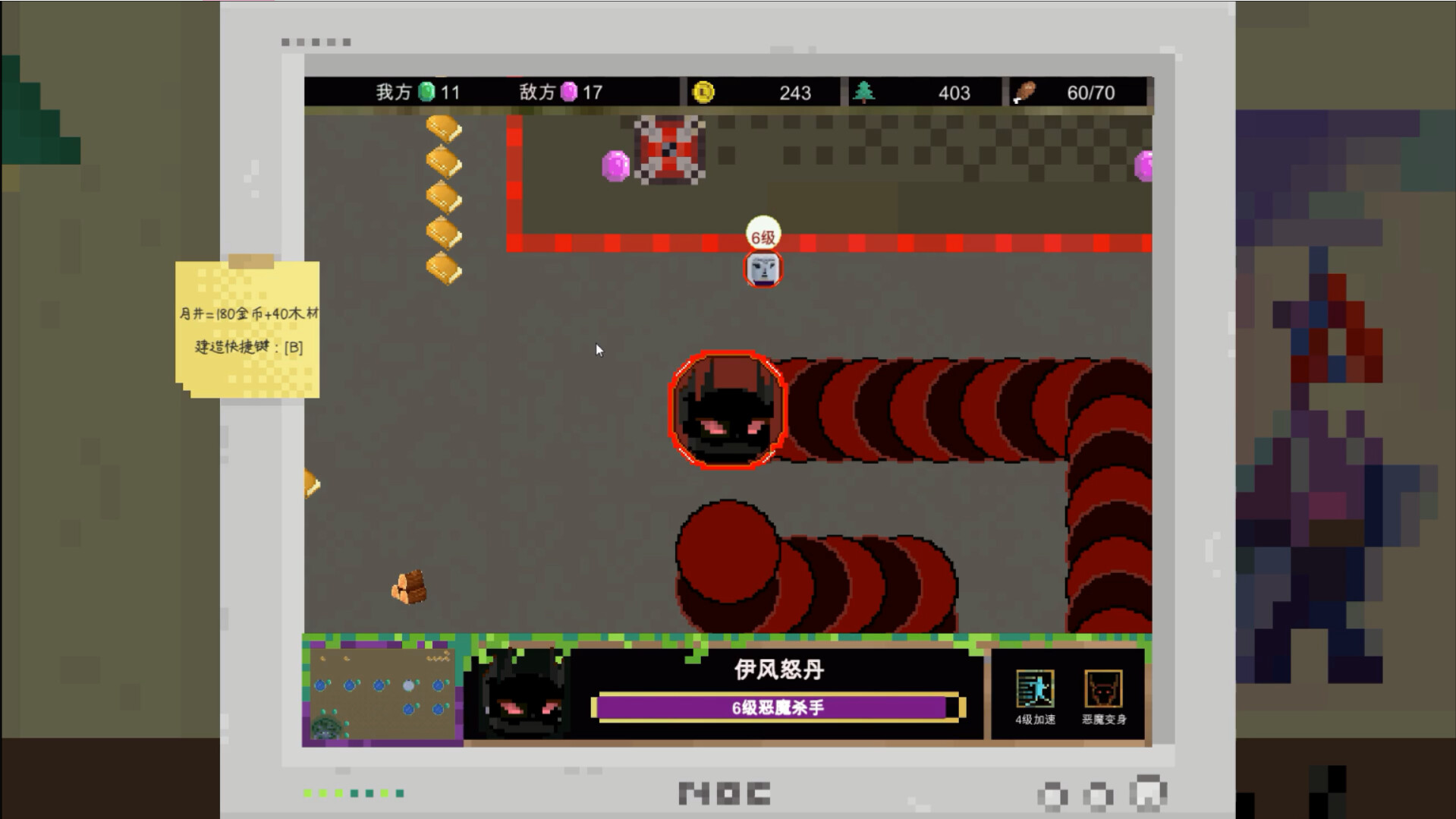
Combat sequences draw inspiration from WarCraft III, delivering mini‑games that echo the 2005 e‑sports scene. These battles serve as a gameplay bridge between narrative moments and strategic challenges.
The battles are presented as concise encounters, fitting within the overall three‑to‑four‑hour playtime while highlighting the era’s competitive gaming culture.
- Treat each battle as a self‑contained puzzle; timing and unit placement matter.
- Notice the visual nods to 2005 e‑sports—they reinforce the game’s thematic focus.
03 / THE GUIDE
Stealth State Switching
A unique stealth mechanism lets Wang switch character states, altering how NPCs react and opening alternative interaction paths. This system adds variety without changing the core narrative.
State switching is tied to specific scenarios, encouraging players to experiment with different approaches to dialogue and puzzle sections.
- Switch states before approaching key NPCs to see how reactions differ.
- Use the mechanic to see how different NPCs react to Wang’s changed state.
04 / THE GUIDE
Platforming and Light Puzzles
Beyond dialogue, the game incorporates platforming sections and light puzzle‑solving to break up narrative pacing. These challenges test timing and basic problem‑solving skills.
The platforming is designed to be accessible, complementing the story rather than dominating the experience, and fits within the concise overall runtime.
- Observe environmental cues; they often hint at the correct platforming route.
- When stuck on a puzzle, revisit earlier dialogue for possible hints.
05 / THE GUIDE
Pixel Art Style and Game Length
A charming pixel‑art aesthetic evokes nostalgia for early‑2000s indie titles while keeping visual clarity during battles and platforming. The style supports quick readability of on‑screen information.
The estimated gameplay duration of three to four hours delivers a focused experience, allowing players to complete the story in a single sitting without sacrificing depth.
- Appreciate the pixel details; they often contain subtle storytelling elements.
- Plan a single session to fully experience the intended pacing.
COMMUNITY
Player discussion